
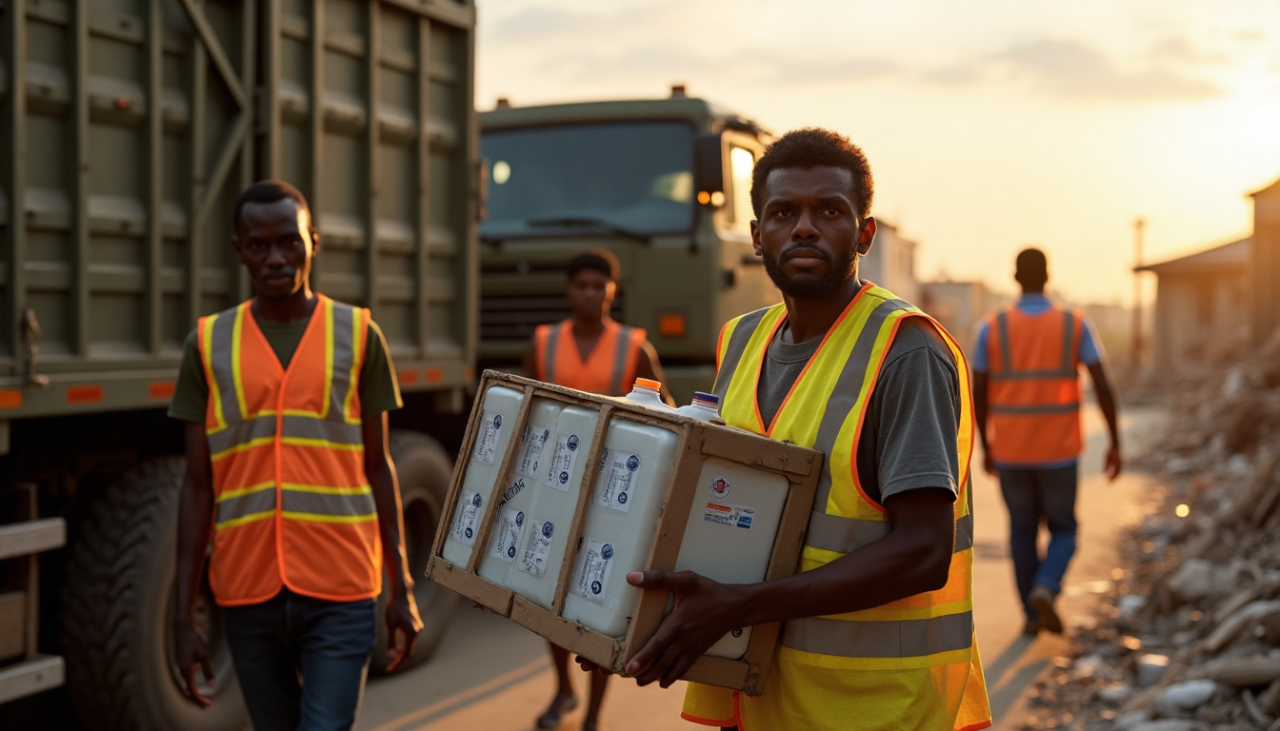
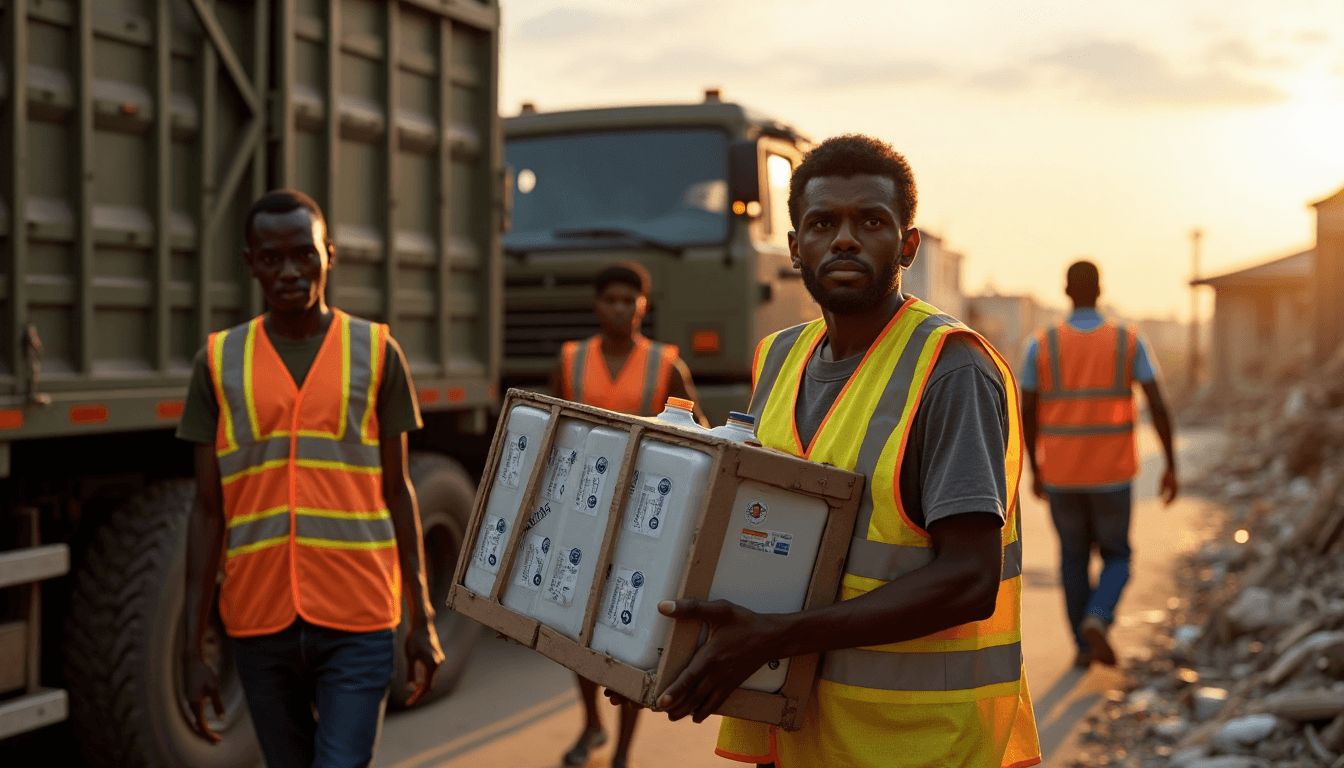
Disaster relief is a race against the clock, where every minute counts and coordination across agencies determines success. Here is the bombshell: technological innovations can improve supply chain efficiency by approximately 45 percent during emergencies. Most think the hardest part is delivering food and water, but the real challenge is building resilient systems that can adapt in real time when the situation changes without warning.
Table of Contents
- Understanding Critical Logistical Support Steps
- Coordinating Resources For Rapid Response
- Ensuring Safe And Efficient Supply Chains
- Best Practices For Recovery And Resilience
Quick Summary
| Takeaway | Explanation |
|---|---|
| Effective Resource Coordination is Essential | Rapid response in disaster relief hinges on sophisticated multi-agency collaboration and the establishment of clear communication channels for resource allocation. |
| Technology Plays a Crucial Role | Advanced tracking systems and predictive analytics enhance logistical support, improving response times and resource management accuracy. |
| Pre-Disaster Planning is Key | Comprehensive risk assessments and infrastructure protection strategies are vital for ensuring safe and efficient supply chains during emergencies. |
| Community Engagement Drives Resilience | Successful recovery relies on incorporating local stakeholder perspectives, adaptive frameworks, and ongoing skills development to enhance long-term community sustainability. |
| Focus on Sustainable Recovery Strategies | Building resilience goes beyond immediate relief; it involves creating robust systems and diverse economic mechanisms to better withstand future disasters. |
Understanding Critical Logistical Support Steps
Disaster relief demands precision and strategic planning. The complex process of providing critical logistical support requires a comprehensive approach that addresses immediate needs while preparing for long-term recovery. Understanding these critical logistical support steps is fundamental to effective emergency response and community resilience.
The Strategic Framework of Disaster Logistics
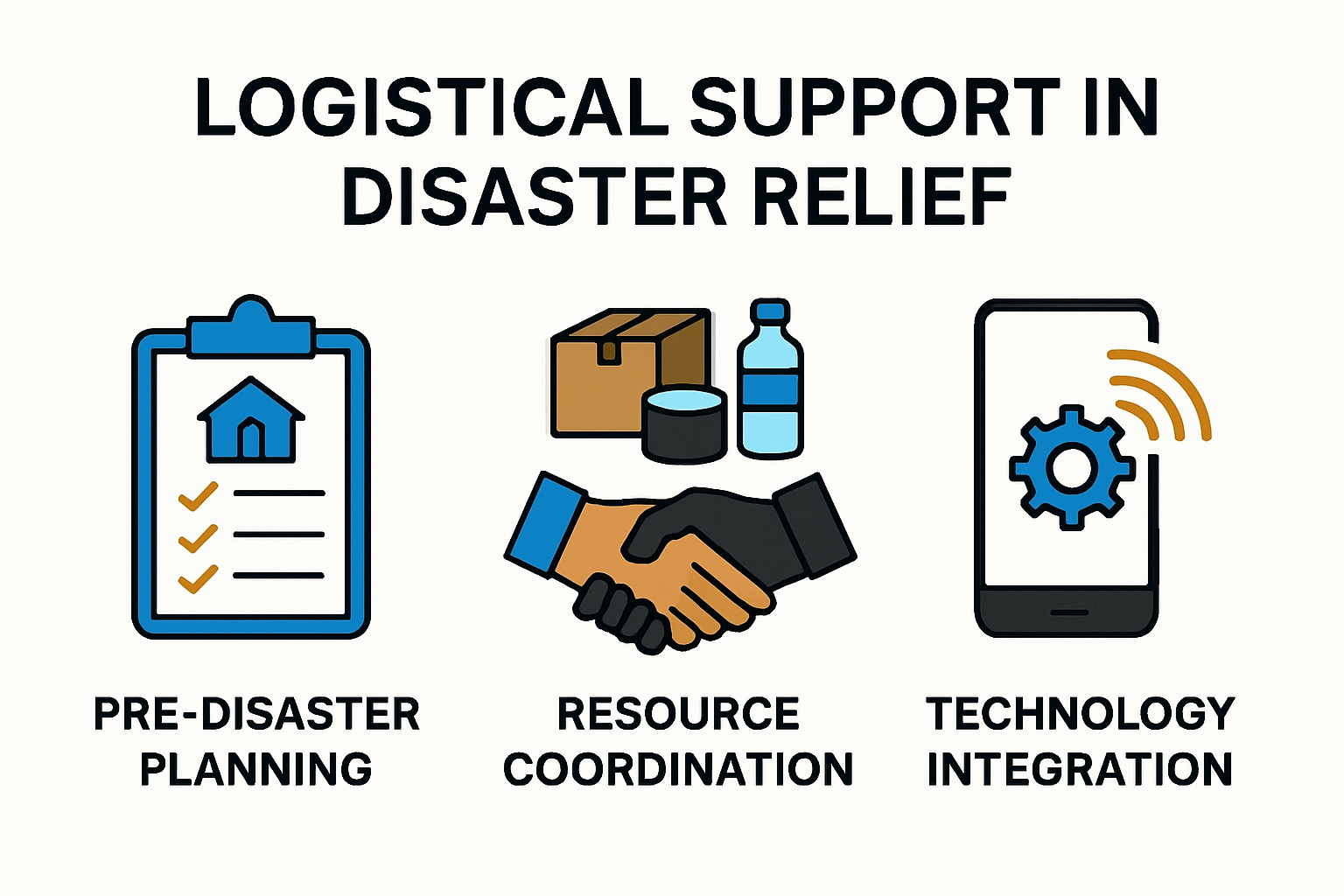
The National Response Framework (NRF) provides a structured approach to emergency management. According to FEMA, disaster logistics involves a multifaceted process of resource management, transportation, and strategic coordination. Critical logistical support steps begin with comprehensive pre-disaster planning, which includes mapping potential supply chains, identifying critical resources, and establishing communication protocols.
Key elements of this strategic framework include:
- Resource Mapping: Identifying potential suppliers and critical infrastructure
- Communication Channels: Establishing clear communication protocols between agencies
- Rapid Response Mechanisms: Developing quick deployment strategies for essential supplies
Complex Coordination and Resource Allocation
Effective disaster logistics goes beyond simply moving supplies. The National Disaster Recovery Framework emphasizes the importance of sophisticated coordination among multiple agencies. This involves intricate processes of assessing needs, prioritizing resources, and creating flexible distribution systems that can adapt to rapidly changing emergency conditions.
Logistical support requires a dynamic approach that considers multiple variables:
- Population displacement
- Infrastructure damage
- Available transportation routes
- Immediate medical and survival needs
The complexity of these operations demands advanced planning and real-time adaptability. Emergency responders must be prepared to quickly assess and redistribute resources as situations evolve. Learn more about our comprehensive disaster response strategies.
Technology and Innovation in Disaster Logistics
Modern disaster relief increasingly relies on technological innovations to enhance logistical support. Advanced tracking systems, satellite communications, and data analytics enable more precise resource management. According to research from the International Disaster Response Organization, technologies like GPS tracking, real-time mapping, and predictive analytics can significantly improve response times and resource allocation.
Critical technological components include:
- Geospatial Mapping: Identifying precise delivery locations
- Real-time Communication Systems: Enabling instant coordination
- Predictive Analysis Tools: Anticipating potential challenges and needs
Successful disaster logistics is not just about moving supplies but creating a resilient, adaptive system that can respond to unexpected challenges. By understanding and implementing these critical logistical support steps, emergency responders can significantly improve their ability to provide rapid, effective assistance during times of crisis.
The goal remains consistent: deliver the right resources, to the right place, at the right time, ultimately saving lives and supporting community recovery.
Coordinating Resources for Rapid Response
Rapid response in disaster relief requires sophisticated resource coordination that goes beyond traditional emergency management approaches. The ability to quickly mobilize, allocate, and distribute critical supplies can mean the difference between life and death for affected populations.
Strategic Resource Deployment Mechanisms
Effective resource coordination begins with understanding the complex ecosystem of emergency response. The Defense Logistics Agency plays a crucial role in supporting disaster relief efforts by providing essential supplies to federal agencies and emergency responders. According to research from the International Humanitarian Logistics Association, successful resource deployment depends on several critical factors:
- Inventory Prepositioned Resources: Strategically storing emergency supplies in accessible locations
- Rapid Assessment Technologies: Using real-time data collection tools to identify immediate needs
- Flexible Supply Chain Management: Creating adaptable distribution networks that can respond quickly
Learn more about our comprehensive response coordination strategies, which enable swift and efficient emergency support.

Multi-Agency Coordination Frameworks
Disaster response requires seamless collaboration between multiple agencies and organizations. FEMA emphasizes the importance of integrated communication systems and shared operational protocols. The National Response Framework provides a structured approach to coordinating resources across different levels of government and emergency service providers.
Key coordination strategies include:
- Establishing clear communication channels
- Creating unified command structures
- Developing interoperable technology platforms
- Implementing standardized resource tracking systems
The complexity of modern disaster response demands a holistic approach that transcends traditional organizational boundaries. Emergency management professionals must develop flexible frameworks that can adapt to rapidly changing situations.
Technology-Enabled Resource Management
Advanced technologies are transforming resource coordination in disaster relief. Satellite mapping technologies and artificial intelligence enable more precise resource allocation and predictive planning. According to the United Nations Office for Disaster Risk Reduction, technological innovations can improve response times by up to 40 percent.
Critical technological capabilities include:
- Geospatial Tracking: Real-time location monitoring of resources
- Predictive Analytics: Anticipating potential supply chain disruptions
- Remote Sensing Technologies: Assessing damage and identifying critical needs
Successful resource coordination is not just about moving supplies but creating an intelligent, responsive system that can adapt to unpredictable emergency scenarios. By integrating advanced technologies, strategic planning, and multi-agency collaboration, emergency responders can significantly enhance their ability to provide timely and effective assistance.
The ultimate goal remains clear: deliver the right resources to the right place at the right time, minimizing human suffering and supporting community resilience during critical moments.
Ensuring Safe and Efficient Supply Chains
Supply chain management represents a critical backbone of effective disaster relief operations. The ability to create resilient, adaptable, and secure logistics networks can significantly impact the speed and effectiveness of emergency response efforts.
Risk Assessment and Preparedness Planning
Pre-disaster planning forms the foundation of safe and efficient supply chains. According to research from the Humanitarian Logistics Association, comprehensive risk assessment involves multiple strategic components. The National Preparedness Directorate emphasizes the importance of developing robust logistics plans that anticipate potential disruptions.
Key preparedness strategies include:
- Comprehensive Risk Mapping: Identifying potential supply chain vulnerabilities
- Redundant Resource Allocation: Creating multiple supply routes and backup resources
- Predictive Scenario Planning: Developing flexible response mechanisms
Explore our advanced disaster response planning techniques to understand how we develop resilient logistical frameworks.
Critical Infrastructure Protection
Protecting supply chain infrastructure is paramount during disaster response. The Department of Homeland Security highlights the interconnected nature of critical infrastructure systems. Emergency logistics must consider multiple protection strategies to ensure uninterrupted resource delivery.
Critical infrastructure protection involves:
- Securing transportation networks
- Protecting communication systems
- Maintaining energy and utility infrastructure
- Ensuring cybersecurity for logistical platforms
According to research from the International Disaster Response Organization, effective infrastructure protection can reduce supply chain disruptions by up to 60 percent during emergency situations.
Technology-Driven Supply Chain Optimization
Advanced technologies are revolutionizing supply chain management in disaster relief. Artificial intelligence and machine learning technologies enable more precise tracking, predictive analysis, and real-time resource allocation. The United Nations Office for Disaster Risk Reduction reports that technological innovations can improve supply chain efficiency by approximately 45 percent.
Critical technological capabilities include:
- Advanced Tracking Systems: Real-time resource monitoring
- Predictive Analytics: Anticipating potential supply chain challenges
- Automated Routing Algorithms: Optimizing resource distribution
- Blockchain-Based Transparency: Ensuring accountability and traceability
Successful supply chain management in disaster relief requires a holistic approach that combines strategic planning, technological innovation, and adaptive response mechanisms. By developing robust, flexible logistics networks, emergency responders can significantly enhance their ability to deliver critical resources quickly and efficiently.
The ultimate objective remains consistent: create supply chains that are resilient, responsive, and capable of supporting communities during their most vulnerable moments.
Here is a summary table highlighting the impact of technology and innovation on critical areas in disaster logistics as described above:
Technology and Innovation Impact Table
| Area of Disaster Logistics | Technological Solution | Estimated Efficiency Improvement |
|---|---|---|
| Resource Coordination | Geospatial Tracking, AI | Up to 40% faster response |
| Supply Chain Management | AI/ML, Predictive Analytics, Blockchain | ~45% improved efficiency |
| Infrastructure Protection | Cybersecurity, Network Redundancy | Up to 60% less disruption |
| Recovery Operations | Predictive Modeling, Drones, Digital Platforms | ~35% faster recovery |
Best Practices for Recovery and Resilience
Recovery and resilience represent the critical final phase of disaster response, transforming immediate emergency interventions into sustainable long-term community restoration. Effective strategies go beyond temporary relief, focusing on rebuilding stronger, more adaptable systems that can withstand future challenges.
Strategic Planning and Community Engagement
Research from the National Resilience Institute highlights that successful recovery depends on comprehensive, collaborative approaches. Pre-disaster planning must incorporate community perspectives, ensuring that recovery strategies reflect local needs and cultural contexts. According to FEMA’s Community Resilience Planning Guide, effective resilience strategies involve multiple interconnected components.
Key strategic planning elements include:
- Comprehensive Risk Assessment: Identifying potential vulnerabilities
- Community Consultation: Engaging local stakeholders in decision making
- Adaptive Recovery Frameworks: Creating flexible response mechanisms
Discover our comprehensive approach to safe community rebuilding and understand how we prioritize long-term community sustainability.
Technological Innovation in Recovery
Advanced technologies are transforming disaster recovery processes. The United Nations Office for Disaster Risk Reduction emphasizes the role of digital technologies in creating more resilient recovery systems. Artificial intelligence, geospatial mapping, and predictive analytics enable more precise, data-driven recovery strategies.
Critical technological capabilities include:
- Predictive Modeling: Anticipating potential recovery challenges
- Real-time Damage Assessment: Utilizing satellite and drone technologies
- Digital Communication Platforms: Facilitating rapid information sharing
According to research from the International Disaster Recovery Association, technological innovations can improve recovery efficiency by approximately 35 percent, reducing response times and resource allocation challenges.
Sustainable Resilience Development
Building long-term community resilience requires a holistic approach that extends beyond immediate recovery efforts. The World Bank’s Resilience Framework emphasizes developing adaptive capacities that enable communities to respond to and recover from future disasters more effectively.
Sustainable resilience strategies involve:
- Infrastructure Redesign: Creating more robust and adaptable systems
- Economic Diversification: Developing multiple economic support mechanisms
- Skills Development: Training community members in emergency response
- Psychological Support: Addressing trauma and mental health challenges
The National Disaster Recovery Framework underscores the importance of viewing recovery as an opportunity for transformation, not just reconstruction.
Successful recovery is about more than rebuilding physical infrastructure. It represents a comprehensive approach to restoring community functionality, empowering local populations, and creating systems that are more robust and adaptable than before.
Ultimately, resilience is not just about surviving disasters but emerging stronger, more united, and better prepared for future challenges.
To help clarify best practices for recovery and resilience, the following summary table organizes the key strategies and focus areas mentioned above:
Best Practices for Disaster Recovery and Resilience
| Focus Area | Strategy/Practice | Intended Outcome |
|---|---|---|
| Community Engagement | Consultation, Adaptive Frameworks | Locally relevant, sustainable recovery |
| Technological Innovation | Predictive Modeling, Real-Time Assessment | Faster, more precise recovery |
| Infrastructure Redesign | Robust Systems, Redundancy | Greater long-term resilience |
| Economic Diversification | Skills Training, Economic Support Tools | Stronger, self-sustaining community |
| Psychological Support | Trauma Care, Mental Health Programs | Healthier, more resilient population |
Frequently Asked Questions
What are the critical logistical support steps for disaster relief?
Critical logistical support steps for disaster relief include pre-disaster planning, resource mapping, establishing clear communication channels, and developing rapid response mechanisms. These steps help ensure efficient coordination and resource allocation during emergencies.
How does technology enhance disaster logistics?
Technology enhances disaster logistics by utilizing tools like GPS tracking, real-time mapping, and predictive analytics, which improve response times and resource management accuracy, ultimately increasing supply chain efficiency during emergencies by approximately 45%.
Why is community engagement important in disaster recovery?
Community engagement is crucial in disaster recovery because it ensures that recovery strategies reflect local needs and perspectives. Involving local stakeholders leads to more adaptive frameworks, builds trust, and enhances long-term community sustainability.
What role does infrastructure protection play in disaster logistics?
Infrastructure protection is vital in disaster logistics as it secures transportation networks, communication systems, and other critical infrastructure, preventing disruptions during emergencies. Effective infrastructure protection can reduce supply chain interruptions by up to 60%.
Transform Disaster Logistics into Real Recovery with Trusted Support
When time is critical and logistics feel overwhelming, the difference between a fast recovery and long-term disruption comes down to the right support system. You have read how failures in resource coordination, supply chain management, and technology adoption can create roadblocks for communities in crisis. The good news is you do not have to face these challenges alone. Our team at Disaster Victim Services specializes in hands-on logistical solutions, rapid resource deployment, and immediate emergency housing coordination. We work closely with insurance carriers, agencies, and first responders to ease the pressure of disaster recovery.
Ready to take action and bridge the gap between chaos and stability? See real-world examples and in-depth support options in our Uncategorized resource center or explore our latest projects. Turn critical logistical steps into a clear path forward. Reach out to Disaster Victim Services now to secure compassion-driven guidance and efficient recovery solutions you can trust.
Recommended
- How to Handle Relocations in 2025: A Guide for Disaster Relief Teams – Disaster Victim Services | Helping You Recover After Disaster
- How to Deploy Aid: Effective Strategies for Disaster Response 2025 – Disaster Victim Services | Helping You Recover After Disaster
- Disaster Preparedness Checklist 2025: Essential Guide for All Responders – Disaster Victim Services | Helping You Recover After Disaster
- First Aid Disaster Basics: Essential Steps for 2025 Recovery – Disaster Victim Services | Helping You Recover After Disaster
- How to Coordinate Response in Disasters: A Guide for 2025 – Disaster Victim Services | Helping You Recover After Disaster
- Disaster Response Chain: How It Works and Why It Matters in 2025 – Disaster Victim Services | Helping You Recover After Disaster