
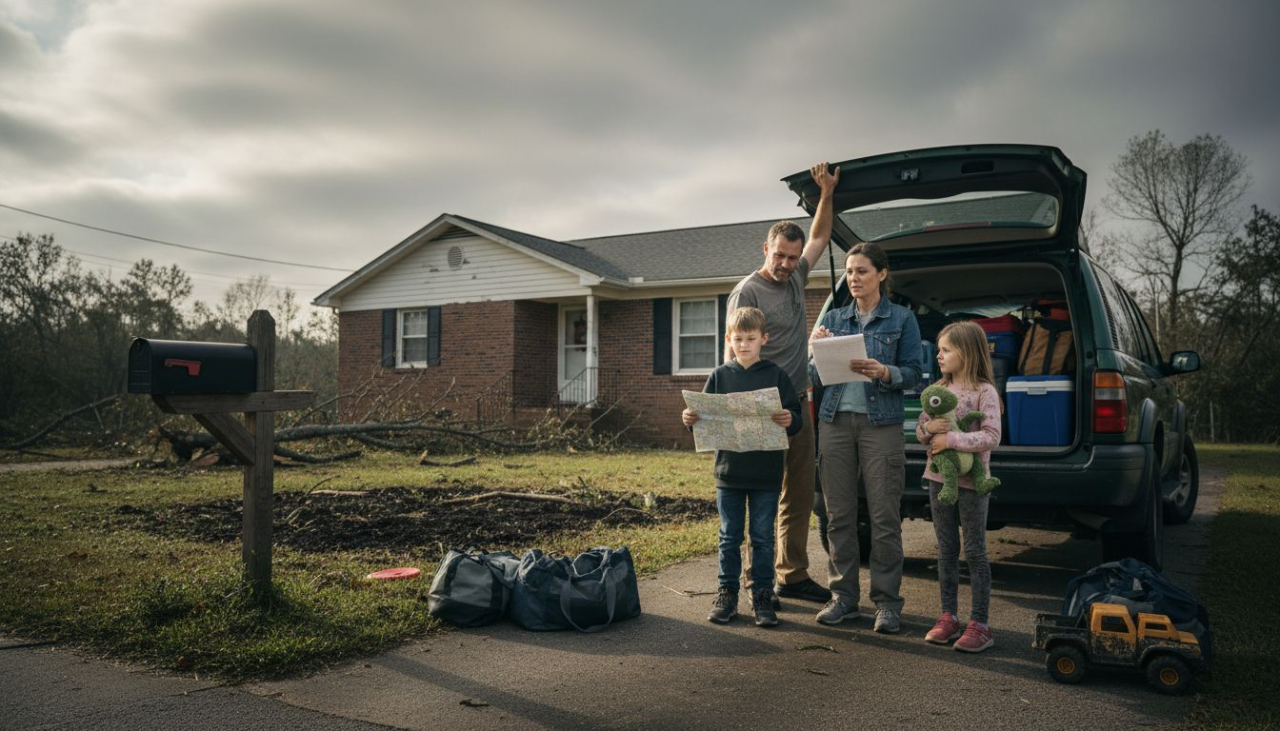
Over forty percent of American families impacted by disasters experience major hurdles during emergency relocation and recovery. When your home is threatened, confusion and stress can make decisive action difficult. Understanding every step for relocation and accessing the right support can restore stability. This guide breaks down practical ways to secure immediate safety, find temporary housing, organize crucial documents, tap into agency assistance, and begin planning for your family’s future after disaster strikes.
Table of Contents
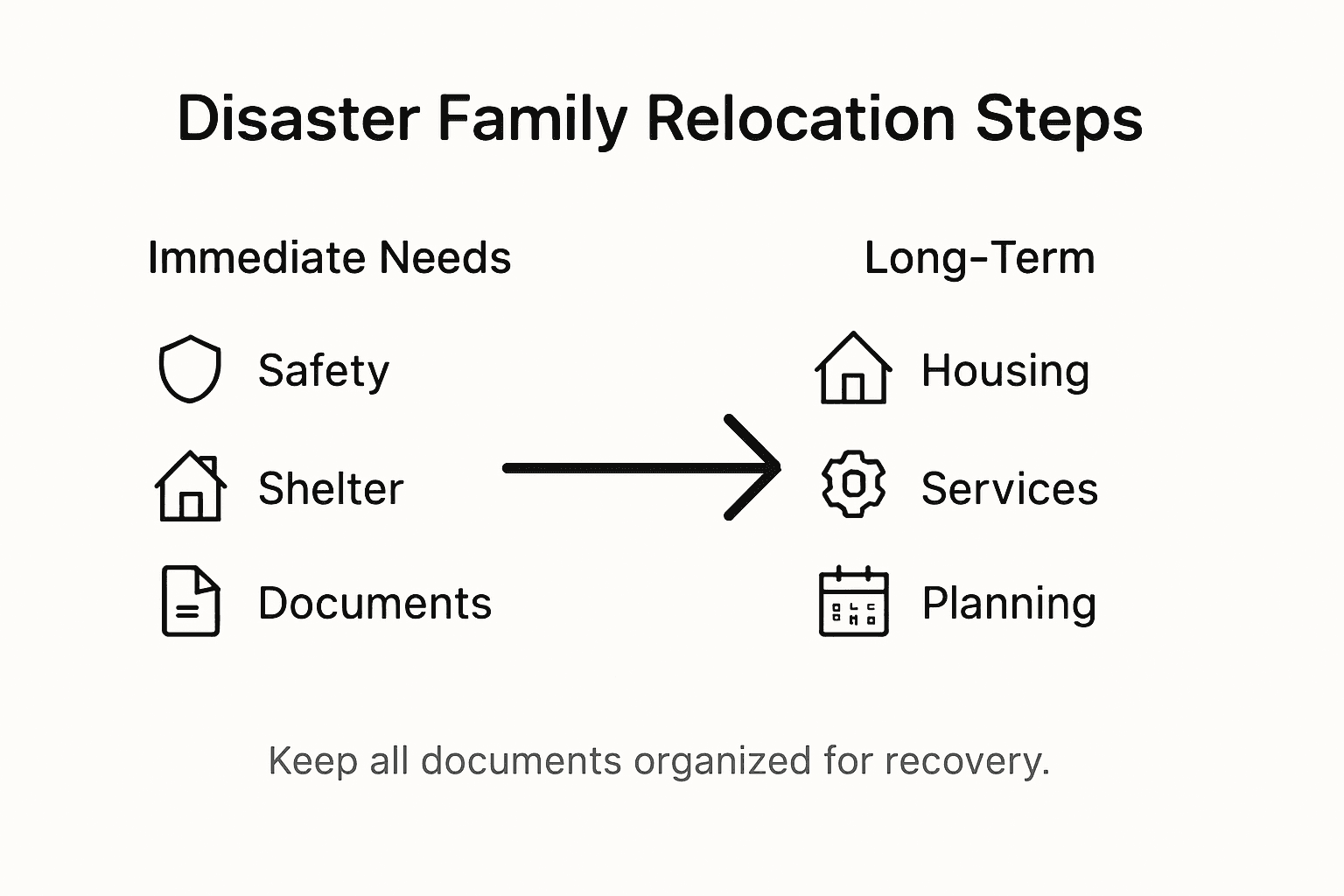
- Step 1: Assess Immediate Needs And Safety
- Step 2: Secure Temporary Housing Solutions
- Step 3: Coordinate Essential Services And Documentation
- Step 4: Engage Support With Agencies And Partners
- Step 5: Verify Stability And Begin Long-Term Planning
Quick Summary
| Key Point | Explanation |
|---|---|
| 1. Prioritize Safety and Medical Needs | Assess your personal safety and address any medical emergencies immediately after a disaster strikes. |
| 2. Explore Temporary Housing Options | Contact local agencies to find safe and suitable temporary housing solutions that meet your family’s needs. |
| 3. Organize Essential Documentation | Gather and securely store important documents to facilitate access to aid and services during recovery. |
| 4. Engage with Support Agencies | Create a comprehensive list of support organizations and maintain clear communication for effective recovery assistance. |
| 5. Plan for Long-Term Stability | Conduct risk assessments of new communities to develop a strategic, adaptable recovery plan for your family’s future. |
Step 1: Assess Immediate Needs and Safety
When disaster strikes, your first priority is safeguarding your family and understanding your immediate survival requirements. Quickly evaluating your personal safety and essential needs is crucial for effective recovery and relocation. Emergency response professionals recommend systematic assessment strategies to help families navigate post disaster challenges.
Start by conducting a comprehensive safety evaluation of your current environment. Check for potential hazards such as structural damage, exposed electrical wires, gas leaks, contaminated water sources, or unstable ground conditions. Prioritize medical needs for any injured family members, ensuring access to first aid supplies and immediate healthcare if necessary. Contact local emergency services if you require professional medical assistance or encounter serious safety risks that you cannot manage independently.
Document your immediate requirements including shelter, food, water, medications, and critical personal documents. Reach out to local emergency management agencies, Red Cross centers, or disaster relief organizations to access temporary housing, emergency supplies, and support services. Many communities offer comprehensive emergency assistance programs designed to help families quickly transition and meet their most urgent needs.
Pro tip: Always keep a portable emergency kit with essential supplies readily accessible, which can significantly reduce stress and improve response time during unexpected disasters.
Step 2: Secure Temporary Housing Solutions
Locating safe and stable temporary housing is a critical step in your family’s disaster recovery journey. Your goal is to find immediate shelter that meets your basic needs while providing a sense of security during an uncertain time. Planned relocation strategies require careful consideration of your family’s unique circumstances and potential long term impacts.
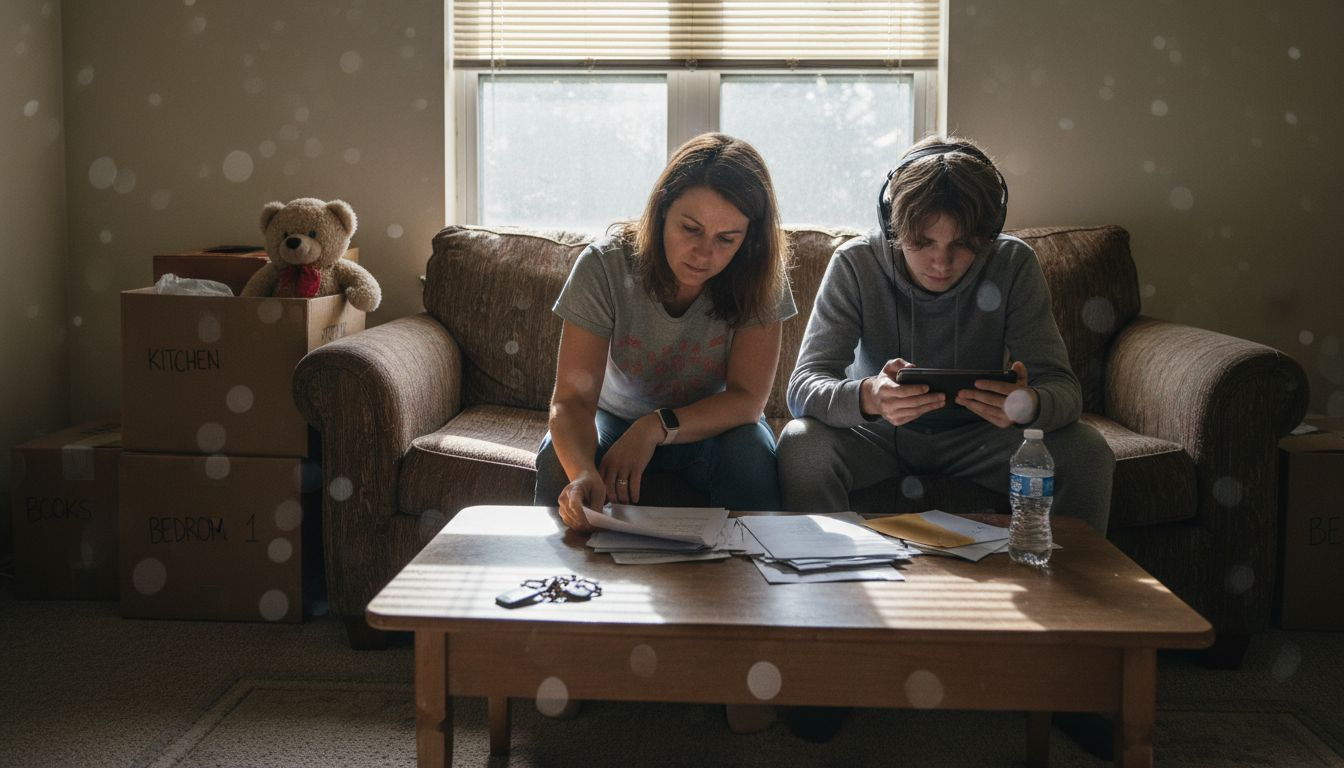
Begin by contacting local emergency management agencies, disaster relief organizations, and insurance providers to explore available temporary housing options. These resources often provide immediate assistance through hotel vouchers, temporary apartment rentals, or community shelter programs. Evaluate each option based on proximity to your original community, accessibility to essential services, safety conditions, and potential accommodations for your family’s specific needs such as medical requirements, school proximity for children, or workplace access.
Prioritize housing solutions that offer stability and support your family’s recovery process. Document all communication and housing arrangements carefully, maintaining copies of agreements, contact information, and any financial assistance documentation. Temporary housing coordination requires strategic planning to ensure a smooth transition and minimize additional stress during your relocation.
Here’s a quick comparison of temporary housing options and their common advantages for disaster recovery:
| Housing Option | Immediate Availability | Security Level | Typical Support Services |
|---|---|---|---|
| Hotel Voucher | Rapid access | Moderate safety | Meals, basic amenities |
| Community Shelter | High availability | Variable security | Medical, counseling |
| Apartment Rental | Limited availability | High safety | Privacy, stability |
| Family/Friend Hosting | Flexible | Depends on host | Emotional support, local help |
Pro tip: Create a dedicated folder with digital and physical copies of all housing related documents to streamline communication and track your temporary housing arrangements effectively.
Step 3: Coordinate Essential Services and Documentation
Emergency management requires strategic coordination of critical services during and after disaster situations to ensure your family’s comprehensive recovery. This step focuses on systematically organizing your essential documentation and connecting with key support services that will help you rebuild and stabilize your life after displacement.
Gather and organize all critical personal documents including identification records, medical files, insurance policies, property ownership documents, and financial records. Create both digital and physical backup copies stored in secure locations. Contact local government agencies, disaster relief organizations, and your insurance provider to understand the specific documentation requirements for accessing emergency assistance, temporary housing support, and recovery resources.
For fast access during emergencies, here’s a summary of critical personal documents and their disaster recovery roles:
| Document Type | Purpose in Recovery | Best Storage Method |
|---|---|---|
| Identification | Prove identity, access aid | Secure cloud, physical copy |
| Medical Records | Continue care, verify needs | Encrypted digital file |
| Insurance Policy | Claim damages, secure support | Dedicated disaster folder |
| Property Deeds | Confirm ownership, legal matters | Safe deposit box |
Establish communication channels with multiple support systems including local emergency management offices, social services, healthcare providers, and community support networks. Multidisciplinary coordination is essential for accessing humanitarian aid and legal protections during displacement. Maintain detailed records of all interactions, create a contact log, and follow up consistently to track the progress of your support requests and documentation processing.
Pro tip: Scan and store digital copies of all important documents in a secure cloud storage service with multiple backup options to ensure you can access critical information from anywhere.
Step 4: Engage Support With Agencies and Partners
Effective disaster response requires coordinated support among federal, state, tribal, and local agencies to help your family navigate the complex recovery process. Understanding how to strategically connect with key support organizations will dramatically improve your ability to access critical resources and rebuild your life after displacement.
Start by creating a comprehensive list of potential support agencies including local emergency management offices, state disaster recovery centers, nonprofit organizations like the American Red Cross, and social service providers. Prepare a concise summary of your specific needs and situation to streamline communication. Make initial contact through multiple channels phone, email, and in person if possible to ensure your request receives appropriate attention. Be persistent yet patient understanding that these agencies manage numerous recovery cases simultaneously.
Collaboration with academic, governmental, and community stakeholders can provide additional insights and support during your recovery journey. Attend community meetings, connect with local disaster recovery support groups, and seek recommendations from case managers who can help you navigate available resources. Document every interaction carefully tracking contact names, dates, and the specific assistance discussed to maintain clear communication and follow up effectively.
Pro tip: Create a dedicated email address and phone contact specifically for disaster recovery communications to help you organize and track all support related interactions.
Step 5: Verify Stability and Begin Long-Term Planning
Long-term disaster recovery demands comprehensive verification of housing, infrastructure, and community systems before permanent resettlement to ensure your family can rebuild safely and confidently. This critical stage involves carefully assessing potential risks, evaluating sustainable living conditions, and developing strategic plans that protect your family’s future.
Conduct a thorough risk assessment of your potential new community by examining infrastructure resilience, environmental conditions, economic stability, and potential future disaster vulnerabilities. Research local climate projections, flood zones, geological risks, and community emergency preparedness resources. Connect with local city planning offices, insurance agencies, and emergency management centers to gather comprehensive information about the area’s long-term sustainability and potential challenges.
A systems thinking approach to disaster management emphasizes holistic strategies that consider interconnected factors like climate change, economic volatility, and community equity. Develop a flexible recovery plan that includes multiple contingency scenarios, financial buffers, and adaptable housing solutions. Prioritize building social connections within your new community, exploring local support networks, and identifying resources that can provide ongoing assistance during your recovery process.
Pro tip: Create a comprehensive digital and physical file containing all recovery documentation, risk assessment reports, and community research to maintain organized and accessible long-term planning resources.
Secure Your Family’s Future with Expert Disaster Recovery Support
Facing the complex challenges of family relocation after a disaster requires swift action and trusted guidance. This article highlights crucial steps such as assessing immediate safety, securing temporary housing, and coordinating essential services—all of which can feel overwhelming when disaster disrupts your life. You are not alone in managing these critical needs
At DisasterVictimServices.com, we specialize in connecting families with reliable emergency housing solutions and coordinated support to navigate the recovery process with compassion and efficiency. Our team works alongside insurance carriers and government agencies to ease your transition from crisis to rebuilding. Explore practical resources and insightful guidance in our Uncategorized resource section to prepare for every step of your recovery journey.
Take control of your family’s relocation today. Visit DisasterVictimServices.com to begin accessing expert assistance and dependable solutions designed to restore safety and stability. Your recovery starts with the right support at the right time.
Frequently Asked Questions
What are the first steps I should take for family relocation after a disaster?
Start by assessing immediate needs and ensuring everyone’s safety. Evaluate your environment for hazards, prioritize medical needs, and document essential supplies like food and shelter.
How can I find temporary housing for my family after a disaster?
Contact local emergency management agencies and disaster relief organizations to explore available options, such as hotel vouchers or community shelters. Aim to secure a shelter that meets your basic needs within 24-48 hours to stabilize your situation.
What documentation do I need to gather for disaster recovery?
Collect critical personal documents such as identification, medical records, and insurance policies, as they are essential for accessing support services. Organize these documents in both digital and physical formats to ensure you can easily retrieve them during the recovery process.
How can I effectively engage with disaster relief agencies?
Create a comprehensive list of potential support agencies and prepare a summary of your specific needs to streamline communication. Reach out through multiple channels and keep detailed records of your interactions to ensure you receive the assistance you need.
What should I consider when planning for long-term relocation after a disaster?
Conduct a thorough risk assessment of potential new communities, examining factors such as infrastructure and environmental conditions. Develop a flexible recovery plan that includes multiple scenarios to adapt to changing circumstances and ensure ongoing support for your family.
Recommended
- Safe Relocation Steps for Disaster Victims in 2025 – Disaster Victim Services | Helping You Recover After Disaster
- How to Handle Relocations in 2025: A Guide for Disaster Relief Teams – Disaster Victim Services | Helping You Recover After Disaster
- How to Handle Relocations in 2025: A Guide for Disaster Relief Teams – Disaster Victim Services | Helping You Recover After Disaster
- Step by Step Displacement Support for Families in Crisis – Disaster Victim Services | Helping You Recover After Disaster