

Over one million American families face catastrophic property loss every year due to hurricanes, wildfires, and other severe disasters. The aftermath leaves many unsure where to turn for reliable insurance recovery or a safe place to stay. Knowing how catastrophe claims work can make all the difference as you rebuild your life, secure critical housing, and advocate for the financial support every American homeowner and renter deserves.
Table of Contents
- What Is A Catastrophe Claim And Who Qualifies
- Types Of Catastrophes Covered By Insurance
- Step-By-Step Catastrophe Claim Process
- Essential Documentation And Claim Requirements
- Policyholder Rights, Timelines, And Settlement Options
- Common Challenges And Mistakes To Avoid
Key Takeaways
| Point | Details |
|---|---|
| Catastrophe Claims | Triggered by federally declared disasters, these claims provide financial support for substantial property damage. |
| Documentation is Key | Comprehensive evidence and thorough record-keeping are crucial for successfully filing a claim. |
| Types of Covered Events | Insurance policies cover various natural and man-made catastrophes, requiring understanding of specific eligibility criteria. |
| Policyholder Rights | Victims have rights to appeal decisions and clarification on processes, which aid in fair treatment and recovery. |
What Is a Catastrophe Claim and Who Qualifies
A catastrophe claim represents a specialized insurance recovery process triggered by widespread, severe disasters that cause substantial property damage across entire regions. When natural events like hurricanes, floods, or wildfires strike, homeowners and renters can seek financial support through these critical insurance mechanisms.
To qualify for a catastrophe claim, individuals must reside in an area federally declared as a disaster zone by presidential order. This declaration signifies that the damage is extensive enough to warrant coordinated federal and state emergency assistance. Qualifying disasters typically include major events causing losses exceeding $25 million, such as hurricanes, widespread flooding, devastating wildfires, or significant civil unrest that impacts multiple properties simultaneously.
Documentation is crucial when filing a catastrophe claim. Policyholders must provide comprehensive evidence including photo identification, proof of insurance policy, detailed damage descriptions, and documentation showing the extent of property losses. Insurance carriers require thorough documentation to process claims efficiently during these high-stress recovery periods. This means taking photographs, collecting repair estimates, and maintaining a clear record of all disaster-related expenses.
Pro tip: Keep digital and physical copies of all important documents in a waterproof, fireproof container, and store backup digital files in secure cloud storage to protect your records during unexpected disasters.
Types of Catastrophes Covered by Insurance
Insurance policies provide critical financial protection for a wide range of catastrophic events that can devastate homes and communities. Under U.S. federal law, catastrophe definitions encompass multiple types of natural and man-made disasters that can cause significant property damage and personal disruption.
Natural disasters represent the most common types of catastrophes covered by insurance policies. These include devastating events such as hurricanes, tornadoes, severe storms, widespread floods, earthquakes, volcanic eruptions, landslides, and prolonged droughts. Each of these events can cause substantial property damage, making them critical considerations for comprehensive insurance coverage. Federal disaster assistance programs also recognize these natural catastrophes as eligible for support and relief efforts.
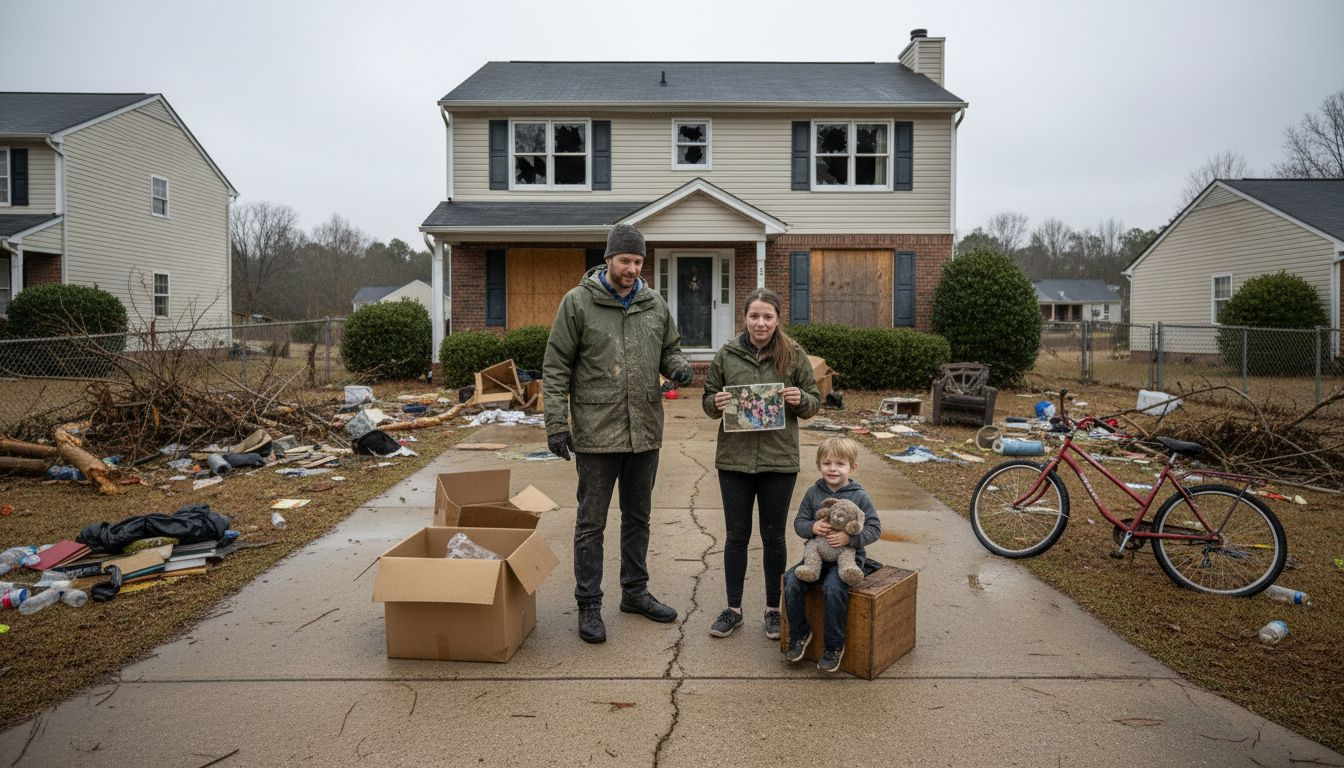
Beyond natural disasters, insurance policies often extend coverage to man-made catastrophic events. These can include significant incidents like civil unrest, terrorist attacks, large-scale fires, industrial explosions, and other substantial events that cause widespread property damage. The key factor is the scale and severity of the incident, which must typically exceed a specific financial threshold to qualify as a true catastrophe under insurance guidelines.
Here’s a summary comparing key types of catastrophes and typical insurance responses:
| Catastrophe Type | Common Examples | Usual Insurance Support | Unique Claim Challenges |
|---|---|---|---|
| Natural Disasters | Hurricanes, floods, earthquakes | Funds for repairs, lost property | Widespread damage complicates assessment |
| Man-Made Incidents | Civil unrest, industrial explosions | Payment for damage, alternative lodging | Documentation and cause verification needed |
| Regional Disruptions | Wildfires, tornado outbreaks | Emergency relief, property replacement | Delays due to infrastructure disruption |
Pro tip: Review your insurance policy annually and specifically ask your agent about coverage details for different types of catastrophes to ensure you have comprehensive protection for potential regional risks.
Step-by-Step Catastrophe Claim Process
Navigating a catastrophe claim requires a systematic approach to ensure you receive the financial support needed during a challenging time. The process begins with documenting damage and immediately contacting your insurance provider after a disaster strikes. Quick action is critical in preserving your ability to receive compensation and support.
The initial steps involve comprehensive documentation and verification. You’ll need to gather critical evidence including detailed photographs of property damage, receipts for emergency repairs, and a comprehensive inventory of lost or damaged belongings. FEMA recommends applying for disaster assistance through multiple channels, including online platforms, mobile applications, phone support, or local Disaster Recovery Centers. Each submission method offers flexibility for victims experiencing challenging circumstances.
Your claim will proceed through several key stages: initial application, damage assessment, and potential inspections by insurance adjusters and government representatives. During these stages, you’ll be required to provide proof of identity, income documentation, and detailed information about your property and the extent of disaster-related losses. Some claims may require additional home inspections to verify damage claims, so maintaining clear, organized records is essential for a smooth process.
Pro tip: Create a dedicated digital and physical folder for all disaster-related documents, including photographs, receipts, and correspondence, to streamline your claim process and ensure you have all necessary evidence readily available.
Essential Documentation and Claim Requirements
Successful catastrophe claims hinge on meticulous documentation and thorough preparation. FEMA requires specific documentation to validate and process disaster assistance applications, making it crucial for disaster victims to understand exactly what materials they need to compile and submit.
The core documentation for a catastrophe claim typically includes several critical components. You’ll need to gather proof of identity, such as a Social Security card or government-issued identification, along with comprehensive insurance policy information. Photographic or video evidence documenting property damage is essential, providing visual confirmation of losses. Income verification documents, including recent tax returns or pay stubs, help establish your financial context and potential assistance levels.
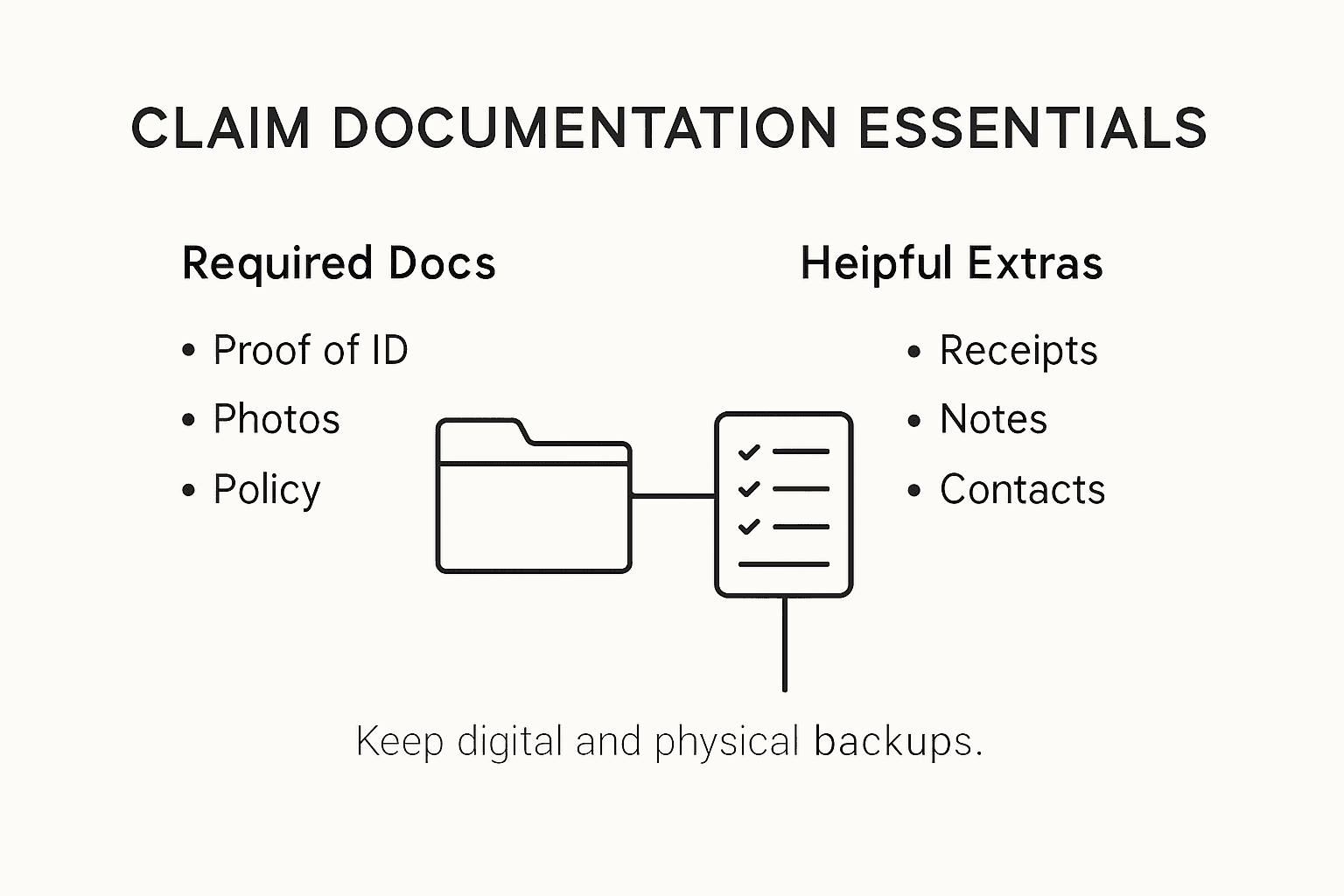
Organization is key when assembling claim documentation. Maintaining a detailed records notebook with claim numbers, adjuster contact information, and a chronological log of all communications can significantly streamline the recovery process. This approach ensures you have a comprehensive record of your interactions, making it easier to track the progress of your claim and quickly respond to any additional information requests from insurance providers or government agencies.
For quick reference, here’s a breakdown of essential claim documentation and its importance:
| Document Type | Purpose | Where to Obtain | Why It’s Required |
|---|---|---|---|
| Proof of Identity | Verify claimant’s identity | Government office | Prevents fraudulent claims |
| Insurance Policy | Confirms coverage details | Insurance provider | Ensures eligibility and limits |
| Damage Photos/Videos | Visual evidence of losses | Personal documentation | Supports scope and extent of loss |
| Income Verification | Validates financial situation | Employer or tax authority | Determines assistance eligibility |
Pro tip: Create digital backups of all critical documents by scanning or photographing them, then store these files in a secure cloud service and on a portable external hard drive to protect against potential future loss.
Policyholder Rights, Timelines, and Settlement Options
Disaster victims have specific legal protections and rights designed to support their recovery journey. FEMA outlines clear guidelines for policyholders navigating the complex landscape of disaster claims, ensuring transparent processes and multiple avenues for financial support and dispute resolution.
The claim timeline is a critical aspect of policyholder rights. After a disaster, individuals can expect structured deadlines for filing applications, receiving initial assessments, and pursuing appeals if their original claim is denied. Settlement options are diverse, ranging from financial grants and home repair loans to mortgage assistance and unemployment benefits specifically tied to disaster impacts. These support mechanisms are designed to provide comprehensive relief, addressing immediate housing needs and long-term financial recovery.
Policyholders should understand their rights to appeal and dispute claim decisions. Government assistance programs provide structured timelines for filing claims and pursuing alternative resolution strategies, empowering disaster victims to advocate for fair treatment. This includes the right to submit additional documentation, request reconsideration of initial decisions, and seek legal remedies when necessary. Understanding these rights can significantly improve an individual’s ability to navigate the complex aftermath of a catastrophic event.
Pro tip: Create a dedicated file folder with a timeline tracker, documenting every communication, submission date, and response from insurance and government agencies to maintain a clear record of your claim’s progression.
Common Challenges and Mistakes to Avoid
Disaster victims face numerous potential pitfalls when navigating catastrophe claims that can significantly impact their recovery process. Claim processing challenges often emerge from complex documentation requirements and infrastructure disruptions, making it critical to understand and proactively address potential obstacles.
One of the most significant challenges is meeting strict documentation and reporting deadlines. Many policyholders underestimate the importance of thorough record-keeping, potentially compromising their claim’s success. Common mistakes include failing to document damage comprehensively, submitting incomplete information, or missing critical application windows. Insurers and government agencies require precise, detailed evidence of losses, including photographic documentation, repair estimates, and comprehensive property inventories.
Government assistance programs highlight the importance of understanding eligibility criteria and claim submission protocols, which can be complex and vary depending on the specific disaster type. Potential pitfalls include misinterpreting application requirements, not knowing appeal rights, or failing to follow up persistently on claim status. Policyholders must be proactive, maintaining clear communication with insurance carriers and government agencies, and keeping meticulous records of all interactions and submissions.
Pro tip: Create a dedicated digital and physical communication log that tracks every claim-related interaction, including dates, names of representatives spoken with, and summaries of discussions, to protect yourself against potential miscommunications or lost information.
Get the Support You Need for Your Catastrophe Claim Today
Filing a catastrophe claim can feel overwhelming when disaster strikes. We understand the challenges you face like documenting damage, meeting deadlines, and coordinating with insurance and government agencies. If you are navigating the complex process of disaster recovery and need immediate assistance with emergency housing or claim support, DisasterVictimServices.com is here to help. Our team works closely with insurance carriers, first responders, and specialists to make your recovery smoother and more efficient.
Explore helpful insights and find practical resources on our Uncategorized – Disaster Victim Services | Helping You Recover After Disaster page where we share tips and guidance tailored for disaster victims. Ready to take the next step toward rebuilding your life after a catastrophe The experts at Disaster Victim Services stand ready to provide 24/7 support with housing coordination and claims navigation. Visit our Project Design – Disaster Victim Services | Helping You Recover After Disaster section to learn how our collaborative approach can make a difference in your recovery journey. Don’t wait contact us now and gain the expert support you deserve.
Frequently Asked Questions
What is a catastrophe claim?
A catastrophe claim is an insurance recovery process involving severe disasters that cause significant property damage across regions, such as hurricanes, floods, or wildfires.
Who qualifies for a catastrophe claim?
Individuals must reside in an area federally declared as a disaster zone by presidential order and experience property damage exceeding specific thresholds due to qualifying disasters.
What documents are needed to file a catastrophe claim?
Essential documents include proof of identity, insurance policy information, photographic evidence of damage, and income verification documents to validate your claim.
How can I streamline the catastrophe claim process?
To streamline the process, organize all documentation in a dedicated folder, maintain a log of communications, and act quickly to file your claim and provide necessary evidence.
Recommended
- Disaster Claims Explained: Why They Matter Most – Disaster Victim Services | Helping You Recover After Disaster
- How Insurance Covers Disasters – Essential Recovery Facts – Disaster Victim Services | Helping You Recover After Disaster
- Navigating Disaster Relief Process for Faster Recovery – Disaster Victim Services | Helping You Recover After Disaster
- 7 Key Types of Disaster Aid Every Family Should Know – Disaster Victim Services | Helping You Recover After Disaster