
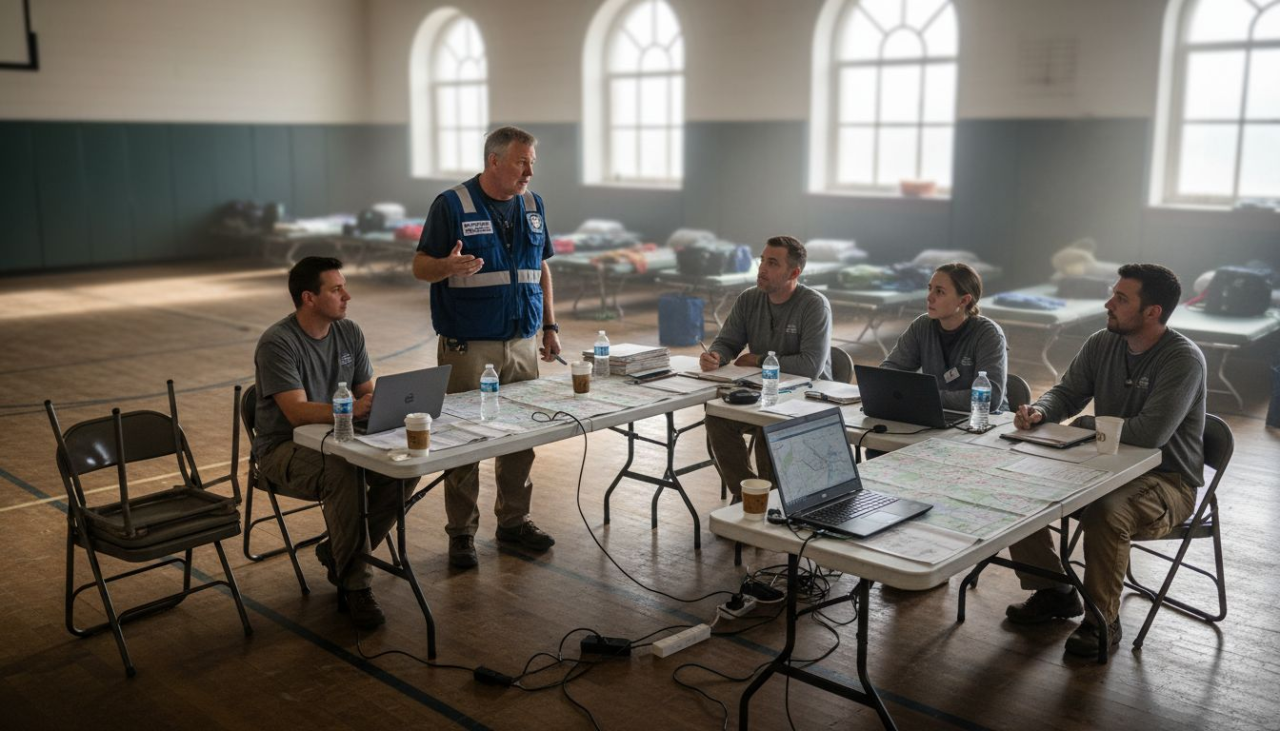
Most American disaster response efforts face serious delays when critical needs assessments miss the mark. When families are displaced, understanding exactly what communities require goes far deeper than counting beds or tallying supplies. For coordinators navigating complex emergencies, getting this information right is the foundation for smarter housing placements. This guide unpacks practical assessment strategies, legal essentials, and proven collaboration methods designed to help American emergency response teams deliver the right housing solutions faster.
Table of Contents
- Defining Critical Needs Assessment In Disasters
- Core Types And Assessment Methods Used
- Key Steps In The Assessment Process
- Legal And Policy Requirements In The U.S.
- Collaboration, Communication, And Pitfalls To Avoid
Key Takeaways
| Point | Details |
|---|---|
| Critical Needs Assessments | A systematic approach to understand and prioritize the urgent requirements of disaster-affected populations is essential for effective emergency response. |
| Mixed-Methods Approach | Utilizing both quantitative surveys and qualitative interviews improves the depth of understanding community needs and enhances intervention strategies. |
| Legal Compliance | Adhering to fair housing laws and accessibility standards is crucial to ensure equitable support for vulnerable populations during disaster recovery. |
| Collaboration is Key | Strong coordination and communication among stakeholders are vital for successful emergency housing responses, helping to overcome potential barriers and improve resource allocation. |
Defining Critical Needs Assessment in Disasters
A critical needs assessment represents a systematic process emergency response coordinators use to comprehensively understand and prioritize specific requirements for populations impacted by disasters. These assessments go far beyond simple inventory checks, serving as strategic frameworks that help agencies rapidly identify and address the most urgent humanitarian challenges facing displaced individuals and communities.
The National Center for Disaster Preparedness offers a comprehensive model that emphasizes analyzing complex vulnerabilities through multiple interconnected dimensions. This approach recognizes that disaster response is not just about immediate physical resources, but understanding deeper social determinants that impact recovery. Key assessment dimensions typically include infrastructure capacity, community resilience, demographic characteristics, existing support systems, and potential long-term disruptions that could prevent effective emergency housing placement.
Needs assessment surveys provide structured methods for gathering targeted information directly from affected populations. As research indicates, these surveys are characterized by preset questions, predetermined sampling strategies, and formal data collection techniques like structured interviews or standardized questionnaires. The primary goal is identifying specific community-level challenges rather than individual concerns, which allows emergency response teams to develop precise, scalable interventions for housing and support services.
Professional Tip: Always conduct needs assessments using mixed-method approaches that combine quantitative surveys with qualitative community listening sessions to capture nuanced insights about emergency housing requirements.
Core Types and Assessment Methods Used
Emergency response teams utilize multiple assessment methods to gather comprehensive insights into disaster-affected communities’ housing and support needs. These methods are strategically designed to capture nuanced information through diverse data collection approaches that provide a holistic understanding of community vulnerabilities and resource requirements.
Community needs assessments employ a range of systematic data collection techniques that include structured approaches such as:
- Surveys: Standardized questionnaires capturing demographic and socioeconomic data
- Interviews: One-on-one conversations with community leaders and affected individuals
- Focus Groups: Structured group discussions exploring collective community experiences
- Public Forums: Open meetings allowing direct community input and feedback
- Public Record Analysis: Examining existing documentation to identify systemic challenges
Each assessment method offers unique advantages in understanding emergency housing needs. Surveys provide quantitative data about population characteristics, while interviews and focus groups reveal deeper qualitative insights into community dynamics, cultural considerations, and specific challenges faced during displacement. The strategic combination of these methods ensures a comprehensive, multi-dimensional understanding of community requirements.
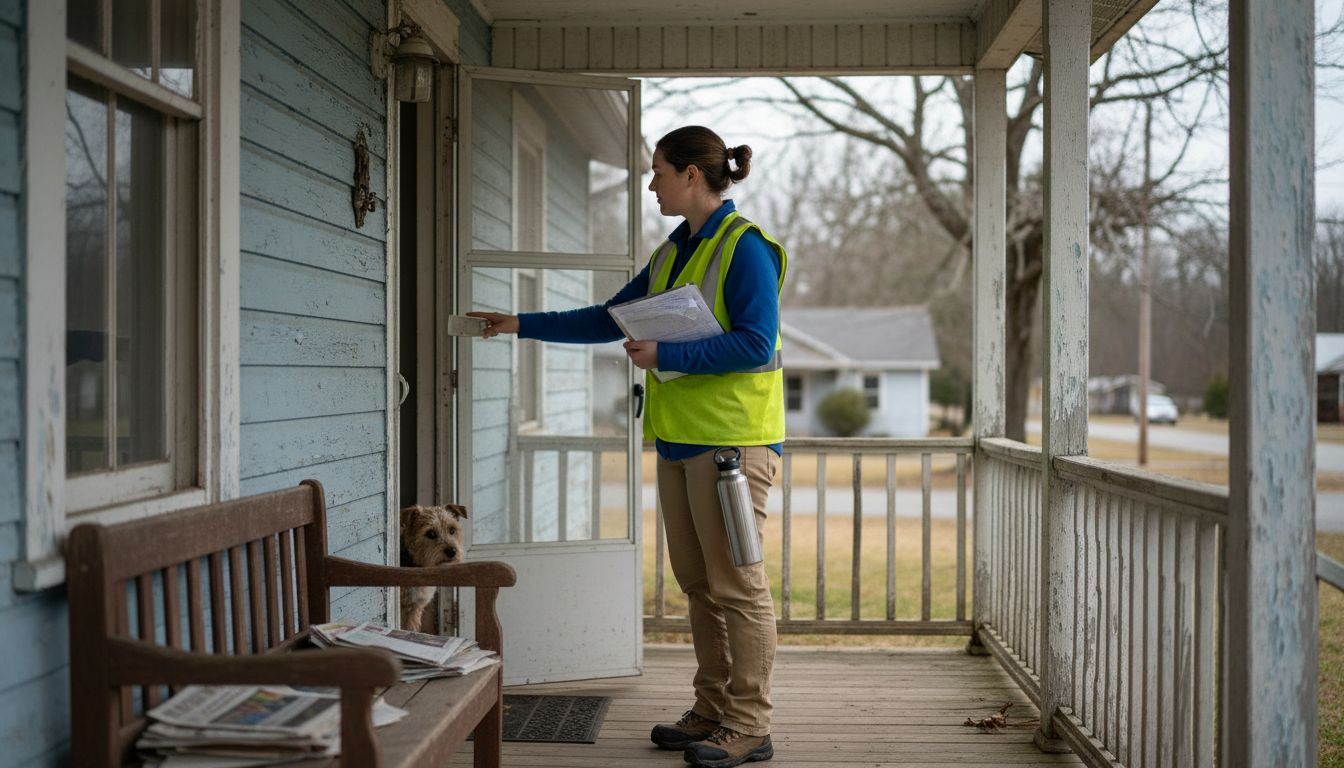
The selection of assessment methods depends on multiple factors including available resources, time constraints, community accessibility, and the specific disaster context. Emergency response coordinators must carefully design assessment strategies that balance rigorous data collection with sensitivity to the traumatic experiences of displaced populations.
Professional Tip: Develop a flexible, mixed-method assessment framework that can be quickly adapted to different disaster scenarios while maintaining consistent data collection standards.
Here’s a summary highlighting how different assessment methods contribute unique insights for emergency housing needs:
| Assessment Method | Primary Data Type | Unique Contribution |
|---|---|---|
| Surveys | Quantitative | Identify broad population trends |
| Interviews | Qualitative | Reveal individual experiences and barriers |
| Focus Groups | Qualitative | Surface collective norms and needs |
| Public Forums | Mixed | Capture open community feedback |
| Public Record Analysis | Quantitative | Uncover systemic gaps in existing resources |
Key Steps in the Assessment Process
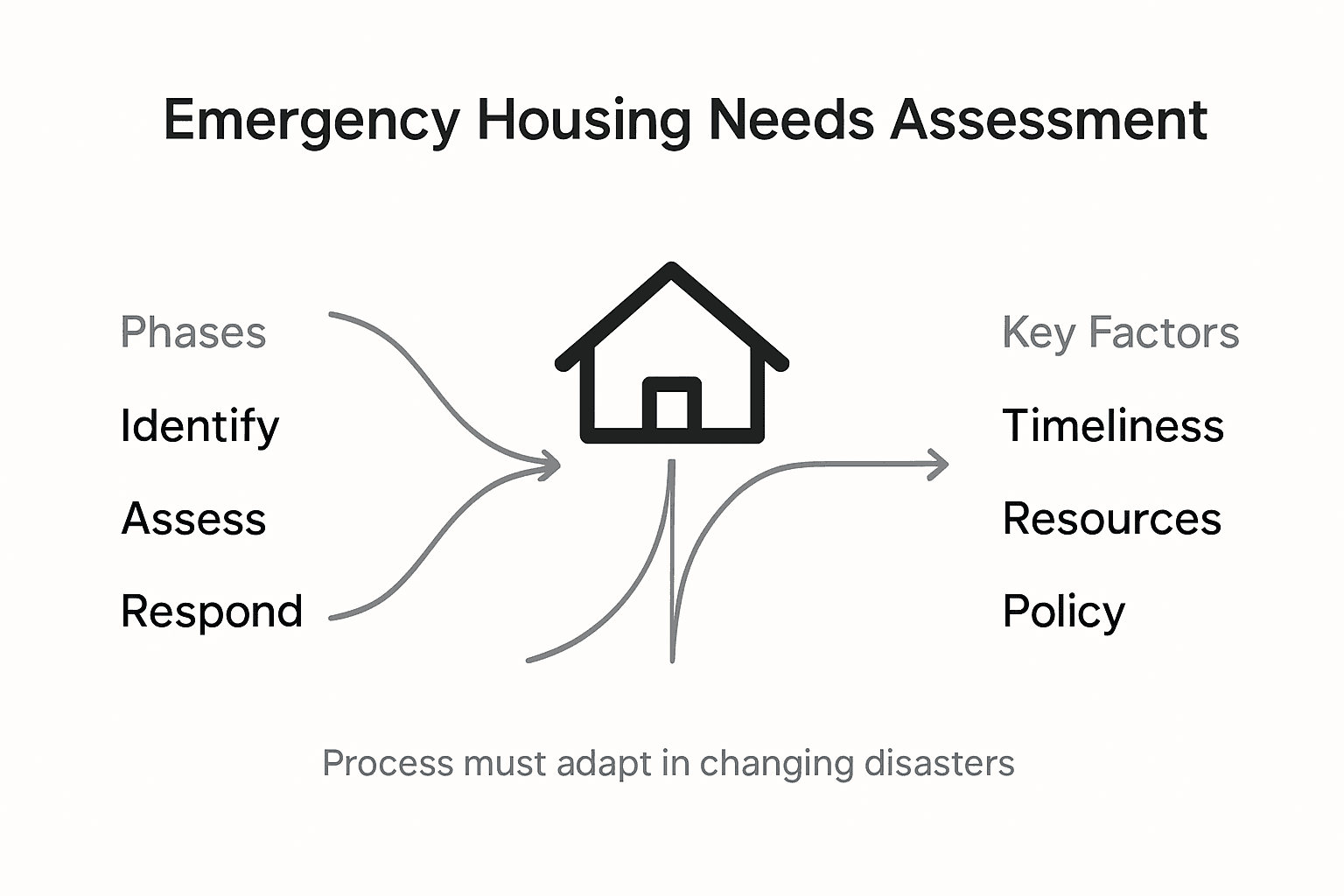
Critical needs assessments for emergency housing follow a structured, systematic approach that enables emergency response coordinators to methodically understand and address community displacement challenges. The comprehensive needs assessment process typically involves three interconnected phases designed to ensure thorough and effective data collection and analysis.
These phases include:
- Pre-Assessment Phase
- Defining the specific assessment purpose
- Identifying key stakeholders
- Establishing preliminary research objectives
- Creating initial data collection strategies
- Assessment Phase
- Developing targeted data collection instruments
- Conducting surveys and interviews
- Gathering quantitative and qualitative information
- Analyzing collected data for meaningful insights
- Post-Assessment Phase
- Prioritizing identified community needs
- Communicating assessment findings
- Developing strategic housing intervention plans
- Evaluating assessment effectiveness
Successful needs assessments require meticulous planning and a nuanced approach to data collection. Emergency response teams must balance rigorous methodological standards with sensitive engagement of displaced populations. This means creating assessment tools that capture both statistical information and the human experiences underlying community housing challenges.
The ultimate goal of these assessments is to transform raw data into actionable strategies that can rapidly and effectively address emergency housing requirements. By systematically analyzing community vulnerabilities, resource gaps, and specific displacement impacts, response coordinators can develop targeted interventions that provide meaningful support.
Professional Tip: Design flexible assessment protocols that can be quickly adapted to different disaster scenarios while maintaining consistent data quality and ethical research standards.
Legal and Policy Requirements in the U.S.
Emergency housing legal frameworks in the United States represent a complex network of federal, state, and local regulations designed to protect displaced individuals and ensure coordinated disaster response. Federal agencies like FEMA and HUD establish comprehensive policy guidelines that govern emergency housing assistance, addressing critical aspects of shelter provision and support for vulnerable populations.
The legal requirements for emergency housing encompass several key dimensions:
-
Fair Housing Compliance
-
Preventing discrimination based on race, color, national origin, religion, sex, familial status, and disability
-
Ensuring equal access to emergency housing resources
-
Protecting vulnerable population rights
-
Accessibility Standards
-
Mandating accommodations for individuals with disabilities
-
Ensuring physical accessibility of emergency housing facilities
-
Providing necessary support services for special needs populations
-
Eligibility Criteria
-
Defining specific qualifications for emergency housing assistance
-
Establishing documentation requirements
-
Creating transparent selection processes
-
Ensuring equitable resource allocation
Federal emergency housing policies require intricate coordination among multiple government agencies, including FEMA, HUD, state emergency management offices, and local community organizations. This multi-agency approach ensures comprehensive support that addresses not just immediate shelter needs, but also long-term recovery and stabilization for disaster-affected populations.
The legal framework continuously evolves to address emerging challenges, incorporating lessons learned from recent disasters and changing demographic needs. Emergency response coordinators must remain adaptable, understanding that policy interpretations can shift rapidly in response to unique disaster scenarios and emerging humanitarian requirements.
Professional Tip: Develop a comprehensive checklist of current legal requirements and maintain regular communication with federal and state housing authorities to stay updated on policy changes.
The following table compares common legal and policy considerations for emergency housing in the U.S.:
| Legal Aspect | Purpose | Example Impact |
|---|---|---|
| Fair Housing | Ensure non-discrimination | Equal shelter access for all |
| Accessibility | Guarantee physical and service access | Accommodate persons with disabilities |
| Eligibility Criteria | Define who receives assistance | Transparent support distribution |
Collaboration, Communication, and Pitfalls to Avoid
Emergency housing response demands intricate coordination among multiple stakeholders, requiring sophisticated communication strategies and proactive collaboration techniques. Effective collaboration ranges from basic networking to comprehensive resource sharing and integrated decision-making processes, presenting both significant opportunities and complex challenges for emergency response teams.
Key collaboration challenges include:
-
Communication Barriers
-
Inconsistent terminology across agencies
-
Fragmented information sharing systems
-
Misaligned technological platforms
-
Varied organizational communication protocols
-
Organizational Dynamics
-
Competing institutional priorities
-
Unclear role definitions
-
Limited trust between agencies
-
Resource allocation conflicts
-
Coordination Obstacles
-
Redundant service delivery
-
Information silos
-
Inefficient resource management
-
Delayed response times
-
Inconsistent support standards
Successful emergency housing collaboration requires establishing robust communication frameworks that prioritize transparency, mutual respect, and shared objectives. Emergency response coordinators must develop adaptive strategies that allow flexible information exchange while maintaining structured accountability mechanisms.
Implementing comprehensive collaboration protocols involves creating standardized communication channels, developing cross-agency training programs, and establishing clear escalation and decision-making processes. These strategies help mitigate potential conflicts and ensure a unified, efficient approach to addressing emergency housing needs across different organizational boundaries.
Professional Tip: Develop a centralized communication platform that enables real-time information sharing and tracks collaborative efforts across multiple emergency response agencies.
Bridging Critical Needs Assessment Insights with Effective Emergency Housing Support
Understanding the complexities of a critical needs assessment is essential in delivering timely and tailored emergency housing solutions. This article highlights challenges such as prioritizing displaced populations’ urgent needs and navigating legal and collaboration hurdles. At DisasterVictimServices.com, we recognize these pain points and specialize in connecting disaster victims with immediate housing and support through a coordinated, multi-agency approach that reflects the assessment’s core principles.
If you are facing the overwhelming aftermath of displacement, trust our experienced team to guide you from assessment insights to real-world solutions. Discover how our proven methods align with the structured phases of assessment and legal considerations by exploring resources in our Uncategorized – Disaster Victim Services | Helping You Recover After Disaster section. Take control of your recovery today by visiting DisasterVictimServices.com to access compassionate, efficient emergency housing assistance tailored to your specific situation.
Frequently Asked Questions
What is a critical needs assessment in emergency housing?
A critical needs assessment is a systematic process used by emergency response coordinators to identify and prioritize specific requirements for populations affected by disasters, focusing on both immediate and long-term housing needs.
What methods are used to conduct needs assessments for emergency housing?
Emergency response teams utilize various methods such as surveys, interviews, focus groups, public forums, and public record analysis to gather comprehensive insights into housing and support needs in disaster-affected communities.
What are the key steps involved in a critical needs assessment process?
The critical needs assessment process typically involves three interconnected phases: the pre-assessment phase (defining objectives and strategies), the assessment phase (data collection and analysis), and the post-assessment phase (prioritizing needs and developing intervention plans).
What legal and policy considerations are important for emergency housing?
Legal and policy considerations for emergency housing include fair housing compliance, accessibility standards, and eligibility criteria. These ensure non-discrimination, physical accessibility, and clear qualification requirements for housing assistance.
Recommended
- Understanding the Emergency Housing Process for Families – Disaster Victim Services | Helping You Recover After Disaster
- Complete Guide to Emergency Housing Solutions USA – Disaster Victim Services | Helping You Recover After Disaster
- How to Assess Housing Capacity for Disaster Response – Disaster Victim Services | Helping You Recover After Disaster
- Understanding Housing Capacity Assessment for Displaced Families – Disaster Victim Services | Helping You Recover After Disaster