
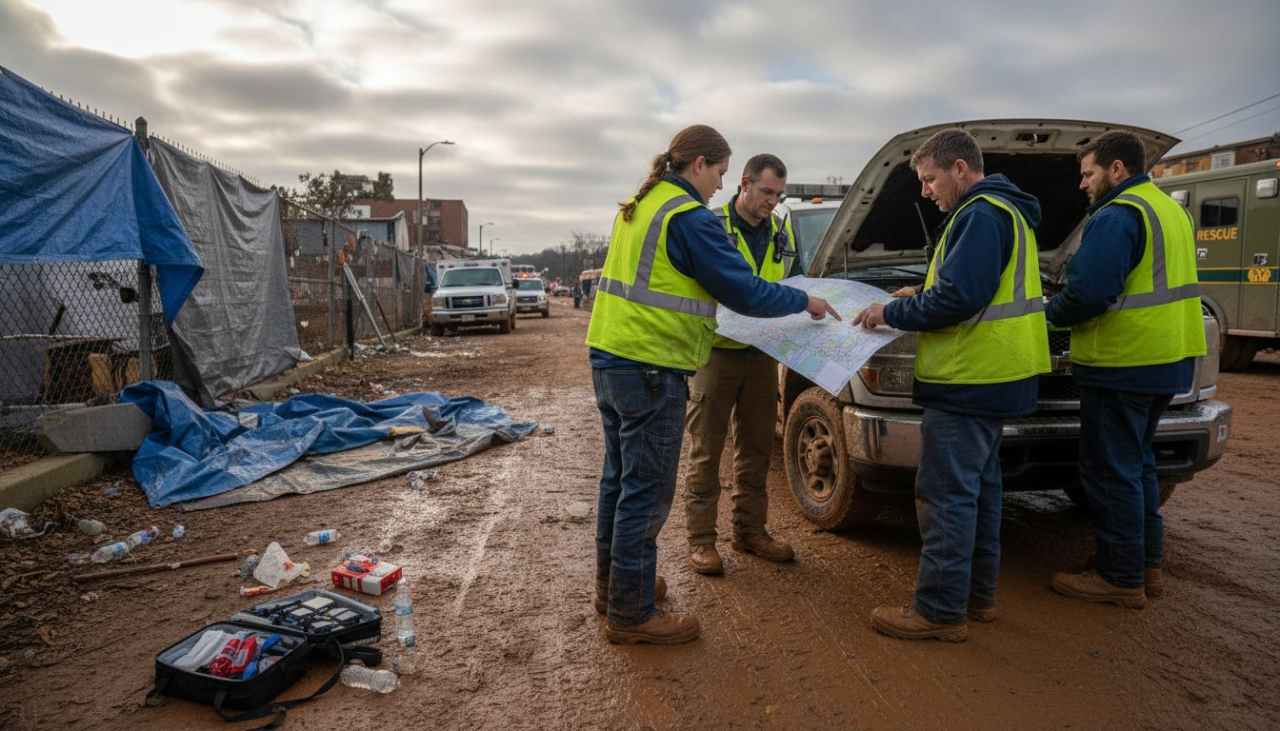
When disaster strikes, more than 40 percent of American families struggle to secure immediate shelter and navigate complex recovery systems. For many, the challenge goes beyond finding a safe place to stay—it involves insurance headaches, paperwork delays, and the stress of coordinating help while coping with trauma. Understanding what true compassionate response looks like can help families find support that restores hope, protects dignity, and makes the long road to recovery less overwhelming.
Table of Contents
- Compassionate Response Defined and Debunked
- Core Qualities and Key Elements in Action
- Types of Compassion in Disaster Recovery
- How Compassionate Response Helps Families
- Common Pitfalls and How to Overcome Them
Key Takeaways
| Point | Details |
|---|---|
| Comprehensive Approach | Compassionate response combines emotional support with structured community engagement for effective disaster relief. |
| Importance of Local Involvement | Local volunteers often provide culturally sensitive and immediate assistance significantly enhancing relief efforts. |
| Focus on Mental Health | Understanding and addressing the psychological challenges faced by both responders and victims is crucial for effective recovery. |
| Collaboration Across Sectors | Multi-organization cooperation expands resources and support, increasing the impact of recovery strategies. |
Compassionate Response Defined and Debunked
Compassionate response in disaster relief transcends simple emotional sympathy – it represents a strategic, coordinated approach to addressing human suffering during catastrophic events. More than just feeling bad for those impacted, compassionate response involves active community engagement and systematic support designed to restore dignity, provide immediate assistance, and facilitate long-term recovery.
At its core, compassionate response requires understanding the complex needs of disaster victims. Community resilience emerges through coordinated efforts that access human, social, political, and economic capital, ensuring vulnerable populations receive targeted support. This means not just providing physical resources, but creating recovery networks that address mental health, economic stability, and social reconnection for those who have experienced significant trauma.
Contrary to popular misconception, compassionate response is not solely the responsibility of professional emergency agencies. Local community members play a critical role as first responders, offering immediate aid and comfort. Research demonstrates that volunteers and residents who understand local contexts can often provide more nuanced, culturally sensitive support than outside organizations. Community approaches to disaster preparedness involve coordinated volunteer efforts that address both physical and psychological needs, challenging the notion that professional responders are the only effective support system.
Here’s how local volunteer response compares to professional agency intervention in disaster relief:
| Aspect | Local Volunteers | Professional Agencies |
|---|---|---|
| Knowledge of community | Deep local context awareness | Generalized protocols |
| Speed of response | Immediate, on-site assistance | Mobilization may be delayed |
| Cultural sensitivity | High, tailored support | Varies; may lack local insights |
| Resource access | Limited material resources | Greater supplies, equipment |
| Flexibility | Highly adaptive to needs | May operate with set procedures |
Pro Tip: Develop an emergency contact network with neighbors and local community groups to create a localized compassionate response system before disaster strikes.
Core Qualities and Key Elements in Action
Compassionate response requires a sophisticated framework of strategic qualities that transform emotional concern into meaningful action during disaster recovery. These core elements go far beyond simple sympathy, demanding a comprehensive approach that integrates social, psychological, and practical support mechanisms designed to restore community functionality and individual dignity.
Building community resilience involves systematic development of social capital and strategic leadership networks, which means creating collaborative structures that can rapidly mobilize resources. This approach focuses on identifying and supporting vulnerable populations through integrated healthcare and social service pathways, ensuring that recovery efforts are targeted, efficient, and holistic.
Key qualities of effective compassionate response include active engagement, sustained commitment, and the ability to create meaningful awareness that motivates collective action. Compassionate communities demonstrate these traits by fostering social cohesion and developing support systems that extend beyond immediate crisis intervention. These qualities manifest through cross-sector collaboration, where local government, nonprofit organizations, healthcare providers, and community volunteers work together to create comprehensive recovery strategies.
This table provides a summary of core qualities and their impact on disaster recovery effectiveness:
| Quality | Description | Impact on Recovery |
|---|---|---|
| Active Engagement | Proactive community involvement | Accelerates critical assistance |
| Sustained Commitment | Ongoing support for recovery | Strengthens long-term resiliency |
| Cross-sector Collaboration | Multi-organization teamwork | Expands support network reach |
| Targeted Assistance | Focus on vulnerable groups | Reduces risk and enhances outcomes |
Pro Tip: Develop a multi-agency communication protocol that clearly defines roles and establishes rapid response mechanisms before a disaster occurs.
Types of Compassion in Disaster Recovery
Compassion in disaster recovery is a complex, multifaceted experience that extends far beyond simple emotional responses. Disaster responders and support professionals navigate a nuanced landscape of emotional and psychological challenges that manifest in distinct types of compassionate engagement, each with profound implications for both helpers and survivors.
Compassion satisfaction and compassion fatigue represent two critical psychological states experienced by disaster relief workers. Compassion satisfaction emerges as a positive psychological reward, where helpers feel genuine fulfillment from supporting those in crisis. Conversely, compassion fatigue represents the emotional and psychological exhaustion that can develop from prolonged exposure to traumatic experiences, potentially undermining a responder’s ability to provide effective support.
Secondary traumatic stress represents another critical dimension of compassionate response among disaster relief professionals. This phenomenon occurs when helpers internalize the traumatic experiences of survivors, leading to emotional and psychological burnout. Understanding these different types of compassion is crucial for developing targeted support strategies that protect the mental health of those providing critical disaster recovery services, ensuring they can maintain resilience and continue offering high-quality, empathetic assistance.
Pro Tip: Implement regular psychological debriefing and self-care protocols for disaster response teams to prevent compassion fatigue and maintain emotional resilience.
How Compassionate Response Helps Families
Disaster recovery is an intensely personal journey that challenges families at their most vulnerable moments. Compassionate response goes beyond immediate physical assistance, creating a holistic support system that addresses the complex emotional, psychological, and practical needs families face during and after catastrophic events.
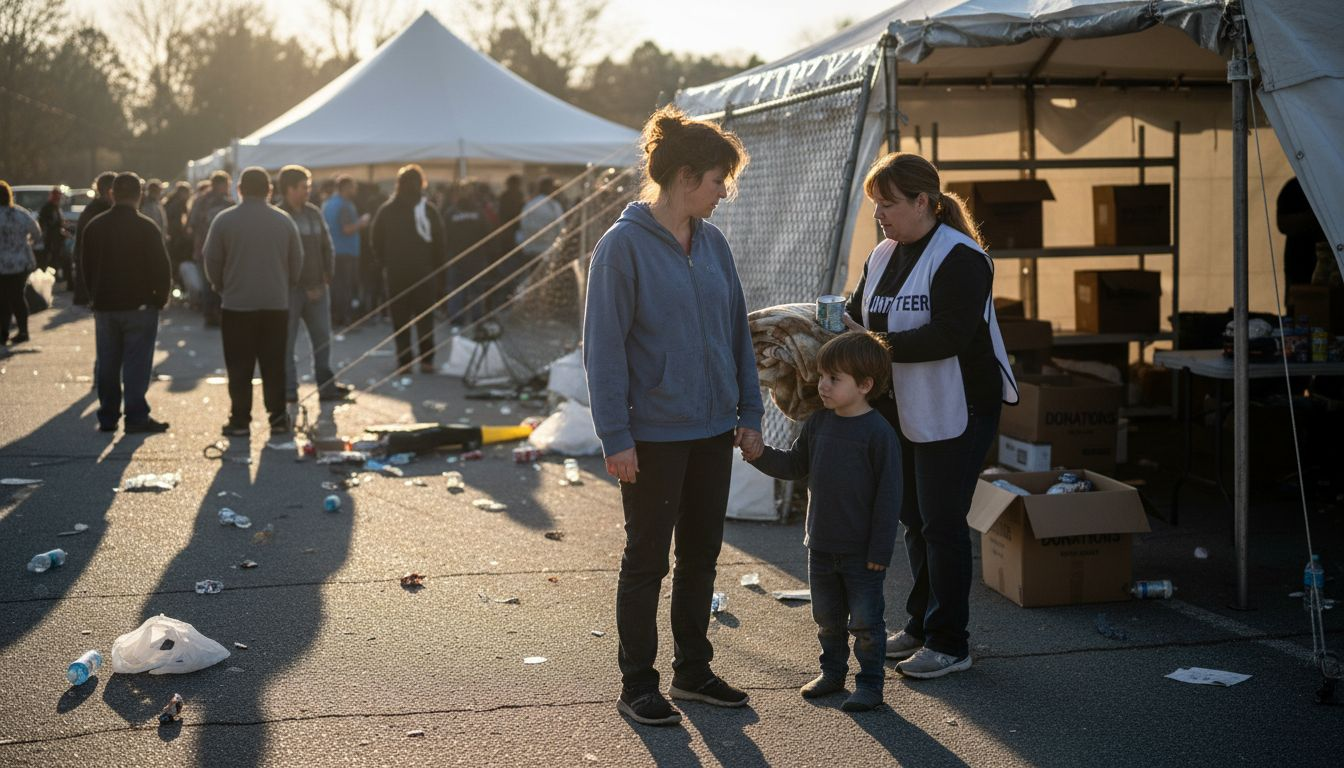
Compassionate response supports families by enhancing critical access to healthcare, social services, and education, with a special focus on protecting vulnerable groups like children and elderly family members. This approach recognizes that family recovery is not just about rebuilding structures, but about restoring hope, stability, and a sense of security. By coordinating community resources and creating targeted support networks, compassionate response helps families navigate the challenging landscape of disaster recovery with dignity and resilience.
Local volunteers and community residents play a crucial role as the first line of support, providing direct care and comfort that reduces both physical health problems and mental stress. These grassroots efforts create immediate support networks that sustain family cohesion, helping families feel less isolated and more empowered during their recovery process. By prioritizing human connection and personalized support, compassionate response transforms a potentially traumatic experience into an opportunity for community healing and collective strength.
Pro Tip: Create a family emergency communication plan that includes local support network contacts and emergency resource information to build resilience before disaster strikes.
Common Pitfalls and How to Overcome Them
Compassionate disaster response is a complex ecosystem fraught with potential challenges that can undermine even the most well-intentioned relief efforts. Understanding these potential pitfalls is crucial for developing more effective, resilient support strategies that truly meet the needs of disaster-affected communities.
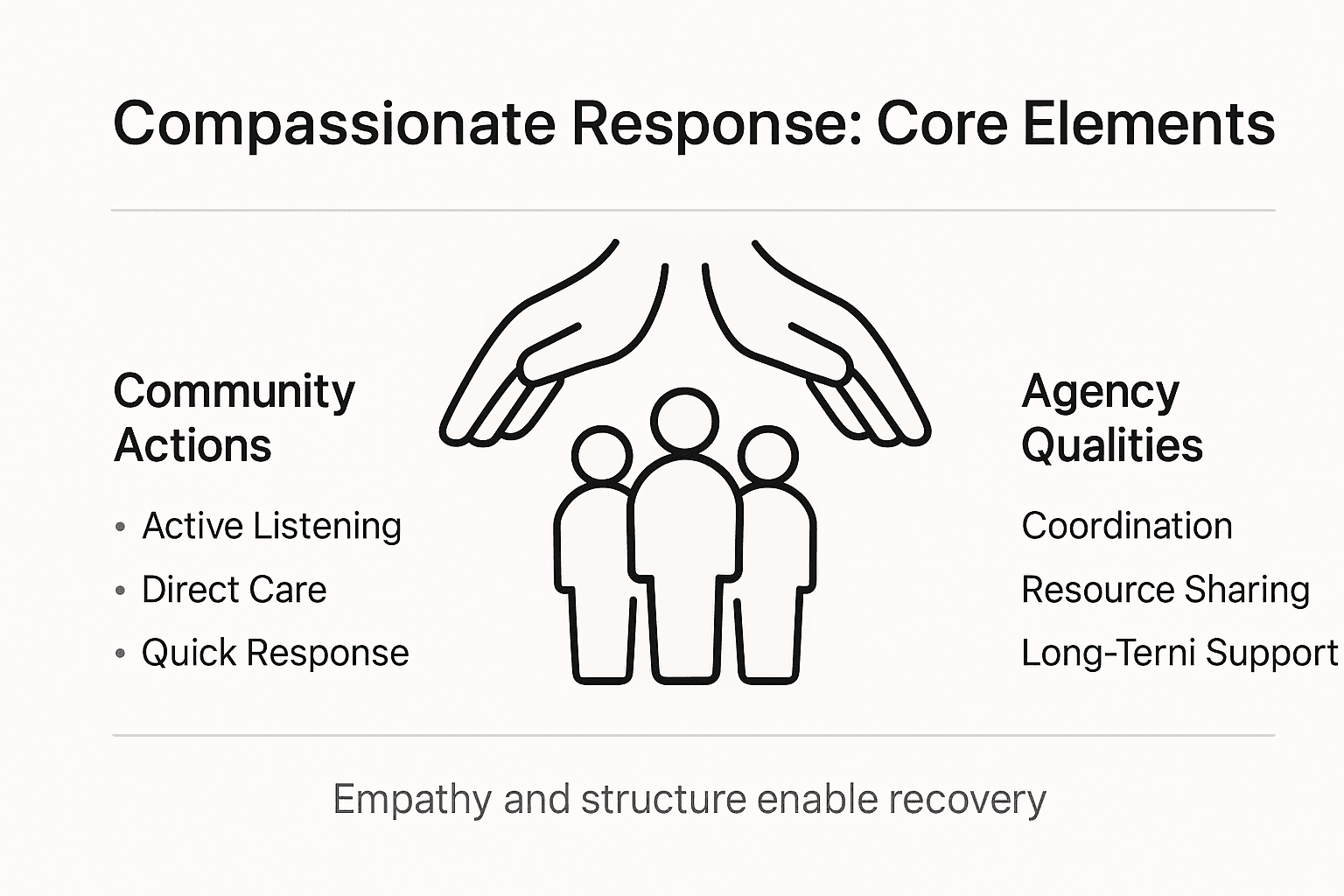
Cooperation between civilian and military actors represents one of the most significant challenges in disaster response, with differing organizational cultures often creating tensions and operational inefficiencies. These friction points can emerge from misaligned communication protocols, conflicting strategic objectives, and fundamental differences in organizational approach. Overcoming these challenges requires establishing clear, mutually agreed-upon guidelines that respect the unique capabilities of both civilian and military organizations while maintaining the humanitarian focus of relief efforts.
Disaster relief efforts frequently encounter systemic pitfalls such as fragmented coordination across agencies, insufficient attention to vulnerable populations, and inadequate preparedness. These challenges can significantly compromise the effectiveness of compassionate response, creating gaps in support that leave the most marginalized communities at even greater risk. Addressing these issues demands a comprehensive approach that includes enhanced system readiness, robust community engagement strategies, continuous professional training, and the implementation of data-driven methodologies to ensure equitable and targeted assistance.
Pro Tip: Develop multi-agency communication protocols and conduct joint training exercises to build mutual understanding and smooth coordination between different relief organizations.
Empower Your Compassionate Response with Trusted Support
When disaster strikes, responding with compassion means addressing urgent needs while ensuring long-term resilience for affected families and communities. The article highlights the challenge of transforming emotional sympathy into strategic action through active engagement, sustained commitment, and targeted assistance. At DisasterVictimServices.com, we understand how vital it is to connect displaced individuals with immediate emergency housing solutions and streamline recovery processes involving insurance carriers, government agencies, and first responders.
Our dedicated team works alongside local volunteers and professional agencies to provide around-the-clock support so families can regain stability and dignity after crisis. To build on the principles of compassionate response discussed in the article, explore our resources and case studies in the Developing category. Take advantage of expert guidance today by visiting DisasterVictimServices.com and learn how a collaborative approach makes a measurable difference.
Don’t wait until disaster catches you unprepared. Discover practical steps to protect your family and community by reading more insights in our Uncategorized section. Begin your journey toward compassionate, effective disaster recovery support now.
Frequently Asked Questions
What is a compassionate response in disaster relief?
A compassionate response in disaster relief refers to a strategic and coordinated approach that goes beyond emotional sympathy, focusing on actively addressing the needs of disaster victims through community engagement and systematic support.
How do local volunteers contribute to disaster relief?
Local volunteers play a critical role in disaster relief by providing immediate, on-site assistance with deep knowledge of the community, often offering more culturally sensitive support than professional agencies.
What are the core qualities of an effective compassionate response?
Key qualities of an effective compassionate response include active engagement, sustained commitment, and cross-sector collaboration, all of which enhance recovery efforts and support vulnerable populations.
How does compassionate response help families during recovery?
Compassionate response aids families by enhancing access to healthcare, social services, and education, thereby restoring stability and dignity during the challenging journey of disaster recovery.
Recommended
- Compassionate Disaster Response – Why It Matters Most – Disaster Victim Services | Helping You Recover After Disaster
- Role of Collaboration in Disaster Response Impact – Disaster Victim Services | Helping You Recover After Disaster
- Why Timely Response Matters After Disaster Strikes – Disaster Victim Services | Helping You Recover After Disaster
- How to Deploy Aid: Effective Strategies for Disaster Response 2025 – Disaster Victim Services | Helping You Recover After Disaster