
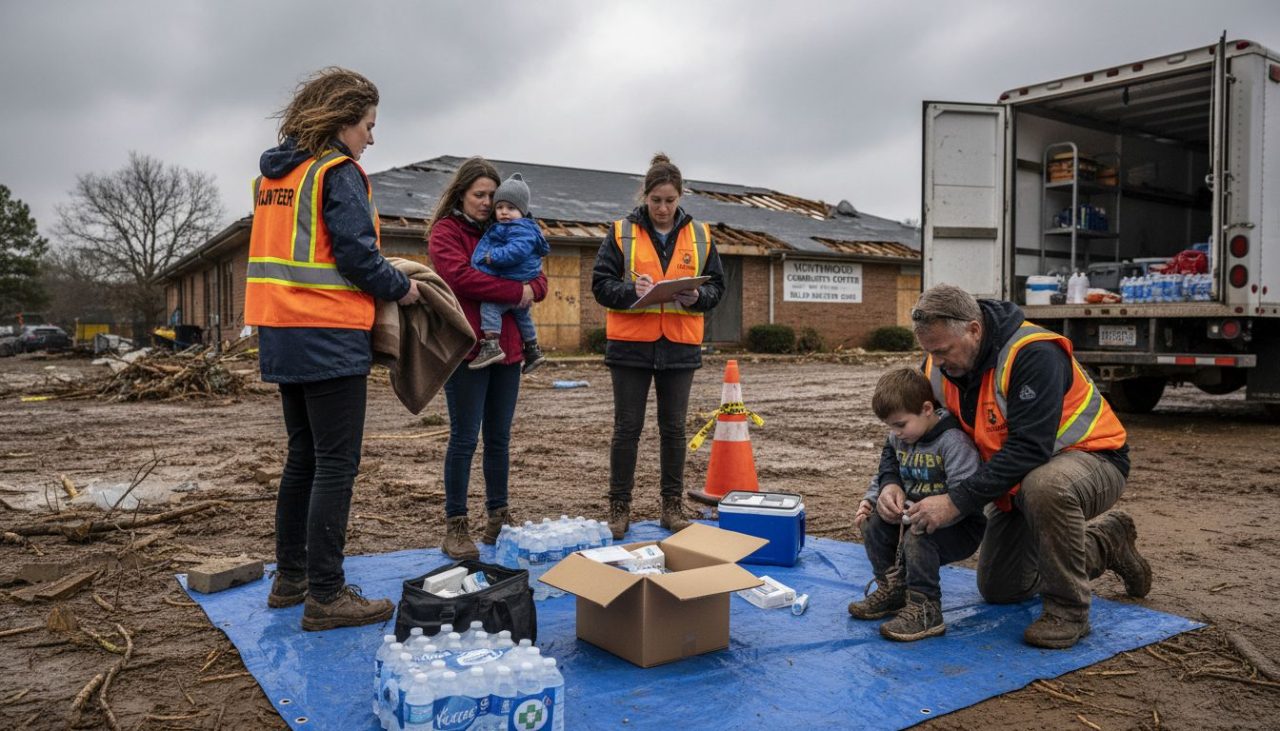
More than one in three American families impacted by disasters report lasting emotional distress far beyond the initial crisis. When disaster strikes, the focus often falls on urgent physical needs, but the psychological toll can be just as profound. Understanding what compassionate disaster response truly means equips individuals and communities to recover not only their homes but also their sense of security and hope.
Table of Contents
- Defining Compassionate Disaster Response
- Trauma-Informed Care In Disasters
- Roles Of Agencies And Support Services
- Collaborative Recovery And Multi-Agency Coordination
- Common Pitfalls And Legal Considerations
Key Takeaways
| Point | Details |
|---|---|
| Compassionate Disaster Response | This approach emphasizes human dignity, psychological well-being, and comprehensive support, recognizing that emotional healing is critical during crises. |
| Trauma-Informed Care | By focusing on the unique psychological impacts of trauma, this framework enhances survivor support through safe environments and empowering strategies. |
| Multi-Agency Coordination | Effective disaster response relies on collaboration among various agencies, ensuring a seamless integration of resources and expertise to meet survivor needs. |
| Legal Considerations | Organizations must navigate complex legal landscapes while upholding survivor rights, balancing regulatory compliance with compassionate support. |
Defining Compassionate Disaster Response
Compassionate disaster response represents a holistic approach to emergency management that prioritizes human dignity, psychological well-being, and comprehensive support during crisis situations. More than simply providing physical resources, it recognizes the profound emotional and mental challenges individuals experience when confronting sudden, traumatic disruptions to their lives. Compassionate disaster response centers on understanding human vulnerability and designing interventions that address both immediate survival needs and long-term psychological recovery.
At its core, compassionate disaster response integrates psychological first aid and crisis intervention strategies to support individuals experiencing extreme stress and potential trauma. This approach goes beyond traditional emergency management by acknowledging that disasters create complex emotional landscapes where survivors need more than just material assistance. Mental health professionals and emergency responders work collaboratively to create safe, supportive environments that validate survivors’ experiences and help them navigate the overwhelming emotions associated with loss, displacement, and uncertainty.
The framework of compassionate disaster response encompasses several critical dimensions. These include providing immediate physical safety, ensuring access to essential resources like food and shelter, offering emotional support and counseling, facilitating community connections, and supporting long-term resilience and recovery strategies. By treating disaster victims with empathy, respect, and personalized care, this approach helps individuals rebuild not just their physical infrastructure, but their sense of personal agency and hope. Ultimately, compassionate disaster response recognizes that true recovery extends far beyond rebuilding structures – it involves healing human spirits and restoring community connections.
Trauma-Informed Care in Disasters
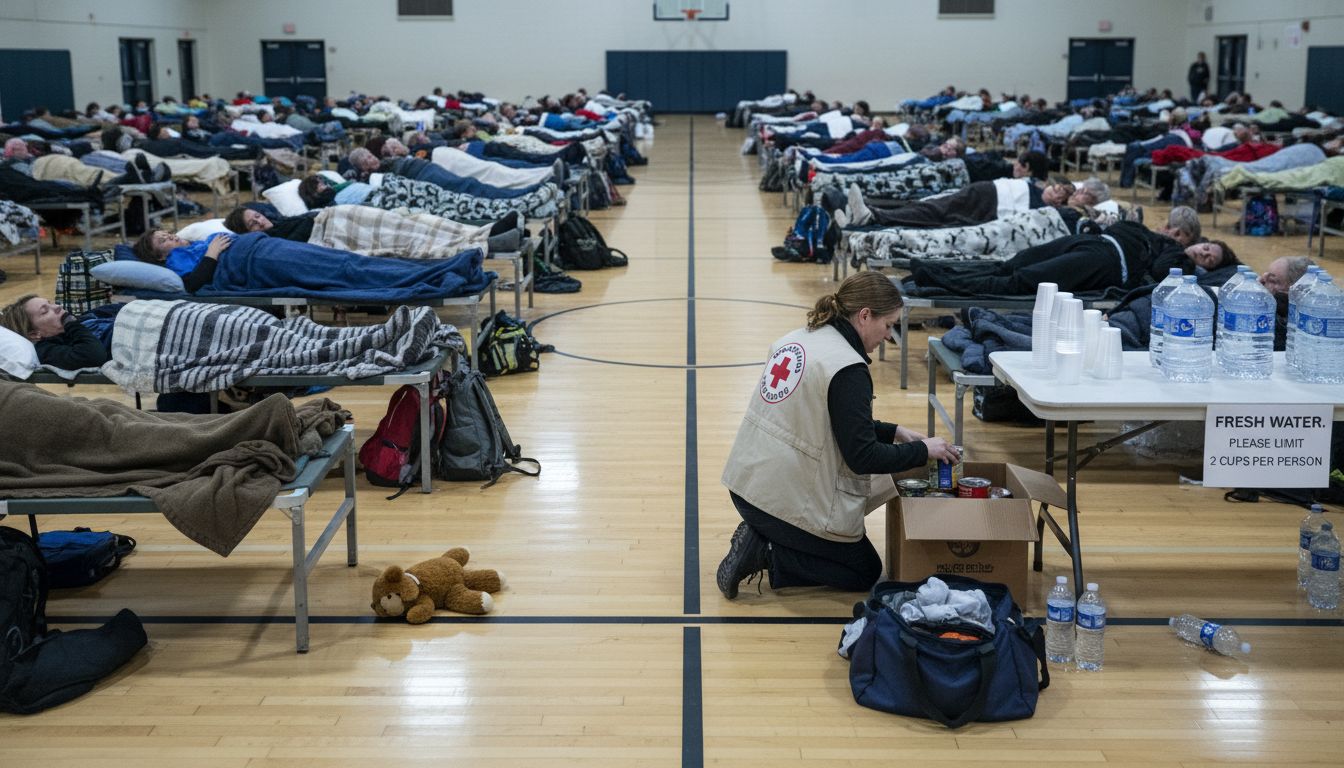
Trauma-Informed Care (TIC) represents a critical framework for understanding and responding to the profound psychological impacts experienced by individuals during and after disaster scenarios. Unlike traditional emergency response models that primarily focus on physical safety and immediate resource allocation, trauma-informed care recognizes the deep emotional and neurological consequences of catastrophic events. This approach emphasizes creating environments that actively minimize potential re-traumatization while supporting survivors’ psychological resilience and healing.
Specifically in disaster contexts, trauma-informed care provides a holistic framework for pediatric and adult survivors, acknowledging that each individual’s response to trauma is unique and complex. Healthcare professionals, emergency responders, and mental health experts utilizing this approach prioritize creating safe, predictable spaces that validate survivors’ emotional experiences. Key principles include establishing physical and emotional safety, promoting individual choice and control, collaboration, and empowerment – essential elements that help survivors rebuild their sense of personal agency after experiencing potentially overwhelming life disruptions.
The implementation of trauma-informed care in disaster response involves multiple strategic dimensions. These include training first responders in psychological first aid, designing communication protocols that are sensitive to survivors’ potential emotional vulnerabilities, providing immediate access to mental health support, and developing long-term recovery strategies that address both immediate psychological needs and potential long-term trauma impacts. By understanding the core values of trauma-informed approaches, professionals can create more compassionate, effective disaster response systems that genuinely support human healing and recovery.
Ultimately, trauma-informed care transforms disaster response from a purely logistical intervention into a deeply human-centered approach. It recognizes that true recovery extends beyond physical reconstruction, focusing instead on restoring psychological well-being, rebuilding community connections, and supporting survivors’ inherent resilience. By integrating compassion, scientific understanding of trauma, and responsive support strategies, this approach offers a more comprehensive and humane method of addressing the profound challenges faced by individuals during and after disaster events.
Roles of Agencies and Support Services
Disaster response requires a complex, multifaceted network of agencies and support services working in seamless coordination to address the immediate and long-term needs of affected communities. Coordinated mental health responses play a critical role in community disaster interventions, highlighting the importance of strategic collaboration among various professional and governmental organizations. These interconnected agencies each bring unique capabilities and specialized expertise to create a comprehensive support system that addresses physical, emotional, and logistical challenges faced by disaster survivors.
The primary agencies involved in disaster response typically include emergency management departments, federal and state government agencies, local first responders, healthcare systems, mental health organizations, and nonprofit relief groups. Each entity has specific responsibilities: local fire and police departments provide immediate rescue and safety operations, emergency management teams coordinate large-scale logistics, healthcare providers offer medical treatment, and mental health professionals deliver psychological support. First responder roles and duties are particularly crucial in the initial stages of disaster response, serving as the critical first line of intervention and assessment.
Support services extend far beyond immediate rescue operations, encompassing comprehensive recovery strategies that address survivors’ complex needs. These services include emergency housing assistance, financial aid programs, counseling and mental health support, medical care coordination, legal assistance, and long-term community rebuilding initiatives. Nonprofit organizations often play a vital role in bridging gaps between government services, providing specialized support for vulnerable populations, and ensuring that marginalized communities receive equitable disaster response. Emergency assistance guides help survivors navigate the intricate landscape of available resources and support mechanisms.
Ultimately, effective disaster response demands more than just individual agency effectiveness. It requires a dynamic, flexible, and compassionate ecosystem where organizations communicate seamlessly, share resources, and prioritize human dignity. By creating integrated support networks that transcend traditional bureaucratic boundaries, agencies can develop more responsive, humane, and efficient disaster management strategies that genuinely support survivors through their most challenging moments.
Collaborative Recovery and Multi-Agency Coordination
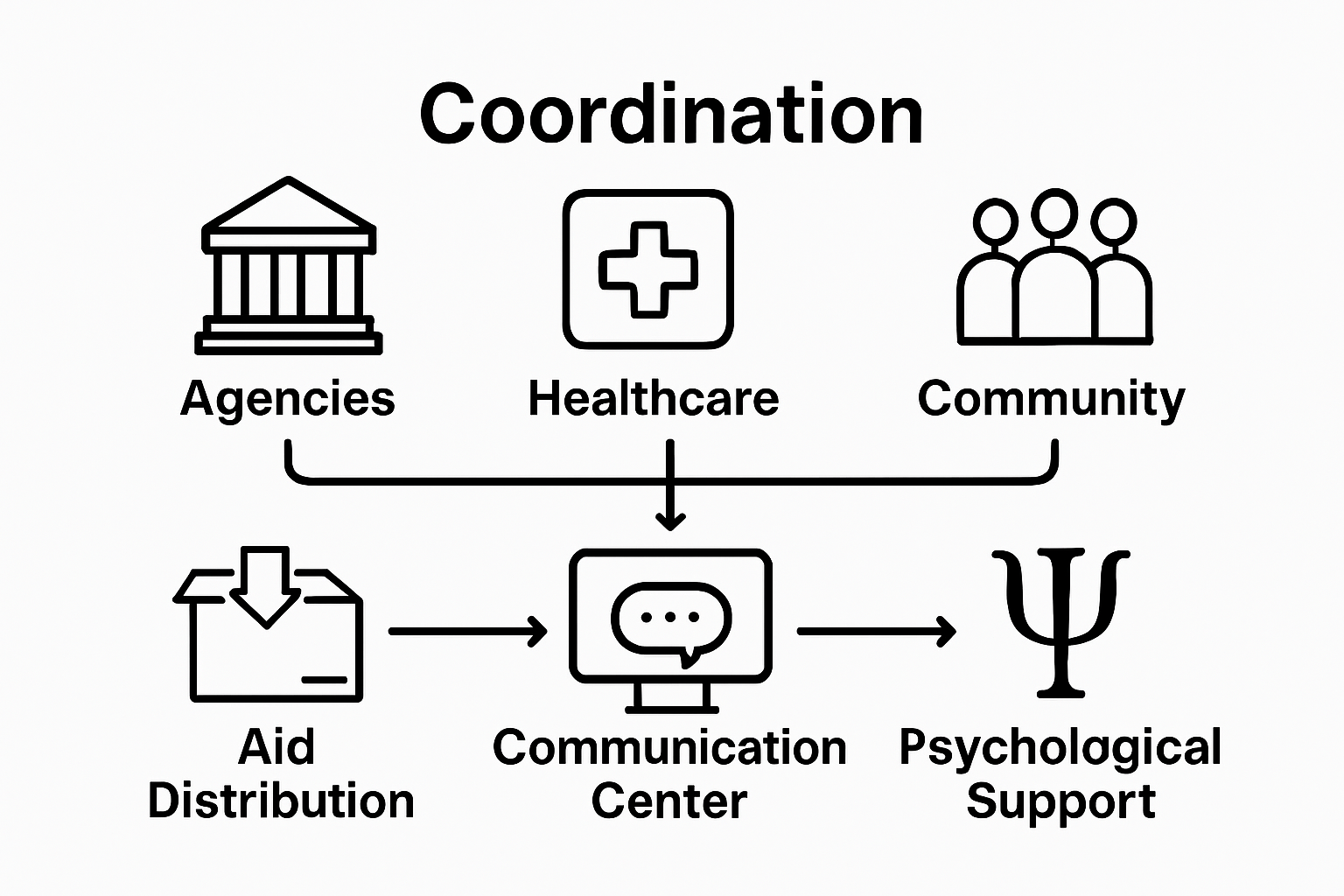
Multi-agency coordination represents the cornerstone of effective disaster response, creating a dynamic ecosystem where different organizations work synergistically to address complex community challenges. Integrated mental health recovery approaches underscore the critical importance of collaborative strategies that transcend traditional organizational boundaries. These collaborative frameworks enable agencies to pool resources, share critical information, and develop comprehensive support mechanisms that respond holistically to survivors’ intricate needs.
Successful collaborative recovery requires establishing robust communication protocols and shared decision-making processes among diverse agencies. Government emergency management departments, healthcare systems, nonprofit organizations, mental health professionals, and community leaders must develop integrated response strategies that prioritize flexibility and rapid adaptation. Collaborative disaster recovery techniques emphasize creating unified command structures where each agency contributes its unique expertise while maintaining a collective focus on community resilience and individual survivor support.
The implementation of effective multi-agency coordination involves several critical components. These include developing standardized communication platforms, conducting regular joint training exercises, establishing clear role definitions, creating shared technological infrastructure, and implementing comprehensive data-sharing mechanisms. Nonprofit organizations often play a pivotal bridging role, helping translate complex bureaucratic processes into accessible support pathways for disaster survivors. By breaking down institutional silos and fostering a culture of genuine collaboration, agencies can create more responsive, efficient, and compassionate disaster recovery ecosystems.
Ultimately, collaborative recovery is more than a strategic approach – it represents a fundamental reimagining of disaster response as a collective human endeavor. When agencies move beyond competitive mindsets and embrace genuine cooperation, they create powerful support networks capable of transforming individual and community trauma into opportunities for healing, growth, and renewed hope.
Common Pitfalls and Legal Considerations
Legal compliance in disaster response represents a complex landscape fraught with potential challenges that can significantly impact survivor support and agency effectiveness. Standardizing trauma-informed care practices becomes crucial in navigating the intricate legal frameworks governing emergency interventions. Organizations must carefully balance immediate humanitarian needs with strict regulatory requirements, understanding that legal missteps can potentially compromise both survivor welfare and institutional credibility.
Several critical legal pitfalls emerge frequently in disaster response scenarios. These include potential privacy violations when sharing sensitive survivor information, risks of inadvertent discrimination in service allocation, challenges in obtaining informed consent during high-stress situations, and potential liability issues related to emergency interventions. Agencies must develop robust protocols that protect individual rights while maintaining flexibility in emergency contexts. How to access support during disaster recovery becomes particularly complex when navigating these nuanced legal considerations, requiring a delicate balance between compassionate assistance and strict procedural compliance.
Effective legal risk management in disaster response demands comprehensive strategies that integrate proactive legal planning with humanitarian principles. This involves developing clear documentation protocols, establishing explicit consent mechanisms, training personnel on legal boundaries, maintaining detailed records of interventions, and creating transparent communication channels with survivors about their rights. Nonprofit organizations and government agencies must invest in continuous legal education, ensuring that emergency responders understand the evolving legal landscape and can make informed decisions that protect both survivors and institutions.
Ultimately, legal considerations in disaster response are not about creating bureaucratic barriers but about establishing a protective framework that respects human dignity while providing comprehensive support. By anticipating potential legal challenges, developing clear institutional guidelines, and maintaining a survivor-centered approach, organizations can create resilient response systems that navigate complex legal terrain with compassion, integrity, and professionalism.
Experience Compassionate Disaster Response That Truly Cares
Disasters test more than just our physical surroundings. This article highlights the urgent need for compassionate disaster response—an approach that respects human dignity and addresses emotional and psychological pain alongside immediate survival needs. If you or your loved ones face the challenge of displacement and uncertainty, you understand how critical it is to receive not only essential resources but also empathetic support that honors your experience.
At DisasterVictimServices.com, we specialize in delivering that compassionate care by connecting victims quickly with emergency housing solutions. Our team works hand in hand with insurance companies, government agencies, and first responders to provide not only critical shelter but also smooth logistical help during your recovery. Learn more about how we help through our Uncategorized resource hub and explore ways to rebuild resiliently with insights from our Project design category.
Don’t wait to find the support you need. Visit DisasterVictimServices.com now to access compassionate assistance and start your journey toward recovery today.
Frequently Asked Questions
What is compassionate disaster response?
Compassionate disaster response is a holistic approach that prioritizes human dignity, psychological well-being, and comprehensive support during crises. It addresses both immediate survival needs and long-term psychological recovery for individuals affected by disasters.
How does trauma-informed care play a role in disaster response?
Trauma-informed care recognizes the profound psychological impacts of disasters. It emphasizes creating safe, supportive environments for survivors while addressing their unique emotional experiences, ultimately promoting resilience and healing.
What agencies are typically involved in disaster response?
Disaster response usually involves emergency management departments, local first responders, healthcare systems, mental health organizations, and nonprofit relief groups. Each agency has distinct responsibilities to ensure a comprehensive support system for survivors.
What are the common legal considerations in disaster response?
Legal considerations in disaster response include privacy violations, discrimination in service allocation, obtaining informed consent, and liability issues. Agencies must balance humanitarian needs with regulatory compliance to protect survivors and maintain credibility.
Recommended
- How to Deploy Aid: Effective Strategies for Disaster Response 2025 – Disaster Victim Services | Helping You Recover After Disaster
- How to Coordinate Response in Disasters: A Guide for 2025 – Disaster Victim Services | Helping You Recover After Disaster
- Logistical Support Best Practices for Disaster Relief – Disaster Victim Services | Helping You Recover After Disaster
- How to Deploy Aid: Effective Strategies for Disaster Response 2025 – Disaster Victim Services | Helping You Recover After Disaster