
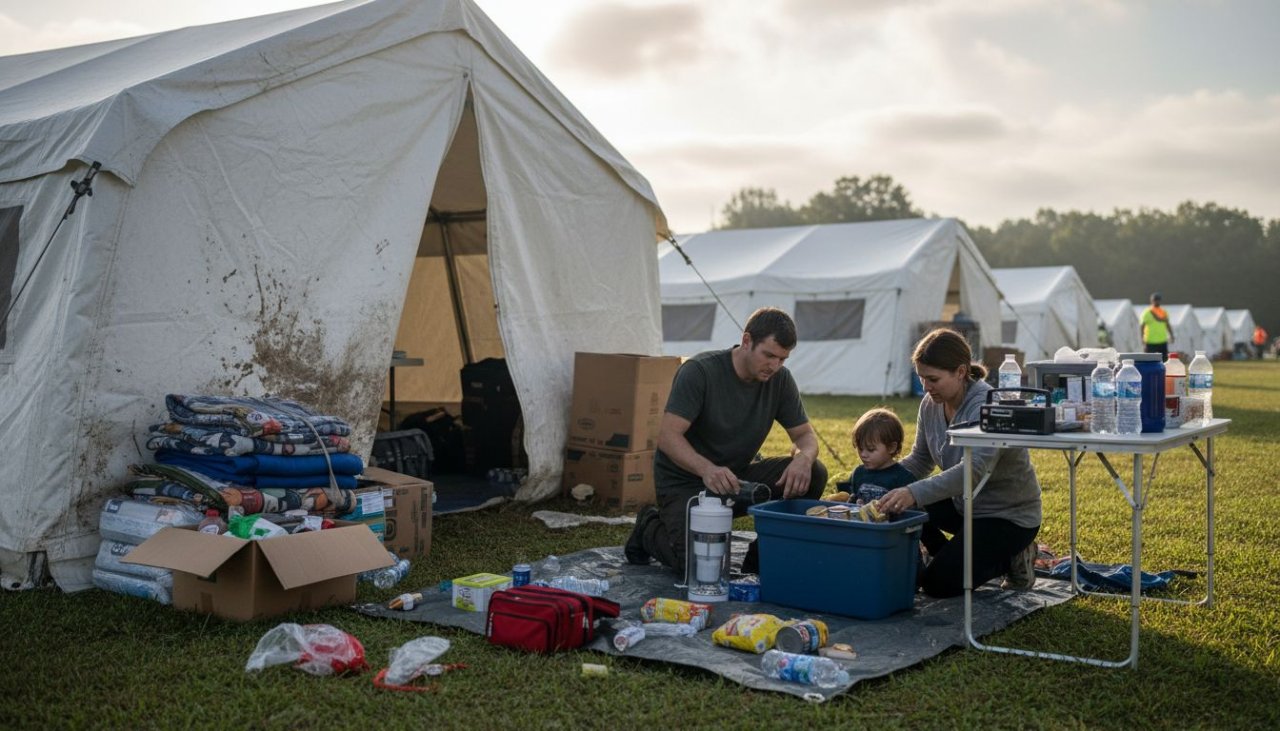
For many American families, the first 72 hours after a natural disaster are the most dangerous and confusing. Relocation, loss of a home, and sudden disruption create urgent challenges that leave thousands searching for solutions every year. In these moments, knowing how to protect loved ones, secure shelter, and navigate insurance claims becomes a lifeline. This guide offers clear steps to help you assess safety, find housing, and access support as you move toward recovery.
Table of Contents
- 1. Assess Immediate Safety and Basic Needs First
- 2. Contact Disaster Response Services for Help
- 3. Understand Temporary Housing Options Near You
- 4. File Insurance Claims Quickly and Efficiently
- 5. Document Damage and Keep All Recovery Records
- 6. Access Local and National Assistance Programs
- 7. Coordinate with Agencies for Long-Term Solutions
Quick Summary
| Takeaway | Explanation |
|---|---|
| 1. Ensure Immediate Safety First | Assess your environment for dangers and secure basic needs like water and shelter. Your safety is paramount. |
| 2. Contact Disaster Response Services | Connect with local and federal agencies for essential assistance and guidance right after ensuring safety. |
| 3. Explore Temporary Housing Options | Understand available housing solutions to avoid prolonged instability after a disaster strikes. |
| 4. File Insurance Claims Promptly | Document damages and file claims within 24 hours to secure necessary financial recovery support. |
| 5. Document Everything Thoroughly | Keep detailed records of damage, expenses, and communications to aid in claims and future assistance applications. |
1. Assess Immediate Safety and Basic Needs First
In the chaotic aftermath of a disaster, your first priority must be ensuring your own survival and safety. The initial 72 hours are critical for protecting yourself and your family from potential harm and securing essential resources. Understanding how to quickly assess your immediate environment and needs can quite literally save your life.
Disasters can create complex and rapidly changing safety scenarios that require swift, strategic thinking. When an emergency strikes, you need to perform a rapid personal and environmental safety assessment. This means checking for immediate physical dangers like structural damage, exposed electrical wires, gas leaks, or potential flood risks. Critical emergency response steps become paramount in these moments.
Your basic needs assessment should prioritize four key elements: water, shelter, food, and medical care. According to humanitarian response research, the first 72 hours are crucial for addressing these fundamental survival requirements. This means identifying safe drinking water sources, finding secure temporary shelter, locating available food supplies, and assessing any urgent medical needs for you and your family members.
Physical safety goes beyond just avoiding immediate threats. You must also consider potential health risks like contaminated water, exposure to extreme temperatures, or the spread of communicable diseases in crowded emergency shelters. Quickly evaluating your surroundings and potential health vulnerabilities is essential.
For families with children, elderly members, or individuals with medical conditions, safety assessment becomes even more complex. Pay special attention to their specific needs and potential vulnerabilities. Ensure they have necessary medications, appropriate clothing, and protection from environmental hazards.
Pro tip: Create an emergency “go bag” in advance with critical safety items like a first aid kit, water purification tablets, flashlight, battery powered radio, extra medications, and copies of important documents to expedite your immediate safety assessment during a disaster.
2. Contact Disaster Response Services for Help
After ensuring your immediate safety, connecting with professional disaster response services becomes your most critical next step. These organizations are specifically designed to provide comprehensive support and guidance during emergency situations, transforming chaos into structured recovery.
Understanding which agencies to contact and how to effectively communicate your needs can significantly accelerate your path to recovery. Emergency response protocols provide crucial guidance for navigating these critical interactions. Local emergency management offices, state disaster relief agencies, and federal organizations like FEMA are your primary resources for coordinated assistance.
When reaching out to disaster response services, be prepared with specific information about your situation. This includes your exact location, the type of damage you have experienced, the number of people in your household, and any immediate medical or safety concerns. Clear, concise communication helps responders prioritize and address your needs more efficiently.
Technology can be a powerful ally in connecting with disaster services. Download emergency alert apps, register with local emergency management systems, and keep communication devices charged. Many agencies now offer real time updates and guidance through digital platforms, allowing you to receive critical information quickly.
Remember that disaster response services are not just about immediate rescue. They can help you navigate insurance claims, find temporary housing, access medical support, and connect with community resources for long term recovery. Their expertise transforms an overwhelming situation into a manageable path forward.
Pro tip: Create a physical and digital emergency contact list in advance, including local emergency management numbers, insurance contacts, family emergency contacts, and critical service providers to expedite communication during a crisis.
3. Understand Temporary Housing Options Near You
After a disaster strikes, finding safe and stable temporary housing becomes a critical priority for survival and recovery. Understanding the range of housing options available can make the difference between a smooth transition and prolonged uncertainty.
Housing Options typically include emergency shelters, government supported housing, hotel or motel placements, rental assistance programs, and temporary housing through disaster relief organizations. Each option comes with unique benefits and potential limitations that you must carefully evaluate based on your specific circumstances.
Temporary housing coordination steps can help you navigate the complex landscape of post disaster accommodations. Emergency shelters are often the first line of immediate support, providing a safe space with basic amenities like food, water, and medical assistance. These facilities are typically set up in schools, community centers, or churches during widespread emergencies.
Government and nonprofit organizations frequently offer rental assistance or voucher programs that can help you secure temporary housing in apartments, mobile homes, or other available residential units. Some programs may even cover partial or full rental costs for a specified period, giving you breathing room to rebuild and recover.
Private options like hotels or motels can also provide temporary housing, especially if they have agreements with disaster relief agencies. Some insurance policies and government programs may reimburse or directly cover these accommodations, making them a viable short term solution for displaced families.
When exploring housing options, consider factors beyond just shelter. Proximity to your original community, access to work, school continuity for children, and availability of support services should all play a role in your decision making process.
Pro tip: Create a digital and physical folder with all important documents like identification, insurance information, and emergency contact details to expedite housing assistance applications and streamline your recovery process.
4. File Insurance Claims Quickly and Efficiently
Disaster recovery begins with swift and strategic insurance claim filing. Understanding how to document and submit your claim can significantly accelerate your financial recovery and reduce stress during an already challenging time.
Claim documentation tips become crucial in ensuring a smooth and successful insurance claim process. Start by thoroughly documenting all property damage through comprehensive photographs and videos. This visual evidence serves as critical proof for insurance adjusters, helping validate the extent of your losses.
Immediate action is key when filing insurance claims. Contact your insurance provider within 24 hours of the disaster, even if you have not completed a full damage assessment. Most insurance policies have specific timelines for reporting incidents, and early communication can prevent potential claim denials.
Organize all relevant documentation meticulously. This includes emergency repair receipts, temporary housing expenses, damaged personal property inventories, and any professional assessment reports. Create both digital and physical copies of these documents, storing them in secure locations that are easily accessible.
Understand your specific insurance policy details before disaster strikes. Know exactly what types of damage are covered, your deductible amounts, and the specific steps required for filing a claim. Some policies offer additional living expenses coverage or immediate emergency funds that can provide critical support during recovery.
Consider working with a public insurance adjuster if your claim is complex or involves significant property damage. These professionals can help navigate the claim process, negotiate with insurance companies, and potentially maximize your settlement.
Pro tip: Create a dedicated disaster recovery folder with waterproof and fireproof storage containing copies of insurance policies, identification documents, and emergency contact information to streamline your claim filing process during high stress situations.
5. Document Damage and Keep All Recovery Records
Documenting disaster damage meticulously is your financial and legal lifeline during recovery. Every photograph, receipt, and record becomes critical evidence that supports your insurance claims and potential assistance applications.
How to document disaster losses requires a systematic and comprehensive approach. Start by creating a detailed inventory of damaged property using high resolution photographs and videos. Capture wide angle shots showing overall damage and close up images that highlight specific destruction points. Ensure timestamps are visible on your documentation to establish a clear timeline.
Organize your recovery records in a logical and accessible system. Use waterproof and fireproof storage containers for physical documents and create multiple digital backups stored in secure cloud platforms. Include insurance policies, damage assessment reports, repair estimates, temporary housing receipts, and communication records with insurance adjusters and relief agencies.
Be thorough and specific when documenting property losses. Create itemized lists of damaged belongings including purchase dates, original costs, and estimated replacement values. Take serial numbers of electronics and valuable items. Collect professional appraisals for high value possessions to strengthen your claim documentation.
Maintain a chronological journal documenting all disaster related expenses and interactions. Record dates of communication with insurance companies, relief organizations, and contractors. Note the names of representatives you speak with, their contact information, and summaries of conversations.
Consider using digital tools and apps designed for disaster recovery documentation. Many smartphone applications allow you to create comprehensive inventories, store photographic evidence, and track expenses efficiently. These tools can help streamline your record keeping process during a stressful time.
Pro tip: Create a dedicated email address specifically for disaster recovery communications to centralize all important correspondence and ensure you have a clear digital paper trail for future reference.
6. Access Local and National Assistance Programs
Navigating the complex landscape of disaster relief assistance requires strategic and proactive approach. Understanding how to effectively access local and national assistance programs can provide critical financial and logistical support during your recovery journey.
How to access aid involves knowing the right resources and understanding your specific eligibility criteria. Government portals like DisasterAssistance.gov serve as comprehensive platforms connecting disaster survivors with multiple support programs across federal, state, and local levels.
Federal assistance programs offer various support mechanisms including housing grants, temporary rental assistance, home repair funds, and low interest disaster loans. The Small Business Administration and FEMA provide targeted assistance for homeowners, renters, and business owners impacted by declared disaster areas.
State and local emergency management offices often provide supplemental assistance programs not covered by federal resources. These can include temporary housing support, direct financial assistance, mental health counseling, and specialized aid for vulnerable populations like seniors or families with children.
To maximize your assistance potential, gather all necessary documentation in advance. This includes identification papers, proof of residency, insurance information, damage documentation, and income verification. Having these documents organized can significantly expedite your application process and increase your chances of receiving support.
Understand that different assistance programs have unique application windows and specific eligibility requirements. Some may require application within 60 days of a disaster declaration, while others have more flexible timelines. Prompt and thorough application submission is crucial to securing available resources.
Pro tip: Create a dedicated digital folder with scanned copies of all important documents and track your assistance applications using a spreadsheet to manage multiple program submissions efficiently.
7. Coordinate with Agencies for Long-Term Solutions
Disaster recovery is a complex journey that requires strategic collaboration between multiple agencies, community organizations, and government entities. Successfully navigating this landscape means understanding how to effectively communicate and coordinate your long term rebuilding efforts.
Long-term disaster recovery strategies involve creating comprehensive communication networks that connect survivors with critical resources. This means proactively engaging with local emergency management offices, state recovery task forces, federal assistance programs, nonprofit organizations, and community support groups.
Establish a clear point of contact within your local emergency management system who can help track your specific recovery needs. These professionals can provide guidance on available resources, help navigate bureaucratic processes, and connect you with specialized support services that address housing, employment, mental health, and financial recovery.
Understand that long term recovery is not just about rebuilding structures but also about restoring community resilience. This means participating in community planning meetings, sharing your experiences, and contributing to collective recovery strategies. Your input can help shape more effective support systems for current and future disaster survivors.
Document all interactions with agencies meticulously. Keep detailed records of conversations, recommendations, promised assistance, and follow up actions. Create a chronological log of communications that can help you track progress, resolve potential misunderstandings, and ensure accountability from supporting agencies.
Remember that recovery is a collaborative process. Be patient, persistent, and proactive. agencies have limited resources and multiple survivors to support, so maintaining clear communication and demonstrating a constructive approach can help expedite your recovery journey.
Pro tip: Create a dedicated email address and digital folder specifically for disaster recovery communications to centralize all important correspondence and maintain a clear, organized record of your recovery process.
Below is a comprehensive table summarizing the main steps and strategies for disaster recovery as discussed in the article.
| Key Area | Summary |
|---|---|
| Assess Immediate Safety | Prioritize personal and family safety by checking for hazards and fulfilling essential needs such as water, food, shelter, and medical care. Prepare an emergency go-bag in advance. |
| Engage Disaster Response | Contact local and federal disaster services (e.g., FEMA) to report your situation and seek assistance with rescue, temporary needs, and long-term recovery resources. Utilize technology for efficient communication. |
| Secure Temporary Housing | Explore options like emergency shelters, government-supported programs, or hotel/motel agreements. Evaluate housing choices based on safety and proximity to necessary facilities. |
| File Insurance Claims | File claims promptly with thorough documentation including photos, receipts, and logs. Understand policy details and consider public adjusters if needed. |
| Document Damage Thoroughly | Maintain detailed records of all damages and recovery-related activities. Leverage digital and physical tools to ensure the availability of crucial evidence for claims and aid applications. |
| Utilize Assistance Programs | Access local, state, and federal programs for financial and logistical support. Prepare required documentation to streamline application processes. |
| Coordinate for Long-term Recovery | Collaborate with agencies, nonprofits, and community organizations for sustained recovery efforts. Record interactions meticulously and engage in community resilience development practices. |
Find Reliable Emergency Housing Solutions When You Need Them Most
Recovering from a disaster means facing urgent challenges like securing safe temporary housing while managing insurance claims and coordinating with agencies. This article highlights the critical pain points many disaster survivors encounter such as understanding housing options, navigating complex assistance programs, and organizing recovery documentation. At DisasterVictimServices.com, we specialize in offering compassionate, around-the-clock support to connect you directly with immediate emergency housing and trusted recovery resources.
If you are overwhelmed by the recovery process or uncertain how to access housing assistance programs, our team works closely with insurance providers, government agencies, and first responders to guide you step-by-step. Explore our insights on emergency housing and disaster recovery in our Uncategorized resources and how we support home rebuilding through our Renovation services. Don’t wait until the crisis intensifies; visit DisasterVictimServices.com now to get the expert help you need to find safe shelter and take control of your recovery journey.
Frequently Asked Questions
What should I prioritize in my emergency housing search after a disaster?
First focus on securing immediate safety and basic needs such as water, food, and shelter. Start by identifying available emergency shelters or temporary housing options within your local area to ensure you and your family are safe and secure.
How can I quickly find assistance programs for temporary housing?
To quickly find assistance programs for temporary housing, research available local and national resources that offer support for disaster survivors. Reach out to community organizations and government agencies, as they can provide information on housing grants and rental assistance within days of a disaster declaration.
What documentation do I need to gather for housing assistance applications?
Gather essential documents such as identification papers, proof of residency, and any insurance information to apply for housing assistance. Organizing these documents in advance can expedite your application process significantly, ideally within 30 days of submitting your claim.
How can I ensure my insurance claim for housing is filed correctly?
To ensure your insurance claim is filed correctly, document all property damage with photographs and maintain detailed records of your expenses. File your claim within 24 hours of the disaster to meet policy timelines and enhance the likelihood of prompt processing.
What steps can I take to coordinate long-term housing solutions after a disaster?
To coordinate long-term housing solutions, engage with local emergency management offices and community organizations for assistance. Maintain detailed records of your interactions and follow up regularly to track your progress toward securing stable housing options.
Recommended
- 7 Temporary Housing Options List for Disaster Victims – Disaster Victim Services | Helping You Recover After Disaster
- 7 Essential Steps for Your Emergency Housing Checklist 2025 – Disaster Victim Services | Helping You Recover After Disaster
- 7 Essential Emergency Relief Tips for Displaced Families – Disaster Victim Services | Helping You Recover After Disaster
- Temporary Housing Coordination Steps for Disaster Recovery – Disaster Victim Services | Helping You Recover After Disaster