

Every year, disasters cause billions in damages across American communities, with homeowners facing daunting recovery costs. When unpredictable events like hurricanes, wildfires, or earthquakes strike, having the right disaster insurance coverage becomes essential. Knowing how these specialized policies work can help you avoid financial hardship and ensure a quicker, more secure path to rebuilding your life after catastrophe.
Table of Contents
- How Disaster Insurance Coverage Works
- Primary Types of Disaster Insurance Policies
- The Insurance Claims Process After Disasters
- Legal Protections and Policyholder Rights
- Common Pitfalls and Maximizing Recovery
Key Takeaways
| Point | Details |
|---|---|
| Understanding Coverage Types | Familiarize yourself with various disaster insurance policies, such as Flood Insurance and Earthquake Insurance, to ensure comprehensive protection. |
| Importance of Documentation | Maintain thorough documentation of property damage and communication with insurers to facilitate a smooth claims process. |
| Timeliness Matters | File insurance claims promptly after a disaster to maximize potential recovery and prevent missed opportunities. |
| Know Your Rights | Understand your legal rights as a policyholder to ensure fair treatment and timely processing of claims by insurance companies. |
How Disaster Insurance Coverage Works
Disaster insurance provides critical financial protection when unexpected catastrophic events strike your property or community. Understanding how these specialized insurance policies function can mean the difference between rapid recovery and prolonged financial hardship. Disaster insurance operates through specific mechanisms designed to help homeowners and property owners rebuild after devastating events like hurricanes, floods, earthquakes, and wildfires.
The insurance landscape for disaster coverage is complex and varies significantly across different regions. Federal disaster response efforts play a crucial role in coordinating assistance, particularly through programs like the National Flood Insurance Program (NFIP). Consumers can typically access disaster insurance through several channels:
- Voluntary private insurance markets
- Shared market mechanisms like FAIR plans
- State-specific disaster insurance programs
- Government-backed insurance initiatives
Most disaster insurance policies cover specific types of damage caused by natural events. These typically include structural damage to buildings, loss of personal property, and additional living expenses if your home becomes uninhabitable. Key coverage areas often encompass wind damage, flood damage, earthquake damage, and wildfire destruction. However, the exact scope of protection depends on your specific policy and geographic location.
Navigation of disaster insurance requires careful understanding of policy details. Insurance coordination steps become critical in ensuring you receive appropriate compensation after a catastrophic event. Homeowners should review their policies annually, understand exclusions, and consider supplemental coverage options that address regional risks specific to their location. Proactive preparation and comprehensive insurance coverage can provide peace of mind and financial security during challenging recovery periods.
Primary Types of Disaster Insurance Policies
Disaster insurance encompasses a diverse range of specialized policies designed to protect property owners against specific catastrophic risks. Catastrophe insurance covers multiple potential disaster scenarios, helping individuals and businesses mitigate financial losses from unexpected events that can devastate entire communities.
The primary types of disaster insurance policies include:
- Earthquake Insurance: Protects against structural damage from seismic events
- Flood Insurance: Covers water damage not typically included in standard homeowners policies
- Hurricane/Wind Damage Insurance: Addresses damage from powerful storm systems
- Wildfire Insurance: Provides coverage for property loss from fire-related disasters
- Terrorism Insurance: Covers damages from intentional destructive acts
- Cyber Catastrophe Insurance: Protects against significant digital infrastructure damage
Commercial property owners face unique challenges in disaster coverage. Standard commercial property insurance frequently excludes critical disaster-related damages, making specialized policies essential for businesses in high-risk regions. Companies must carefully evaluate their geographic location, potential environmental risks, and specific vulnerability to determine appropriate coverage.
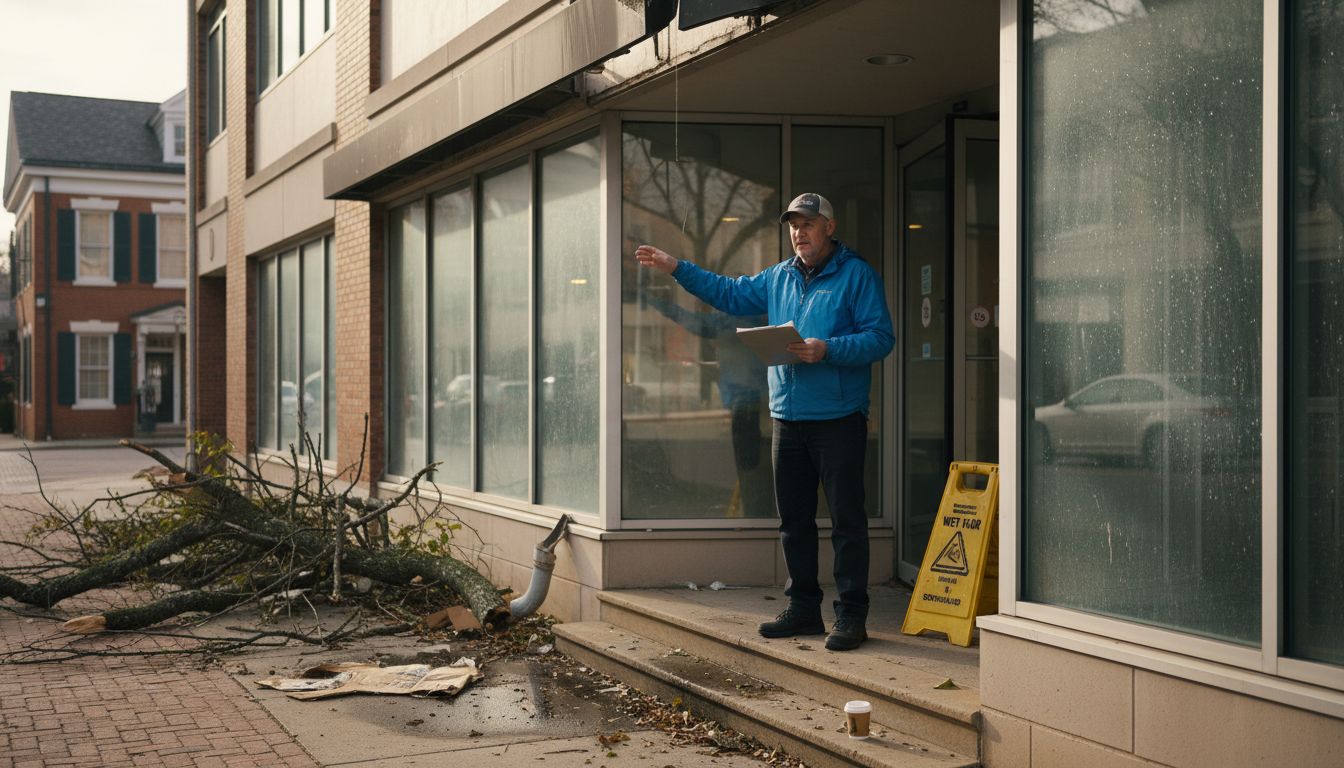
Choosing the right disaster insurance requires comprehensive risk assessment and strategic planning. Homeowners and business owners should conduct thorough evaluations of their property’s potential exposure to different disaster types, consulting with insurance professionals who understand local environmental conditions. Recovery phases guide resources can help individuals understand the importance of proactive insurance planning and selecting policies that provide robust financial protection during unexpected catastrophic events.
The Insurance Claims Process After Disasters
Navigating the insurance claims process after a disaster requires strategic planning and meticulous documentation. Policyholders must promptly file claims and gather comprehensive evidence of property damage to ensure successful recovery. Understanding the critical steps and documentation requirements can significantly impact the speed and effectiveness of your insurance claim.
The claims process involves multiple types of professional assessors:
- Company Adjusters: Employed directly by insurance companies
- Independent Adjusters: Contracted professionals who work with multiple insurers
- Public Adjusters: Advocates who represent the policyholder’s interests
Claims processing involves working with these adjusters who assess damage, determine coverage, and negotiate settlement amounts. Successful claims require thorough documentation, including:
- Detailed photographic evidence of damage
- Comprehensive inventory of lost or damaged items
- Repair estimates from licensed contractors
- Receipts for emergency repairs and living expenses
- Comprehensive communication logs with insurance representatives
Claim documentation is a critical component of the recovery process. Insurance claim verification steps help policyholders navigate the complex landscape of post-disaster recovery. Proactive communication, organized record-keeping, and understanding your policy’s specific provisions can dramatically improve your chances of receiving fair compensation. Patience and persistence are key when working through the intricate insurance claims process, as each disaster presents unique challenges that require careful attention and strategic approach.
Legal Protections and Policyholder Rights
Policyholders possess critical legal protections designed to safeguard their interests during the complex disaster recovery process. Consumers have rights to fair treatment and prompt claim processing, ensuring that insurance companies cannot arbitrarily deny or unnecessarily delay legitimate claims. These legal safeguards provide a critical framework for protecting individuals during their most vulnerable moments.
Key policyholder rights include:
- The right to receive a timely and comprehensive claim investigation
- Protection against unfair claim denial practices
- Access to clear and transparent communication from insurance providers
- The ability to challenge claim decisions through formal appeal processes
- Protection from discriminatory treatment based on geographic location or disaster type
Policy comprehension is fundamental to protecting your interests. Understanding policy terms like premiums, deductibles, and coverage limits empowers policyholders to make informed decisions and effectively advocate for themselves. Consumers should carefully review their policy documents, understanding exactly what is covered and what potential exclusions might exist.
Adjuster field inspection tips can help policyholders prepare for claim assessments and protect their rights during the evaluation process. If disputes arise, individuals have recourse through state regulatory bodies that can investigate potential insurance company misconduct. Maintaining detailed documentation, understanding your policy’s specific provisions, and being proactive in communication are essential strategies for ensuring your legal rights are fully protected during the disaster recovery process.
Common Pitfalls and Maximizing Recovery
Disaster recovery presents numerous challenges that can significantly impact an individual’s ability to successfully navigate insurance claims and rebuild their life. Common pitfalls begin with delays in filing claims and inadequate documentation of damages, which can dramatically reduce the likelihood of receiving full compensation for losses sustained during catastrophic events.
Key challenges and strategies for maximizing recovery include:
- Timely Claim Filing: Submit claims immediately after disaster strikes
- Comprehensive Documentation: Photograph and inventory all damage thoroughly
- Detailed Record Keeping: Maintain logs of all communications and expenses
- Understanding Policy Limitations: Know exactly what your insurance covers
- Proactive Communication: Stay engaged with insurance representatives
Professional support can dramatically improve recovery outcomes. Engaging a public adjuster can help navigate complex claims, though it’s crucial to verify their licensing and understand potential fees. Policyholders should approach recovery with a strategic mindset, anticipating potential obstacles and preparing comprehensive documentation.
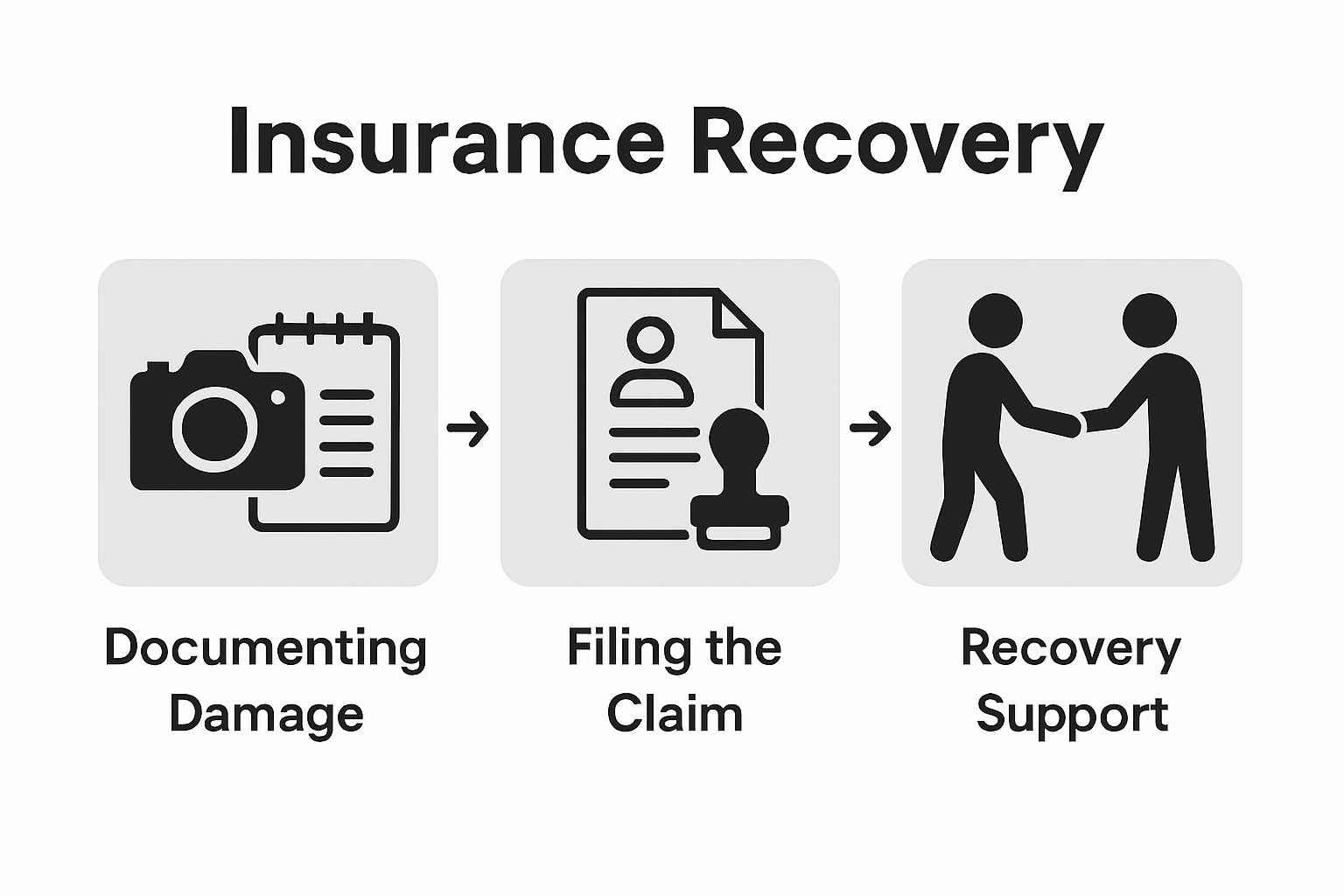
How to rebuild safely becomes paramount after initial claim processing. Successful disaster recovery requires a multi pronged approach that combines thorough documentation, strategic communication, and a clear understanding of your insurance policy’s specific provisions. Patience, persistence, and proactive planning are the most critical tools in transforming a potentially devastating experience into a manageable path toward restoration.
Navigate Disaster Insurance with Confidence and Support
Understanding the complexities of disaster insurance coverage is essential to overcoming the challenges of property damage, claim delays, and uncertain recovery timelines discussed in “How Insurance Covers Disasters – Essential Recovery Facts.” If you are facing confusion over policy details, claim documentation, or coordinating with adjusters, you are not alone. Many homeowners and business owners struggle with these exact pain points as they seek fair and timely compensation after catastrophic events.
At DisasterVictimServices.com, we specialize in bridging the gap between insurance complexities and immediate disaster recovery needs. Our expert team works tirelessly to provide around-the-clock emergency housing and streamline communications with insurance carriers, first responders, and legal professionals. Learn more about how we assist with the intricate recovery process by exploring our Uncategorized services and see how our tailored Project Design approaches can make a difference during your recovery journey.
Do not wait until the chaos overwhelms you. Visit DisasterVictimServices.com now to connect with dedicated professionals ready to provide compassionate guidance and practical solutions. Take control of your disaster recovery today by partnering with a trusted resource that understands your needs and the urgency of your situation.
Frequently Asked Questions
What types of disasters are typically covered by insurance policies?
Disaster insurance policies commonly cover structural damage from earthquakes, floods, hurricanes, wildfires, and terrorism. Each policy varies in coverage depending on the specifics of the event and geographic location.
How can I maximize my insurance claim after a disaster?
To maximize your recovery, promptly file your claim, provide thorough documentation of damages, keep detailed records of communications and expenses, and stay engaged with your insurance representatives throughout the process.
What rights do policyholders have during the claims process?
Policyholders have rights to timely claim investigations, protection from unfair denials, access to clear communication, and the ability to challenge claim decisions. It’s important to understand these rights to advocate effectively for yourself.
How can I prepare my home for potential disasters?
Preparing your home involves reviewing your insurance policy annually, understanding your coverage and exclusions, and possibly adopting supplemental policies to address specific regional risks. Additionally, maintaining comprehensive documentation of your property can aid in future claims.
Recommended
- Disaster Recovery Phases Explained for 2025: Guide for Victims, Pros & Agencies – Disaster Victim Services | Helping You Recover After Disaster
- 8 Essential Steps for Your Disaster Recovery Checklist 2025 – Disaster Victim Services | Helping You Recover After Disaster
- Disaster Claims Explained: Why They Matter Most – Disaster Victim Services | Helping You Recover After Disaster
- Essential Steps After Home Loss: 2025 Guide for Recovery – Disaster Victim Services | Helping You Recover After Disaster