
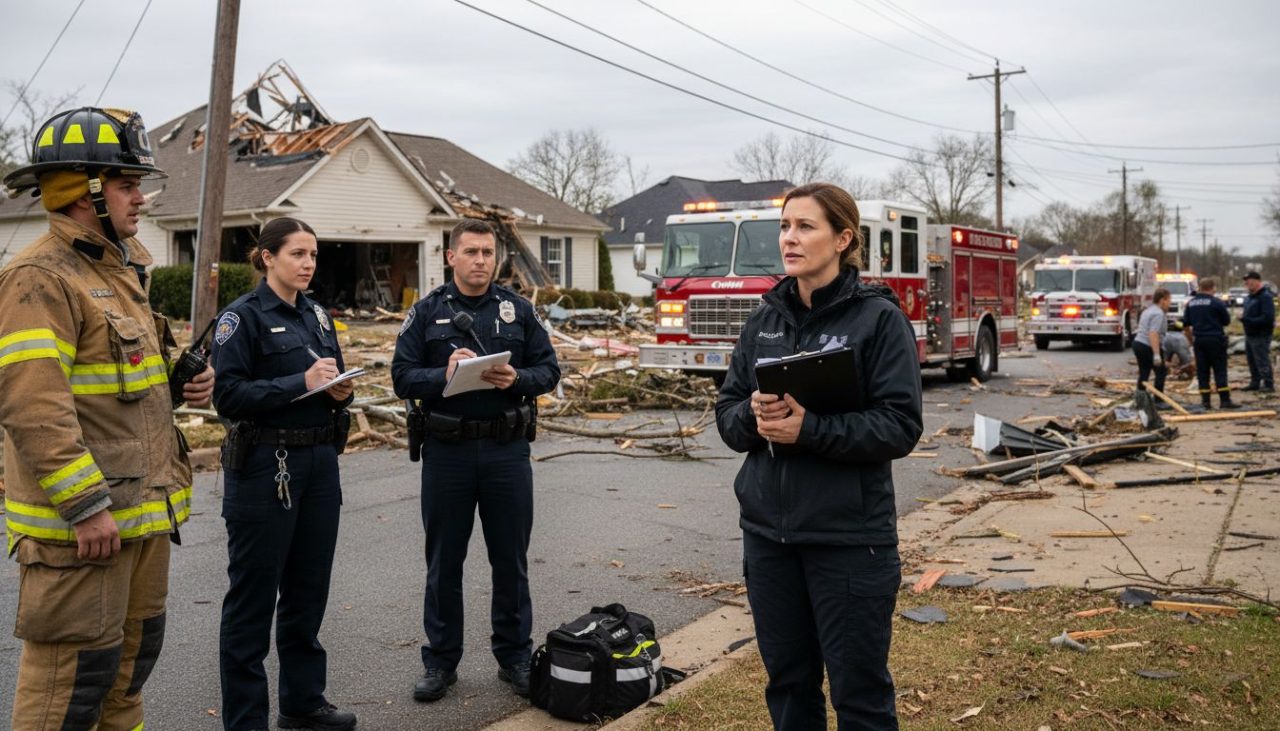
The aftermath of a disaster can leave american families feeling lost and uncertain, as more than half struggle to access timely support when every minute matters. Quick assessment and clear communication are the cornerstones of effective response, yet many people find it challenging to prioritize what truly matters under stress. This practical guide offers straightforward steps to help you work with first responders, record urgent needs, and ensure your safety during some of the most difficult moments.
Table of Contents
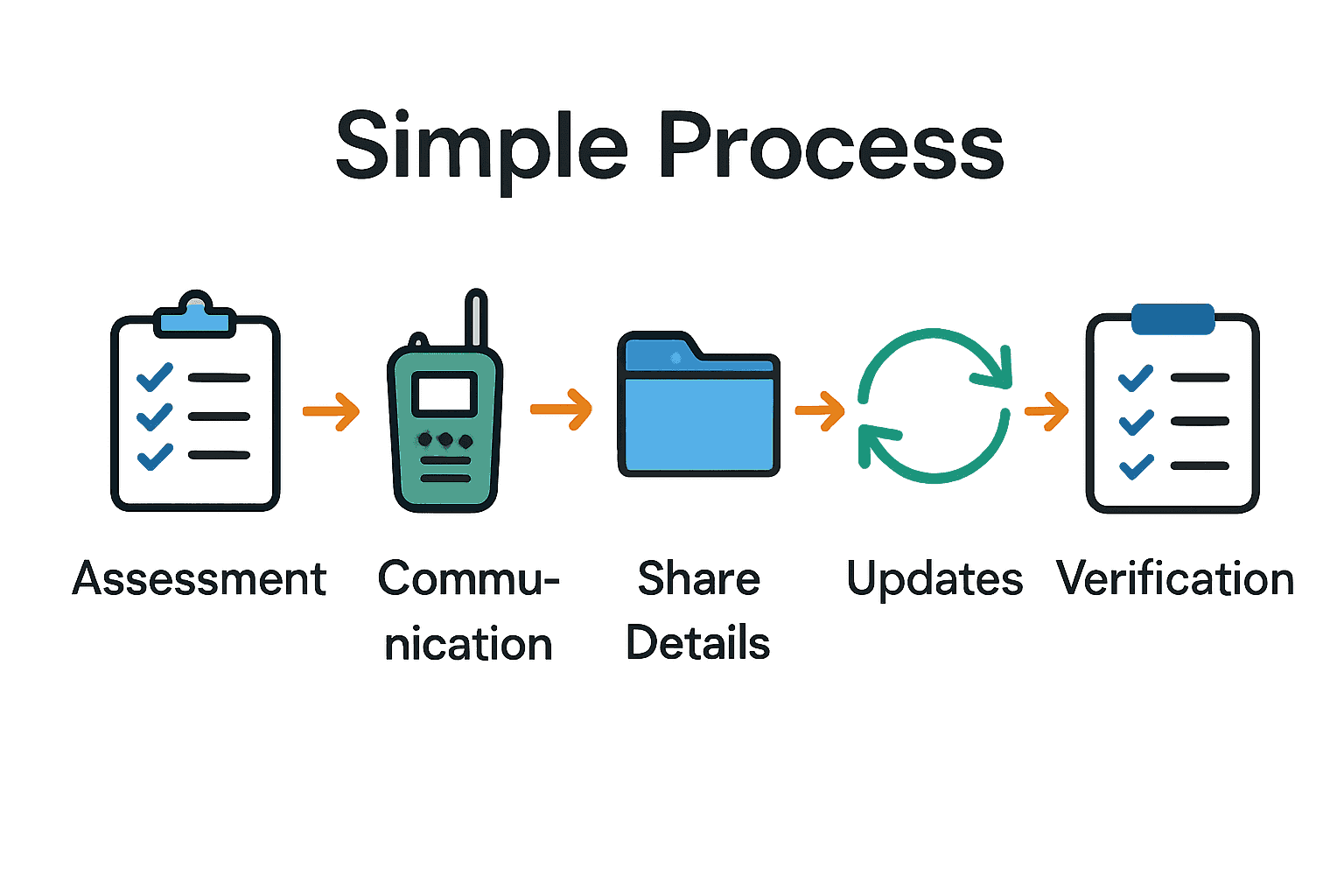
- Step 1: Assess Immediate Needs And Gather Essential Information
- Step 2: Initiate Direct Communication With First Responders
- Step 3: Share Critical Details And Establish Clear Roles
- Step 4: Facilitate Ongoing Updates And Resource Coordination
- Step 5: Verify Actions And Confirm Support Services Delivery
Quick Summary
| Important Insight | Clear Description |
|---|---|
| 1. Assess Immediate Needs Quickly | Conduct a prompt assessment of safety risks and resource needs to guide first responders effectively. |
| 2. Establish Direct Communication | Communicate clearly with first responders about urgent needs and specific details to facilitate timely assistance. |
| 3. Share Critical Information | Provide comprehensive information on your situation to first responders, and designate a spokesperson for clarity. |
| 4. Coordinate Resource Updates | Maintain ongoing communication with responders to address evolving needs and avoid resource duplication. |
| 5. Verify Support Services Received | Ensure support services delivered are as promised and check for additional mental health resources available. |
Step 1: Assess Immediate Needs and Gather Essential Information
After a disaster strikes, quickly assessing your immediate needs becomes critical for survival and recovery. According to IFRC, emergency needs assessments help define response options and evaluate priority needs like food, water, shelter, medical care, and psychosocial support.
To effectively gather essential information, start by conducting a thorough visual inspection of your immediate environment. Enterprise Community Partners recommends connecting with local emergency management offices to share information and ensure your assessment captures community needs. Document damage systematically by taking photographs, making written notes, and identifying critical infrastructure problems like compromised utilities, structural damage, or blocked access routes.
Your primary goal is creating a clear snapshot of current conditions that first responders can use to prioritize assistance. Focus on collecting details about immediate safety risks personal injury potential, and urgent resource requirements. Be prepared to communicate these specifics concisely when emergency personnel arrive. Your careful documentation can significantly speed up rescue and recovery efforts.
Pro Tip: Keep a waterproof notebook and working pen in your emergency kit to record observations quickly and accurately during chaotic post disaster conditions.
Next, you will prepare to communicate effectively with first responders by organizing your gathered information and identifying your most urgent needs.
Step 2: Initiate Direct Communication With First Responders
When disaster strikes, establishing clear communication with first responders becomes your lifeline for getting critical assistance. FEMA emphasizes the necessity of coordinating with response partners to ensure efficient information flow and accurate communication during emergencies.
Begin by identifying the primary communication channels available. Look for emergency response teams at the scene and approach them directly with your documented needs. Speak clearly and concisely about your situation. Present the information you gathered during your initial assessment systematic observations about damage, potential safety risks, and urgent resource requirements. SAMHSA recommends preparing yourself mentally for these interactions by developing a calm and organized approach.
Be prepared to provide specific details. Include your exact location, number of people needing assistance, any medical conditions, and immediate safety concerns. First responders need precise information to prioritize and execute rescue efforts effectively. If possible, have identification documents and medical information readily available to expedite assistance.
Pro Tip: Keep a small emergency information card in your wallet or phone case with critical personal details like medical conditions, emergency contacts, and any specific needs.
Once communication is established, listen carefully to instructions and be ready to follow first responder guidance precisely. Your cooperation can significantly impact the speed and effectiveness of rescue operations.
Step 3: Share Critical Details and Establish Clear Roles
In the aftermath of a disaster, effectively communicating and defining responsibilities can make the difference between chaos and coordinated recovery. SAMHSA emphasizes the critical importance of including partners in the planning process to generate buy-in and improve overall cooperation during emergency situations.
Start by providing first responders with a comprehensive overview of your situation. Organize your critical details systematically include your full name, current location, number of people in your group, immediate health concerns, and any special needs or vulnerabilities. Be transparent about potential risks or challenges that might impact rescue efforts. Establish a clear line of communication by identifying a primary spokesperson who can consistently interact with emergency personnel and relay information accurately.
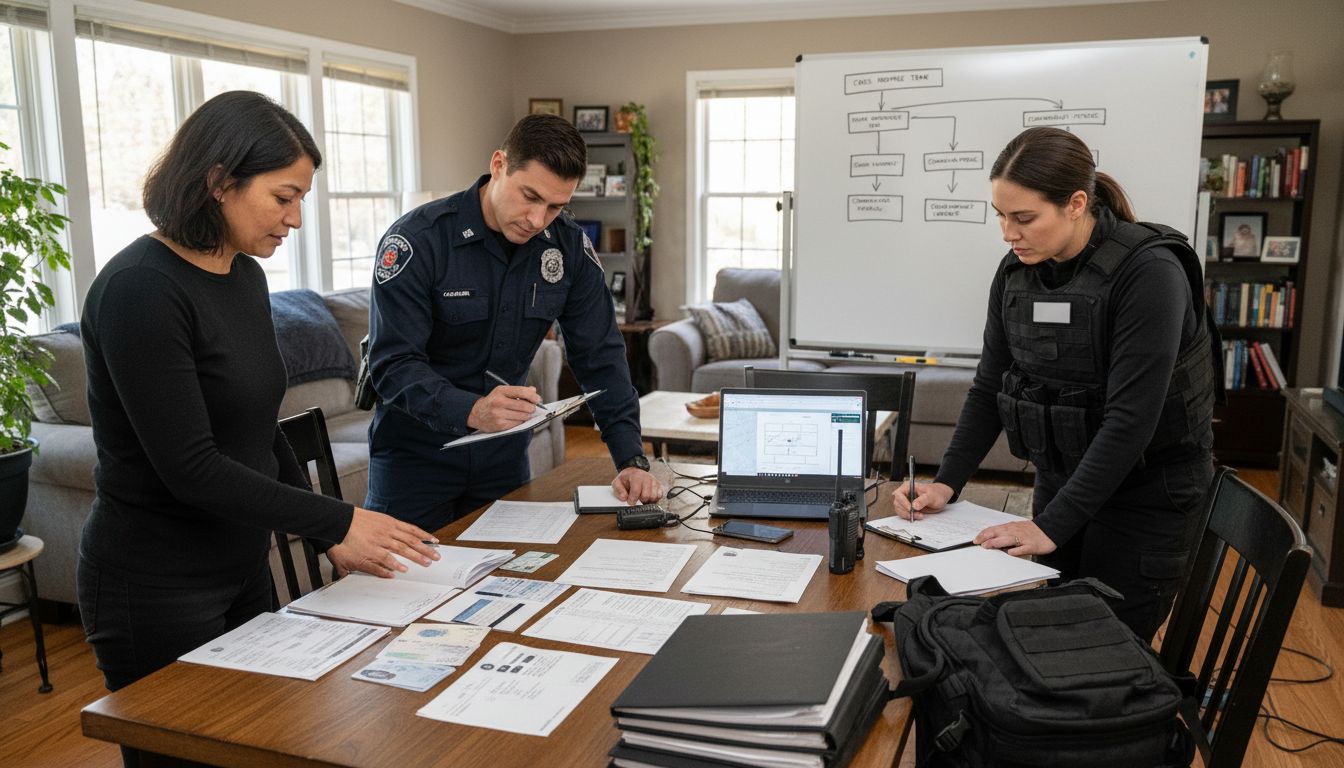
Understand that each first responder team has specific roles and responsibilities. Medical professionals will focus on health assessments, search and rescue teams will prioritize immediate safety, and utility workers will address critical infrastructure issues. Your job is to support their efforts by being clear, concise, and cooperative. Listen carefully to instructions and be prepared to follow them precisely to ensure your safety and facilitate efficient rescue operations.
Pro Tip: Create a quick summary sheet with key personal and medical information before disasters strike ensure you can quickly share essential details during high stress situations.
As roles become established, you will transition into the next phase of disaster response working collaboratively with first responders to address immediate needs and begin the recovery process.
Step 4: Facilitate Ongoing Updates and Resource Coordination
Direct Relief emphasizes the critical importance of coordinating with local, national, and international responders to prevent resource duplication and address specific community needs effectively. Establishing a consistent communication strategy becomes your primary objective during this phase of disaster response.
Maintain regular contact with your assigned first responder team and be prepared to provide continuous updates about changing conditions or emerging needs. FEMA recommends utilizing a centralized communication approach through a Joint Information Center to ensure efficient information flow among responding organizations. Document any new developments systematically identify resource gaps and be proactive in communicating potential challenges that might impact rescue and recovery efforts.
Remain flexible and patient during resource coordination.
Different response teams medical personnel, search and rescue workers, utility professionals will have varying priorities and timelines. Your role is to support their efforts by being a reliable information conduit. Provide clear concise updates share relevant observations and follow instructions carefully. Stay calm and constructive even when progress seems slow or complicated.
Pro Tip: Keep a small notebook or digital log to track interactions timestamps and key information shared with different response teams.
As resource coordination continues you will transition into the next critical phase of disaster recovery developing a comprehensive plan for long term rehabilitation and rebuilding.
Step 5: Verify Actions and Confirm Support Services Delivery
As disaster recovery progresses, carefully verifying support services and confirming the actions taken by first responders becomes crucial. SAMHSA emphasizes the importance of managing stress and ensuring effective service delivery during these challenging moments, providing resources to help you navigate this complex process.
Begin by systematically reviewing the support services promised and delivered. Request detailed documentation of actions taken medical assessments performed, emergency repairs completed, and resources allocated. Cross reference these details with your initial needs assessment to ensure nothing has been overlooked. Ask specific questions about follow-up procedures timelines for additional support and protocols for ongoing assistance. SAMHSA recommends involving your support network and maintaining clear communication channels to help manage the emotional stress of this verification process.
Pay close attention to the comprehensive nature of support services. Beyond immediate physical needs consider emotional and psychological support resources. Verify referrals to counseling services temporary housing arrangements and access to emergency financial assistance. Ensure you understand each service providers specific role and the extent of support they will provide.
 Be proactive about requesting clarification on any unclear aspects of the assistance plan.
Pro Tip: Create a checklist of promised services and track their completion to maintain a clear record of support received.
As you confirm support services you will transition into developing a more comprehensive long term recovery strategy that addresses your ongoing needs and rebuilding efforts.
Coordinate With Confidence After Disaster Strikes
Navigating the chaos after a disaster means facing the urgent need to communicate clearly with first responders and organize critical resources fast. This article highlights the challenge of gathering precise information, sharing it effectively, and maintaining ongoing updates to ensure your safety and swift recovery. If you are overwhelmed by coordinating damage reports or unsure how to connect your immediate needs to the right response teams, you are not alone.
DisasterVictimServices.com stands ready to ease your burden. As specialists in emergency response coordination, we partner directly with insurance carriers, government agencies, and first responders to bridge the gap between victims and lifesaving support. From arranging immediate housing solutions to guiding you through complex recovery logistics, our team offers compassionate expertise exactly when you need it most. Learn how our collaborative approach supports streamlined communication and efficient resource delivery through our Uncategorized resource hub and insights on project design.
Do not face disaster recovery alone. Visit DisasterVictimServices.com now to find dedicated assistance that turns overwhelming challenges into actionable steps and confident progress.
Frequently Asked Questions
How do I assess my immediate needs after a disaster?
Begin by conducting a thorough visual inspection of your environment. Document damages and identify urgent needs like food, water, and shelter to provide clear details to first responders.
What information should I communicate to first responders?
Communicate your exact location, number of people needing assistance, and any urgent health concerns. Prepare to share systematic observations about damage and potential safety risks to help prioritize their response.
How can I maintain clear communication with first responders?
Maintain a calm and organized approach when speaking to first responders. Clearly state your needs and provide regular updates about any changes in conditions or requirements.
What steps should I take to verify the support services delivered?
Systematically review the support services promised and compare them to what was delivered. Create a checklist of services received and follow up on any discrepancies to ensure all needs are addressed.
How can I encourage cooperation among different response teams?
Be transparent and provide a comprehensive overview of your situation to all responding teams. Establish a primary spokesperson to maintain clear communication and ensure everyone is informed about roles and updates.
Recommended
- First Aid Disaster Basics: Essential Steps for 2025 Recovery – Disaster Victim Services | Helping You Recover After Disaster
- Role of First Responders Explained: Complete Guide – Disaster Victim Services | Helping You Recover After Disaster
- How to Coordinate Response in Disasters: A Guide for 2025 – Disaster Victim Services | Helping You Recover After Disaster
- Understanding First Responder Roles in Emergency Situations – Disaster Victim Services | Helping You Recover After Disaster