
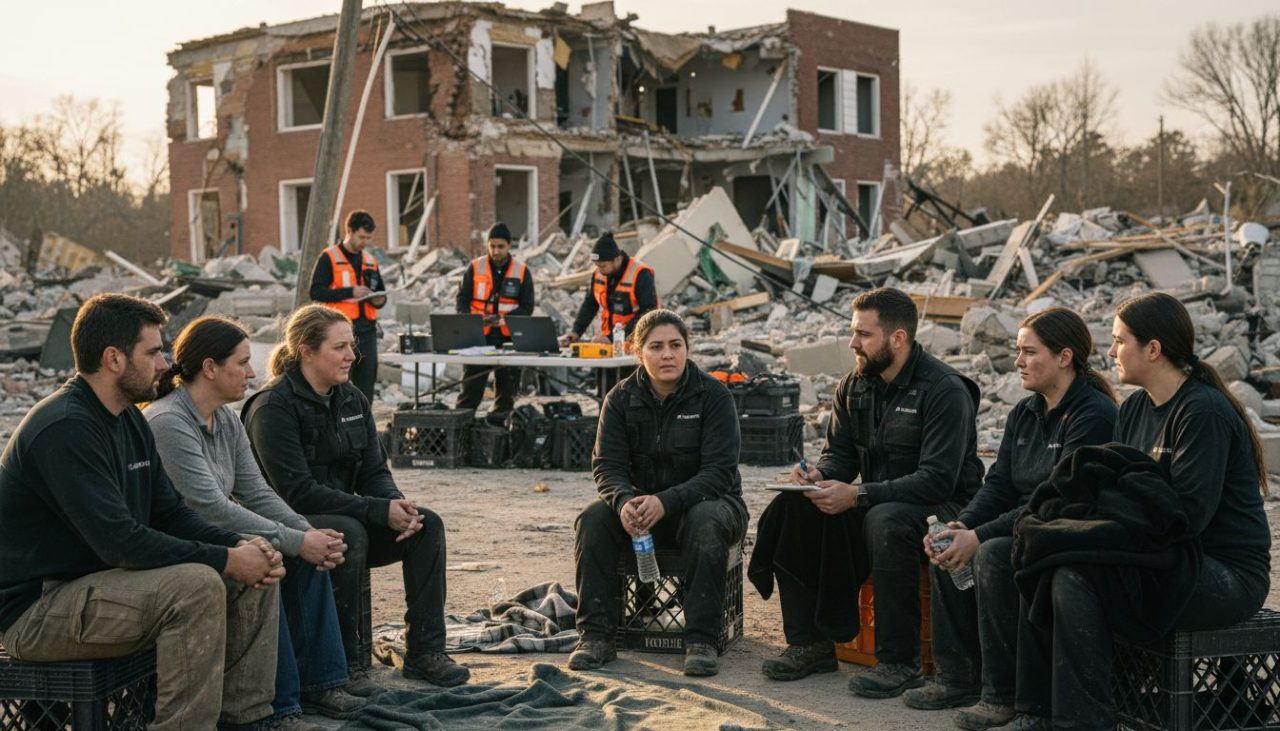
When disaster strikes, the effects linger far beyond the immediate chaos. Research shows that nearly one in three survivors develops lasting psychological symptoms after a major catastrophe. Understanding disaster trauma matters because it can reshape lives long after the event, leaving hidden wounds that require specialized support and attention. This guide clarifies what disaster trauma is, reveals how it impacts individuals on every level, and highlights pathways toward real healing and recovery.
Table of Contents
- Defining Disaster Trauma and Its Impact
- Types of Trauma Caused by Disasters
- Common Symptoms and Warning Signs
- Recovery Pathways and Support Services
- Roles of Professionals in Trauma Recovery
Key Takeaways
| Point | Details |
|---|---|
| Understanding Disaster Trauma | Disaster trauma has profound psychological and physiological impacts, often resulting in long-lasting emotional distress and mental health challenges. |
| Types of Trauma | Disasters can cause primary, secondary, tertiary, and quaternary injuries, reflecting the complex nature of trauma experienced by survivors. |
| Recognizing Symptoms | Key symptoms of disaster trauma include chronic fatigue, heightened anxiety, emotional numbness, and significant difficulty in daily functioning. |
| Role of Professionals | Various professionals, including mental health counselors and social workers, play critical roles in supporting trauma recovery through comprehensive and compassionate care. |
Defining Disaster Trauma and Its Impact
Disaster trauma represents a profound psychological and physiological response triggered by catastrophic events that overwhelm an individual’s ability to cope. According to NCBI, the Substance Abuse and Mental Health Services Administration (SAMHSA) defines trauma as an event or series of events that are physically or emotionally harmful, with lasting adverse effects on an individual’s functioning and overall well-being.
The psychological impact of disaster trauma can be complex and multifaceted. As CDC explains, traumatic incidents can result in stress reactions that manifest physically, cognitively, emotionally, and behaviorally. These reactions might include:
- Intense and unpredictable emotions
- Disrupted sleep patterns
- Heightened anxiety and hypervigilance
- Difficulty concentrating
- Potential long-term mental health challenges
Understanding disaster trauma is crucial because it goes beyond immediate physical damage. The psychological wounds can persist long after the physical environment has been restored. Individuals may experience post-traumatic stress, depression, and significant emotional distress that requires professional intervention and compassionate support.
For a deeper understanding of healing approaches, see our guide on understanding the core values of trauma informed care.
Types of Trauma Caused by Disasters
Disaster trauma manifests in complex and multifaceted ways, with distinct categories that reflect the profound psychological impact of catastrophic events. According to SAMHSA, disasters can be broadly categorized into two primary types: natural disasters and human-caused events. Natural disasters include hurricanes, earthquakes, floods, and wildfires, while human-caused events encompass terrorism, industrial accidents, and large-scale infrastructure failures.
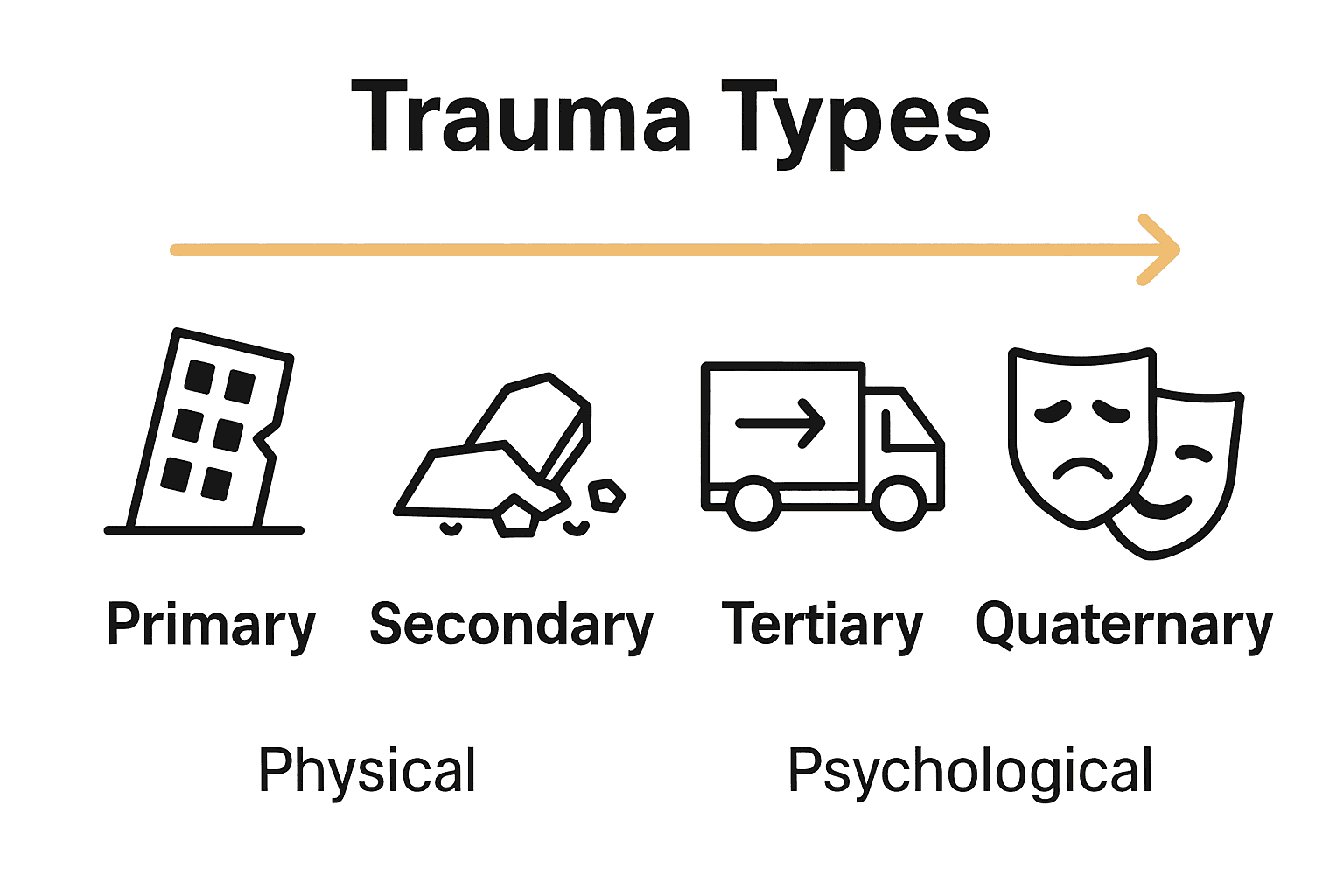
The NCBI research provides a comprehensive breakdown of trauma injury classifications that help understand the nuanced nature of disaster-related psychological and physical harm:
- Primary Injuries: Direct physical harm caused by the immediate disaster event
- Secondary Injuries: Harm from flying debris or immediate environmental hazards
- Tertiary Injuries: Trauma resulting from displacement and disruption of normal life
- Quaternary Injuries: Complex long-term effects including burns, toxic exposures, and psychological distress
Beyond physical classifications, disaster trauma also encompasses profound emotional and psychological dimensions. Individuals may experience acute stress, post-traumatic stress disorder (PTSD), depression, anxiety, and complex emotional responses that can persist long after the initial event. The psychological scars can be as debilitating as physical injuries, often requiring specialized therapeutic interventions.
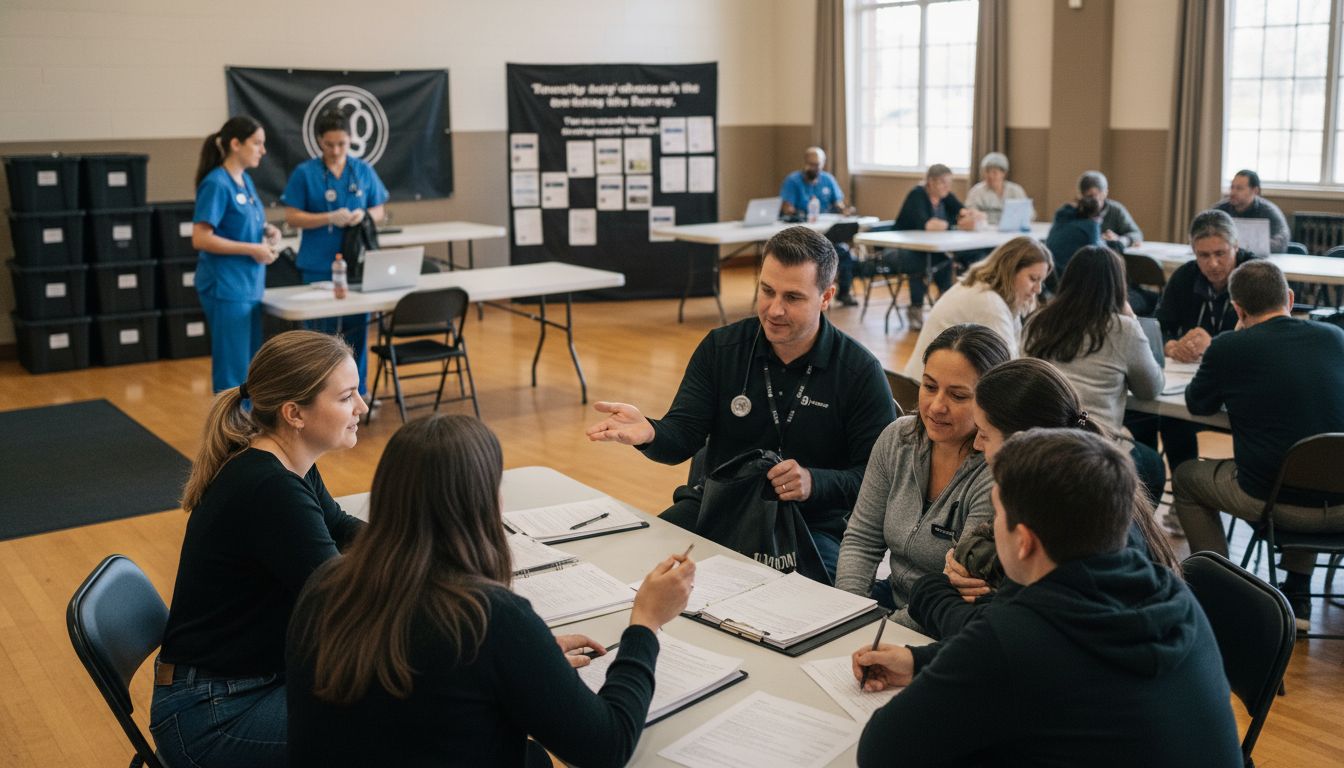
For practical guidance on managing displacement after a traumatic event, explore our guide on handling displacement.
Common Symptoms and Warning Signs
Disaster trauma manifests through a complex array of symptoms that impact individuals physically, emotionally, and psychologically. CDC research highlights four critical domains where symptoms emerge: physical, cognitive, emotional, and behavioral responses that can significantly disrupt daily functioning.
Physical Symptoms can include:
- Chronic fatigue
- Persistent headaches
- Muscle tension
- Sleep disturbances
- Digestive problems
- Increased heart rate
- Compromised immune response
Cognitive and emotional symptoms are equally challenging. According to University of Texas Health Science Center, trauma survivors often experience hypervigilance, emotional numbness, and significant difficulties maintaining personal relationships. These symptoms can manifest as:
- Persistent anxiety
- Difficulty concentrating
- Memory problems
- Emotional withdrawal
- Sudden mood swings
- Heightened startle response
Recognizing these warning signs early is crucial for seeking appropriate support and intervention.
Prolonged exposure to these symptoms without professional help can lead to more severe mental health challenges, including chronic post-traumatic stress disorder.
To understand how first responders experience similar stress reactions, check out our guide on responder fatigue warning signs.
Recovery Pathways and Support Services
Recovering from disaster trauma is a complex, multi-dimensional journey that requires comprehensive and compassionate support. NCBI highlights the critical importance of trauma-informed care, an approach that recognizes the profound impact of traumatic experiences and creates supportive environments that promote healing and resilience.
Key recovery strategies recommended by experts include:
- Seeking professional mental health counseling
- Connecting with support groups
- Practicing stress management techniques
- Establishing predictable daily routines
- Rebuilding social support networks
- Engaging in physical exercise and wellness activities
According to Tulsa Community College, effective healing involves multiple dimensions of care. Critical coping strategies encompass maintaining a healthy lifestyle, practicing relaxation techniques, and being intentional about engaging in positive activities that restore a sense of control and hope.
Professional support services play a crucial role in disaster trauma recovery. These may include individual and group therapy, crisis counseling, medical support, and specialized programs designed to address the unique challenges faced by disaster survivors. The goal is not just survival, but genuine restoration of emotional and psychological well-being.
For comprehensive guidance on navigating the recovery process, explore our guide on accessing support for disaster recovery.
Roles of Professionals in Trauma Recovery
Trauma recovery requires a collaborative and specialized approach from multiple professional disciplines. PTSD research highlights the critical roles professionals play in helping disaster survivors navigate their healing journey, emphasizing the importance of comprehensive, compassionate intervention.
Key professional roles in trauma recovery include:
- Mental Health Counselors: Provide individual and group therapy
- Social Workers: Coordinate support services and community resources
- Psychologists: Conduct psychological assessments and develop treatment plans
- Crisis Intervention Specialists: Offer immediate emotional support
- Medical Professionals: Address physical and psychological health interconnections
- Rehabilitation Specialists: Support long-term recovery and functional restoration
According to NCBI, trauma-informed professionals must critically understand the profound impact of traumatic experiences. Their fundamental responsibilities include recognizing trauma symptoms, creating safe environments, avoiding re-traumatization, and actively supporting resilience and healing.
Professionals must also practice self-care and maintain their own emotional boundaries. This involves continuous training, supervision, and personal wellness strategies to prevent burnout and secondary traumatic stress, ensuring they can provide sustainable, high-quality support to disaster survivors.
To understand more about the essential roles of first responders in this complex landscape, explore our guide on first responder roles.
Find Compassionate Support for Disaster Trauma Recovery
Experiencing disaster trauma brings overwhelming challenges such as intense emotional distress, displacement, and the urgent need for stability. The lasting psychological effects described in this guide highlight just how critical timely and compassionate support is for anyone facing these hardships. If you are struggling with disrupted routines, anxiety, or the complex aftermath of disaster trauma, you are not alone.
At DisasterVictimServices.com, we specialize in guiding victims through each step of recovery by providing immediate emergency housing and connecting you with trusted professionals who understand your situation. Our services focus on restoring hope and creating a smoother path from crisis to rebuilding. Learn more about our approach by visiting our Uncategorized category to find resources created specifically for disaster victims.
Take the first step toward regaining control and healing today. Access expert help and meaningful resources that empower you to overcome the complex effects of disaster trauma by visiting DisasterVictimServices.com. Your recovery starts here.
Frequently Asked Questions
What is disaster trauma?
Disaster trauma is a psychological and physiological response to catastrophic events that overwhelm an individual’s ability to cope, often leading to lasting adverse effects on functioning and well-being.
What are the types of trauma caused by disasters?
Disaster trauma can be categorized into natural disasters (like hurricanes and earthquakes) and human-caused events (such as terrorism and industrial accidents), encompassing various injury classifications from immediate physical harm to long-term psychological distress.
What are common symptoms of disaster trauma?
Common symptoms include physical reactions like chronic fatigue and sleep disturbances, as well as emotional and cognitive responses such as anxiety, emotional numbness, and difficulty concentrating.
How can individuals recover from disaster trauma?
Recovery from disaster trauma involves seeking professional counseling, participating in support groups, practicing stress management techniques, and rebuilding social support networks to promote healing and resilience.
Recommended
- Complete Guide to Disaster Recovery Plans – Disaster Victim Services | Helping You Recover After Disaster
- How to Manage Displacement: Practical Steps for Disaster Recovery 2025 – Disaster Victim Services | Helping You Recover After Disaster
- How to Access Support: Guide for Disaster Recovery 2025 – Disaster Victim Services | Helping You Recover After Disaster
- The 4 R’s in Trauma Informed Care Explained – Disaster Victim Services | Helping You Recover After Disaster