

The evacuation process might sound simple at first because it means moving people away from danger. Everyone knows emergencies like hurricanes or wildfires can strike fast but what most people miss is how organized survival really works. FEMA reports that a coordinated evacuation plan, with clear routes and assigned roles, can be the difference between disaster and hundreds of lives saved. These plans are less about running and more about creating order in chaos which sets the stage for some surprising lessons on how communities keep people safe when every second counts.
Table of Contents
- What Is The Evacuation Process And Its Importance?
- The Key Principles Behind Effective Evacuation Strategies
- Understanding Risk Assessment In Evacuation Scenarios
- How Community Involvement Enhances Evacuation Efficiency
- Lessons Learned From Past Evacuations And Their Impact
Quick Summary
| Takeaway | Explanation |
|---|---|
| Effective evacuation requires clear communication | Ensuring robust communication channels prevents panic and provides necessary directives during emergencies. |
| Prioritize community involvement for better response | Engaging community members enhances resource sharing and support during evacuations, improving overall efficiency. |
| Conduct thorough risk assessments beforehand | Identifying potential hazards and vulnerable populations allows for more precise and adaptable evacuation plans. |
| Utilize historical lessons to improve strategies | Analyzing past evacuations offers critical insights that can refine current evacuation processes and increase safety. |
| Establish clear roles for responders | Assigning specific responsibilities to emergency responders ensures organized movements and maximizes effectiveness during evacuations. |
What is the Evacuation Process and Its Importance?
The evacuation process represents a critical emergency response strategy designed to protect human life during imminent threats such as natural disasters, industrial accidents, or potential security risks. Unlike simple relocation, evacuation involves a systematic, coordinated movement of people from dangerous areas to safer locations under structured guidance and support.
Understanding the Core Concept
At its fundamental level, an evacuation process goes beyond just leaving a location. Learn more about emergency preparedness involves comprehensive planning, communication, and execution to ensure individuals can safely exit potentially hazardous environments.
According to FEMA guidelines, an effective evacuation process requires several critical components:
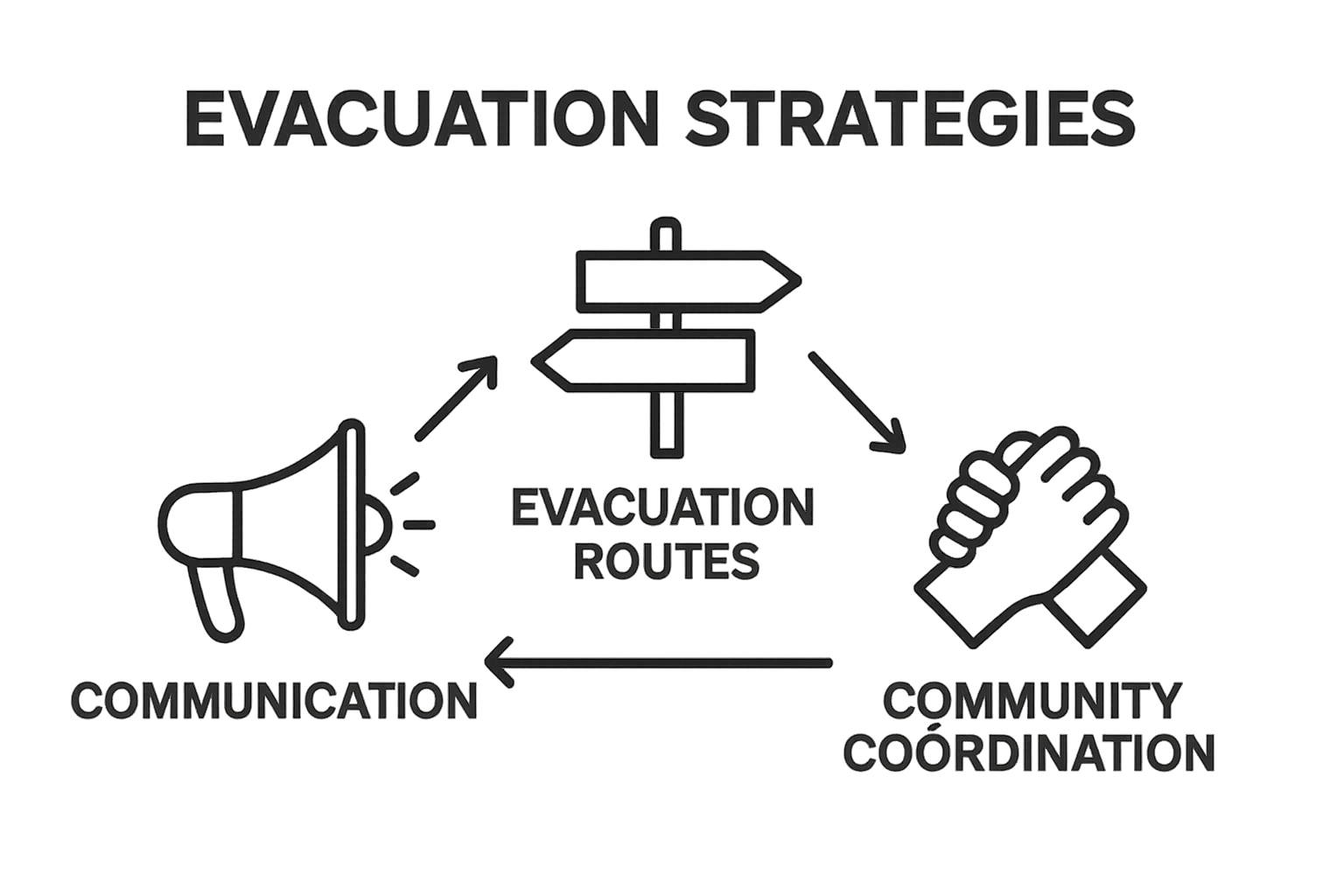
- Clear communication channels
- Designated evacuation routes
- Predetermined safe assembly points
- Specific role assignments for emergency responders
Why Evacuation Matters
The importance of a well-executed evacuation process cannot be overstated. During high-risk scenarios like hurricanes, wildfires, or industrial emergencies, rapid and organized evacuation can mean the difference between life and death. According to NOAA research, timely evacuations have historically prevented numerous potential fatalities by moving populations away from immediate danger zones.
Evacuation processes are not just about movement but about creating a structured, predictable response that minimizes panic, reduces potential injuries, and ensures the maximum number of people can reach safety efficiently. By understanding and preparing for potential emergency scenarios, communities and individuals can significantly improve their chances of survival and resilience during unexpected challenges.
The Key Principles Behind Effective Evacuation Strategies
Effective evacuation strategies represent a sophisticated framework of interconnected principles designed to protect human life during emergency scenarios. These strategies go far beyond simple movement instructions, encompassing comprehensive planning, communication, and adaptive response mechanisms.
Comprehensive Risk Assessment
Explore our emergency preparedness guide reveals that successful evacuation begins with thorough risk evaluation. According to FEMA planning guidelines, organizations must conduct detailed assessments that consider multiple potential scenarios and their unique characteristics.
Key components of comprehensive risk assessment include:
- Identifying potential hazard types and their specific impact zones
- Analyzing population demographics and vulnerability levels
- Mapping critical infrastructure and potential evacuation routes
- Understanding local geographical and environmental constraints
Communication and Coordination Protocols
Communication represents the critical nervous system of any evacuation strategy. Effective protocols ensure clear, timely, and accessible information transmission across multiple channels and stakeholder groups. Robust communication mechanisms prevent panic, provide clear instructions, and facilitate organized movement.
Strategic communication involves establishing:
- Multilingual emergency notifications
- Accessible information for individuals with disabilities
- Real-time updates through diverse communication platforms
- Clear chain of command and decision-making authority
The National Academies emphasize that successful evacuation strategies must be risk-informed, inclusive, and adaptable. By integrating comprehensive assessment, strategic communication, and flexible response mechanisms, communities can significantly enhance their emergency preparedness and resilience during unexpected challenges.
Understanding Risk Assessment in Evacuation Scenarios
Risk assessment in evacuation scenarios represents a sophisticated analytical process that transforms complex emergency situations into strategic, actionable plans. It goes beyond simple threat identification, providing a comprehensive framework for understanding potential hazards, their potential impacts, and the most effective mitigation strategies.
Foundations of Comprehensive Risk Evaluation
Explore our detailed risk management strategies demonstrate that effective risk assessment requires a multifaceted approach. According to FEMA’s National Risk and Capability Assessment, organizations must systematically examine potential threats through a structured, three-step process.
Key elements of comprehensive risk evaluation include:
- Identifying specific potential threats and hazards
- Analyzing the potential severity and likelihood of each scenario
- Determining potential cascading or secondary impacts
- Assessing community vulnerabilities and resilience capacities
Analytical Frameworks and Methodological Approaches
Risk assessment in evacuation scenarios is not a one-size-fits-all process. Different emergency contexts require tailored analytical approaches that consider unique geographical, demographic, and infrastructural characteristics. Effective risk assessment integrates quantitative data analysis with qualitative environmental and social understanding.
Critical considerations in risk assessment methodology involve:
- Utilizing advanced geospatial mapping technologies
- Incorporating historical disaster data and predictive modeling
- Engaging local community stakeholders for contextual insights
- Developing adaptive and flexible response frameworks
By systematically breaking down potential risks, emergency planners can create more precise, responsive, and effective evacuation strategies that prioritize human safety and community resilience.
To highlight the essential components and considerations of a comprehensive risk assessment in evacuation planning, the following table summarizes the key elements outlined in the article.
| Component | Explanation |
|---|---|
| Identifying Hazard Types | Determining specific hazards (e.g., hurricanes, wildfires, industrial accidents) and impact areas |
| Population Demographics & Vulnerability | Assessing who is most at risk based on age, health, mobility, or other factors |
| Critical Infrastructure & Routes | Mapping out essential infrastructure and safest evacuation routes |
| Geographical & Environmental Constraints | Considering local terrain, weather, and potential obstacles |
| Severity & Likelihood Analysis | Evaluating how likely and severe each risk scenario could be |
| Secondary Impacts Assessment | Determining potential cascading effects following an initial disaster |
| Community Resilience Capacity | Analyzing how equipped a community is to respond and recover |
The ultimate goal is not just to predict potential challenges but to develop proactive, comprehensive plans that can be rapidly implemented when emergencies arise.
How Community Involvement Enhances Evacuation Efficiency
Community involvement represents a critical, often overlooked dimension of successful emergency response strategies. By transforming passive recipients into active participants, communities can significantly improve their collective resilience and evacuation effectiveness during high-stakes emergency scenarios.
Social Networks as Critical Infrastructure
Check out our community preparedness resources highlight the profound impact of social connections during emergencies. According to NIST’s community-centered evacuation research, local knowledge and interpersonal networks are powerful tools in emergency management.
Key ways social networks contribute to evacuation efficiency include:
- Rapid information dissemination through trusted personal channels
- Coordinated support for vulnerable community members
- Shared resources and transportation capabilities
- Mutual emotional and logistical support during high-stress situations
Building Collaborative Emergency Preparedness
Effective community involvement goes beyond simply informing residents about potential risks. It requires creating robust, participatory frameworks that empower individuals to understand, prepare for, and respond to emergency scenarios collaboratively.
Strategic approaches to enhancing community involvement encompass:
- Developing neighborhood-level emergency response teams
- Conducting regular community training and simulation exercises
- Creating accessible communication platforms for real-time information sharing
- Establishing clear roles and responsibilities for community members
By recognizing communities as dynamic, interconnected systems rather than collections of isolated individuals, emergency planners can design more responsive, adaptive evacuation strategies. The goal is to transform theoretical evacuation plans into living, breathing frameworks that leverage the collective intelligence, resilience, and compassion of community networks.
The following table provides a concise comparison between traditional evacuation approaches and community-involved evacuation strategies based on concepts discussed in the article. This aids in understanding the benefits of community engagement in emergency preparedness.
| Aspect | Traditional Approach | Community-Involved Approach |
|---|---|---|
| Information Flow | One-way, top-down | Two-way, uses local knowledge and feedback |
| Resource Utilization | Centralized, agency-driven | Shared resources and support within the community |
| Support for Vulnerable Groups | Often overlooked | Actively coordinated through social networks |
| Adaptability | Less flexible, standard procedures | Highly adaptable to specific community needs |
| Preparedness Engagement | Limited participation from residents | Active involvement in drills and planning |
Lessons Learned from Past Evacuations and Their Impact
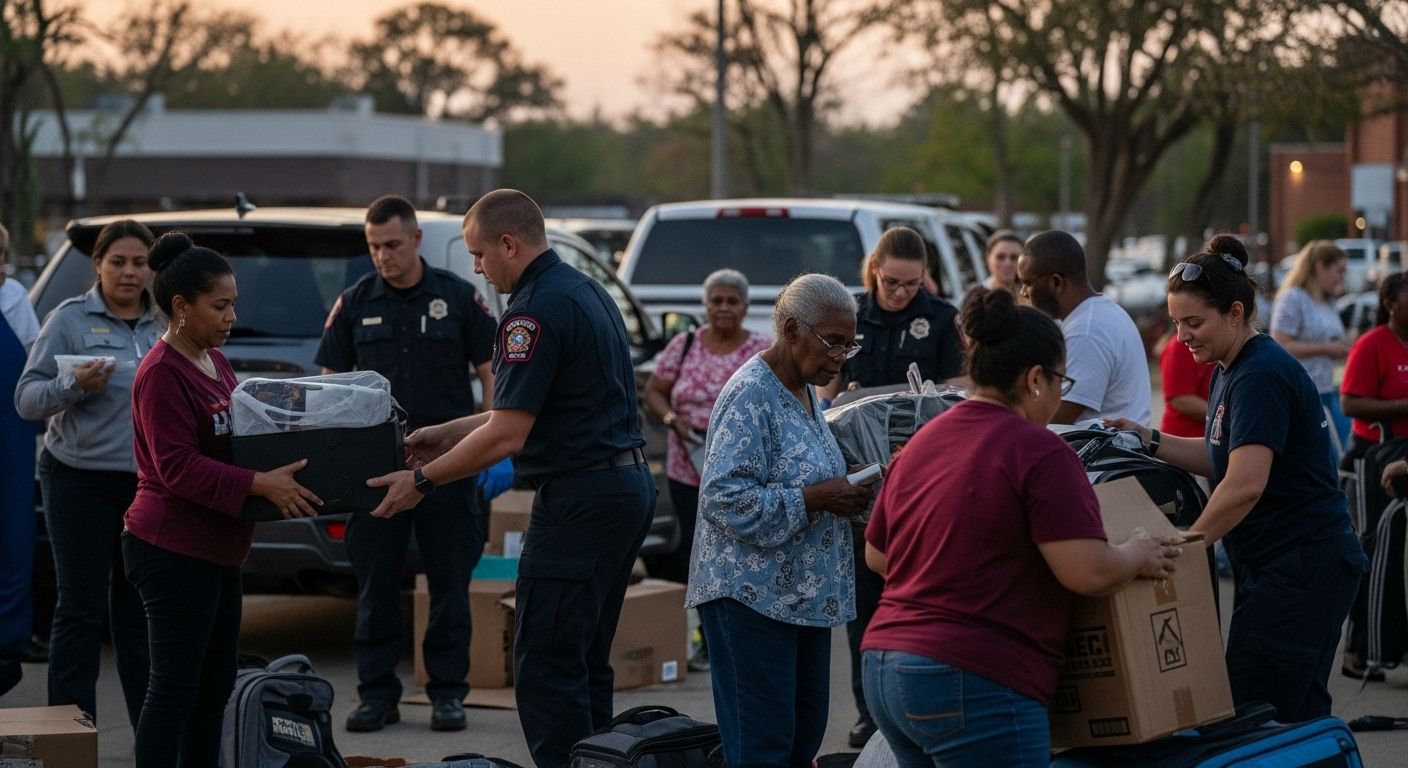
Historical emergency evacuations serve as critical learning laboratories, revealing intricate insights into human behavior, systemic challenges, and the complex dynamics of large-scale emergency response. These experiences provide invaluable knowledge that continually reshapes our understanding of effective evacuation strategies.
Systemic Vulnerabilities and Communication Challenges
Explore our emergency response insights reveal the profound lessons from recent disaster scenarios. According to NIST’s comprehensive evacuation research, past evacuations have exposed critical systemic vulnerabilities that demand immediate attention.
Key systemic challenges identified through historical analysis include:
- Fragmented communication infrastructure
- Inadequate pre-event planning and coordination
- Limited real-time situational awareness capabilities
- Insufficient support for vulnerable population groups
Transforming Challenges into Strategic Improvements
Emergency response professionals recognize that each evacuation scenario offers a unique opportunity for learning and improvement. By meticulously analyzing past events, organizations can develop more robust, adaptive, and resilient evacuation frameworks.
Critical strategic improvements emerging from historical lessons include:
- Developing multi-channel communication protocols
- Creating more flexible, adaptive evacuation strategies
- Implementing comprehensive community training programs
- Establishing clear, unified incident command structures
The evolution of evacuation strategies is not a linear process but a dynamic, continuous adaptation. Each disaster provides crucial insights that help emergency planners refine their approaches, ultimately improving community safety and resilience. The goal is not just to respond to emergencies but to proactively create systems that can anticipate, adapt, and effectively manage complex, unpredictable scenarios.
Ready to Put Evacuation Best Practices into Real-World Action?
After learning about the complexity of evacuation processes and the importance of risk assessment, efficient communication, and community coordination, you might feel unsure about how these best practices translate into true recovery for those impacted by disasters. Uncertainty, personal safety concerns, and the need for a clear step-by-step plan are common pain points, especially when emergencies disrupt your home and your sense of security.
At Disaster Victim Services, our mission is to bridge this gap. We are here to connect you and your loved ones with expert support, critical emergency housing, and streamlined logistics when you need them most. Our dedicated team helps guide you through the confusion of evacuation and recovery, working directly with insurers and agencies to make your transition as smooth as possible. Explore our Uncategorized knowledge base for practical resources tailored to your situation. If recovery or reconstruction is your next step, visit Renovation for specialized assistance. Do not wait to get the support, compassion, and expertise you deserve—start your recovery journey now and regain control over your future.
Frequently Asked Questions
What is the evacuation process?
The evacuation process is a systematic, coordinated movement of people from dangerous areas to safer locations during imminent threats such as natural disasters, industrial accidents, or security risks.
Why is evacuation important during emergencies?
Evacuation is crucial as it can save lives during high-risk scenarios such as hurricanes or wildfires. A well-planned evacuation reduces panic and facilitates organized movement to safety.
What are the key components of an effective evacuation strategy?
Key components of an effective evacuation strategy include clear communication channels, designated evacuation routes, safe assembly points, and assigned roles for emergency responders.
How can communities prepare for evacuations?
Communities can prepare for evacuations by conducting risk assessments, developing communication protocols, engaging in regular training exercises, and establishing neighborhood emergency response teams.