

Safety assessments shape the way we face danger at work, on construction sites, or during disaster response planning. Most people assume these are routine checkmarks on a long compliance list, just another task in the workflow. But research shows organizations that conduct regular safety assessments are 50% more likely to prevent workplace incidents and cut their losses. It turns out that what seems like another layer of paperwork is actually the single most powerful tool for saving lives and protecting your company.
Table of Contents
- Understanding Safety Assessments And Their Importance
- Step-By-Step Process For Conducting Safety Assessments
- Key Safety Assessment Tools And Best Practices
- Tailoring Safety Assessments To Different Roles And Needs
Quick Summary
| Takeaway | Explanation |
|---|---|
| Conduct thorough preliminary preparations | Gather documents and consult stakeholders to understand the context before assessments. |
| Utilize a systematic hazard identification process | Follow a structured approach to recognize risks, prioritize them based on severity and likelihood. |
| Develop targeted mitigation strategies | Create strategic interventions aimed at eliminating or reducing identified risks effectively. |
| Incorporate best practices in implementation | Engage cross-functional teams and maintain detailed documentation for assessment processes. |
| Adapt assessments to specific roles and sectors | Customize safety evaluations to address unique challenges and risks associated with different environments. |
Understanding Safety Assessments and Their Importance
Safety assessments are comprehensive evaluations designed to identify, analyze, and mitigate potential risks in various environments and situations. These critical processes serve as a proactive approach to preventing accidents, protecting lives, and minimizing potential damage across multiple sectors.
The Core Purpose of Safety Assessments
At their fundamental level, safety assessments are strategic tools that help organizations and individuals systematically evaluate potential hazards and develop comprehensive prevention strategies. Research from the National Safety Council reveals that organizations that conduct regular safety assessments are 50% more likely to prevent workplace incidents and reduce potential financial losses.
The primary objectives of safety assessments include:
- Risk Identification: Systematically detecting potential threats and vulnerabilities in a specific environment
- Probability Analysis: Evaluating the likelihood and potential impact of identified risks
- Mitigation Planning: Developing strategic interventions to minimize or eliminate potential hazards
Comprehensive Approach to Safety Assessment
Effective safety assessments go beyond simple checklist completion. They require a holistic approach that considers multiple dimensions of risk. According to the Occupational Safety and Health Administration (OSHA), comprehensive safety assessments should integrate technical evaluations, human factor analysis, and environmental considerations.
This multifaceted approach involves examining physical infrastructure, analyzing human behavior patterns, understanding equipment functionality, and assessing potential external factors that could compromise safety. For disaster victims and emergency responders, these assessments become even more critical in high-stakes environments where quick, accurate risk evaluation can mean the difference between safety and potential catastrophe.
Transformative Impact of Safety Assessments
Safety assessments are not merely theoretical exercises but practical tools with transformative potential. They provide actionable insights that enable proactive risk management across various domains. Whether in emergency response, construction, healthcare, or disaster recovery, these assessments serve as fundamental mechanisms for protecting human lives and minimizing potential disruptions.
For professionals involved in disaster recovery, safety assessments represent a critical first step in understanding and mitigating complex risk scenarios. By systematically evaluating potential threats, organizations can develop targeted strategies that enhance overall safety and resilience.
Understanding safety assessments requires recognizing their dynamic nature. These are not static documents but living processes that adapt to changing environmental conditions, technological advancements, and emerging risk profiles. Successful implementation demands continuous learning, regular updates, and a commitment to maintaining the highest safety standards.
As our world becomes increasingly complex and interconnected, the importance of thorough, strategic safety assessments cannot be overstated. They represent our most sophisticated tool for anticipating, preventing, and responding to potential risks across numerous contexts.
Step-by-Step Process for Conducting Safety Assessments
Conducting a comprehensive safety assessment requires a systematic and strategic approach that ensures thorough risk identification and effective mitigation strategies. This process demands meticulous planning, careful execution, and continuous evaluation to protect individuals and organizations from potential hazards.
Preliminary Preparation and Information Gathering
Before diving into the assessment, professionals must establish a solid foundation. According to the Occupational Safety and Health Administration (OSHA), the initial phase involves comprehensive information collection and context establishment.
Key preparatory steps include:
- Document Review: Examining existing safety records, incident reports, and previous assessment documentation
- Stakeholder Consultation: Engaging with workers, managers, and subject matter experts to gather insights
- Site and Environment Mapping: Creating detailed visual representations of the assessment area
This preparatory phase helps create a robust framework for subsequent risk evaluation. By understanding the specific context and historical data, assessors can develop more targeted and effective strategies.
Systematic Hazard Identification and Risk Analysis
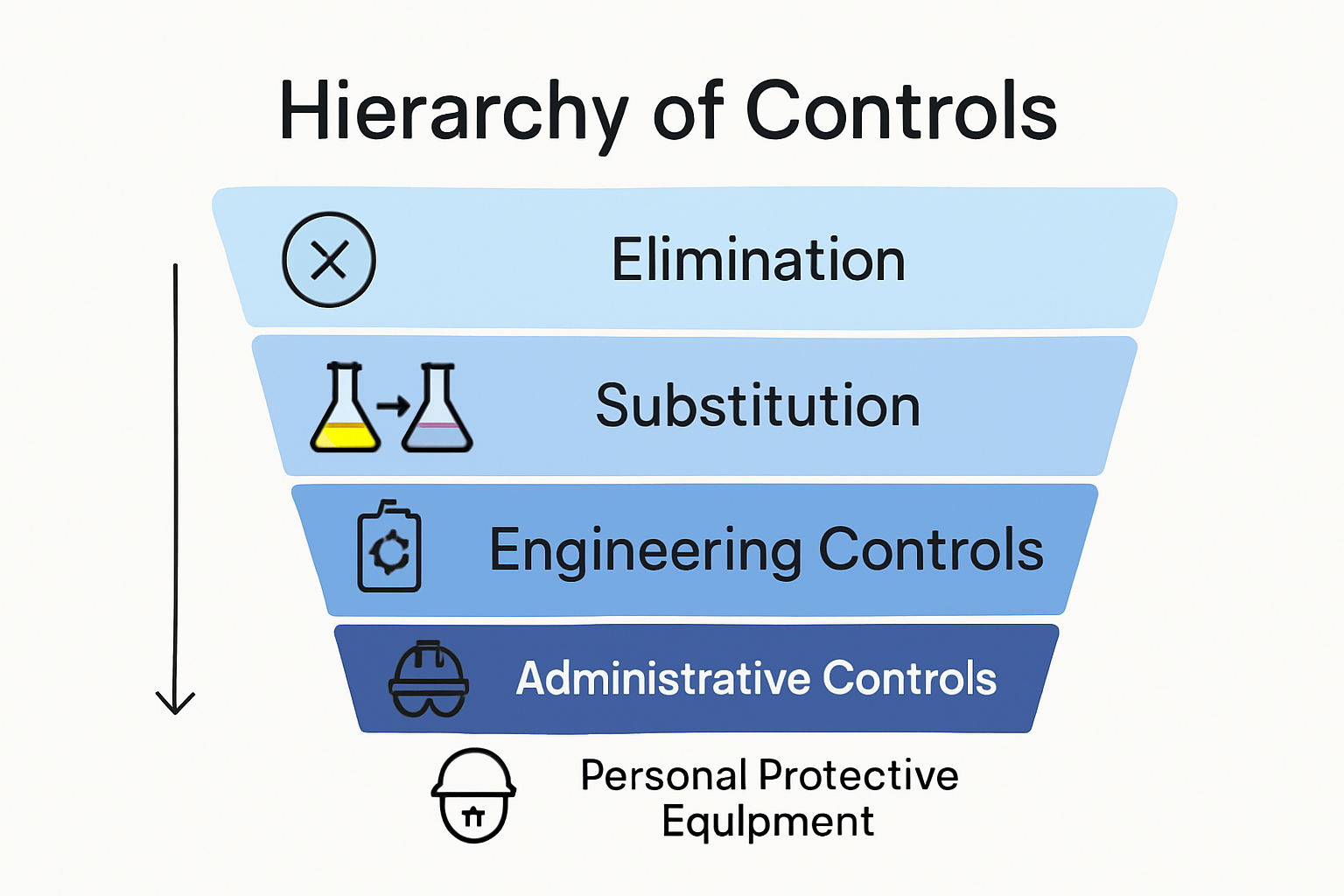
The core of safety assessment lies in systematic hazard identification. Research from the National Institute for Occupational Safety and Health emphasizes a hierarchical approach to risk management that prioritizes elimination and substitution of potential hazards.
The risk analysis process typically involves:
- Physical hazard inspection
- Equipment and infrastructure evaluation
- Human behavior and interaction assessment
- Environmental condition analysis
Professionals must categorize risks based on their potential severity and likelihood of occurrence. This involves creating a comprehensive risk matrix that helps prioritize mitigation efforts and allocate resources effectively.
Developing and Implementing Mitigation Strategies
Once risks are identified and analyzed, the final critical step involves developing targeted mitigation strategies. For professionals involved in disaster recovery, this phase is crucial in preventing potential catastrophic events.
Effective mitigation strategies should:
- Prioritize risk elimination or substitution
- Implement engineering controls
- Establish administrative protocols
- Provide appropriate personal protective equipment
- Create clear communication and response protocols
Successful safety assessments are not one-time events but ongoing processes. Organizations must commit to regular reassessments, continuous learning, and adaptive strategies that evolve with changing environmental conditions and emerging technologies.
By following this systematic approach, professionals can transform safety assessments from theoretical exercises into practical tools that genuinely protect lives and minimize potential disruptions across various sectors and scenarios.
To help readers quickly understand the main phases of the safety assessment process, the table below summarizes each step and its essential activities.
| Safety Assessment Phase | Key Activities |
|---|---|
| Preliminary Preparation | Review safety documents, consult stakeholders, map the environment |
| Hazard Identification & Risk Analysis | Inspect for hazards, assess equipment, analyze human behavior and environment, create a risk matrix |
| Developing Mitigation Strategies | Prioritize elimination/substitution, implement controls, establish protocols, provide PPE, plan communication |
| Continuous Improvement | Commit to regular reassessment, continuous learning, and adapt strategies based on changing conditions |
Key Safety Assessment Tools and Best Practices
Safety assessments require sophisticated tools and proven methodologies to effectively identify, analyze, and mitigate potential risks. Professionals across various sectors rely on a comprehensive suite of assessment instruments that enable systematic and thorough evaluations.
Essential Assessment Instruments and Technological Solutions
According to the Occupational Safety and Health Administration (OSHA), modern safety assessments leverage both traditional and advanced technological tools to enhance risk identification and management.
Key assessment tools include:
- Risk Assessment Matrices: Quantitative frameworks for evaluating potential hazards based on likelihood and severity
- Digital Inspection Checklists: Standardized digital forms enabling comprehensive and consistent documentation
- Geographic Information Systems (GIS): Advanced mapping technologies for spatial risk analysis
- Predictive Analytics Software: Machine learning tools that anticipate potential risk scenarios
Research from the National Institute for Occupational Safety and Health emphasizes the importance of integrating multiple assessment tools to create a holistic risk management approach. These instruments allow professionals to move beyond reactive strategies and develop proactive prevention mechanisms.
Best Practices in Safety Assessment Implementation
Successful safety assessments transcend mere tool utilization. They require strategic implementation and a comprehensive organizational approach. Critical best practices include:
- Establishing clear assessment objectives
- Ensuring cross-functional team involvement
- Maintaining thorough and accurate documentation
- Implementing continuous monitoring and evaluation systems
- Promoting a culture of safety and transparency
For professionals involved in disaster recovery, adopting these best practices becomes even more critical. The dynamic and unpredictable nature of emergency scenarios demands rigorous and adaptable safety assessment methodologies.
Emerging Trends in Safety Assessment Technologies
Technological advancements are revolutionizing safety assessment approaches. Innovations such as artificial intelligence, real-time sensor networks, and advanced data analytics are transforming how organizations identify and mitigate potential risks.
Emerging trends include:
- Artificial intelligence-powered risk prediction models
- Wearable technology for real-time safety monitoring
- Drone-based infrastructure and environmental assessments
- Cloud-based collaborative risk management platforms
These technological innovations enable more precise, efficient, and comprehensive safety assessments. By integrating cutting-edge tools with established best practices, organizations can develop robust risk management strategies that protect human lives and minimize potential disruptions.
The future of safety assessments lies in continuous innovation, interdisciplinary collaboration, and a commitment to leveraging technology to create safer environments across diverse sectors and scenarios.
Tailoring Safety Assessments to Different Roles and Needs
Safety assessments are not one-size-fits-all procedures. Each professional role, industry, and environment requires a nuanced approach that considers unique risks, challenges, and operational dynamics. Effective safety evaluations demand sophisticated, adaptable strategies that recognize the distinct needs of different sectors and professional contexts.
Role-Specific Risk Identification Strategies
According to the Occupational Safety and Health Administration (OSHA), safety assessments must be meticulously customized to address the specific hazards associated with individual job functions and workplace environments.
Key considerations for role-specific assessments include:
- Physical Environment Analysis: Evaluating workplace-specific infrastructure and potential hazards
- Task-Related Risk Mapping: Identifying unique risks associated with specific job responsibilities
- Professional Exposure Assessment: Understanding distinct health and safety challenges for different roles
- Equipment and Tool Interaction: Analyzing potential risks related to specialized equipment usage
Research from the Journal of Safety Research emphasizes that customized assessment protocols significantly improve hazard identification and control across diverse professional settings.
Sector-Specific Safety Assessment Approaches
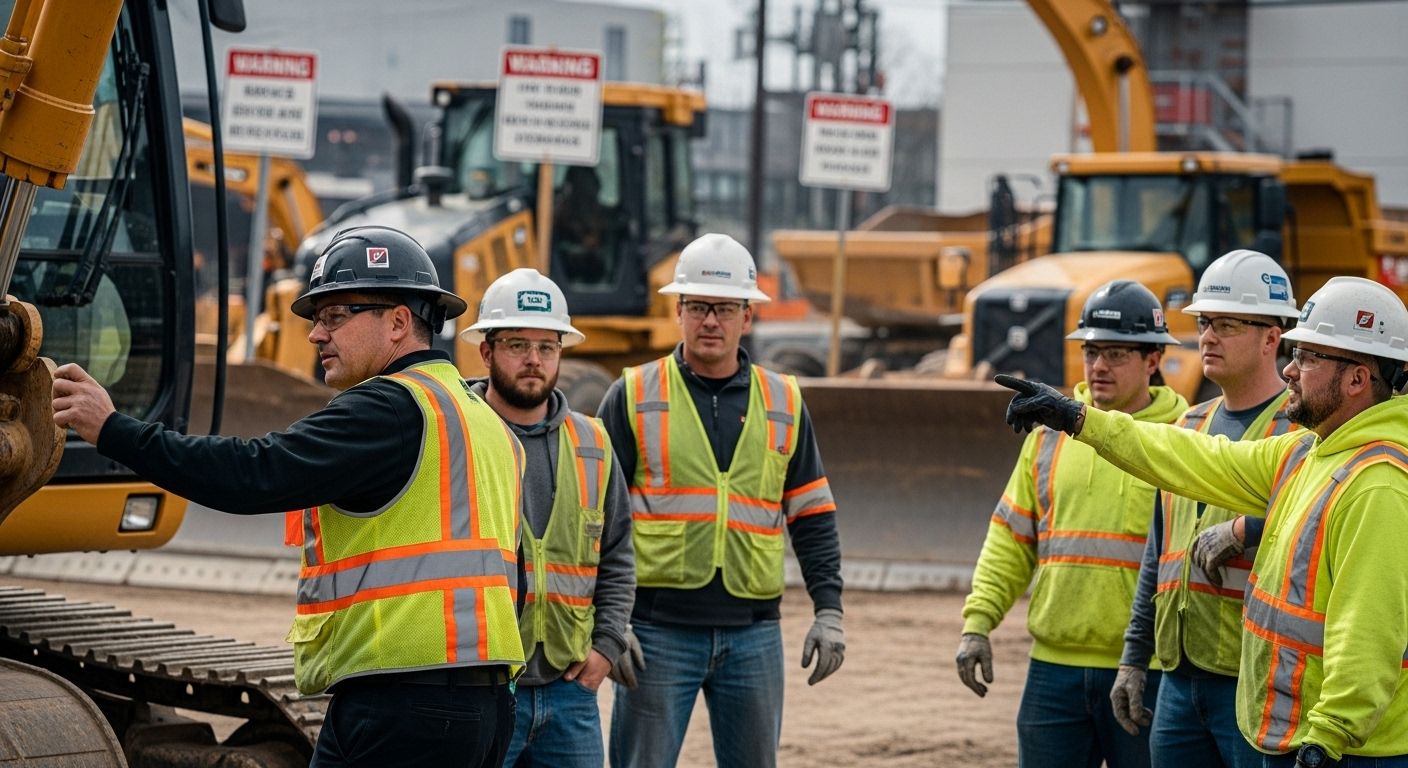
Different industries require specialized safety assessment methodologies that reflect their unique operational challenges. Emergency responders, construction workers, healthcare professionals, and disaster recovery teams each face distinct risk landscapes that demand targeted evaluation strategies.
For emergency response professionals, safety assessments must account for unpredictable and high-stress environments. These evaluations go beyond traditional risk identification, incorporating psychological resilience, rapid decision-making capabilities, and adaptability under extreme conditions.
Key sector-specific considerations include:
The following table compares key sector-specific considerations for safety assessments, helping professionals understand the unique focus areas required in different industries.
| Sector | Unique Safety Focus Areas |
|---|---|
| Emergency Services | Real-time risk adaptation, psychological readiness |
| Construction | Complex equipment use, environmental hazards |
| Healthcare | Infection control, patient handling risks |
| Disaster Recovery | Dynamic environments, traumatic exposure prevention |
- Emergency Services: Real-time risk adaptation and psychological preparedness
- Construction: Complex equipment interaction and environmental hazards
- Healthcare: Infection control and patient handling risks
- Disaster Recovery: Dynamic environmental challenges and potential traumatic exposures
Adaptive Assessment Frameworks for Evolving Risks
Modern safety assessments must be dynamic systems that continuously evolve with changing technological, environmental, and operational landscapes. This requires developing flexible frameworks that can quickly integrate new information, emerging risks, and technological innovations.
Critical components of adaptive safety assessment frameworks include:
- Continuous learning and update mechanisms
- Real-time data integration capabilities
- Interdisciplinary collaboration platforms
- Advanced predictive risk modeling technologies
Successful safety assessments recognize that risk is not static. They demand a proactive, forward-thinking approach that anticipates potential challenges before they manifest. By developing nuanced, role-specific strategies, organizations can create comprehensive safety ecosystems that protect professionals across diverse and complex environments.
The future of safety assessments lies in recognizing individual complexity, embracing technological innovation, and maintaining a holistic understanding of risk that transcends traditional assessment methodologies.
Frequently Asked Questions
What is the purpose of safety assessments?
Safety assessments are designed to identify, analyze, and mitigate potential risks in various environments, helping organizations to prevent accidents and protect lives.
How do I conduct a safety assessment?
To conduct a safety assessment, follow these steps: 1) Preliminary preparation and information gathering, 2) Systematic hazard identification and risk analysis, and 3) Developing and implementing mitigation strategies.
What tools are commonly used in safety assessments?
Common tools include risk assessment matrices, digital inspection checklists, Geographic Information Systems (GIS), and predictive analytics software to enhance risk identification and management.
How can safety assessments be adapted for different industries?
Safety assessments can be customized by considering role-specific risks, sector-specific challenges, and the unique operational dynamics of each industry, ensuring that they effectively address the specific hazards associated with different environments.
Take Safety Assessments Further with Disaster Victim Services
Understanding how to perform an effective safety assessment is vital, but implementation matters most when lives and homes are on the line. If you are facing overwhelming hazards, managing risk during disaster recovery, or coordinating complex emergency logistics, you need support that goes beyond simple checklists. The pain of uncertainty and urgency can hold back your recovery unless you have real experts ensuring safety is more than just a theory.
At Disaster Victim Services, our team puts proven safety assessment strategies into real action every day. We work with families and organizations across the country, offering immediate housing solutions, logistical expertise, and around-the-clock support when every moment counts. Want to turn thorough planning into confident action? Visit our Uncategorized Resource Center for more guidance and discover how our services bridge the gap between assessment and full recovery. Take the next step with our specialists now at Disaster Victim Services and ensure your safety planning leads to real results when disaster strikes.
Recommended
- Essential Risk Assessment Checklist for Disaster Recovery – Disaster Victim Services | Helping You Recover After Disaster
- Risk Assessment Steps for Disaster Response in 2025 – Disaster Victim Services | Helping You Recover After Disaster
- Responder Safety Protocols: Essential Steps for 2025 Emergencies – Disaster Victim Services | Helping You Recover After Disaster
- Home Safety Improvements 2025: Essential Updates for Secure Living – Disaster Victim Services | Helping You Recover After Disaster