
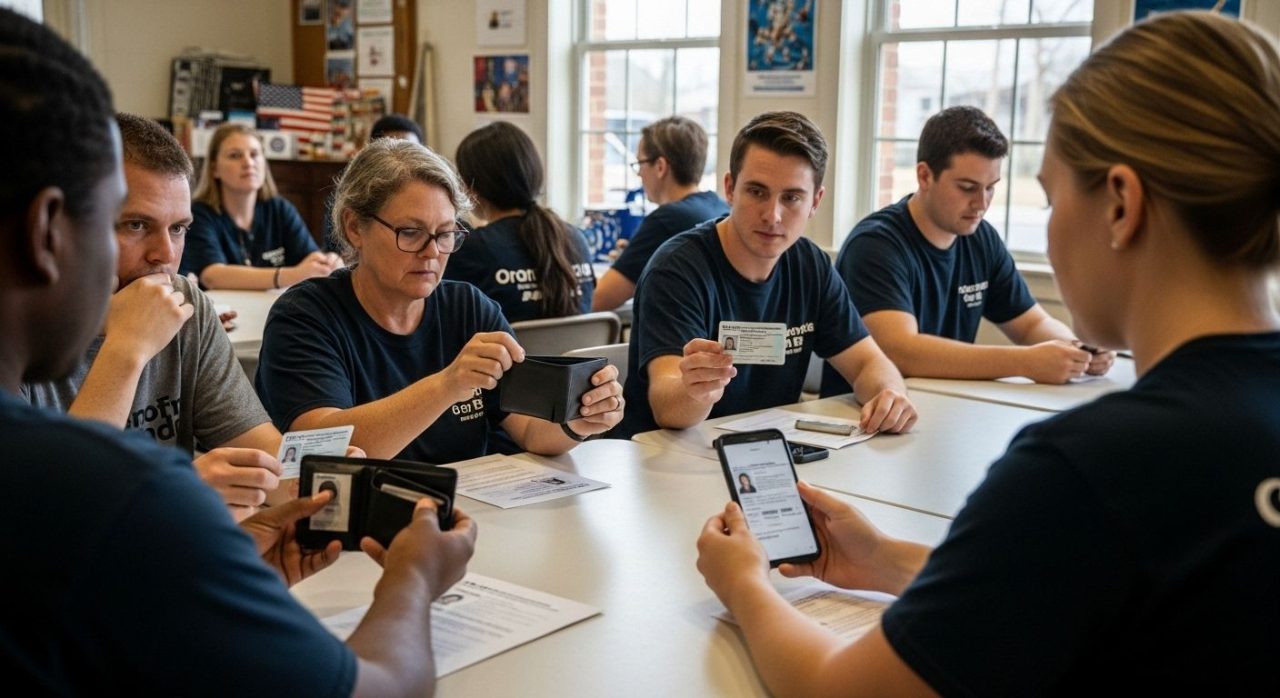
Losing your ID in a disaster is more common than you might think and it can turn your world upside down just when you need help the most. Think about this. During major hurricanes thousands of survivors struggled to access benefits simply because they couldn’t prove who they were. You might expect that government systems make it easy to replace lost documents after chaos but the real shock is how many roadblocks and hidden shortcuts there actually are if you know where to look.
Table of Contents
- Understanding Lost ID Challenges During Disasters
- Step-by-Step Process for Replacing Lost ID
- Special Resources for Disaster Victims and Professionals
- Tips to Expedite the Lost ID Replacement Process
Quick Summary
| Takeaway | Explanation |
|---|---|
| Assess lost documents immediately | Evaluate all identification documents needed for replacement, prioritizing the most crucial ones first. |
| Engage relevant government agencies | Contact specific agencies directly to understand their unique replacement procedures and requirements. |
| Utilize alternative identification strategies | Explore support from local offices and relief organizations for affidavits or alternative forms of identification when traditional documents are lost. |
| Leverage online resources efficiently | Use FEMA and DisasterAssistance.gov for expedited processes and detailed guidance specific to disaster victims. |
| Prepare digital backups of documents | Maintain secure digital copies of important documents to facilitate easier replacement and access post-disaster. |
Understanding Lost ID Challenges During Disasters
Disasters strike without warning, leaving individuals and families facing unprecedented challenges in documenting their identity. The process of replacing lost identification becomes dramatically more complex when natural disasters, emergencies, or widespread catastrophic events destroy personal records and critical documentation.
The Scale of Documentation Loss
When disasters occur, the sheer magnitude of documentation loss can be overwhelming. Research from the National Archives and Records Administration reveals that many individuals affected by major hurricanes found themselves unable to provide basic documentation needed to access essential government benefits. This documentation challenge creates a cascading series of complications that can significantly impede recovery efforts.
The fundamental problem extends beyond mere paperwork. Losing identification means losing proof of your legal existence, which impacts everything from accessing emergency services to rebuilding your life after a disaster. Government agencies, insurance providers, and relief organizations typically require multiple forms of verified identification to process claims, provide assistance, or confirm your personal details.
Technological and Forensic Identification Challenges
INTERPOL’s Disaster Victim Identification (DVI) protocols highlight the complexity of identifying individuals in large-scale disaster scenarios. Visual recognition alone is rarely sufficient. Professionals often must rely on more advanced identification methods like fingerprint matching, dental record comparisons, or DNA sample analysis.
The NIH Intramural Research Program’s People Locator system represents a technological advancement in addressing these challenges. This web-based tool creates a database that helps locate and identify individuals during chaotic post-disaster environments, demonstrating the critical intersection of technology and human identification processes.
Systemic Barriers to Quick Identification
Beyond technological challenges, disaster victims face significant systemic barriers. Local government offices might be damaged or inaccessible, record-keeping systems could be compromised, and standard identification replacement procedures become exponentially more complicated. These obstacles create a frustrating labyrinth for individuals already experiencing significant emotional and physical stress.
Navigating these challenges requires understanding, patience, and strategic approaches. Victims must be prepared to work closely with multiple agencies, gather alternative forms of documentation, and potentially utilize specialized resources for document replacement.
The identification replacement process is not just about paperwork. It represents a critical lifeline for disaster victims, reconnecting them with essential services, financial support, and the fundamental right to be recognized in complex bureaucratic systems. Understanding these challenges is the first step toward developing effective, compassionate strategies for helping individuals rebuild their lives after experiencing devastating losses.
Step-by-Step Process for Replacing Lost ID
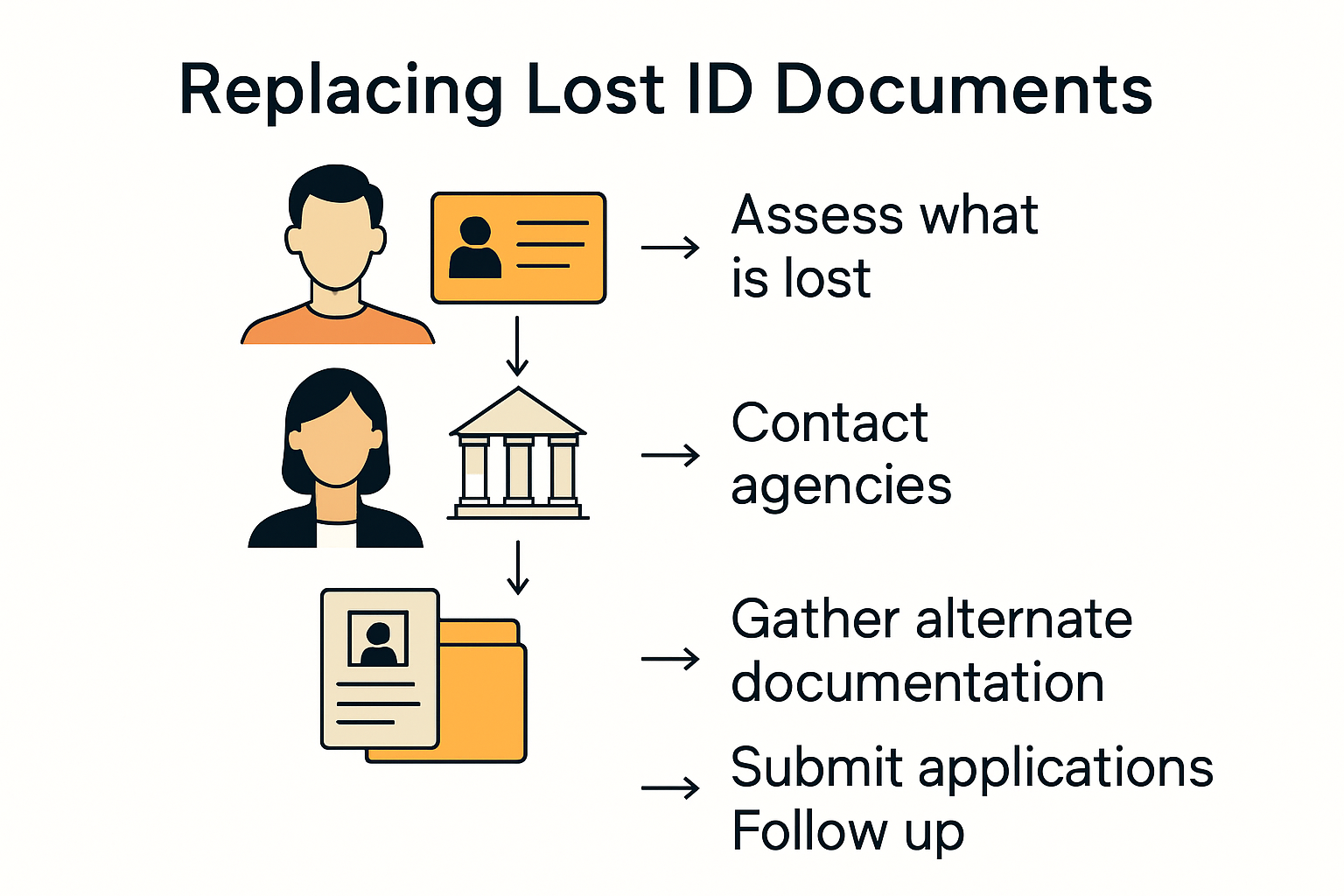
Replacing lost identification documents requires a systematic and strategic approach, especially in the aftermath of a disaster. The process involves multiple agencies, careful documentation, and a clear understanding of the necessary steps to restore your legal identity.
Initial Documentation Assessment
According to USA.gov, the first critical step is conducting a comprehensive assessment of the identification documents you need to replace. This typically includes gathering information about which specific documents were lost and understanding the unique requirements for each type of identification.
Key documents to consider include:
- Social Security card
- Driver’s license
- Passport
- Birth certificate
- State identification card
- Military identification
Prioritize replacing documents that are most crucial for immediate recovery efforts. Some identification forms serve as foundational documents that can help you obtain others, creating a strategic replacement sequence.
To help readers quickly identify which agencies to contact for each type of lost ID and understand their general replacement process, the following table summarizes key government agencies and core steps for obtaining replacements:
| Document Type | Responsible Agency | Typical Steps to Replace |
|---|---|---|
| Social Security card | Social Security Administration (SSA) | Application, proof of identity, in-person/online submission |
| Driver’s license/State ID | State Department of Motor Vehicles (DMV) | Application, alternative ID, potential in-person visit |
| Passport | U.S. Department of State | Application (DS-11), photo, proof, in-person at acceptance facility |
| Birth certificate | State Vital Records Office | Application, alternate proofs, fee |
| Green Card | U.S. Citizenship & Immigration Services (USCIS) | Form I-90, documentation, biometrics appointment (if required) |
| Military identification | Department of Defense and branch service center | Contact base office, provide alternate proof |
Government Agency Replacement Procedures
The U.S. Citizenship and Immigration Services (USCIS) provides detailed guidance for specific document replacements. For instance, replacing a Green Card requires filing Form I-90, submitting supporting documentation, and potentially attending a biometrics appointment.
General steps for most government identification replacement include:
- Contact the relevant government agency
- Obtain replacement application forms
- Gather alternative proof of identity documents
- Submit application with required fees
- Attend in-person verification if necessary
Each agency has unique requirements, so direct communication with the specific department is crucial. Some agencies offer expedited replacement services for disaster victims, recognizing the urgent nature of document restoration.
Alternative Identification Strategies
In situations where traditional documentation is challenging to replace, victims must explore alternative identification strategies. This might involve working with local government offices, utilizing disaster relief resources, and securing affidavits or sworn statements from recognized authorities.
Consider exploring additional document replacement resources that can provide specialized guidance for your specific situation. Some relief organizations offer support services to help navigate the complex identification replacement process.
Patience and persistence are key. The identification replacement journey can be complex and emotionally challenging, but systematic approach and understanding of the process will help disaster victims successfully restore their legal documentation and move forward in their recovery.
Special Resources for Disaster Victims and Professionals
Navigating document replacement after a disaster requires access to specialized resources designed to support victims through complex recovery processes. Multiple government agencies and organizations offer targeted assistance to help individuals restore their critical identification and personal documents.
Federal Emergency Management Agency (FEMA) Support
FEMA provides comprehensive guidance for disaster victims seeking to replace essential documents. Their resources cover a wide range of identification documents, including Social Security cards, Medicare cards, passports, and permanent resident cards. These resources are specifically tailored to help individuals who have lost documentation during emergency situations.
Key FEMA resources include:
- Detailed replacement procedures for multiple document types
- Contact information for relevant government agencies
- Step-by-step guidance for document recovery
- Expedited processes for disaster victims
Online Government Assistance Platforms
DisasterAssistance.gov emerges as a critical online resource for individuals recovering from disasters. This platform offers centralized support for replacing important personal documents damaged or lost during emergencies. The website provides direct links and guidance for replacing various critical documents, including:
- Social Security cards
- Passports
- Birth certificates
- Medicare cards
- Techniques for salvaging flood-damaged family papers
Professionals working with disaster victims can utilize these platforms to streamline document replacement processes and provide targeted support to affected individuals.
State-Level Disaster Recovery Resources
Some states offer specialized resources for document replacement. As demonstrated by the California Governor’s Office of Emergency Services, state-specific guides can provide localized support for disaster survivors. These resources often include:
- Specific contact information for state agencies
- Streamlined replacement procedures
- Additional support for residents impacted by regional disasters
When seeking comprehensive disaster recovery support, victims should leverage a combination of federal, state, and local resources. Each platform offers unique advantages that can help expedite the document replacement process.
The complexity of document replacement requires patience, persistence, and strategic navigation of available resources. By understanding and utilizing these specialized platforms, disaster victims can more effectively restore their legal identification and move forward in their recovery journey.
Tips to Expedite the Lost ID Replacement Process
Expediting the lost ID replacement process requires strategic planning, proactive documentation, and understanding of emergency protocols. Disaster victims must adopt a systematic approach to minimize delays and restore their legal identification as quickly as possible.
Preparation and Documentation Strategies
According to USA.gov, successful and rapid document replacement begins with comprehensive preparation. Before initiating the replacement process, gather all potential alternative proof of identity documents. These might include:
- Digital backups stored in secure cloud services
- Photocopies of original documents
- Scanned images of identification
- Passport photographs
- School or employment records
- Insurance documents
Create multiple copies of these documents and store them in separate secure locations. Digital backups can be especially crucial when physical copies are destroyed during disasters. Consider storing encrypted digital copies in secure online storage platforms that offer multiple layers of protection.
Here’s a checklist table to help disaster victims and professionals track alternative proofs and preparedness strategies for expedited ID replacement, as discussed in the article:
| Preparedness Item | Explanation | Do you have this? |
|---|---|---|
| Digital backups in cloud | Secure online copies of documents | [Yes/No] |
| Photocopies of originals | Hard copies of IDs stored in another location | [Yes/No] |
| Scanned images of identification | Electronic scans saved separately | [Yes/No] |
| Recent passport-sized photographs | Useful for new applications | [Yes/No] |
| School or employment records | Secondary forms of ID | [Yes/No] |
| Insurance documents with your name | Additional proof of identity | [Yes/No] |
Leveraging Emergency Protocols
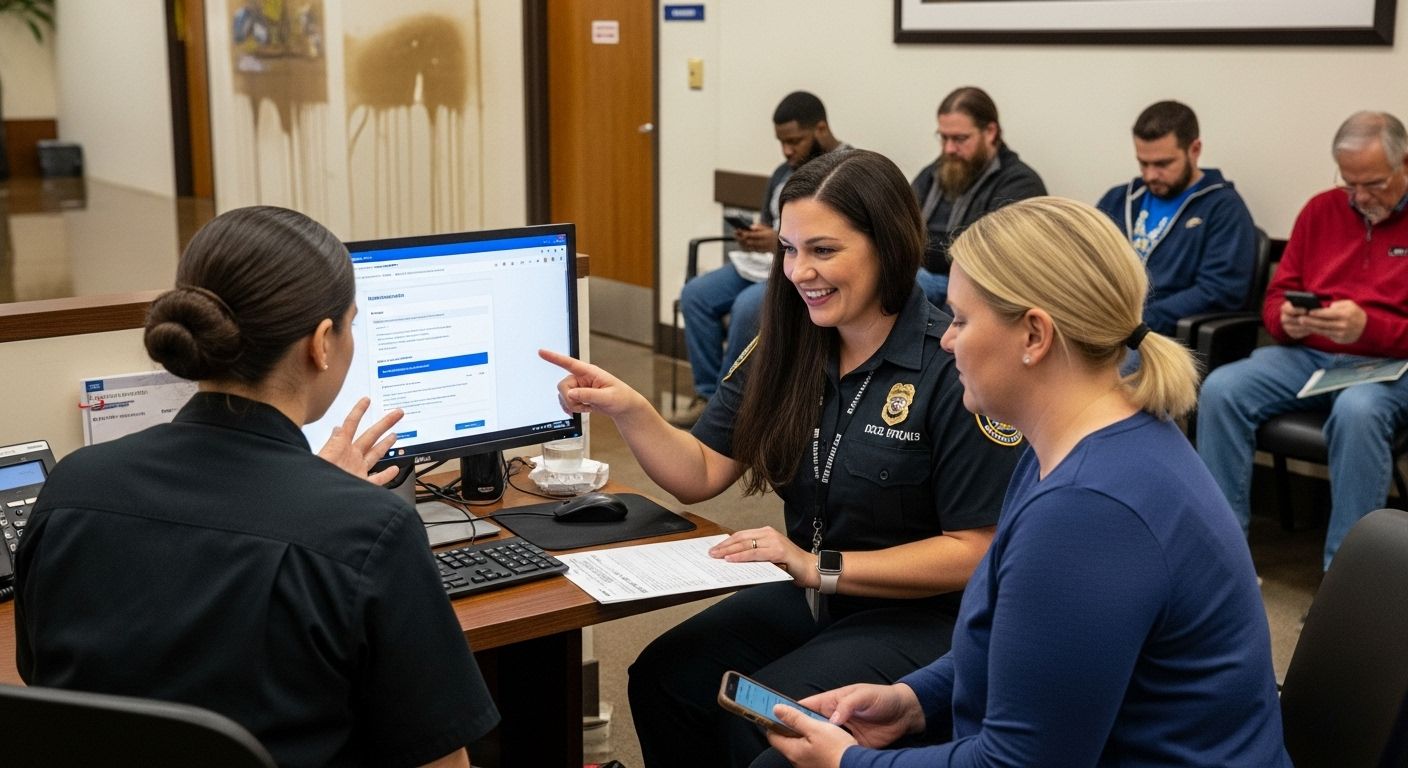
Many government agencies have specialized emergency protocols for disaster victims. These protocols are designed to streamline document replacement and provide expedited services. Victims should:
- Contact local emergency management offices
- Request information about disaster-specific document replacement procedures
- Inquire about potential fee waivers
- Ask about simplified verification processes
- Understand any temporary identification options
Some agencies offer emergency identification cards or temporary documentation that can help victims access essential services while permanent documents are being processed. Explore our comprehensive guide on disaster recovery support to understand these emergency protocols in greater detail.
Technology and Communication Strategies
Modern technology offers multiple channels to accelerate document replacement. Utilize online application platforms, digital submission options, and direct communication channels with government agencies. Key strategies include:
- Using official government websites for online applications
- Scheduling virtual appointments when possible
- Maintaining clear, organized digital communication
- Following up consistently through multiple communication channels
- Documenting all interactions and submission attempts
Professionals assisting disaster victims should help them navigate these technological resources, ensuring all digital submissions are accurate, complete, and promptly processed.
Patience remains critical throughout this process. While these strategies can help expedite document replacement, each case involves unique circumstances. Maintaining organized records, communicating clearly, and understanding available resources will significantly improve the chances of swift identification restoration.
Frequently Asked Questions
How can I quickly assess which ID documents I need to replace after a disaster?
Begin by evaluating all identification documents that were lost. Prioritize crucial documents such as your Social Security card, driver’s license, birth certificate, and passport to streamline the replacement process.
What steps should I take to replace my lost driver’s license after a disaster?
To replace your lost driver’s license, contact your state’s Department of Motor Vehicles (DMV) to learn about their specific replacement procedures, which may include submitting an application and providing alternative forms of identification.
Are there any special resources available for disaster victims to expedite ID replacement?
Yes, resources like FEMA offer guidance and support specifically for disaster victims. They provide detailed instructions on replacing essential documents and can facilitate expedited processes for those affected.
What alternative forms of identification can I use if I don’t have my ID after a disaster?
If you lack traditional forms of identification, consider using affidavits from trusted authorities, documents from local government offices, or alternative identification proofs like school records or insurance documents to establish your identity.
Get Trusted Support Replacing Your Lost ID and Rebuilding After Disaster
Losing your vital identification documents can instantly put your recovery on hold, making access to emergency housing, insurance benefits, and essential services feel nearly impossible. This article showed how urgent and stressful it is to prove your identity during a crisis, especially when local offices are closed or records are missing. You need a solution that understands the frustration of replacing multiple forms of ID and the extra obstacles disaster survivors face.
At DisasterVictimServices.com, we provide the compassionate guidance and practical help you need when disaster strikes. Our team works day and night to connect you with emergency housing, help with coordination between government agencies, and support you in gathering critical documents. Do not let missing paperwork put your future on pause. Learn how our experts guide you through each step, streamlining your transition from chaos to recovery. Get started now and move forward with confidence.
Recommended
- How to Replace Documents After a Disaster: 2025 Guide – Disaster Victim Services | Helping You Recover After Disaster
- how to replace documents – Disaster Victim Services | Helping You Recover After Disaster
- How to Prepare Documents for Disaster Relief in 2025 – Disaster Victim Services | Helping You Recover After Disaster
- Essential Steps After Home Loss: 2025 Guide for Recovery – Disaster Victim Services | Helping You Recover After Disaster