
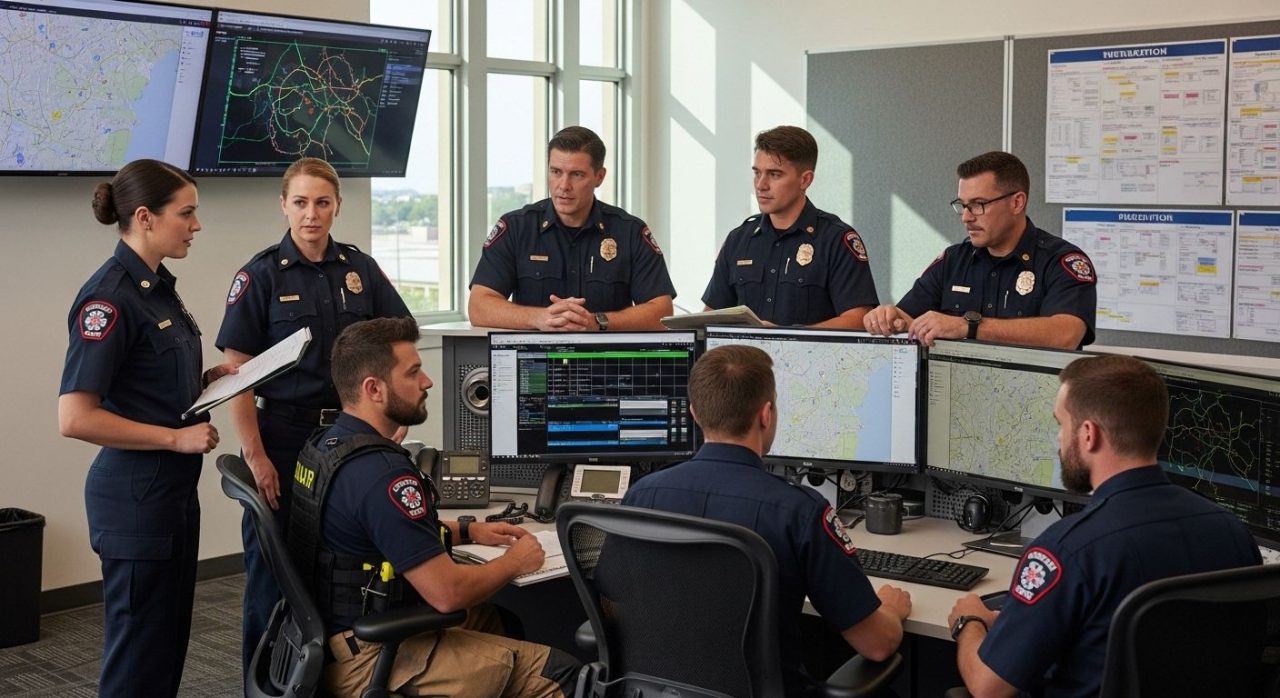
Emergency response might sound straightforward. You send in teams, manage chaos, and help people rebuild. But over 60 percent of disaster-related injuries happen during the recovery phase, not the initial event. That flips the whole script on what matters most, because the secret to saving lives is not just quick action but building smarter workflows and longer-term support that keep communities safer long after the storm is gone.
Table of Contents
- Understanding Modern Emergency Response Workflows
- Roles Of Key Stakeholders In Response Efforts
- Improving Efficiency With Technology And Coordination
- Best Practices For Support And Long-Term Recovery
Quick Summary
| Takeaway | Explanation |
|---|---|
| Adopt collaborative emergency response frameworks. | Modern emergencies require integration across agencies to efficiently mobilize resources and respond effectively. |
| Leverage advanced technologies for response. | Technologies like real-time data analytics and communication platforms enhance coordination during disaster management. |
| Prioritize mental health support in recovery. | Addressing psychological trauma is crucial for effective long-term community rehabilitation after disasters. |
| Implement strategic planning for recovery. | Ongoing assessments and flexible recovery frameworks ensure communities can better withstand future disasters. |
| Engage stakeholders continuously. | Effective emergency management relies on consistent collaboration among various organizations and professionals for coordinated efforts. |
Understanding Modern Emergency Response Workflows
Emergency response workflows have transformed dramatically in recent years, becoming more adaptive, technology-driven, and collaborative. The complex landscape of disaster management now demands sophisticated strategies that go beyond traditional emergency protocols.
The Evolution of Emergency Response Systems
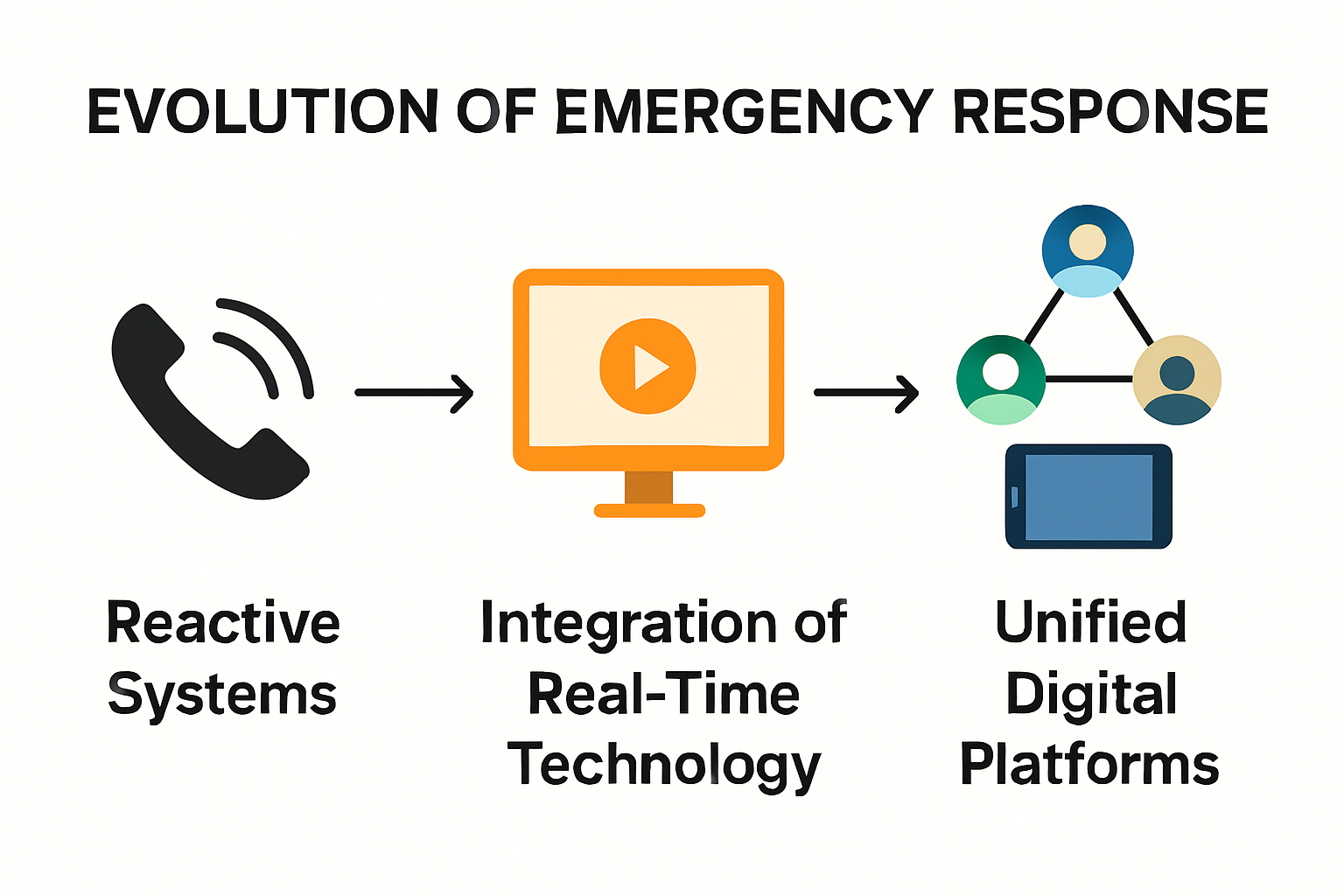
Modern emergency response workflows represent a significant shift from reactive approaches to proactive, integrated systems. According to the US Government Accountability Office, these workflows now emphasize real-time coordination, digital integration, and multi-agency collaboration. Organizations are moving away from siloed operations toward comprehensive, interconnected response mechanisms that can rapidly adapt to emerging challenges.
The integration of advanced technologies has been a game-changer in emergency response. Digital platforms now enable instant communication, data sharing, and resource allocation across different agencies and response teams. This technological evolution allows for more precise tracking of resources, faster decision-making, and more efficient deployment of support services.
Key Components of Contemporary Emergency Response
Today’s emergency response workflows are characterized by several critical components. The Homeland Security Digital Library highlights the importance of flexible coordination frameworks that can quickly mobilize resources and adapt to rapidly changing disaster scenarios. These workflows now incorporate:
- Real-time Data Processing: Advanced analytics and communication technologies enable instant information sharing
- Interdisciplinary Collaboration: Breaking down traditional barriers between emergency response agencies
- Technological Integration: Leveraging digital tools for more efficient and precise response strategies
To help visualize the essential components of modern emergency response, the table below summarizes their main features and functions:
| Component | Description | Example Function |
|---|---|---|
| Real-time Data Processing | Instant sharing and analysis of incident information | Situation dashboards, live data updates |
| Interdisciplinary Collaboration | Cooperation across agency and sector boundaries | Joint task forces, shared resource pools |
| Technological Integration | Use of advanced digital tools and platforms | Mobile apps for responders, GIS mapping |
Challenges and Future Directions
Despite significant advancements, emergency response workflows continue to face complex challenges. The increasing frequency and intensity of natural disasters, coupled with evolving technological landscapes, require constant innovation and adaptation. Read more about the critical roles of first responders in navigating these intricate response ecosystems.
The future of emergency response workflows lies in continuous improvement, technological innovation, and a commitment to creating more resilient, adaptive systems. As disasters become more unpredictable, the ability to quickly mobilize resources, communicate effectively, and provide immediate support will remain crucial in minimizing potential damages and supporting affected communities.
Roles of Key Stakeholders in Response Efforts
Emergency response efforts rely on a complex network of professionals and organizations working together to manage and mitigate disaster impacts. Each stakeholder plays a critical role in ensuring comprehensive and effective emergency management.
Emergency Management Professionals
Emergency Management Program Managers are pivotal in coordinating response efforts across multiple agencies. According to the National Academies Press, these professionals are responsible for implementing four critical phases of emergency management: preparedness, response, recovery, and mitigation. Their primary responsibility involves developing comprehensive strategies, building interagency relationships, and ensuring seamless communication between different response teams.
These professionals must stay current on local, state, and federal emergency plans, creating adaptive frameworks that can respond quickly to evolving disaster scenarios. By maintaining robust communication channels and understanding complex organizational dynamics, they serve as crucial connectors in emergency response workflows.
Local and Public Health Agencies
Local Emergency Management Agencies (EMAs) serve as critical coordination centers during emergencies. Federal Highway Administration research highlights their role in developing comprehensive emergency evacuation strategies. These agencies work closely with transportation departments, law enforcement, and transit systems to ensure effective resource allocation and community safety.
Public health agencies play an equally vital role in emergency response. Rural Health Information Resource indicates that these organizations lead response efforts during public health emergencies, conducting risk assessments and developing preparedness plans. Their responsibilities include:
- Risk Assessment: Analyzing potential health threats and vulnerabilities
- Preparedness Planning: Creating comprehensive strategies for potential scenarios
- Stakeholder Communication: Ensuring clear information dissemination
Here’s a summary table outlining the responsibilities of key emergency response stakeholders, organizing their roles for quick reference:
| Stakeholder | Main Responsibilities | Example Activities |
|---|---|---|
| Emergency Management Professionals | Preparedness, response, recovery, mitigation; interagency coordination | Develop plans, build relationships, communicate |
| Local Emergency Management Agencies | Coordination, evacuation, resource allocation during disasters | Evacuation planning, collaborative strategies |
| Public Health Agencies | Risk assessment, preparedness plans, information dissemination | Health threat analysis, emergency messaging |
Collaborative Response Ecosystem
Effective emergency response requires a collaborative approach where stakeholders work seamlessly across organizational boundaries. Learn more about first responder coordination strategies to understand the intricate dynamics of emergency management.
Each stakeholder brings unique expertise and resources to the response effort. From local emergency managers to public health professionals, these individuals and organizations form a critical network that can rapidly mobilize, communicate, and support communities during times of crisis. The success of emergency response workflows depends on their ability to coordinate effectively, share resources, and adapt quickly to changing circumstances.
Improving Efficiency with Technology and Coordination
Technology and coordination have become fundamental pillars in transforming emergency response workflows, enabling more responsive, adaptive, and efficient disaster management strategies.
Advanced Technological Integration
Modern emergency response systems are increasingly leveraging sophisticated technological solutions to enhance coordination and operational efficiency. According to the Department of Homeland Security’s Science and Technology Directorate, innovative tools like the Search and Rescue Common Operating Platform (SARCOP) are revolutionizing how emergency responders communicate and collaborate.
The Team Awareness Kit (TAK) represents a prime example of technological advancement, enabling users to generate, visualize, and share critical tactical data in real-time. These platforms aggregate emergency management applications and analytical tools into unified dashboards, dramatically improving situational awareness and decision-making capabilities.
Intelligent Process Optimization
Research from advanced computational studies demonstrates the potential of ontology-based reasoning in emergency response workflows. These sophisticated systems can dynamically determine default actions, identify resource requirements, and automatically engage relevant response organizations based on jurisdictional rules and mutual aid agreements.
Emergency management technologies now incorporate intelligent features such as:
- Early Incident Detection: Rapid identification of potential emergencies
- Predictive Forecasting: Anticipating incident likelihood and potential impacts
- Strategic Resource Allocation: Optimizing deployment of personnel and equipment
Collaborative Digital Ecosystems
The future of emergency response lies in creating interconnected digital ecosystems that facilitate seamless communication and coordination. Explore advanced coordination strategies for first responders to understand the transformative potential of these technological innovations.
Research from computational emergency management studies emphasizes the critical importance of developing decision support tools that enable emergency responders to provide more efficient and effective responses. By integrating advanced technologies, agencies can create more adaptive, responsive systems that minimize response times and maximize resource utilization during critical incidents.
Best Practices for Support and Long-Term Recovery
Long-term recovery represents a critical phase in emergency response, requiring comprehensive strategies that address both immediate needs and sustained community rehabilitation. Successful recovery efforts demand a holistic approach that goes beyond initial disaster response.
Comprehensive Support Frameworks
Effective long-term recovery requires multilayered support systems that address physical, emotional, and economic challenges faced by affected communities. The Federal Emergency Management Agency emphasizes the importance of creating adaptive support frameworks that can provide sustained assistance across multiple dimensions of community recovery.
Key components of comprehensive support include mental health resources, economic rehabilitation programs, housing reconstruction assistance, and community resilience building. These strategies must be flexible enough to address the unique challenges of different disaster scenarios, recognizing that recovery is not a one-size-fits-all process.
Psychological and Community Resilience
Research from the National Center for Biotechnology Information highlights the critical importance of psychological support in long-term disaster recovery. Communities require integrated mental health interventions that address trauma, stress, and potential long-term psychological impacts of catastrophic events.
Successful recovery approaches incorporate:
- Trauma-Informed Care: Specialized psychological support for disaster survivors
- Community Support Networks: Building local support systems and social connections
- Resilience Training: Developing community-wide coping and adaptation skills
Strategic Recovery Planning
Recovery is a complex, multiphased process that requires strategic planning and ongoing support. Learn more about navigating disaster recovery support options to understand the comprehensive approach needed for successful long-term rehabilitation.
Strategic recovery planning involves continuous assessment, adaptive resource allocation, and a commitment to building more resilient communities. This approach recognizes that recovery is not just about restoring previous conditions but creating stronger, more adaptable systems that can better withstand future challenges.
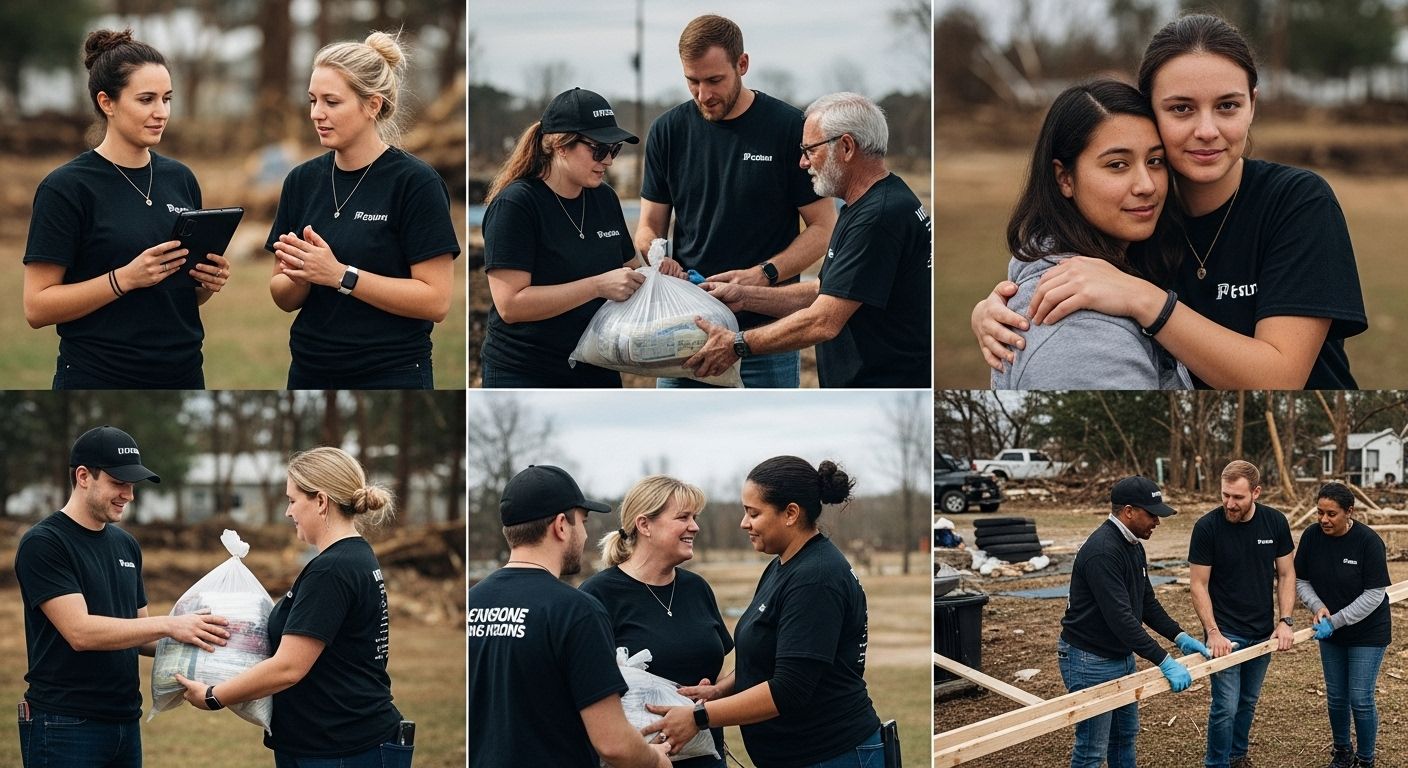
The most successful recovery efforts combine immediate humanitarian support with long-term strategic planning. By focusing on holistic community rehabilitation, integrating psychological support, and developing adaptive recovery frameworks, communities can transform devastating experiences into opportunities for growth and increased resilience.
Frequently Asked Questions
What are modern emergency response workflows?
Modern emergency response workflows are adaptive, technology-driven systems that focus on proactive, integrated strategies for disaster management, emphasizing real-time coordination and multi-agency collaboration.
Why is technology important in emergency response?
Technology enhances emergency response by providing real-time data, advanced communication tools, and improved coordination, which leads to faster decision-making and more efficient resource allocation during disasters.
How can psychological support benefit communities in recovery?
Psychological support is crucial during recovery as it addresses trauma and stress, helping individuals cope with the emotional aftermath of disasters and facilitating community resilience and rehabilitation.
What are some best practices for long-term recovery after a disaster?
Best practices for long-term recovery include implementing comprehensive support frameworks, focusing on psychological and community resilience, and developing strategic recovery planning that adapts to the unique needs of affected communities.
Ready to Strengthen Your Emergency Response and Recovery?
The article uncovers a critical truth: effective emergency response goes beyond immediate action—it demands seamless workflows, advanced technology, and compassionate support for real, long-term recovery. If you are struggling to navigate the complex process of disaster recovery, uncertain about where to turn for reliable help or how to rebuild quickly, you are not alone. From temporary housing to expert guidance, you need practical solutions that take the stress out of crisis and offer clarity when it matters most.
Take action now by visiting Disaster Victim Services. Our team is here 24/7, ready to coordinate essential resources, streamline communication with all stakeholders, and help you transition from chaos to stability. For anyone facing recovery challenges, start with our recovery project support hub or learn more about home remodeling and rebuilding solutions. Do not wait for recovery to become more complicated—connect with our experts and move forward with confidence today.
Recommended
- How to Access Support: Guide for Disaster Recovery 2025 – Disaster Victim Services | Helping You Recover After Disaster
- Emergency Housing Workflow Guide 2025: Steps and Solutions – Disaster Victim Services | Helping You Recover After Disaster
- How to Coordinate Response in Disasters: A Guide for 2025 – Disaster Victim Services | Helping You Recover After Disaster
- Emergency Response Basics for 2025: A Practical Guide – Disaster Victim Services | Helping You Recover After Disaster