
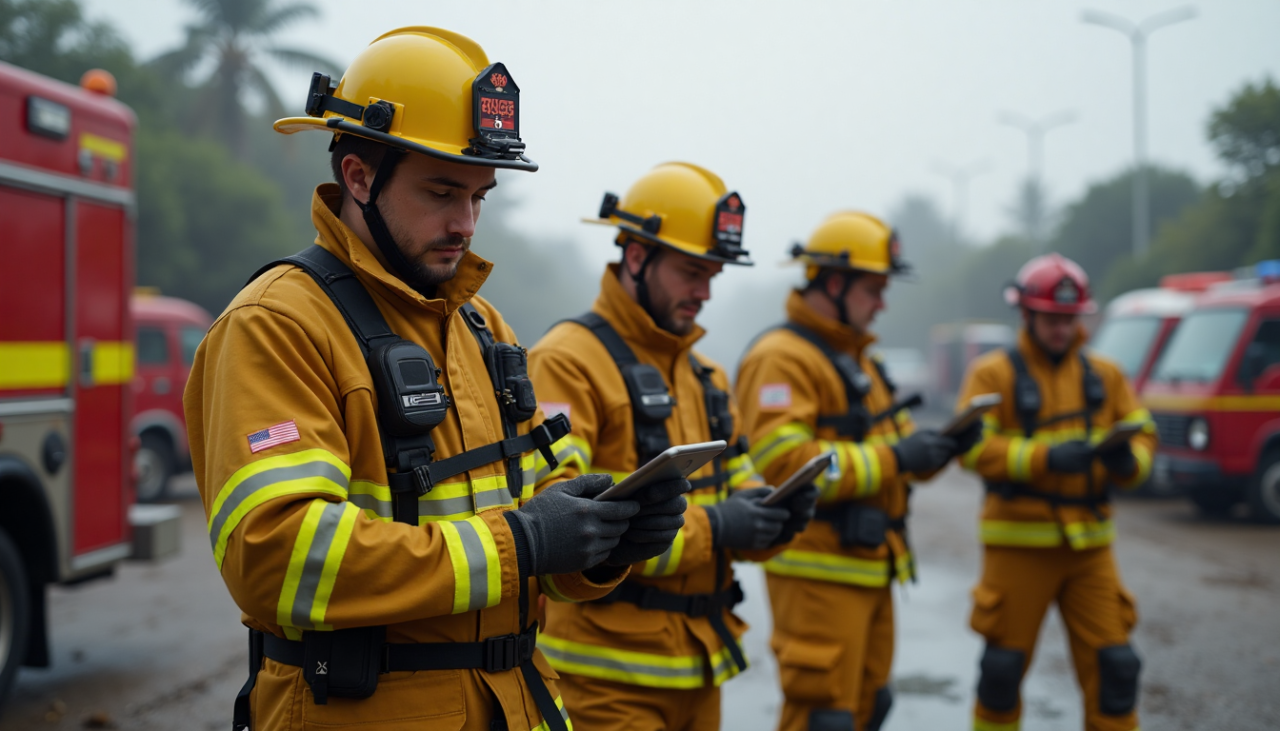
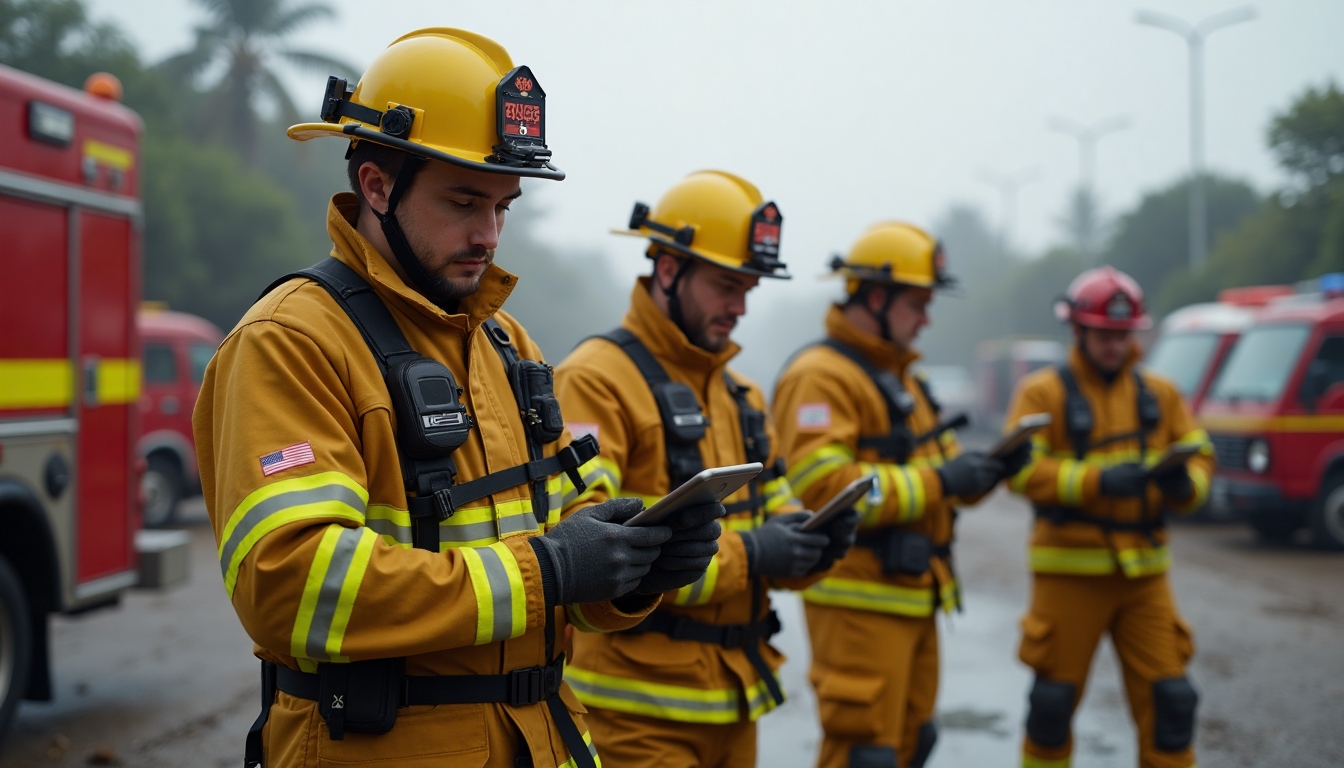
First responder coordination is getting a major upgrade in 2025. Agencies are ramping up their use of mobile technology and cloud-based systems, with 89 percent of first responders now relying on mobile platforms for real-time updates and collaboration. That sounds cutting-edge, but here is the surprise. The technology alone is not what is changing outcomes. It is the way these tools are being paired with trust-building, transparent communication and tighter, smarter partnerships with contractors and nonprofits. The real secret is that success now depends as much on empathy and seamless teamwork as on having the latest gadgets.
Table of Contents
- Improving Communication Between Agencies And Victims
- Best Practices For Sharing Critical Information
- Coordinating Relief Efforts With Contractors And Nonprofits
- Leveraging Technology For Faster Response
Quick Summary
| Takeaway | Explanation |
|---|---|
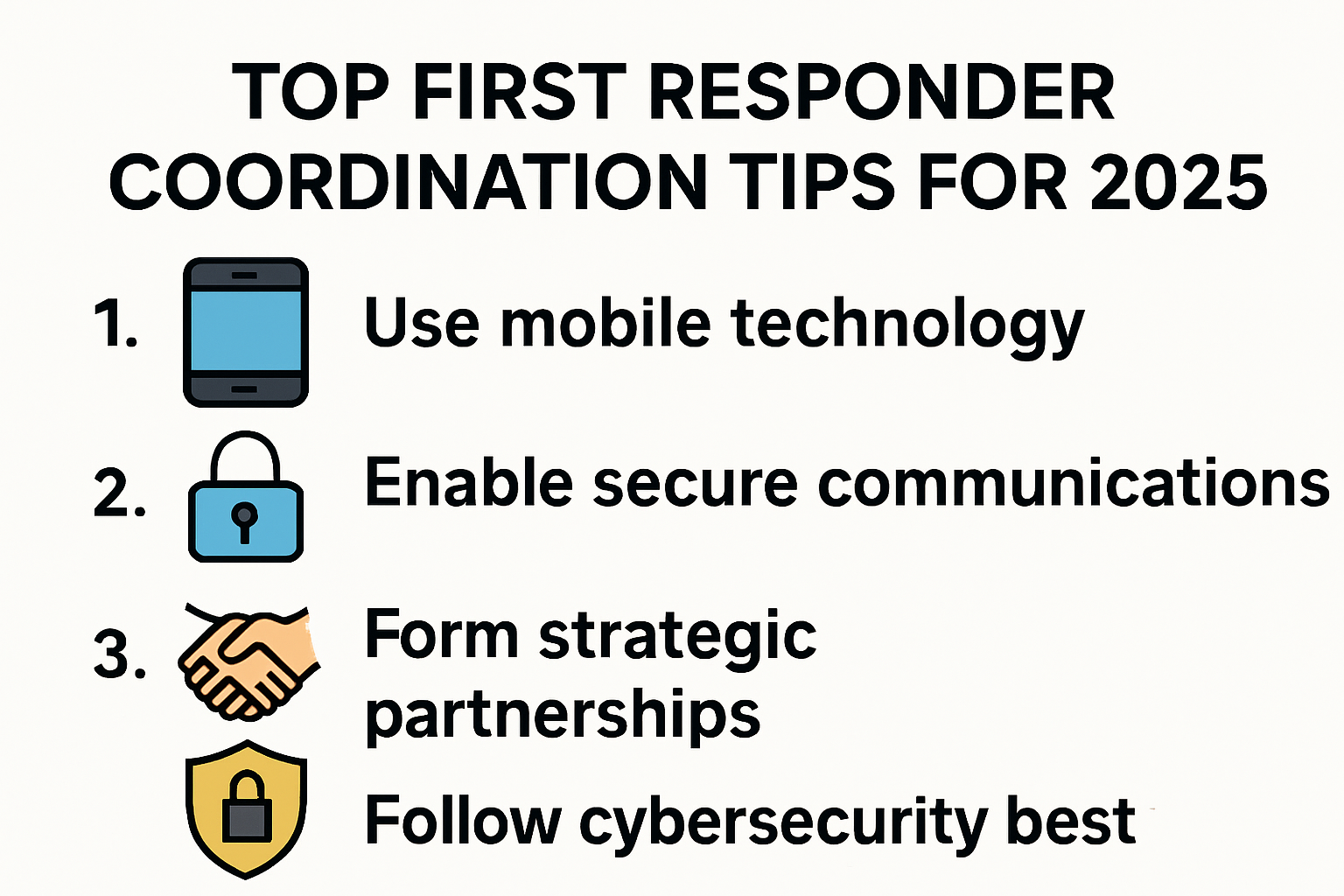
| Improving Communication | Mobile technology has become crucial for first responders, enabling real-time updates and effective navigation for both responders and victims during emergencies. |
| Secure Information Sharing | Advanced encryption and secure communication channels are essential for protecting sensitive data and facilitating rapid dissemination among agencies. |
| Strategic Partnerships | Formal agreements and communication protocols between first responders, contractors, and nonprofits are vital for efficient resource allocation and coordinated response during disasters. |
| Leveraging AI and Cloud Technology | AI-powered predictive systems and cloud-based platforms enhance situational awareness and inter-agency collaboration, dramatically improving response times and effectiveness. |
| Cybersecurity Focus | Robust cybersecurity protocols and resilient communication infrastructure are vital components of modern emergency response, ensuring data protection and operational reliability. |
Improving Communication Between Agencies and Victims
Effective communication during disaster response is the lifeline that connects victims with critical support. In 2025, technological advancements and strategic approaches have transformed how first responders interact with those affected by emergencies.
Mobile Technology as a Communication Backbone
Mobile devices have become the primary communication tool for first responders. Research from Public Safety Technology Trends reveals that 89% of first responders now rely on mobile platforms for real-time updates, navigation, and interagency collaboration. This shift means disaster victims can receive immediate, accurate information directly from response teams.
Key Communication Technologies:
- Real-time Tracking: GPS-enabled devices allowing precise location updates
- Instant Messaging: Secure communication channels between agencies and victims
- Multilingual Support: Translation tools bridging communication gaps
Unified Communication Networks
FirstNet has revolutionized emergency communications by creating a dedicated nationwide public safety network. Covering nearly 3 million square miles and supporting over 7 million public safety connections, this network ensures reliable communication across diverse geographical areas.
Agencies are now implementing integrated dispatch systems that streamline information sharing. Our comprehensive guide on disaster response coordination provides deeper insights into these advanced communication strategies.

Building Trust Through Transparent Communication
Beyond technological solutions, successful communication hinges on building trust. First responders are trained to:
- Provide clear, concise information
- Use empathetic communication techniques
- Offer consistent updates
- Create accessible communication channels for all individuals
According to 2025 Public Safety Trends Research, agencies are increasingly adopting cloud-native, data-driven platforms that enhance communication efficiency and security.
The goal remains simple yet profound: ensuring every disaster victim feels heard, supported, and connected during their most vulnerable moments. By combining advanced technology with human-centered communication strategies, first responders are setting new standards in emergency support and victim care.
Best Practices for Sharing Critical Information
Sharing critical information during emergencies demands precision, security, and strategic communication protocols. In 2025, first responders and agencies have developed sophisticated approaches to ensure vital data reaches the right people at the right moment.
Secure Communication Protocols
Homeland Security Strategic Guidance emphasizes the importance of leveraging timely and actionable intelligence. First responders now utilize advanced encryption technologies and secure communication channels to protect sensitive information while ensuring rapid dissemination.
Key Security Considerations:
- End-to-End Encryption: Protecting data transmission across all communication platforms
- Multi-Factor Authentication: Verifying user identities before accessing critical information
- Secure Cloud Storage: Enabling safe, rapid information sharing between agencies
Standardized Information Exchange Frameworks
Emergency response teams have developed comprehensive standardization protocols to streamline information sharing. Secure Communication Strategies highlight the critical need for consistent, structured communication methods that minimize human error and maximize information accuracy.
Our guide to multi-agency disaster response provides additional insights into creating seamless communication networks that bridge potential gaps between different response organizations.
Real-Time Intelligence Sharing
Modern emergency response relies on immediate, actionable intelligence. Agencies now implement dynamic information-sharing platforms that allow:
- Instant geospatial data updates
- Real-time risk assessment reports
- Immediate resource allocation tracking
- Comprehensive incident documentation
The primary goal is creating a holistic communication ecosystem where critical information flows seamlessly between first responders, government agencies, medical teams, and disaster victims. By prioritizing security, standardization, and technological innovation, emergency response teams ensure that every piece of information becomes a lifeline during critical moments.
Success in emergency response no longer depends solely on individual heroism but on the collective ability to communicate effectively, securely, and instantaneously. The future of disaster management is a synchronized, intelligent network that transforms raw data into immediate, life-saving actions.
Coordinating Relief Efforts With Contractors and Nonprofits
Disaster response in 2025 demands unprecedented collaboration between first responders, contractors, and nonprofit organizations. The complexity of modern emergencies requires a synchronized approach that maximizes resources, expertise, and support for affected communities.
Strategic Partnership Frameworks
Texas Homeland Security Strategic Plan highlights the critical importance of establishing formal agreements and communication protocols between various response entities. These frameworks ensure that each organization understands its role, responsibilities, and potential contribution during emergency situations.
Key Partnership Elements:
- Clear Communication Channels: Defined reporting structures
- Resource Sharing Protocols: Efficient allocation of equipment and personnel
- Unified Response Strategies: Coordinated action plans
Technical and Financial Support Mechanisms
FEMA Grant Programs provide crucial support for enhancing coordination between first responders and external organizations. These programs offer technical assistance and financial resources that enable more robust emergency response capabilities.
Our comprehensive guide on contractor coordination provides deeper insights into creating effective multi-agency response strategies.
Technology-Enabled Collaboration
Modern disaster response leverages advanced technologies to streamline collaboration:
- Integrated communication platforms
- Real-time resource tracking systems
- Shared digital incident management dashboards
- Collaborative data analysis tools
Contractors and nonprofits now function as extensions of emergency response teams, bringing specialized skills and resources that complement traditional first responder capabilities. By breaking down traditional organizational silos, these collaborative approaches create more resilient, adaptive emergency support systems.
Successful coordination goes beyond mere technical integration. It requires building trust, developing shared understanding, and creating flexible response frameworks that can adapt to rapidly changing disaster scenarios. The future of emergency response is not about individual heroism, but about creating interconnected support networks that can respond swiftly, efficiently, and compassionately to human needs during crisis moments.
Leveraging Technology for Faster Response
Technology has become the cornerstone of rapid and effective emergency response in 2025. First responders are now equipped with cutting-edge tools that dramatically reduce response times and enhance situational awareness, transforming how disasters are managed and mitigated.
AI-Powered Predictive Response Systems
Homeland Security’s First Responder Capability Program emphasizes user-centered technological innovations that directly improve operational capabilities. Artificial intelligence now plays a crucial role in predicting potential emergency scenarios, allowing agencies to proactively allocate resources and prepare for potential incidents.
Advanced Technological Capabilities:
- Predictive Risk Mapping: AI algorithms that analyze historical and real-time data
- Automated Resource Allocation: Smart systems that optimize emergency response deployment
- Intelligent Incident Prediction: Machine learning models that forecast potential disaster scenarios
Cloud-Based Communication and Coordination
Public Safety Technology Trends highlight the transformative impact of cloud-based systems in emergency response. These platforms enable real-time data sharing, creating unprecedented levels of situational awareness and inter-agency collaboration.
Our comprehensive guide on disaster response coordination provides deeper insights into technological integration strategies.
Cybersecurity and Technological Resilience
Modern emergency response technologies focus on more than just speed. 2025 Public Safety Trends Research reveals that agencies are equally committed to:
- Implementing robust cybersecurity protocols
- Developing resilient communication infrastructure
- Protecting sensitive emergency response data
- Ensuring continuous technological reliability
The integration of advanced technologies represents more than a technical upgrade. It signifies a fundamental shift in emergency response philosophy. By embracing AI, cloud computing, and intelligent systems, first responders can now anticipate challenges, respond with unprecedented speed, and protect communities more effectively than ever before.
Technology is no longer just a support tool but the primary mechanism through which emergency response is conceived, planned, and executed. The future of disaster management is here: intelligent, proactive, and relentlessly focused on saving lives and minimizing impact.
Frequently Asked Questions
What are the key improvements in first responder communication for 2025?
Effective communication in 2025 relies heavily on mobile technology, with 89% of first responders using mobile platforms for real-time updates, navigation, and inter-agency collaboration. Unified communication networks and transparent communication strategies are also crucial for building trust and ensuring victim support.
How do agencies ensure secure information sharing during emergencies?
Agencies utilize advanced encryption, multi-factor authentication, and secure cloud storage to protect sensitive data while facilitating rapid dissemination. Standardized information exchange frameworks are also adopted to streamline communication between agencies.
What role do contractors and nonprofits play in relief efforts?
Contractors and nonprofits collaborate closely with first responders through strategic partnership frameworks, enabling efficient resource sharing and unified response strategies. Their specialized skills enhance overall emergency support capabilities.
How has technology enhanced the speed of emergency responses?
In 2025, AI-powered predictive response systems and cloud-based platforms enable real-time data sharing and situational awareness, significantly reducing response times. Agencies can now proactively allocate resources and manage incidents more effectively.
Ready to Improve First Responder Coordination and Support?
In 2025, efficient first responder coordination is about more than cutting-edge technology. The article highlights real struggles—families needing fast, clear communication, coordinated help, and immediate support after a disaster. Many victims face overwhelming confusion as agencies, contractors, and nonprofits respond. Finding the right resources and seamless emergency housing can be the difference between chaos and comfort.
DisasterVictimServices.com is built for moments like these. We work directly with first responders, insurance carriers, and relief partners to bridge the gaps in communication and recovery. Need help organizing logistics or getting temporary housing after a disaster? Visit our Remodeling or Project Design pages for stress-free transition options, or head straight to DisasterVictimServices.com for immediate assistance. Take charge of your recovery and connect with professionals who understand your urgency and care about your next step.
Recommended Articles
- How to Coordinate Response in Disasters: A Guide for 2025 – Disaster Victim Services | Helping You Recover After Disaster
- how to coordinate response – Disaster Victim Services | Helping You Recover After Disaster
- First Aid Basics 2025: Essential Guide for Disaster Recovery Teams – Disaster Victim Services | Helping You Recover After Disaster