
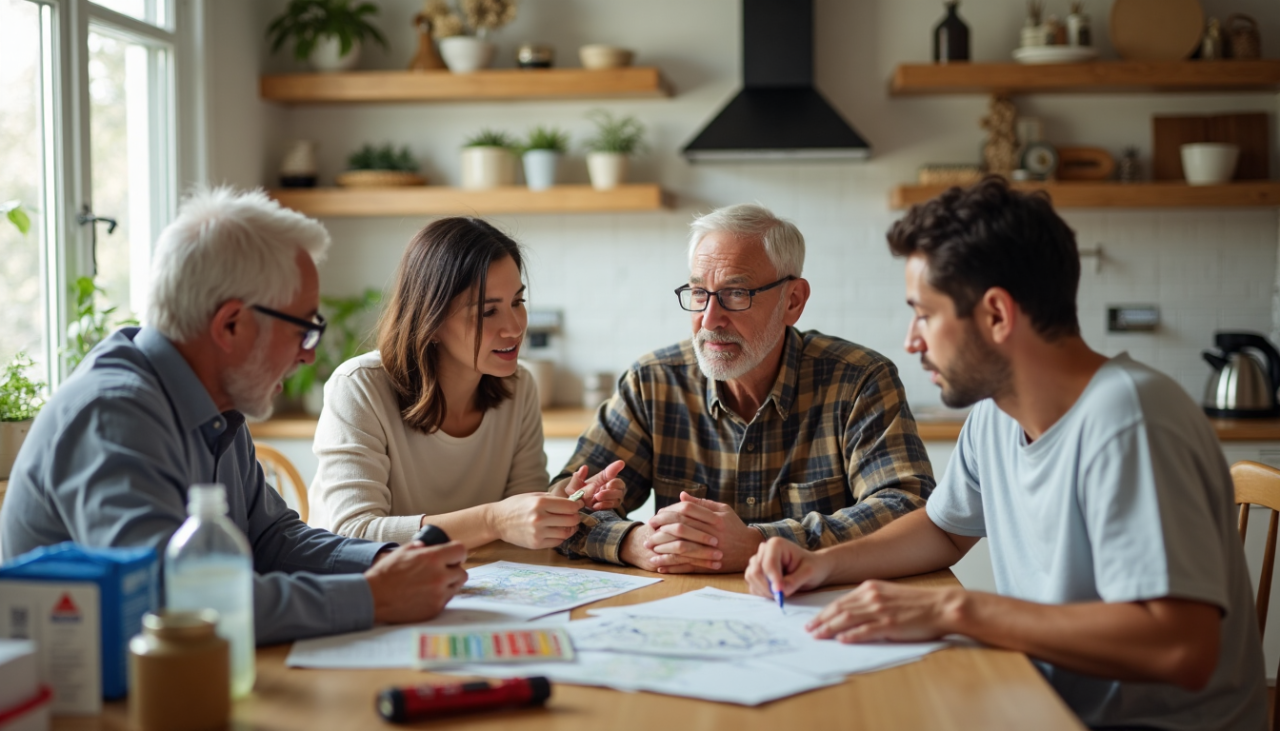
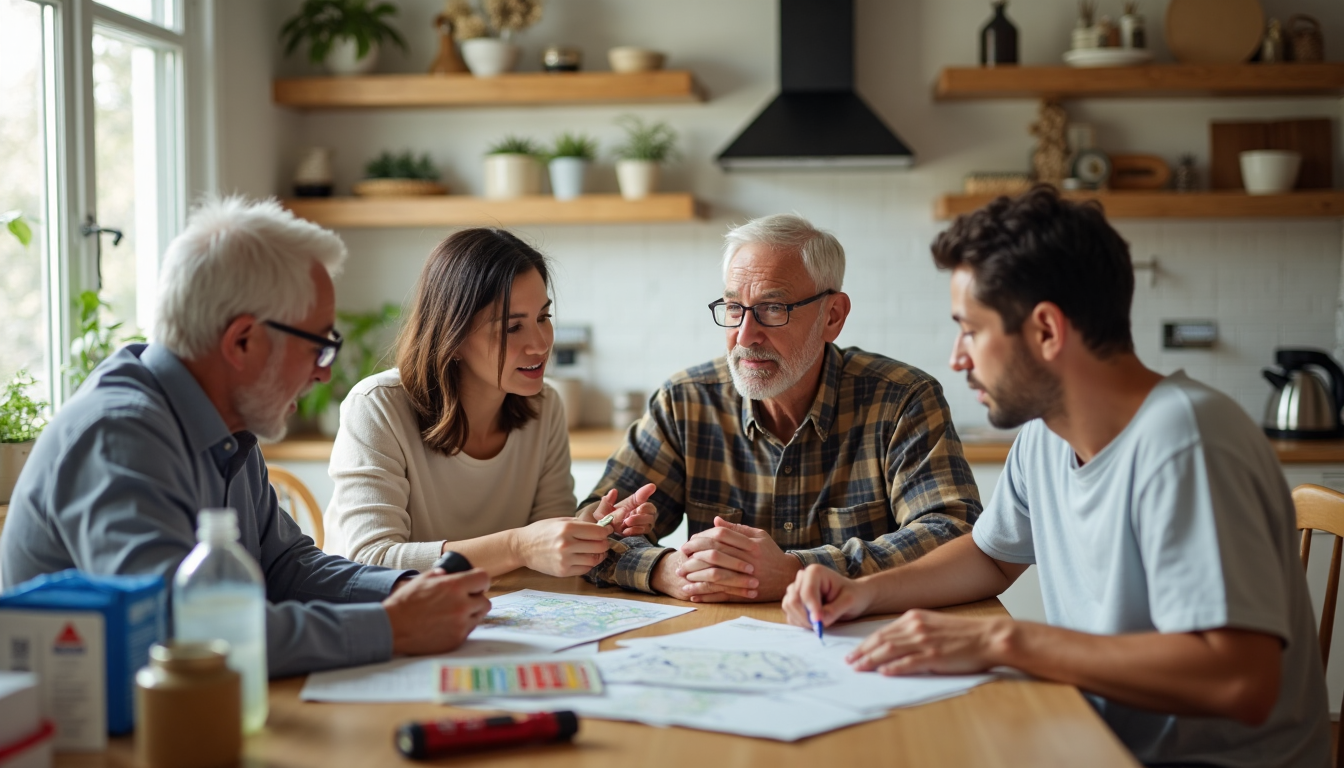
Emergency preparedness can seem overwhelming. Yet, more than 60 percent of American families do not have a basic emergency plan or supplies on hand. Most people focus on packing a flashlight or some canned food. The real difference comes down to three things no one talks about. You need a clear plan with specific roles, reliable communication channels that work when wifi goes down, and a strong network with local professionals who know how to help. Here’s what gets missed and why it matters this year.
Table of Contents
- Building A Family Emergency Plan
- Critical Supplies And Emergency Kits
- Communication Strategies During Disasters
- Coordinating With Professionals And Organizations
Quick Summary
| Takeaway | Explanation |
|---|---|
| Create a Family Emergency Plan | Develop a comprehensive family emergency plan to ensure all members are informed about their roles, evacuation routes, and communication methods during a crisis. |
| Assemble Critical Supplies | Prepare an emergency kit that includes water, food, medical supplies, and important documents, ensuring everything is maintained and updated regularly. |
| Establish Communication Protocols | Set up a multi-channel communication plan that incorporates reliable sources and backup methods to stay connected when traditional networks fail. |
| Build Relationships with Emergency Services | Engage with local emergency management agencies and organizations before a disaster to foster collaboration and enhance your preparedness. |
| Focus on Vulnerable Family Members | Address the unique needs of vulnerable family members in your preparedness strategies, ensuring their specific requirements are met during emergencies. |
Building a Family Emergency Plan
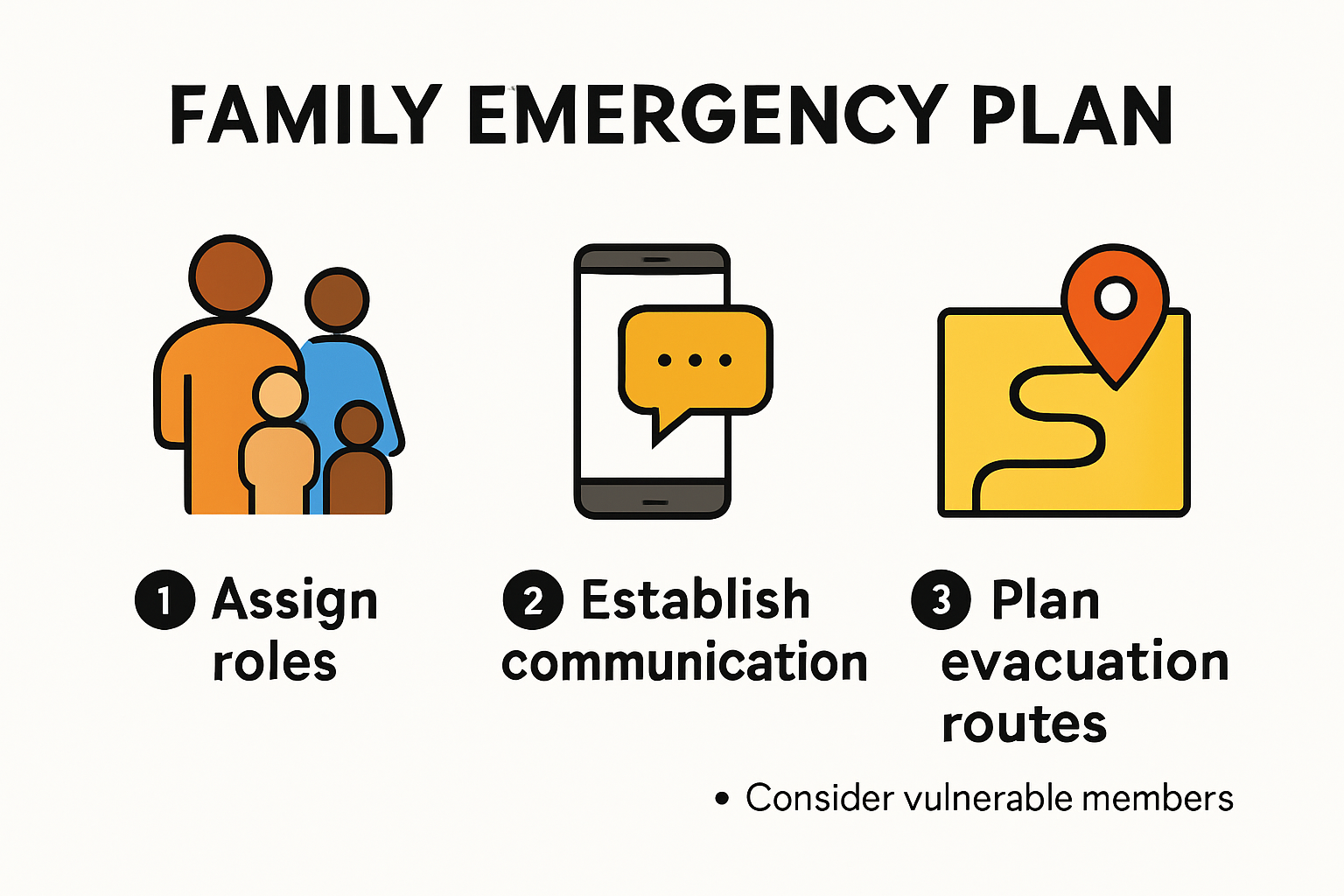
Creating a comprehensive family emergency plan is the cornerstone of effective disaster preparedness. When unexpected events strike, having a well-thought-out strategy can mean the difference between chaos and coordinated action. A robust emergency plan ensures every family member knows exactly what to do, where to go, and how to stay safe during critical moments.
Establishing Communication and Meeting Protocols
Communication becomes challenging during emergencies, making advance planning crucial. Learn how to develop a strategic family communication plan that keeps everyone connected. Start by designating an out-of-area contact person who can serve as a central communication hub. This individual should be someone living outside your immediate geographic region who can relay messages between family members if local communication networks fail.
Create a detailed contact list including:
- Emergency contacts (family, friends, local authorities)
- Work and school phone numbers
- Medical provider information
- Insurance contact details
Ensure every family member has a physical and digital copy of this list. Consider laminating a paper version for durability and storing digital copies in secure cloud storage accessible from multiple devices.
Developing Evacuation and Shelter Strategies
Knowing where to go during different emergency scenarios is critical. Identify multiple evacuation routes from your home, workplace, and children’s schools. According to emergency preparedness experts, families should have at least two exit strategies for each location.
Designate specific meeting points both near your home and in alternative locations. These might include:
- Immediate neighborhood gathering spot
- Community center or school
- Relative’s home in a different neighborhood
- Out-of-town emergency rendezvous location
Prepare individual emergency go bags for each family member. These should contain essential items like water, non-perishable food, first aid supplies, medications, copies of important documents, and a basic communication device. Practice your evacuation plan regularly, treating it like a fire drill to ensure everyone understands their roles and responsibilities.
Special Considerations for Vulnerable Family Members
Emergency planning requires extra attention for family members with special needs. This includes young children, elderly relatives, individuals with medical conditions, and pets. Develop specific protocols that address their unique requirements.
For medical needs, maintain a comprehensive medical information document that includes:
- Current medications
- Allergies
- Medical device requirements
- Emergency medical contacts
Create specific emergency kits for these family members that include any specialized equipment, additional medications, and comfort items. Discuss and practice emergency scenarios with everyone, ensuring they understand their individual responsibilities and feel confident in the family’s preparedness strategy.
Remember, an effective emergency plan is a living document. Review and update it annually, accounting for changes in family structure, medical needs, and local emergency protocols. Preparedness is not about fear but about empowering your family with knowledge and strategic thinking.
Critical Supplies and Emergency Kits
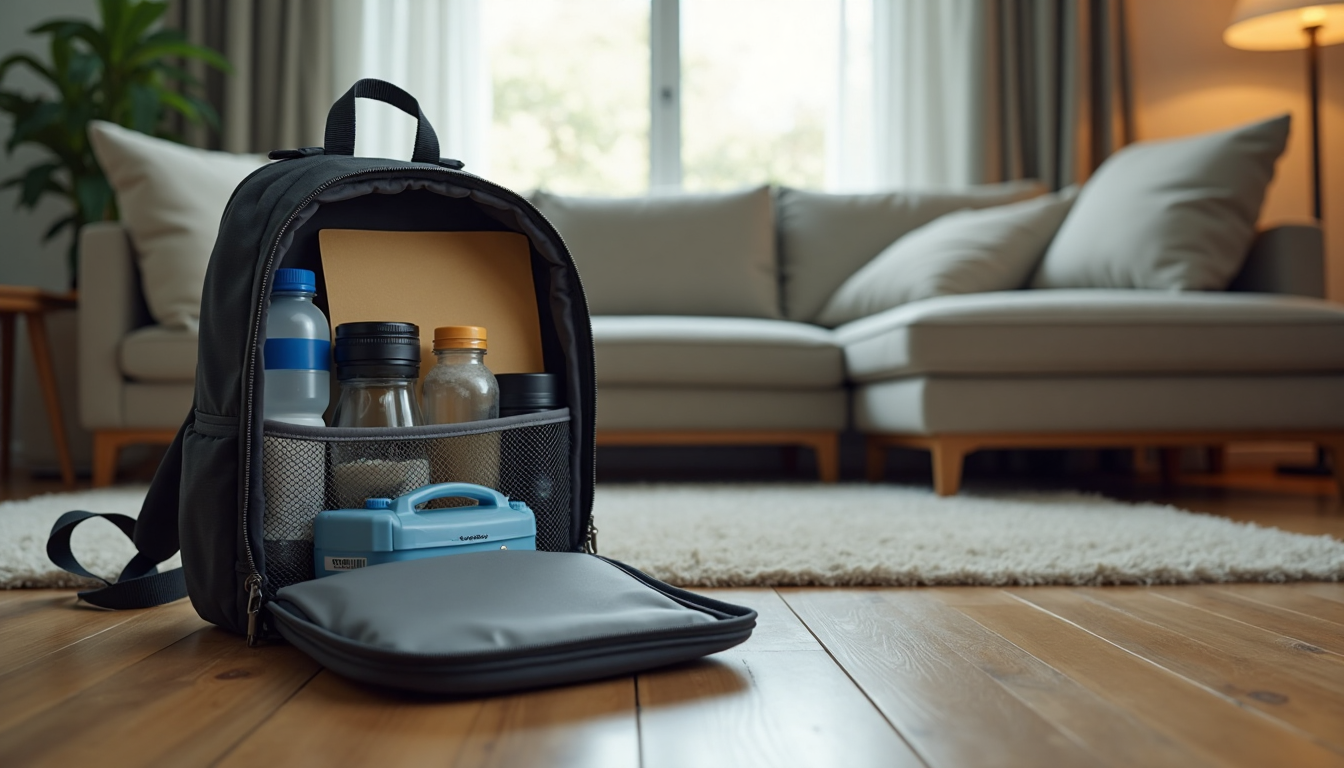
Emergency preparedness hinges on having the right supplies ready when disaster strikes. A well-assembled emergency kit can be your lifeline during unexpected crises, providing essential resources to sustain and protect your family when standard infrastructure and support systems break down.
Water, Food, and Basic Survival Essentials
First aid and emergency preparedness experts consistently emphasize the critical importance of water and nutrition. According to the American Red Cross, you should store at least one gallon of water per person per day, with a minimum three-day supply for evacuation and a two-week supply for home-based emergencies.
Select non-perishable food items that require minimal preparation and provide sustained energy:
- Protein bars and meal replacement packets
- Canned meats and vegetables
- Dried fruits and nuts
- Shelf-stable meals
Ensure you have a manual can opener and consider dietary restrictions when selecting food items. Rotate your emergency food supply annually to maintain freshness and nutritional value.
Medical and Personal Care Supplies
The National Institute on Aging recommends comprehensive medical and personal care supplies that go beyond basic first aid. Your emergency kit should include:
- Prescription medications with a week’s extra supply
- Comprehensive first aid kit
- Personal hygiene items
- Sanitation supplies
- Essential medical equipment and backup batteries
- Copies of critical medical documents
- Extra eyeglasses or contact lenses
- Hearing aid batteries
Pack medications in waterproof containers and include a list of dosages and medical conditions. Consider creating personalized medical supply kits for each family member with specific health needs.
Communication and Documentation Essentials
In emergency situations, communication and documentation can be as crucial as physical supplies. Prepare a waterproof, portable document container including:
- Government identification
- Insurance policies
- Medical records
- Birth certificates
- Banking information
- Emergency contact list
Include backup communication devices like a battery-powered or hand-crank radio, extra batteries, portable chargers, and a prepaid mobile phone. Consider laminating important documents or storing digital copies in secure cloud storage accessible from multiple devices.
Remember that an emergency kit is not a static resource. Review and update your supplies biannually, checking expiration dates, replacing worn items, and adjusting for changes in family health needs or local emergency protocols. Your preparedness today could make all the difference in a future crisis.
Communication Strategies During Disasters
Effective communication becomes a critical lifeline during disaster scenarios, transforming potential chaos into coordinated response. When standard communication networks collapse, having robust and diverse communication strategies can mean the difference between isolation and survival.
Establishing Multi-Channel Communication Networks
Coordinating disaster response requires understanding that no single communication method is foolproof. The National Governors Association recommends utilizing both traditional and non-traditional communication channels to reach the broadest possible audience.
Prioritize these communication methods:
- Battery-powered or hand-crank emergency radios
- Satellite phones
- Designated emergency communication apps
- Prepaid mobile phones with extended battery life
- Backup portable chargers and solar charging devices
Create a communication hierarchy that identifies primary and secondary contact methods. Ensure family members understand the protocol for checking in and sharing critical information when standard networks are unavailable.
Information Verification and Reliable Sources
During emergencies, misinformation spreads rapidly. The U.S. Department of Energy emphasizes the importance of situational awareness and reliable information sharing. Identify and prioritize official communication channels before disaster strikes:
- Local emergency management websites
- Official government social media accounts
- Verified emergency alert systems
- Utility company communication platforms
- Local news stations with emergency broadcasting
Establish a system for verifying information. Cross-reference multiple official sources before acting on emergency instructions. Teach family members to be critical consumers of information, recognizing potential rumors and focusing on actionable, verified guidance.
Community and Family Communication Protocols
Building a comprehensive communication plan requires more than technological solutions. Develop a structured approach that includes:
- Designated out-of-area family contact
- Predetermined meeting locations
- Backup communication methods
- Emergency contact information cards
- Agreed-upon communication codes or signals
Practice your communication plan regularly. Conduct family drills that simulate communication disruptions, helping everyone understand their roles and responsibilities. Consider creating laminated communication cards that include essential contact information, medical details, and emergency protocols.
Remember that effective communication during disasters is about preparation, flexibility, and staying informed. Technology can fail, but a well-prepared family with clear communication strategies can overcome significant communication challenges. Stay adaptable, remain calm, and prioritize accurate, timely information sharing.
Coordinating With Professionals and Organizations
Disaster preparedness is not a solitary endeavor. Successful emergency response relies on comprehensive collaboration between individuals, professionals, and organizations. Understanding how to effectively coordinate with various stakeholders can significantly enhance your ability to navigate and recover from unexpected crises.
Understanding Professional Emergency Networks
Understanding disaster response coordination requires recognizing the complex ecosystem of emergency management. According to FEMA, preparedness is a shared responsibility involving federal, state, local agencies, private sectors, and entire communities working together to build resilience.
Key professional networks to understand and connect with include:
- Local emergency management agencies
- Fire and police departments
- Public health departments
- Search and rescue organizations
- Regional disaster relief nonprofits
- Community emergency response teams
Learn about these organizations’ specific roles, communication protocols, and how they interconnect during emergencies. Attend local community meetings, participate in emergency preparedness workshops, and familiarize yourself with their operational procedures.
Building Strategic Partnerships
The 2025 Preparedness Summit highlighted the critical importance of building strategic partnerships across different professional domains. Effective coordination means developing relationships before disasters strike, ensuring smoother communication and response during critical moments.
Consider establishing connections with:
- Insurance providers specializing in disaster recovery
- Local government emergency coordinators
- Healthcare providers with emergency response experience
- Utility company emergency management teams
- Mental health professionals trained in trauma support
Document these connections, including contact information, preferred communication methods, and specific areas of expertise. Create a professional network directory that can be quickly accessed during emergencies.
Leveraging Organizational Resources and Training
The California Department of Public Health demonstrates how centralized coordination can enhance emergency preparedness through comprehensive training and resource sharing. Individual preparedness extends beyond personal planning to understanding and utilizing broader organizational resources.
Strategies for leveraging organizational resources include:
- Attending free community emergency preparedness workshops
- Participating in local disaster simulation exercises
- Completing online emergency response training courses
- Joining community emergency response teams
- Subscribing to official emergency communication channels
Remember that professionals and organizations are valuable resources, not just during emergencies, but in the critical preparation phases. By proactively building relationships, understanding available resources, and continuously educating yourself, you transform from a potential victim to an informed, resilient community member capable of effective response and recovery.
Frequently Asked Questions
What is an emergency preparedness plan?
An emergency preparedness plan is a comprehensive strategy that outlines the roles, evacuation routes, and communication methods for family members during a disaster or crisis.
How do I create an emergency kit?
To create an emergency kit, gather essential supplies including water, non-perishable food, medical supplies, important documents, and personal hygiene items. Ensure to update and maintain your kit regularly.
What are the best communication strategies during a disaster?
Establish multi-channel communication networks that may include battery-powered radios, satellite phones, and designated emergency apps. Have a family communication hierarchy and practice regularly to stay prepared.
How can I coordinate with local emergency services?
You can coordinate with local emergency services by attending community meetings, building relationships with emergency management agencies, and familiarizing yourself with their operational protocols and resources.
Ready to Turn Emergency Preparedness Into Real-World Action?
You have taken the first step by learning how to build a family emergency plan and assemble critical supplies. But what happens when disaster actually hits and your plans are truly tested? Facing unexpected loss of power, displacement from your home, or gaps in communication can feel overwhelming. The stress is real when you need safe housing, reliable support, and trusted professionals – fast.
When the basics are not enough, our team at DisasterVictimServices.com steps in to keep your family protected. We specialize in emergency response and rapid housing solutions. If your property needs repairs or rebuilding to make it safe again, we can help you coordinate and navigate every phase – from Remodeling projects to full disaster recovery support. Don’t let uncertainty put your loved ones at risk. Reach out now for expert guidance and compassionate solutions that turn your emergency plan into action. Visit our website and let us help you move forward with confidence today.
Recommended Articles
- First Aid Basics 2025: Essential Guide for Disaster Recovery Teams – Disaster Victim Services | Helping You Recover After Disaster
- Home Safety Tips 2025: Essential Guide for Disaster Recovery – Disaster Victim Services | Helping You Recover After Disaster
- How to Coordinate Response in Disasters: A Guide for 2025 – Disaster Victim Services | Helping You Recover After Disaster