
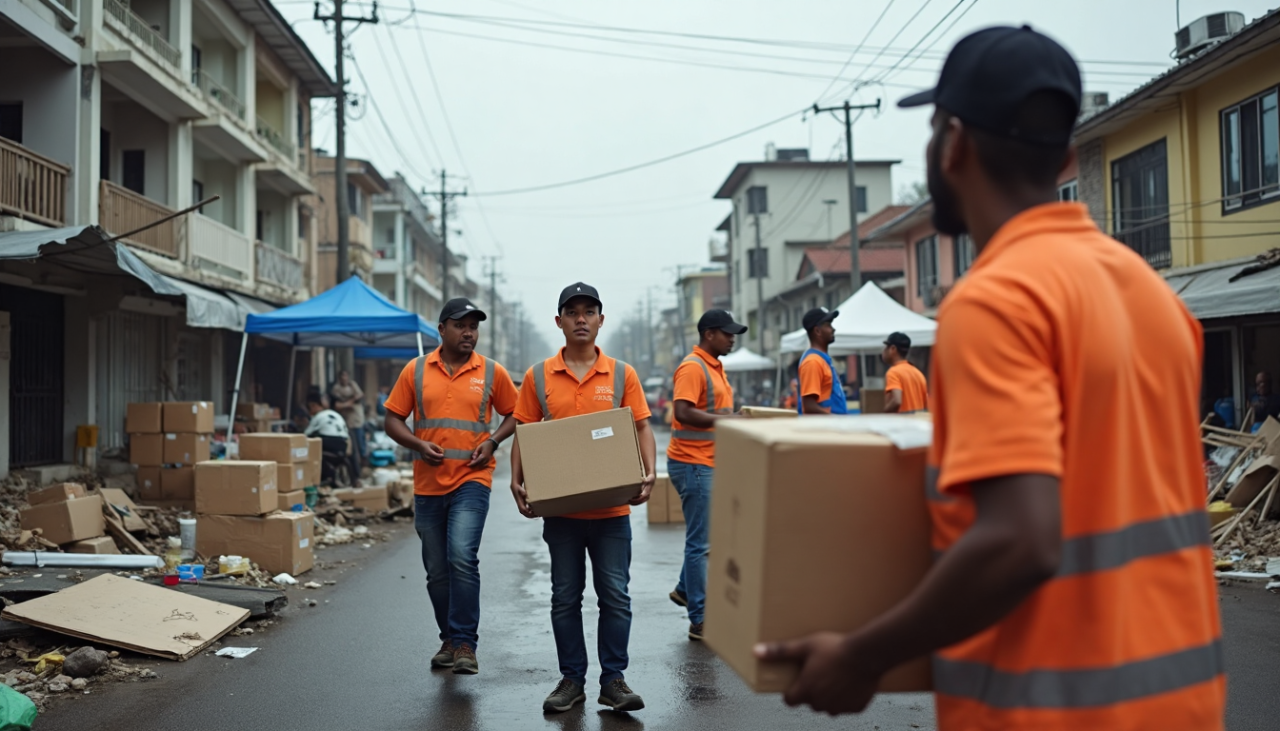
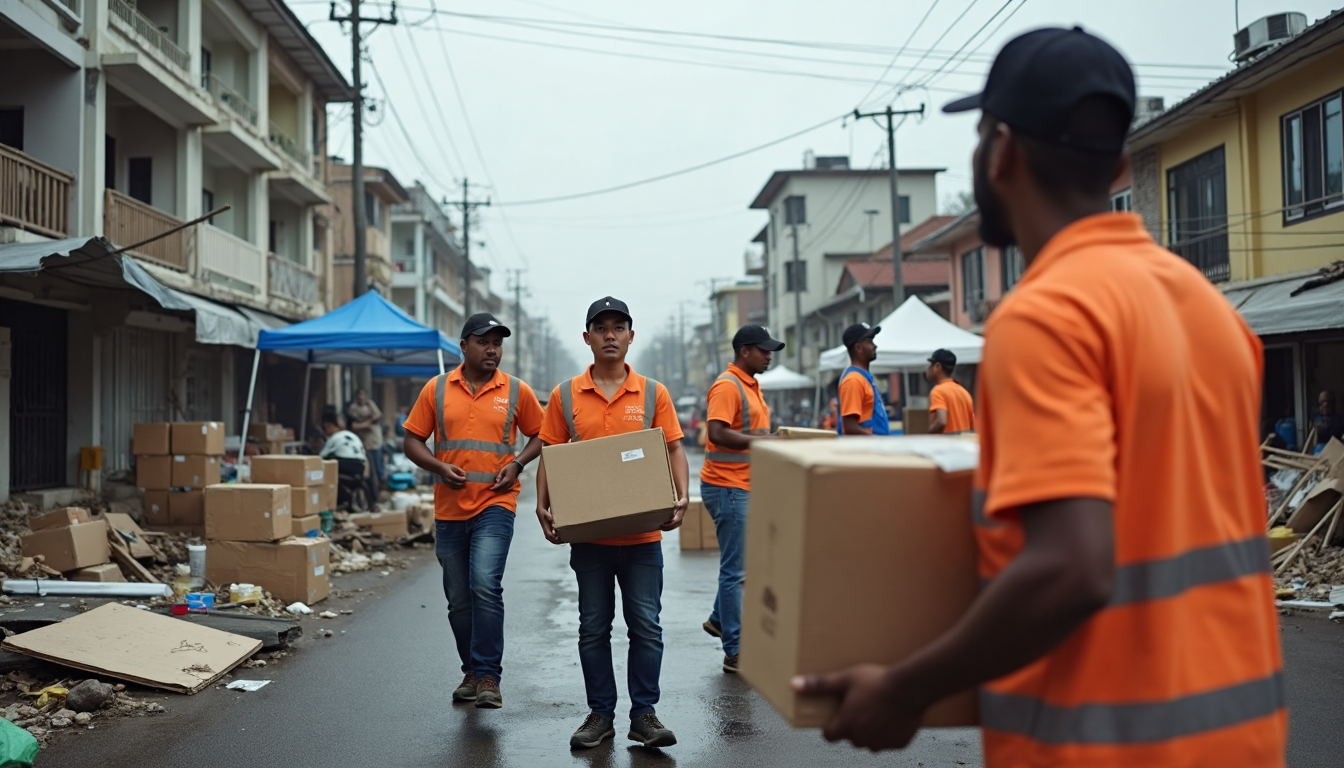
Disaster response gets a lot of attention when tragedy strikes, but the real story unfolds in the shadows of coordination. Over the last decade, federal disaster appropriations have soared past $448 billion, yet speed and impact still hinge on split-second assessments and teamwork across agencies. Think boots on the ground, instant mapping, and resource routes opening while chaos still roars. Yet, the biggest surprise isn’t the amount of money or tech thrown at the problem. The real breakthrough happens when local communities and grassroots partners step up, transforming one-time aid drops into long-lasting resilience. Here’s how the smartest teams are turning disaster zones into models of recovery and hope.
Table of Contents
- Understanding Key Steps In Aid Deployment
- Coordinating Partnerships And Resources
- Best Practices For Timely Relief Delivery
- Measuring Impact And Improving Future Response
Quick Summary
| Takeaway | Explanation |
|---|---|
| Initial Assessment is Critical | Rapid and accurate damage assessments enable targeted aid deployments by identifying immediate human needs and resource availability. |
| Logistical Coordination is Key | Effective disaster response requires seamless coordination between government agencies and nonprofits, focusing on transportation, supply chain management, and communication protocols. |
| Community Partnerships Enhance Recovery | Local organizations and grassroots groups are essential for immediate response and long-term recovery, emphasizing the importance of trust and collaboration in community engagement. |
| Technology Improves Relief Efficiency | The use of technology in mapping, communication, and resource tracking enhances disaster response effectiveness and accelerates support delivery. |
| Continuous Improvement is Essential | Learning from past disaster responses through data-driven evaluations helps refine strategies and improve future aid distribution efforts. |
Understanding Key Steps in Aid Deployment
Deploying aid during disaster scenarios requires strategic planning, rapid response mechanisms, and coordinated efforts across multiple agencies. The complex process of emergency assistance demands precision, speed, and adaptability to ensure survivors receive critical support when they need it most.
Initial Assessment and Rapid Response
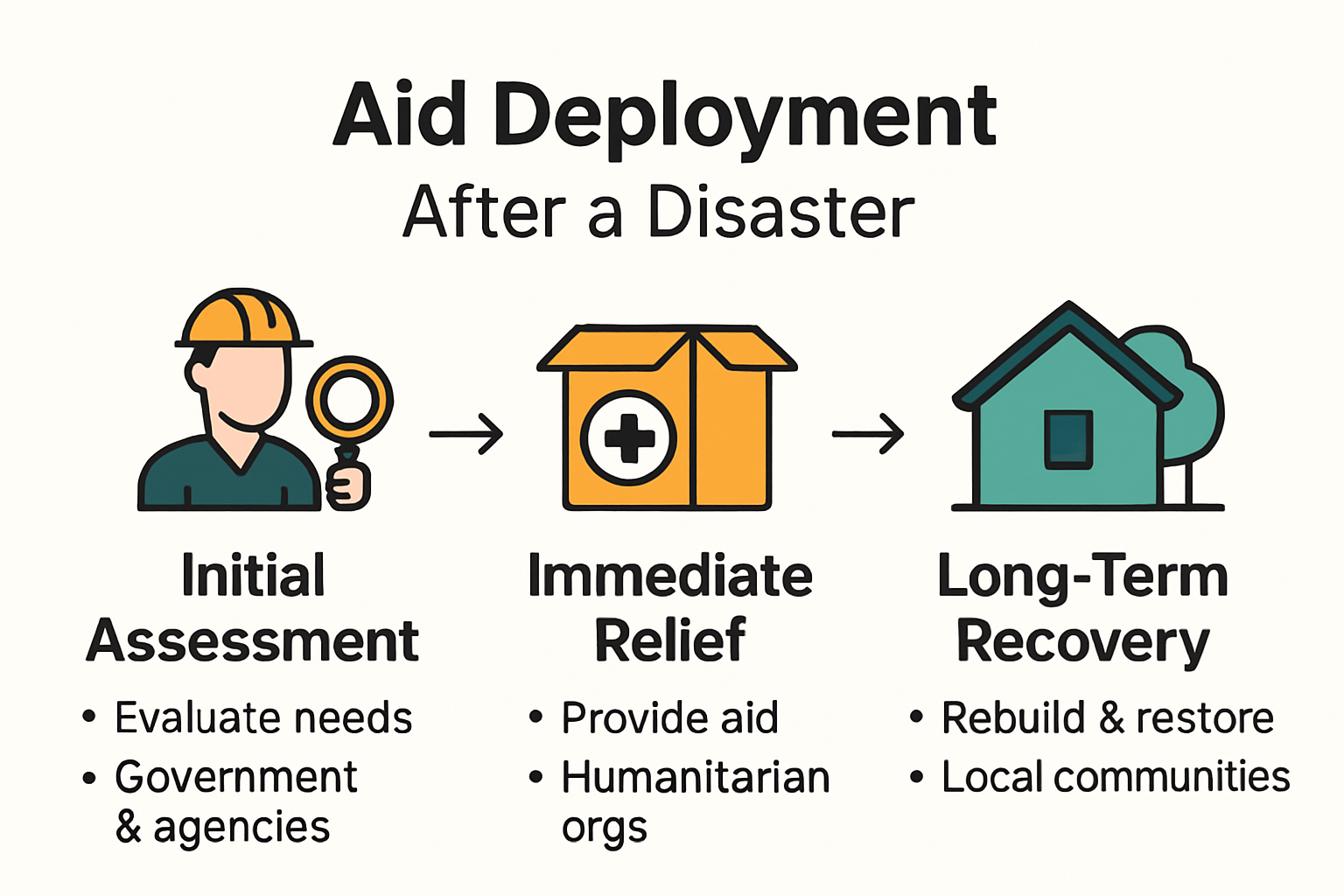
The first critical phase in aid deployment involves comprehensive disaster assessment. Emergency response teams must quickly evaluate the scale of destruction, immediate human needs, and infrastructure damage. According to U.S. Government Accountability Office, federal disaster appropriations have exceeded $448 billion in the last decade, highlighting the significant investment in understanding and addressing disaster impacts.
Effective initial assessment requires multidisciplinary teams that can:
- Terrain Evaluation: Rapidly map affected areas
- Population Impact: Determine number of displaced individuals
- Resource Mapping: Identify available local and regional support systems
Quick and accurate assessments enable targeted aid deployment, preventing resource waste and ensuring timely assistance reaches those most vulnerable.
Logistical Coordination and Resource Allocation
Successful aid deployment hinges on seamless logistical coordination. Government agencies, nonprofits, and emergency response organizations must synchronize their efforts to create an efficient relief pipeline. The U.S. Department of Agriculture emphasizes waiving restrictive eligibility criteria to accelerate relief distribution.
Key logistical considerations include:
- Transportation Infrastructure: Identifying functional routes for aid delivery
- Supply Chain Management: Tracking and routing critical resources
- Communication Protocols: Establishing clear communication channels between response teams
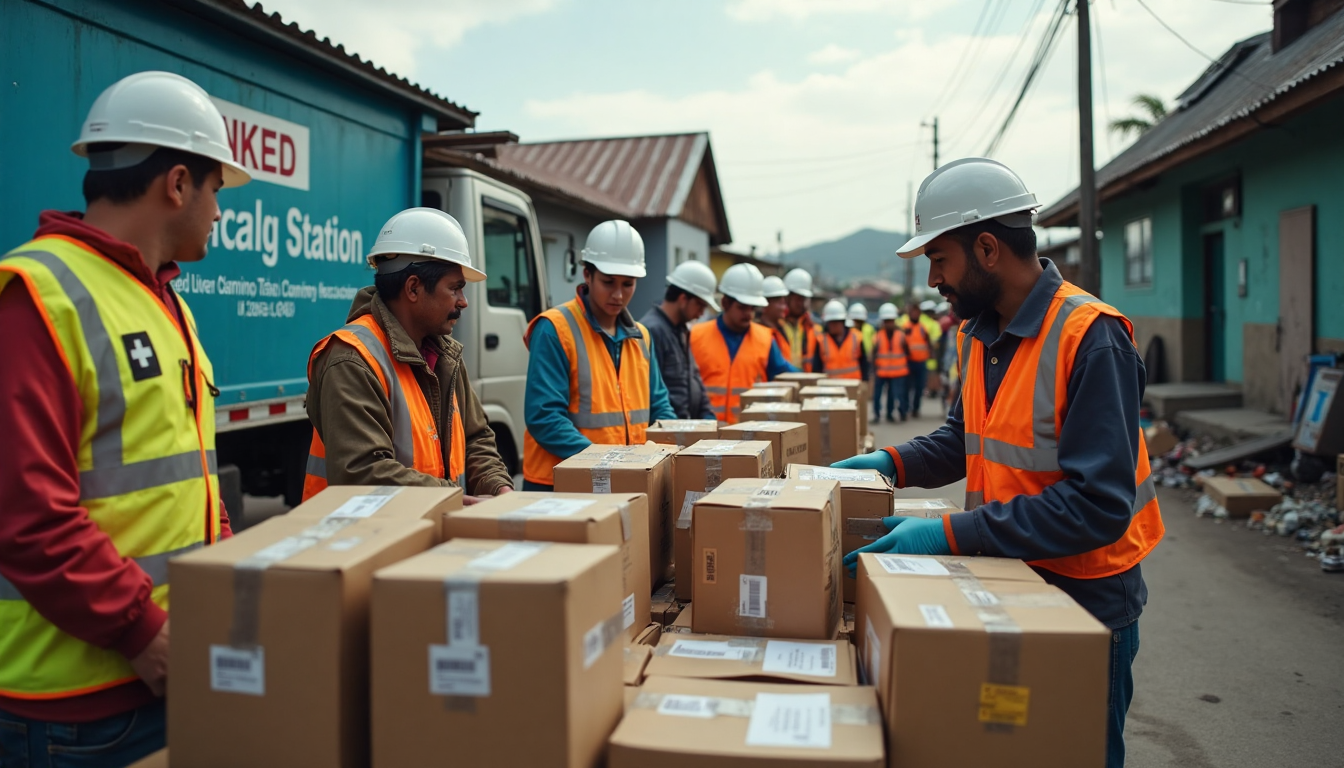
These strategies ensure that emergency supplies like food, water, medical equipment, and temporary shelter reach affected populations quickly and efficiently.
Adaptive Support and Long Term Recovery
Aid deployment is not a one time event but a comprehensive process extending beyond immediate emergency response. Sustainable recovery requires adaptive support strategies that address both short term survival needs and long term community rebuilding efforts.
This approach involves:
- Providing psychological support for trauma recovery
- Supporting economic rehabilitation
- Rebuilding critical infrastructure
For more comprehensive guidance on navigating aid access, learn more about accessing disaster relief resources and understand the nuanced steps involved in comprehensive disaster recovery.
By implementing these strategic approaches, emergency response teams can transform chaotic disaster scenarios into structured, compassionate relief efforts that prioritize human dignity and community resilience.
Coordinating Partnerships and Resources
Effective disaster response requires intricate collaboration between government agencies, nonprofit organizations, private sector entities, and local communities. The complex ecosystem of emergency management demands strategic partnerships and resource optimization to provide comprehensive support during critical moments.
Interagency Collaboration and Resource Alignment
Successful disaster response hinges on seamless interagency cooperation. According to the U.S. Government Accountability Office, improving program coordination can significantly enhance disaster recovery effectiveness. FEMA’s 2025 strategic framework emphasizes proactive risk assessment and resource identification across state, local, tribal, and territorial partners.
Key collaboration strategies include:
- Communication Protocols: Establishing clear communication channels
- Resource Mapping: Identifying and allocating specialized expertise
- Joint Training Programs: Developing unified response capabilities
These approaches help break down traditional organizational silos and create a more responsive, integrated emergency management system.
Strategic Resource Allocation and Management
Resources are often limited during disaster scenarios, making strategic allocation critical. The National Disaster Recovery Framework provides a structured approach to coordinating federal, state, tribal, and local resources. Emergency management teams must develop flexible allocation strategies that prioritize immediate life saving operations while planning for long term recovery.
Effective resource management involves:
- Inventory Tracking: Real time monitoring of available supplies
- Predictive Analytics: Forecasting potential resource needs
Building Resilient Community Partnerships
Beyond governmental coordination, successful disaster response requires strong community partnerships. Local organizations, volunteer networks, and grassroots groups play a crucial role in immediate response and long term recovery. Explore our comprehensive guide on disaster response coordination to understand the nuanced strategies for building robust community resilience.
Community partnership strategies include:
- Engaging local leadership
- Developing trust through transparent communication
- Creating adaptive support networks
By fostering collaborative relationships and implementing strategic coordination mechanisms, emergency response teams can transform potential chaos into structured, efficient disaster recovery efforts that prioritize human safety and community restoration.
Best Practices for Timely Relief Delivery
Timely relief delivery represents the critical lifeline between disaster impact and community survival. Emergency response teams must implement strategic approaches that prioritize speed, efficiency, and human dignity during complex recovery scenarios.
Rapid Assessment and Immediate Action
Successful relief delivery begins with lightning fast damage assessment and immediate mobilization. According to the U.S. Government Accountability Office, federal agencies must streamline processes to ensure aid reaches affected communities efficiently. This requires developing comprehensive action plans that eliminate bureaucratic barriers and create direct pathways for emergency support.
Key rapid assessment strategies include:
- Technological Mapping: Using satellite and drone technologies for instant terrain evaluation
- Real Time Communication: Establishing direct communication channels with local emergency responders
- Prioritization Protocols: Creating clear guidelines for immediate resource allocation
Efficient Resource Distribution Mechanisms
The USDA’s Disaster Assistance Fund demonstrates how strategic reforms can dramatically improve relief delivery. By cutting bureaucratic inefficiencies and waiving restrictive eligibility criteria, agencies can accelerate support to vulnerable populations.
Effective distribution strategies involve:
- Decentralized Logistics: Creating multiple distribution points
- Mobile Support Units: Deploying flexible response teams
- Supply Chain Optimization: Predicting and preempting potential resource bottlenecks
Technology Enhanced Relief Coordination
Modern disaster response leverages advanced technologies to transform traditional relief delivery models. Digital platforms and data analytics enable more precise, targeted assistance. Learn more about coordinating disaster response strategies to understand how technology revolutionizes emergency support.
Technology enhanced approaches include:
- Geospatial tracking of relief resources
- Automated need assessment algorithms
- Real time communication platforms
Successful relief delivery demands more than just moving supplies. It requires a holistic approach that combines human compassion, technological innovation, and strategic planning. By implementing these best practices, emergency response teams can significantly reduce response times and provide critical support exactly where and when it is needed most.
Measuring Impact and Improving Future Response
Effective disaster response goes beyond immediate relief efforts. Measuring and analyzing the impact of aid deployment is crucial for developing more resilient, efficient emergency management strategies that can adapt to evolving challenges and community needs.
Data Driven Performance Evaluation
Comprehensive impact measurement requires sophisticated analytical approaches. According to the U.S. Government Accountability Office, evaluating grantee performance and collecting precise milestone data are critical for understanding the effectiveness of disaster assistance programs. With federal disaster appropriations exceeding $448 billion in the past decade, systematic performance tracking becomes essential for accountability and continuous improvement.
Key performance evaluation strategies include:
- Quantitative Impact Metrics: Measuring specific recovery outcomes
- Longitudinal Tracking: Monitoring community recovery over extended periods
- Comparative Analysis: Benchmarking response effectiveness across different disaster scenarios
Technology Enhanced Impact Assessment
The Department of Homeland Security’s 2025 CLSS platform demonstrates how advanced technologies can revolutionize impact measurement. Real time data sharing and centralized assessment platforms enable more precise situational awareness and rapid resource allocation.
Technological impact assessment approaches involve:
- Geospatial Data Analysis: Mapping recovery progress
- Machine Learning Algorithms: Predicting recovery challenges
- Digital Feedback Mechanisms: Capturing direct community experiences
Continuous Improvement and Adaptive Strategies
Measuring impact is not just about collecting data but transforming insights into actionable improvements. Emergency response teams must develop adaptive frameworks that learn from each disaster response. Explore our comprehensive guide on coordinating disaster response strategies to understand how continuous learning can enhance future relief efforts.
Continuous improvement strategies include:
- Conducting rigorous after action reviews
- Developing flexible response protocols
- Creating knowledge sharing platforms across agencies
By implementing robust impact measurement techniques, emergency management professionals can transform individual disaster responses into comprehensive learning experiences. This approach ensures that each challenge becomes an opportunity to build more effective, compassionate, and resilient disaster recovery systems that prioritize human needs and community restoration.
Frequently Asked Questions
What are the initial steps for deploying aid in a disaster situation?
The initial steps include conducting a rapid assessment of the disaster to evaluate damage, determine immediate human needs, and identify available resources for effective aid deployment.
How can logistics improve disaster response efficiency?
Logistics can improve efficiency through seamless coordination between agencies, optimizing transportation routes, managing supply chains, and establishing clear communication protocols for timely relief delivery.
Why are community partnerships important in disaster response?
Community partnerships are essential as local organizations have firsthand knowledge of the affected areas, enabling them to deliver immediate support and assist in long-term recovery efforts effectively.
How does technology enhance aid deployment during disasters?
Technology enhances aid deployment by providing tools for real-time mapping, communication, and resource tracking, which allow for more precise, targeted assistance and improved overall disaster response effectiveness.
Move From Uncertainty to Action: Secure Reliable Disaster Aid Now
Deploying timely aid during a disaster is never easy. The article highlights the real stress points—fast assessments, seamless logistics, adaptive support, and urgent coordination with other agencies or volunteers. It is overwhelming to face chaos while hoping the right help will arrive for everyone who needs it.
You should not have to manage the aftermath alone. Our team at DisasterVictimServices.com specializes in turning uncertainty into action through hands-on support and expert logistics. Looking for tailored housing assistance or need help navigating the recovery process? Explore our Developing Solutions for disaster response or see how our Project Design Services can streamline your aid deployment. Act now to connect with professionals who understand your urgency and are ready to guide you to stability. Don’t wait—reach out and start your recovery journey today.
Recommended Articles
- How to Coordinate Response in Disasters: A Guide for 2025 – Disaster Victim Services | Helping You Recover After Disaster
- How to Access Aid in 2025: A Guide for Disaster Victims and Responders – Disaster Victim Services | Helping You Recover After Disaster
- Home Safety Tips 2025: Essential Guide for Disaster Recovery – Disaster Victim Services | Helping You Recover After Disaster