
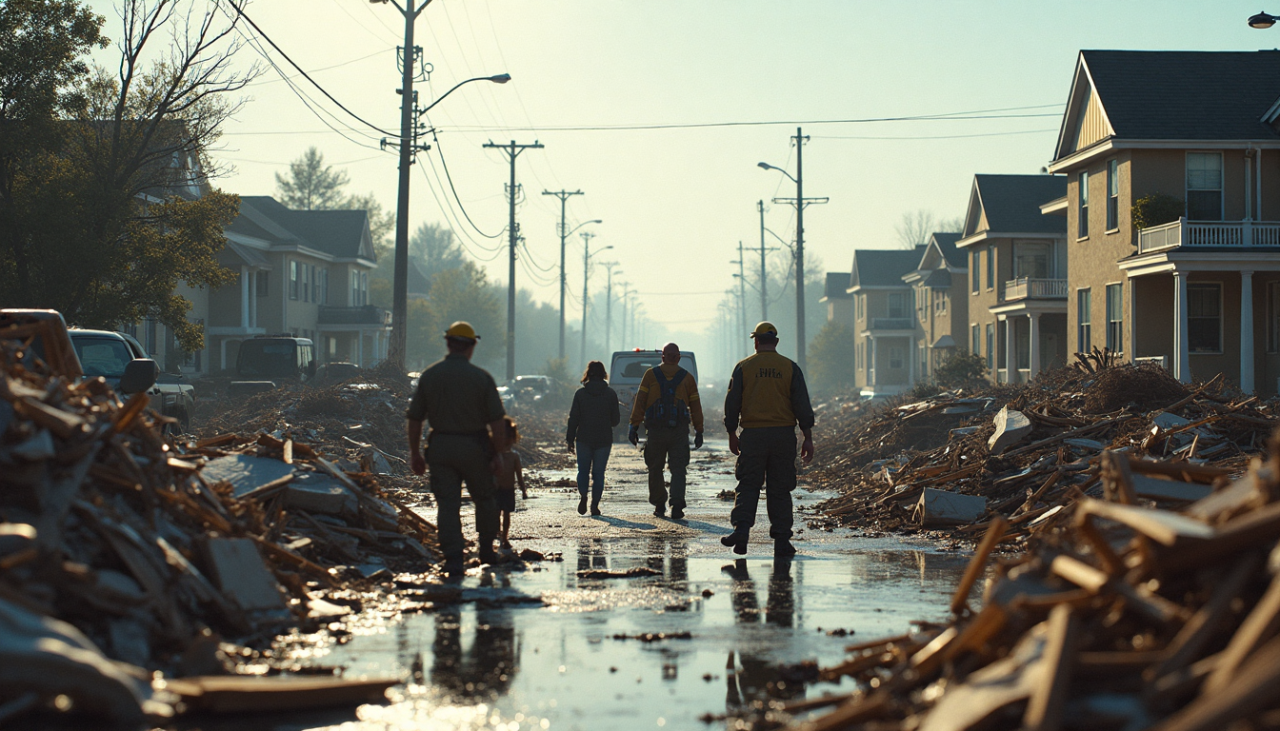
Natural disasters roared into focus in 2025, shattering lives and straining emergency systems across the country. Insured losses from these catastrophes are expected to hit a staggering $145 billion worldwide this year, a huge jump that reveals just how vulnerable families and communities have become. It sounds like warning sirens and insurance fine print should have everyone on edge. Here’s the twist. Old-school response plans are getting left in the dust as technology, predictive analytics, and community-powered innovations reshape how we prepare, respond, and recover. Surprising numbers are only half the story. The real change is happening in how we rebuild—and who steps up when disaster strikes.
Table of Contents
- Major Natural Disaster Events In 2025
- Economic And Human Impact: Losses And Recovery
- Implications For Disaster Response And Insurance
- How Communities Can Prepare For Future Disasters
Quick Summary
| Takeaway | Explanation |
|---|---|
| Increased Frequency of Natural Disasters | The year 2025 saw significant tornado and wildfire events, emphasizing the need for advanced warning systems and emergency preparedness. |
| Rising Economic Impact | Economically, insured losses from disasters are projected to reach $145 billion, highlighting the importance of financial resilience and risk management strategies for families and communities. |
| Evolving Insurance Strategies | Insurance companies are adapting by using predictive technologies and dynamic pricing to better assess and offer coverage in the face of increasing environmental challenges. |
| Holistic Community Preparedness | Communities should invest in early warning systems, conduct regular emergency drills, and develop localized response strategies to enhance overall readiness for disasters. |
| Technology-Driven Innovations | Innovative technologies such as AI modeling and real-time data platforms are crucial for improving disaster response and community resilience efforts. |
Major Natural Disaster Events in 2025
The year 2025 marked a significant period of environmental challenges and catastrophic natural disasters that tested the resilience of communities across the United States. Understanding these events provides critical insights for emergency preparedness and response strategies.
Tornado Devastation in the Midwest
May 2025 emerged as a particularly devastating month for tornado activity. Our emergency response guide highlights the unprecedented destruction. According to Disaster Philanthropy, two major tornado events caused widespread damage and significant loss of life. On May 16, powerful tornadoes swept through multiple states, resulting in 28 total deaths – with Kentucky bearing the brunt of 23 fatalities, followed by 5 in Missouri and 2 in Virginia.
A subsequent EF-3 tornado struck Selmer, Tennessee on May 20, generating winds of 160 miles per hour. This catastrophic event caused at least five deaths, hospitalized 14 individuals, and directly impacted 332 community members. The intensity and frequency of these tornadoes underscored the critical need for advanced warning systems and robust emergency response protocols.
Wildfire Destruction and Economic Impact
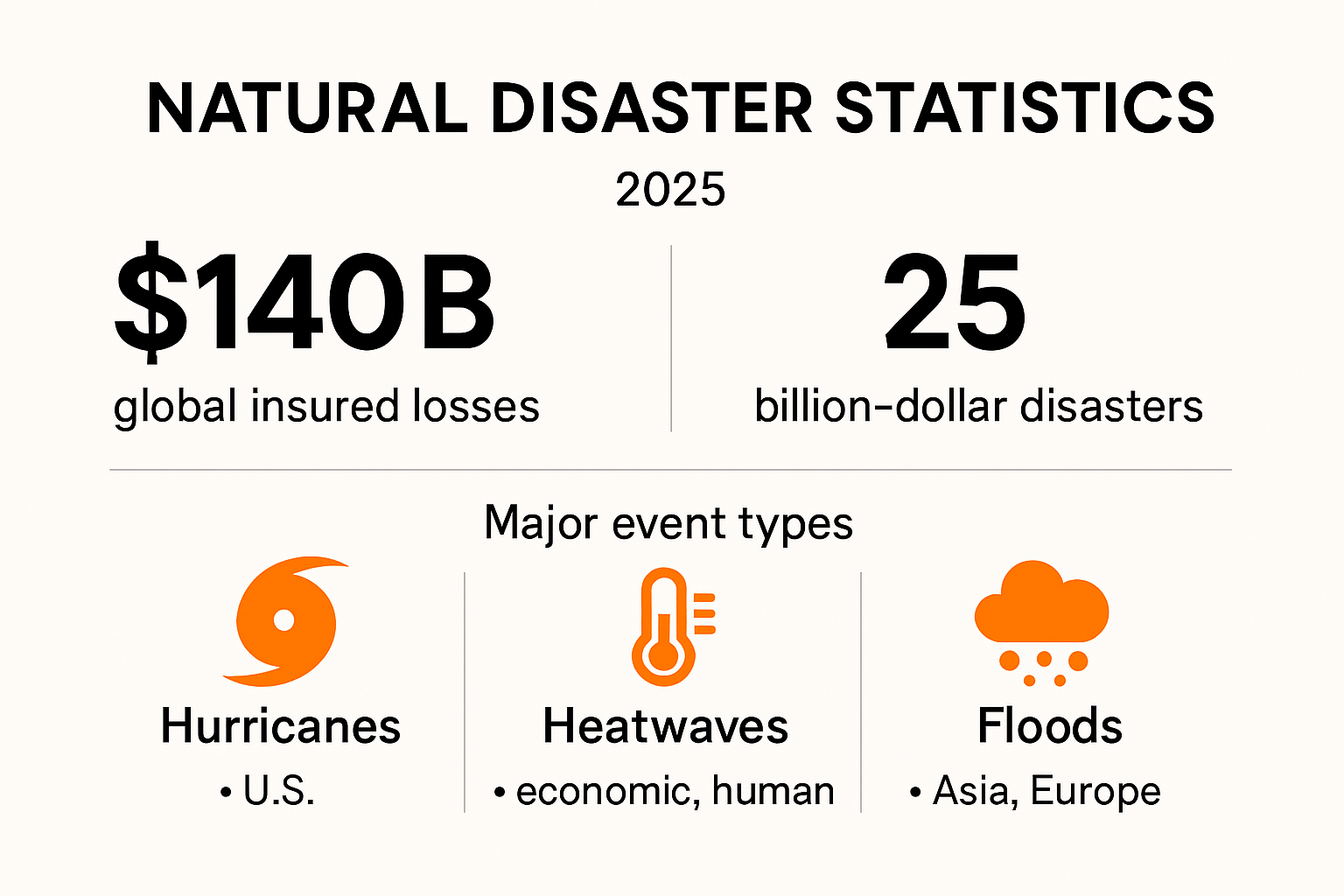
Wildfires continued to pose significant challenges in 2025, with Los Angeles experiencing particularly devastating fires. Research from Florida Realtors revealed that these wildfires generated an estimated $40 billion in insured losses. Global insured natural catastrophe losses were projected to reach $145 billion, continuing a long-term annual growth trend of 5-7%.
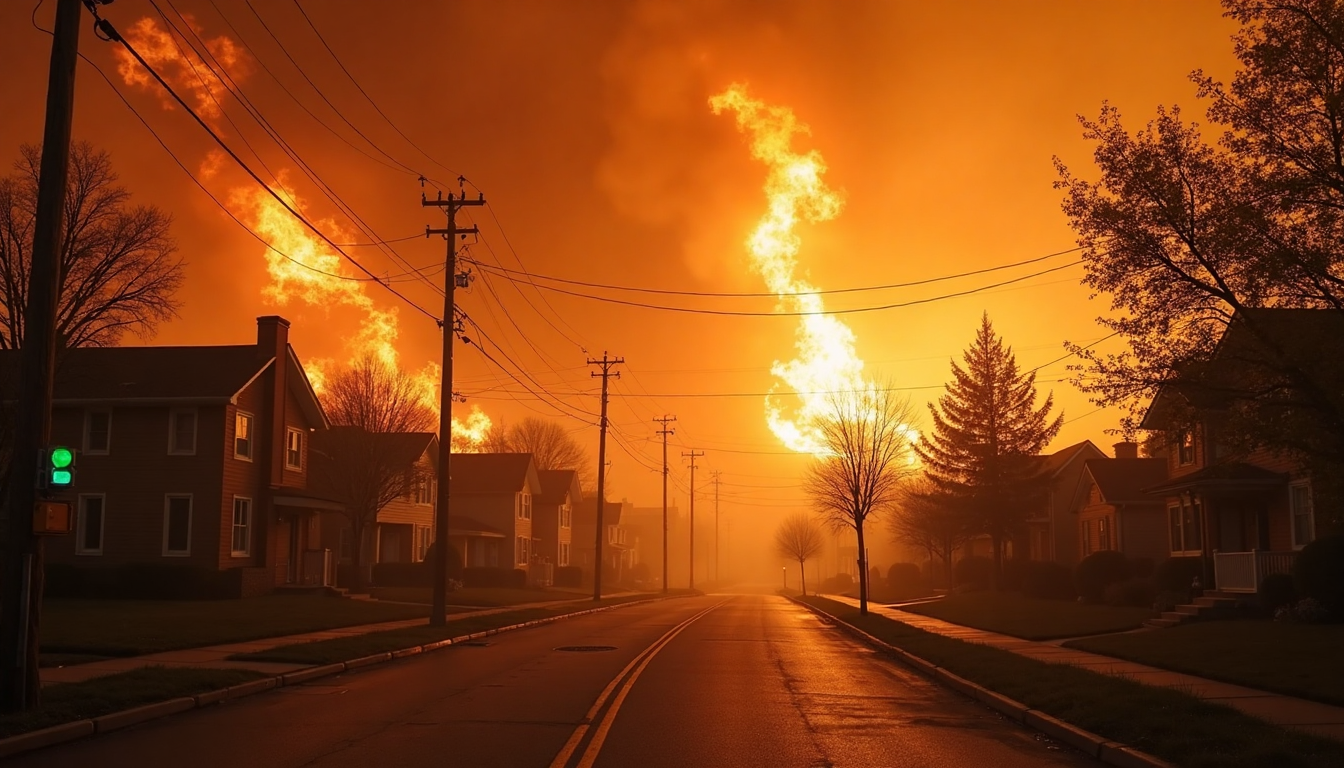
These economic figures represent more than just numbers – they reflect the immense human and infrastructure costs associated with increasingly frequent and intense natural disasters. The escalating scale of these events demands comprehensive strategies for mitigation, response, and recovery.
Climate Change and Disaster Trends
The 2025 natural disaster landscape reinforced growing concerns about climate change’s impact on extreme weather events. The combination of increasingly powerful tornadoes, extensive wildfires, and substantial economic losses signaled a critical inflection point for emergency management professionals, policymakers, and community leaders.
Emergency responders, insurance professionals, and disaster relief organizations must continuously adapt their approaches. This requires investing in advanced predictive technologies, enhancing community resilience, and developing more dynamic response frameworks that can quickly mobilize resources during catastrophic events.
As we move forward, the lessons learned from these 2025 disasters will be instrumental in shaping more effective, compassionate, and efficient emergency response strategies nationwide.
Economic and Human Impact: Losses and Recovery
The economic and human toll of natural disasters in 2025 represented a stark reminder of the complex challenges facing communities, emergency responders, and financial systems. Understanding these impacts goes far beyond simple monetary calculations – it encompasses the profound disruption to human lives, infrastructure, and long-term economic stability.
Historical Context of Disaster Losses
Our comprehensive recovery guide provides critical context for understanding disaster economic impacts. According to NOAA’s National Centers for Environmental Information, the United States has experienced a cumulative 403 weather and climate disasters from 1980 to 2024 where damages exceeded $1 billion per event. This historical data underscores the persistent and escalating economic challenges posed by natural catastrophes.
In 2025, global projections painted an increasingly concerning picture. Research from Florida Realtors revealed that insured losses from natural disasters were anticipated to reach $145 billion. Critically, these figures could potentially surge to $300 billion in extreme scenarios involving major hurricanes or significant earthquake events in densely populated regions.
Financial Resilience and Risk Management
The reinsurance industry emerged as a crucial buffer in managing these massive financial risks. With a global capital estimated at $500 billion, reinsurance companies play a pivotal role in absorbing substantial financial shocks and providing strategic risk insights. Their sophisticated models help families, businesses, and governments develop more robust disaster preparedness and recovery strategies.
Beyond raw financial metrics, the human cost remains immeasurable. Displaced families face profound challenges including emotional trauma, disrupted education, lost employment, and complex insurance claims processes. Each natural disaster represents not just an economic event, but a deeply personal crisis that can take years to fully recover from.
Long-Term Recovery and Community Resilience
Recovery from large-scale natural disasters requires multi-layered approaches. Emergency management professionals increasingly recognize that economic recovery is intrinsically linked to comprehensive community support. This means addressing not just immediate financial losses, but also providing mental health resources, job retraining, and sustainable rebuilding strategies.
The rising frequency and intensity of natural disasters demand innovative approaches to risk mitigation. Insurance companies, government agencies, and community organizations must collaborate more closely to develop adaptive strategies that can quickly respond to evolving environmental challenges.
As 2025 demonstrated, the economic impact of natural disasters extends far beyond immediate destruction. It represents a complex interplay of financial, social, and environmental factors that require holistic, compassionate, and forward-thinking solutions. The path to true recovery lies not just in rebuilding infrastructure, but in strengthening community resilience and human adaptability.
Implications for Disaster Response and Insurance
The 2025 natural disaster landscape fundamentally reshaped how emergency response organizations and insurance providers approach risk management, mitigation, and recovery. As catastrophic events become more frequent and complex, traditional strategies require significant reimagination and adaptation.
Evolving Insurance Landscape
Our comprehensive disaster response guide highlights the critical transformations happening in the insurance sector. Research from Florida Realtors projected global insured natural catastrophe losses could reach $145 billion, with potential peak year losses exceeding $300 billion. These staggering figures signal an urgent need for innovative risk assessment and coverage models.
Insurance companies are increasingly leveraging advanced predictive technologies and climate modeling to develop more dynamic pricing strategies. This approach allows for more nuanced risk evaluation, enabling insurers to provide more targeted coverage while maintaining financial sustainability. The traditional one-size-fits-all insurance model is rapidly becoming obsolete in the face of increasingly unpredictable environmental challenges.
Enhanced Emergency Response Strategies
Emergency response protocols underwent significant refinement in 2025. Multidisciplinary teams now prioritize rapid, coordinated interventions that integrate technological solutions with human expertise. NOAA’s historical data documenting 403 billion-dollar weather and climate disasters between 1980 and 2024 underscores the critical importance of developing more adaptive and resilient response frameworks.
Key developments include real-time data sharing platforms, enhanced communication networks, and AI-powered predictive modeling. These technologies enable faster resource allocation, more precise damage assessment, and more effective evacuation and recovery strategies. Emergency responders can now anticipate potential disaster scenarios with unprecedented accuracy, allowing for more proactive rather than reactive approaches.
Collaborative Risk Mitigation
The complexity of modern disaster response demands unprecedented collaboration between government agencies, insurance providers, technological firms, and community organizations. This holistic approach recognizes that effective disaster management extends far beyond immediate emergency intervention.
Insurance providers are increasingly investing in pre-disaster mitigation strategies. This includes supporting community infrastructure improvements, funding resilience education programs, and developing incentive structures that encourage proactive risk reduction. By shifting focus from pure financial compensation to comprehensive risk management, the industry can help communities become more adaptable and less vulnerable to catastrophic events.
As 2025 demonstrated, the future of disaster response and insurance lies in flexibility, technological innovation, and a deep commitment to understanding and mitigating environmental risks. The most successful organizations will be those that can quickly adapt their strategies, leverage cutting-edge technologies, and maintain a human-centered approach to supporting communities through their most challenging moments.
How Communities Can Prepare for Future Disasters
Preparing for increasingly complex and frequent natural disasters requires a comprehensive, proactive approach that integrates individual readiness, community resilience, and strategic planning. The evolving environmental landscape demands that communities develop adaptive strategies to mitigate risks and protect vulnerable populations.
Early Warning and Community Readiness
Our comprehensive disaster preparedness guide emphasizes the critical importance of early warning systems and community education. According to the US Census Hurricane Season Report, the 2025 Atlantic hurricane season forecasts a 60% chance of an above-normal season with 13-19 named storms, including 6-10 hurricanes and 3-5 major hurricanes. These projections underscore the necessity for robust preparedness strategies.
Communities must invest in advanced meteorological technologies, community alert systems, and comprehensive emergency communication networks. This includes developing multilingual warning platforms, creating accessible digital resources, and establishing clear evacuation protocols that account for diverse population needs. Regular community drills and educational workshops can significantly enhance collective readiness and reduce potential life-threatening risks during disaster events.
Multi-Tier Emergency Preparedness
The “Ready or Not 2025” report on public health emergency preparedness reveals significant variations in state-level disaster readiness. Research from the Trust for America’s Health categorized states into three performance tiers: 21 states and DC in the high-performance tier, 16 states in the middle-performance tier, and 13 states in the low-performance tier.
This tiered approach highlights the importance of developing comprehensive, localized emergency response strategies. Communities must focus on:
- Creating detailed emergency response plans
- Training local first responders
- Establishing robust communication infrastructure
- Developing community resilience programs
- Implementing regular risk assessment and mitigation strategies
Technological and Community Innovations
As of May 22, 2025, the United States experienced 724 tornadoes resulting in at least 35 deaths, demonstrating the ongoing severe weather challenges. Disaster Philanthropy emphasizes that technological innovations and community-driven approaches are crucial in mitigating disaster impacts.
Emerging technologies like AI-powered predictive modeling, drone-based assessment systems, and real-time data sharing platforms are transforming disaster preparedness. Communities are increasingly adopting decentralized emergency response models that empower local residents, leverage technology, and create adaptive, resilient support networks.
Successful disaster preparation in 2025 and beyond requires a holistic approach that combines technological innovation, community education, and proactive risk management. By fostering a culture of preparedness, investing in advanced warning systems, and developing flexible response strategies, communities can significantly reduce the potential human and economic costs of natural disasters.
Frequently Asked Questions
What are the major natural disasters that occurred in 2025?
In 2025, significant natural disasters included devastating tornadoes in the Midwest and severe wildfires in Los Angeles, contributing to a projected $145 billion in global insured losses.
How have economic impacts from natural disasters changed in recent years?
The economic impacts of natural disasters have increased significantly, with insured losses projected to hit $145 billion in 2025, reflecting a long-term trend of higher costs due to more frequent and intense events.
What strategies can families adopt for disaster preparedness?
Families can enhance their readiness by investing in early warning systems, participating in community drills, creating detailed emergency plans, and staying informed about local risks and resources.
How is technology influencing disaster response strategies?
Technology is reshaping disaster response through advancements like AI-powered predictive modeling, real-time data platforms, and enhanced communication networks, allowing for more effective resource allocation and preparedness efforts.
Support When Disaster Statistics Become Reality: Start Your Recovery Today
The numbers in our latest article reveal a stark truth: natural disasters in 2025 are happening more often and impacting families and communities harder than ever. Loss of homes, sudden displacement, and the financial strain of starting over are challenges no one should face alone. You read about the rising disaster trends and see the urgent need for fast solutions, coordinated support, and a clear path from chaos back to normalcy.
DisasterVictimServices.com exists for moments like these. If you or your loved ones have been affected, explore how our New Disaster Victim Services solutions deliver immediate emergency housing, expert claims support, and full-circle recovery assistance. We bring first responders, insurance carriers, and caring professionals together so your recovery moves faster and smoother. Ready to take a step toward rebuilding? Visit DisasterVictimServices.com now to connect right away and let our compassionate team guide your next move. You do not have to navigate disaster recovery alone—get help from the experts who are there the moment the statistics hit home.