

Most American families will experience at least one major disaster in their lifetime, yet many have little idea what specialists actually do to restore normalcy when crisis strikes. When disaster hits, the work of mitigation companies becomes vital to protect lives, restore homes, and guide communities through recovery. Understanding their critical role can help you make informed decisions about safety, financial security, and long-term resilience.
Table of Contents
- What Mitigation Companies Actually Do
- Different Types Of Disaster Mitigation Services
- How Mitigation Firms Work With Victims & Agencies
- Legal And Insurance Coordination Roles
- Risks Liability And Cost Implications
Key Takeaways
| Point | Details |
|---|---|
| Role of Mitigation Companies | Mitigation companies protect property and lives from disasters, providing services like damage assessment and emergency planning. |
| Multifaceted Disaster Services | Their services range from emergency logistics to legal and insurance coordination, addressing various aspects of disaster recovery. |
| Collaboration with Agencies | These firms act as intermediaries, facilitating communication between victims and government agencies to streamline recovery efforts. |
| Risk Management Strategies | Companies must navigate complex risks and liabilities while ensuring effective disaster response and long-term financial sustainability. |
What Mitigation Companies Actually Do
Mitigation companies are specialized teams of professionals dedicated to protecting property and lives during and after disaster scenarios. These expert organizations provide comprehensive services designed to minimize damage, reduce risks, and help communities recover rapidly. From emergency response to structural assessments, mitigation professionals play a critical role in disaster management.
Specialized mitigation services encompass multiple critical activities, such as emergency logistics and damage assessment. Companies like AshBritt demonstrate the range of essential interventions, which include:
- Debris removal and cleanup
- Structural damage evaluation
- Emergency planning and risk mitigation
- Property stabilization and temporary protection
- Coordination with insurance and government agencies
Engineering-focused mitigation companies like Miyamoto International go beyond immediate response, offering advanced technical interventions. Their work involves designing and retrofitting structures to withstand future disasters, conducting comprehensive risk assessments for natural calamities like earthquakes, hurricanes, and floods. These technical experts analyze building vulnerabilities, recommend structural improvements, and help communities develop long-term resilience strategies.
Beyond physical interventions, mitigation companies provide crucial psychological support during challenging times. By swiftly responding, securing properties, and offering clear guidance, these professionals help disaster victims regain a sense of control and hope. Their multidisciplinary approach combines technical expertise, emergency management skills, and compassionate service to protect both physical infrastructure and human well-being.
Different Types Of Disaster Mitigation Services
Disaster mitigation services represent a complex network of specialized interventions designed to protect communities and minimize potential damage from natural and human-made catastrophic events. These critical services span multiple domains, each addressing unique aspects of risk reduction and emergency preparedness. Organizations approach disaster mitigation through strategic, multifaceted methodologies that combine technical expertise, advanced technologies, and comprehensive planning.
Risk assessment and early warning systems form a fundamental component of disaster mitigation services. The Pacific Disaster Center demonstrates how advanced risk reduction strategies can help vulnerable communities, focusing on developing comprehensive approaches that include:
- Vulnerability mapping
- Predictive risk modeling
- Community capacity building
- Technology-driven early warning systems
- Data-driven emergency preparedness strategies
Emergency response and relief services represent another crucial category of disaster mitigation. Organizations like the American Red Cross exemplify comprehensive disaster support, offering critical interventions such as:
- Immediate shelter provisions
- Emergency medical services
- Mental health support
- Food and water distribution
- Coordination with local emergency response teams
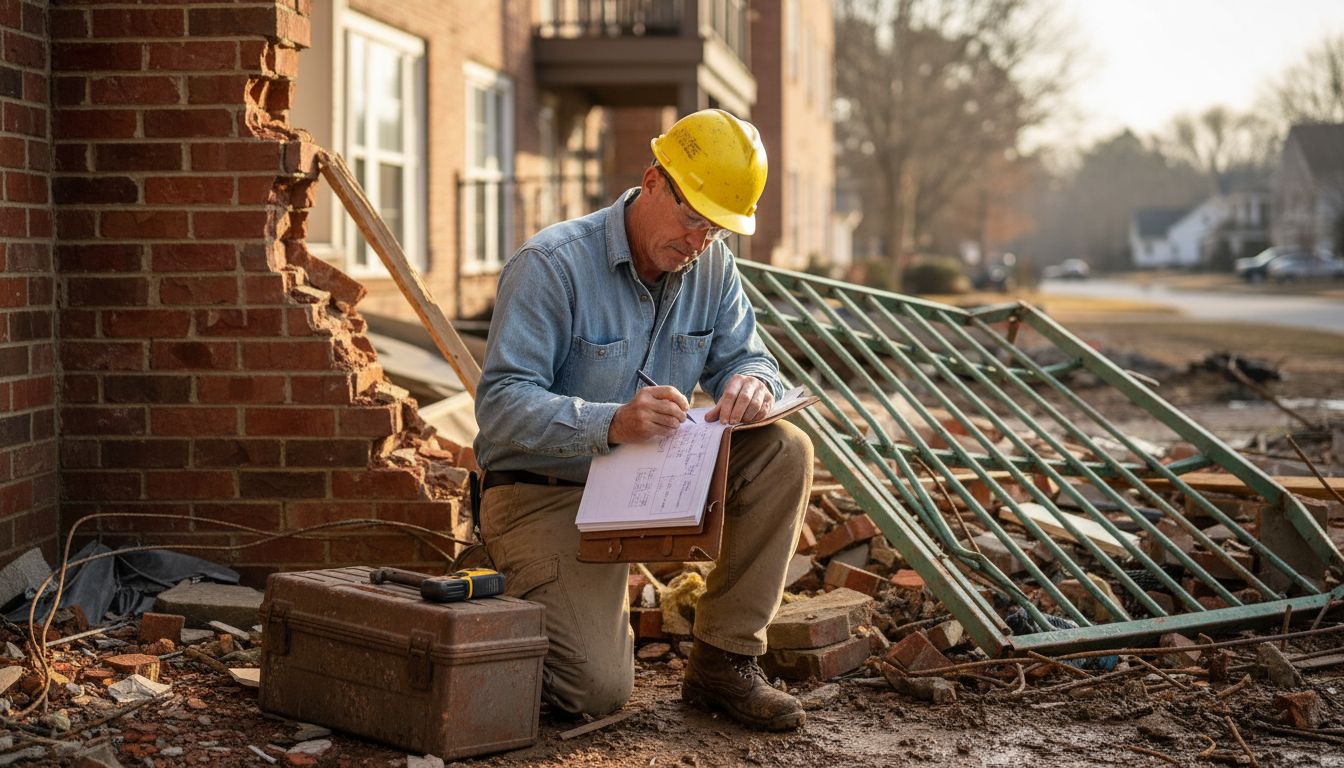
Technical mitigation services focus on structural resilience and long-term risk management. These specialized interventions involve engineering assessments, infrastructure reinforcement, and strategic planning to minimize potential damage. Professional teams conduct detailed evaluations of buildings, infrastructure, and community systems, developing targeted strategies to enhance structural integrity and reduce vulnerability to future disasters. By combining scientific analysis, advanced technologies, and proactive planning, these services play a critical role in building more resilient communities prepared to withstand and recover from potential catastrophic events.
How Mitigation Firms Work With Victims & Agencies
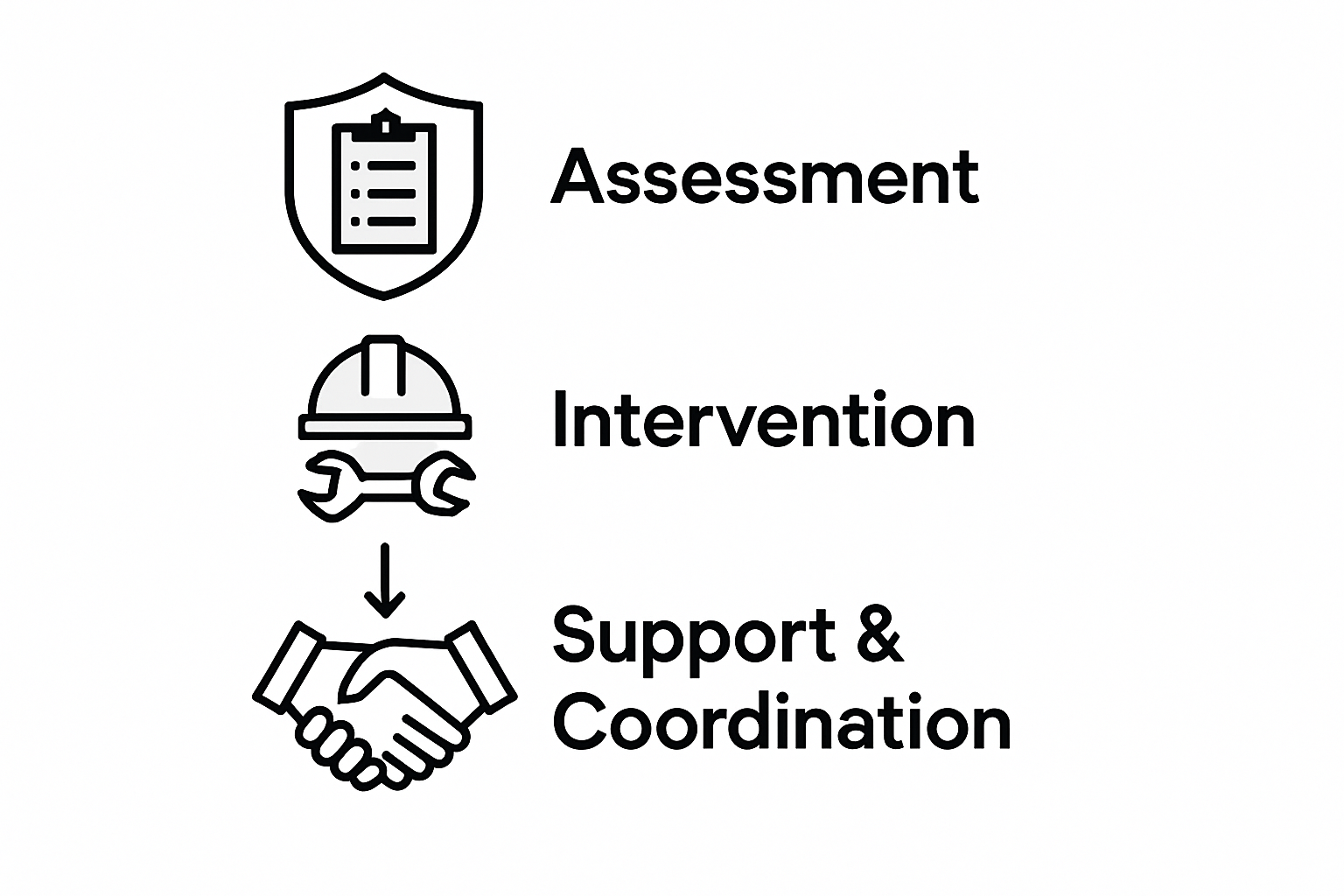
Mitigation firms serve as critical intermediaries between disaster victims, government agencies, and emergency response teams, creating a comprehensive support network that ensures swift and effective disaster recovery. These specialized organizations bridge communication gaps, coordinate complex logistics, and provide essential services that help communities navigate the challenging aftermath of catastrophic events.
The American Red Cross exemplifies the collaborative approach of disaster relief organizations, demonstrating how mitigation firms work closely with multiple stakeholders to deliver comprehensive support. Their collaborative strategies typically involve:
- Direct communication with victims
- Coordinating resources across multiple agencies
- Providing immediate and long-term support services
- Facilitating insurance and government assistance claims
- Conducting detailed damage assessments
FEMA’s Urban Search and Rescue Task Forces highlight the intricate coordination required in disaster response, showcasing how mitigation firms interact with government agencies during critical recovery phases. Their engagement involves:
- Immediate emergency response coordination
- Victim location and rescue operations
- Damage assessment and documentation
- Resource allocation and distribution
- Establishing communication channels between victims and support agencies
The relationship between mitigation firms, victims, and agencies is fundamentally built on trust, expertise, and compassionate service. These organizations act as crucial navigators, guiding individuals through complex recovery processes, providing emotional and practical support, and ensuring that every victim receives comprehensive assistance tailored to their specific needs. By maintaining strong relationships with government agencies, insurance providers, and local communities, mitigation firms create a holistic support ecosystem that transforms disaster response from a fragmented effort into a coordinated, efficient recovery strategy.
Legal And Insurance Coordination Roles
Legal and insurance coordination represents a critical backbone of disaster recovery, creating complex systems that protect victims’ financial and legal interests during challenging times. Mitigation companies play a pivotal role in navigating these intricate processes, serving as essential intermediaries between disaster victims, insurance carriers, and legal entities to ensure comprehensive and fair recovery support.
The adaptive framework for catastrophe insurance premiums demonstrates the sophisticated risk management strategies employed by insurance professionals during disaster scenarios. These strategies encompass multiple critical components:
- Comprehensive risk assessment
- Precise premium calculation
- Rapid claims processing
- Financial protection mechanisms
- Systematic documentation of damage
Organizations like the American Red Cross, operating under congressional authorization, provide critical legal and insurance coordination services that ensure systematic disaster response. Their approach involves:
- Verifying legal documentation
- Facilitating government assistance claims
- Supporting victims’ legal rights
- Coordinating multi-agency support efforts
- Maintaining transparent communication channels
The intersection of legal and insurance coordination demands exceptional expertise, requiring mitigation companies to possess deep understanding of regulatory frameworks, insurance policies, and victim support mechanisms. These professionals act as critical translators, converting complex legal and insurance language into actionable support strategies that empower disaster victims to rebuild their lives with confidence and financial stability. By bridging communication gaps and providing expert guidance, mitigation firms transform bureaucratic processes into compassionate, efficient recovery pathways.
Risks Liability And Cost Implications
Risks, liabilities, and cost implications represent complex challenges that mitigation companies must expertly navigate during disaster response and recovery operations. These multifaceted considerations encompass financial, legal, operational, and ethical dimensions that significantly impact the effectiveness and sustainability of emergency interventions.
Companies like AshBritt demonstrate the intricate risk management strategies required in disaster recovery operations, highlighting the critical components of liability management. Their comprehensive approach involves:
- Detailed risk assessment protocols
- Comprehensive insurance coverage
- Operational liability mitigation strategies
- Financial risk calculation and management
- Legal compliance and documentation
State emergency management agencies, such as the Texas Division of Emergency Management, provide critical frameworks for understanding risk and liability complexities, revealing the multilayered nature of disaster response cost implications. Their strategic approaches typically include:
- Systematic risk evaluation processes
- Cost-benefit analysis of emergency interventions
- Resource allocation optimization
- Comprehensive liability protection strategies
- Transparent financial reporting mechanisms
The economic landscape of disaster mitigation demands sophisticated financial modeling and proactive risk management. Mitigation companies must balance immediate response needs with long-term financial sustainability, developing adaptive strategies that protect both victims and organizational interests. By integrating advanced risk assessment technologies, comprehensive insurance frameworks, and precise cost management techniques, these organizations transform potential financial vulnerabilities into strategic opportunities for effective, responsible disaster recovery.
Partner with Experts Who Help Protect Homes and Lives After Disaster
The challenge that mitigation companies face is complex They not only minimize damage and reduce risks but also coordinate between victims, insurance companies, and government agencies to ensure effective recovery. You may be dealing with the stress of sudden displacement, confusion over legal and insurance claims, or uncertainty about emergency housing. Understanding terms like risk assessment, emergency logistics, and damage stabilization from the article is vital to grasp what is at stake.
At Disaster Victim Services, we share your goal of seamless recovery by connecting you to immediate emergency housing and support. Our team works closely with mitigation experts and insurance carriers to provide critical solutions when disaster strikes. Explore how our efforts in project design enhance recovery plans and why our comprehensive resources in Uncategorized offer guidance tailored to your situation.
Do not wait for uncertainty to grow. Take control now and let us help you protect your home and your family’s future. Visit Disaster Victim Services to learn more and get the support you need today.
Frequently Asked Questions
What services do mitigation companies provide during disasters?
Mitigation companies offer a range of services, including debris removal, structural damage evaluation, emergency planning, property stabilization, and coordination with insurance and government agencies.
How do mitigation firms assist disaster victims?
Mitigation firms act as intermediaries by providing immediate support, coordinating resources, facilitating insurance claims, and conducting damage assessments, ensuring victims receive comprehensive assistance tailored to their needs.
What role do technical mitigation services play in disaster recovery?
Technical mitigation services focus on enhancing structural resilience through engineering assessments, infrastructure reinforcement, and strategic planning to minimize future damage from disasters.
How can mitigation companies help with legal and insurance coordination during disaster recovery?
Mitigation companies help navigate complex legal and insurance processes by verifying documentation, facilitating government assistance claims, and ensuring that victims fully understand their rights and available support options.
Recommended
- Disaster Recovery Phases Explained for 2025: Guide for Victims, Pros & Agencies – Disaster Victim Services | Helping You Recover After Disaster
- How Insurance Covers Disasters – Essential Recovery Facts – Disaster Victim Services | Helping You Recover After Disaster
- Contractors and Mitigation Companies – Disaster Victim Services | Helping You Recover After Disaster
- Risk Assessment Steps for Disaster Response in 2025 – Disaster Victim Services | Helping You Recover After Disaster