
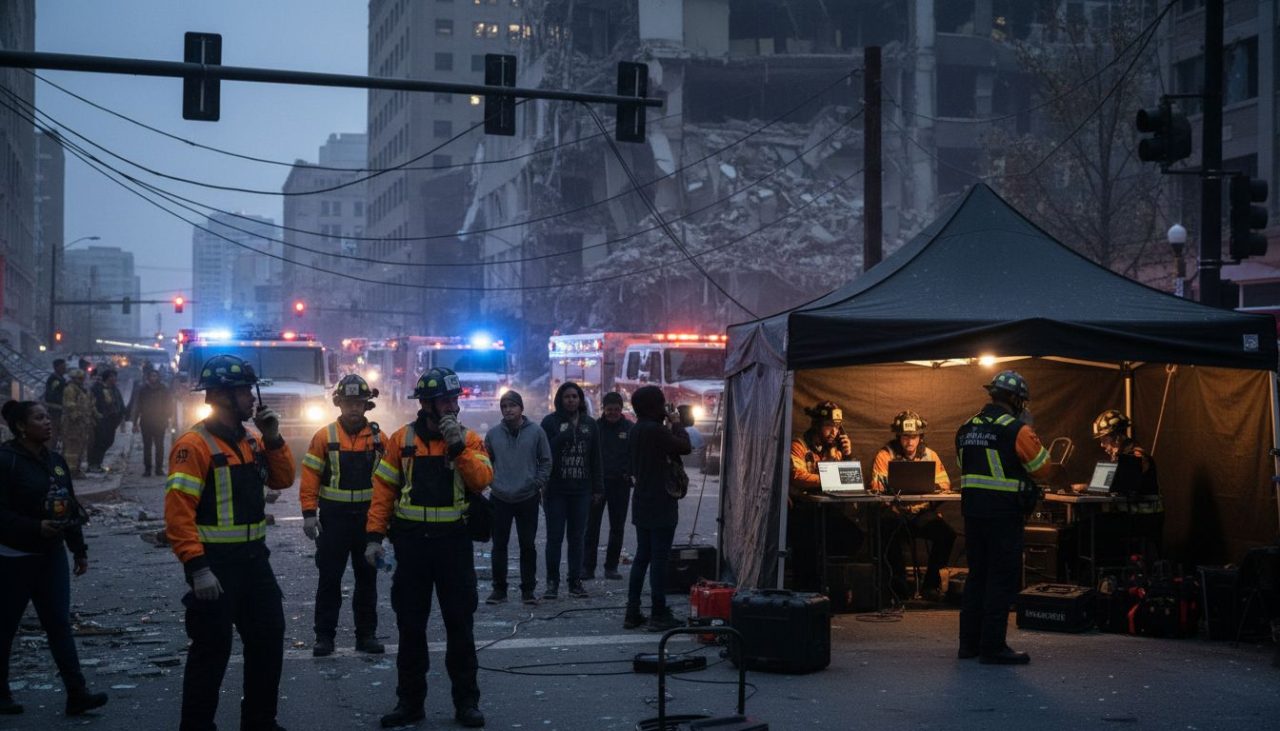
Over 90 percent of american communities have faced communication challenges during disasters, making reliable information sharing a top priority. When chaos strikes, confusion and fear can quickly spread without streamlined disaster communication. Understanding how experts coordinate, deliver, and safeguard vital messages ensures everyone from local families to first responders stays informed and protected when it matters most.
Table of Contents
- Defining Disaster Communication And Core Concepts
- Types Of Communication After Disasters
- Key Roles In Disaster Information Sharing
- Real-World Impacts On Recovery And Safety
- Coordinating Agencies And Avoiding Missteps
Key Takeaways
| Point | Details |
|---|---|
| Disaster Communication | It is essential for effective information management during emergencies, integrating diverse strategies and collaboration among organizations. |
| Communication Resiliency | Developing robust communication frameworks with PACE plans is vital for anticipating disruptions during crises. |
| Role of Communication Centers | Joint Information Centers are crucial for coordinating accurate information dissemination across multiple platforms. |
| Impact of Effective Communication | It directly influences community survival, resource allocation, and psychological resilience during recovery periods. |
Defining Disaster Communication and Core Concepts
Disaster communication represents a complex, multifaceted approach to managing critical information during emergencies. This specialized field integrates risk, crisis, and emergency communication strategies by requiring collaboration among diverse organizations and stakeholders. The primary goal is to ensure seamless, accurate information flow when communities face unprecedented challenges.
Communication Resiliency emerges as a fundamental concept in disaster response. Organizations must develop robust communication frameworks that anticipate potential disruptions through strategic planning. This involves creating PACE (Primary, Alternate, Contingency, Emergency) communication plans that provide multiple channels for information exchange during high-stress scenarios.
The core elements of effective disaster communication include systematic approaches that prioritize clear, actionable information. These strategies encompass:
- Rapid information dissemination
- Coordinated multi-agency collaboration
- Real-time situational awareness
- Adaptive communication protocols
- Psychological considerations for trauma-informed messaging
Understanding these principles allows emergency responders, government agencies, and relief organizations to develop communication strategies that minimize confusion and maximize community resilience during critical events.
Types of Communication After Disasters
Post-disaster communication demands a sophisticated, multi-channel approach that ensures critical information reaches affected populations swiftly and accurately. Public information delivery relies on diverse communication platforms, ranging from traditional media outlets to digital communication channels. Emergency responders and relief organizations must strategically leverage these communication methods to provide timely updates, safety instructions, and resource coordination.
The primary communication channels in disaster response include:
-
Traditional Media Platforms
- Television broadcast updates
- Radio emergency announcements
- Print media press releases
-
Digital Communication Channels
- Social media updates
- Emergency text alert systems
- Official government websites
- Mobile communication applications
Crisis Communication Centers play a pivotal role in coordinating messaging across multiple media platforms. These centralized hubs, often referred to as Joint Information Centers, ensure consistent and accurate information dissemination during high-stress emergency scenarios.
Effective communication strategies require rapid information sharing, clear messaging, and adaptive approaches that can quickly reach diverse populations. Emergency response teams must develop robust communication protocols that account for potential infrastructure disruptions and varied community communication needs, ensuring no population segment is left without critical safety information.
Key Roles in Disaster Information Sharing
Effective disaster communication relies on specialized professionals who manage complex information networks during critical events. Public Information Officers play a crucial role within centralized communication hubs, coordinating rapid and accurate information dissemination across multiple channels and organizational boundaries.
Key roles in disaster information sharing include:
-
Communication Coordinators
- Synchronize messaging across agencies
- Ensure consistent information flow
- Manage cross-organizational communication
-
Digital Communication Specialists
- Monitor social media platforms
- Rapidly distribute emergency updates
- Manage online information channels
-
Public Affairs Professionals
- Craft clear, concise messaging
- Interface with media outlets
- Translate technical information for public understanding
Specialized communication professionals work collaboratively to ensure timely and accurate information reaches affected populations. Their ability to quickly adapt communication strategies becomes critical in dynamic emergency scenarios where infrastructure disruptions and rapidly changing conditions demand flexible, responsive information sharing.
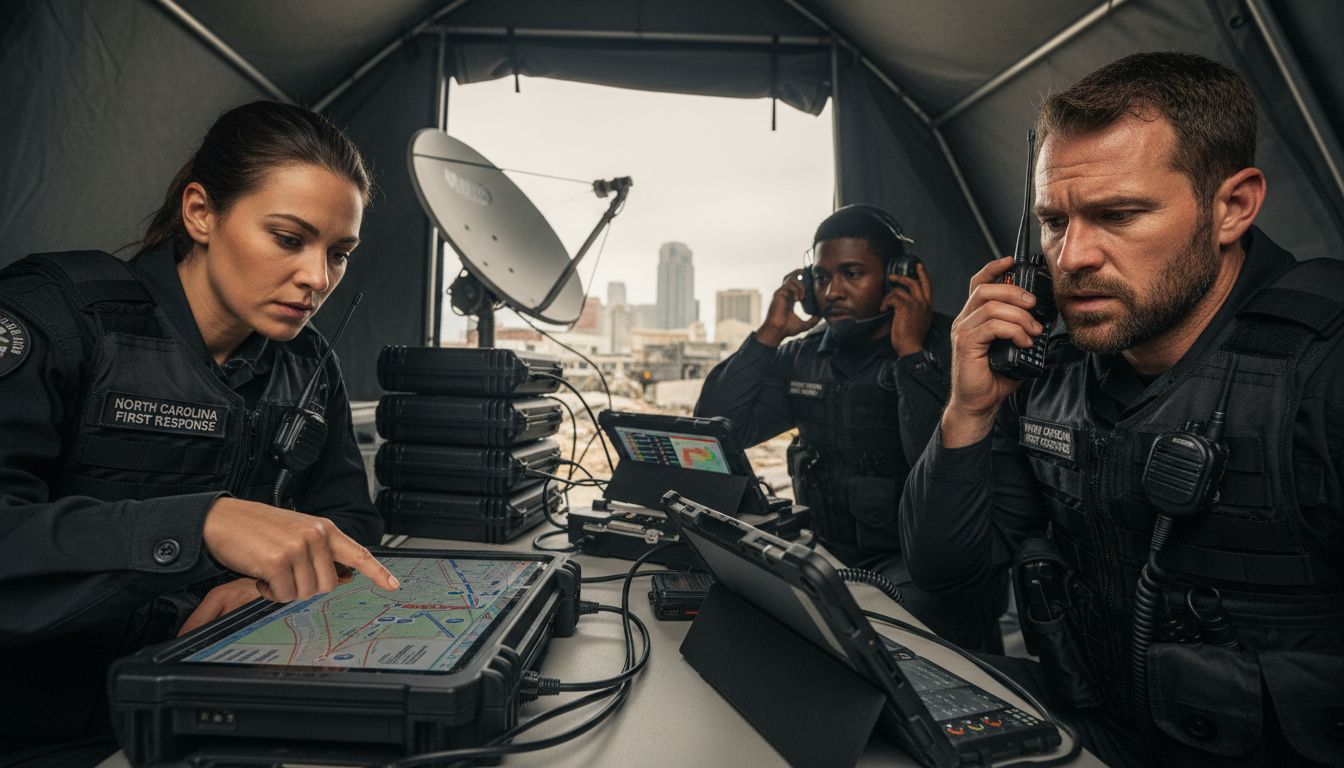
First responders require robust communication frameworks that enable rapid information exchange, ensuring community safety and supporting efficient emergency response efforts. These professionals serve as vital conduits of critical information, bridging gaps between emergency teams, government agencies, and affected populations.
Real-World Impacts on Recovery and Safety
Disaster communication transcends information sharing, directly influencing community survival, psychological resilience, and long-term recovery trajectories. When conventional communication infrastructures fail, alternative communication methods become critical lifelines for affected populations, bridging critical information gaps during emergency scenarios.
Key Impact Areas of Effective Communication:
- Immediate safety instructions
- Resource allocation coordination
- Psychological support and trauma mitigation
- Community reconnection and support networks
- Economic recovery planning
Amateur radio technologies can maintain critical communication flows during large-scale infrastructure disruptions, providing essential communication channels when traditional systems become unavailable. These innovative communication approaches ensure that vulnerable populations remain connected, informed, and supported during complex emergency scenarios.
The real-world consequences of communication effectiveness extend far beyond immediate information exchange. Technological innovations in disaster response enable faster, more comprehensive recovery strategies by creating robust, adaptable communication networks that can rapidly disseminate critical safety information, coordinate emergency resources, and support community resilience during challenging recovery periods.
Coordinating Agencies and Avoiding Missteps
Disaster response demands seamless coordination among multiple agencies, where communication breakdowns can have catastrophic consequences. Joint Information Centers serve as critical hubs for unifying public messaging and preventing critical communication missteps, ensuring consistent, accurate information reaches affected populations during high-stress emergency scenarios.
Key Coordination Challenges:
- Preventing information silos
- Maintaining message consistency
- Rapid information verification
- Cross-agency communication protocols
- Real-time information updates
Effective coordination requires strategic communication approaches across multiple media platforms, minimizing potential misinformation risks and maintaining public trust. This involves developing robust communication frameworks that enable swift, accurate information sharing while preventing contradictory or conflicting messages.
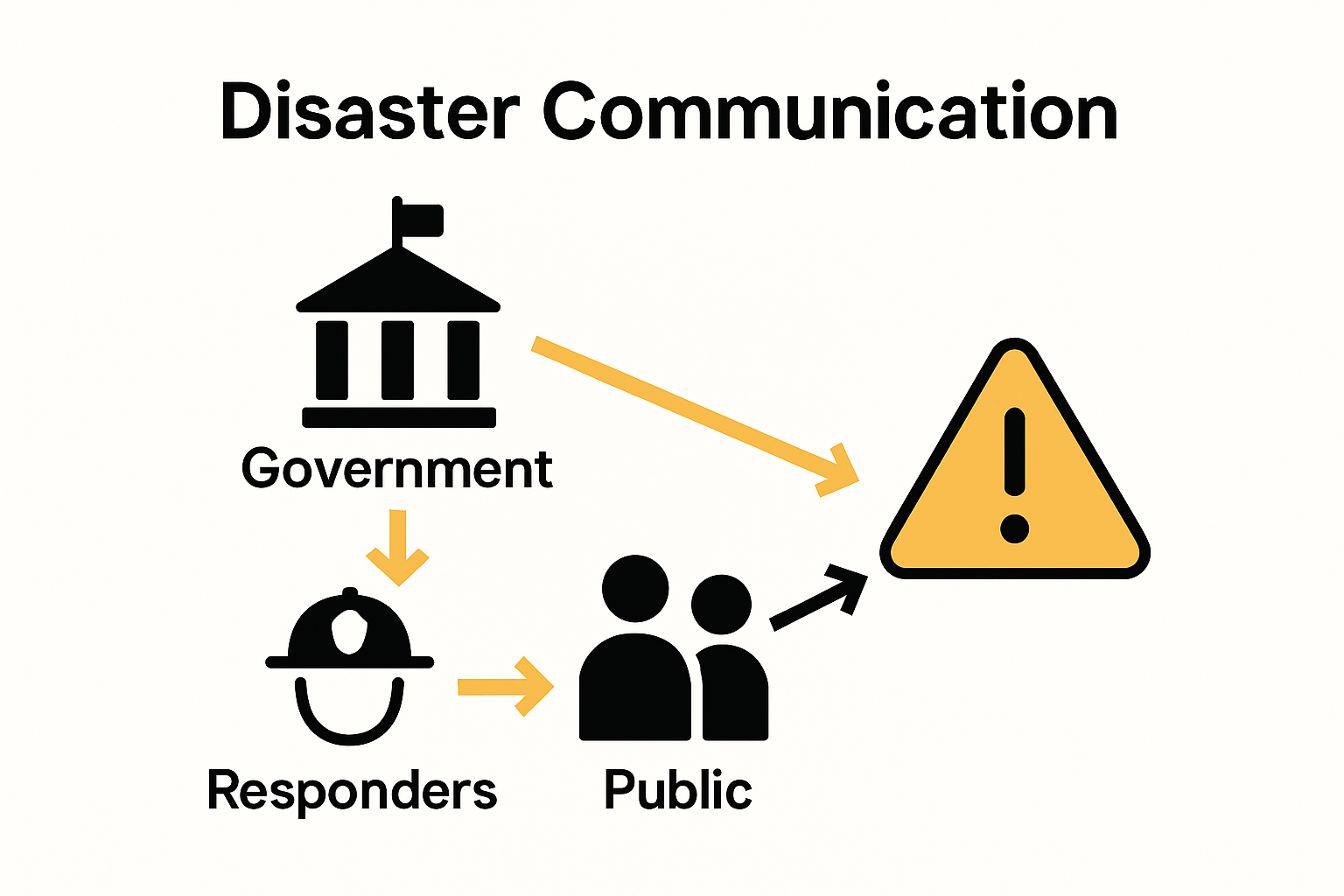
Implementing comprehensive incident command coordination strategies becomes crucial in managing complex emergency responses. Successful agencies recognize that communication is not just about transmitting information, but creating a unified, coherent narrative that supports community safety, psychological resilience, and effective recovery efforts.
Strengthen Your Disaster Communication and Recovery Efforts Today
When disaster strikes, clear and reliable communication becomes a lifeline for affected communities. This article highlights the challenges of maintaining effective information flow amid infrastructure disruptions and the importance of coordinated multi-agency response. At DisasterVictimServices.com, we understand these complexities and are committed to bridging gaps between disaster victims, first responders, insurance carriers, and support professionals. Our expertise in managing emergency housing and recovery logistics helps transform critical communication into real, compassionate action.
If you are navigating the uncertainties of disaster recovery, don’t face it alone. Explore our Uncategorized resources to gain insights and support designed for emergencies. Ready to secure immediate assistance and streamline your recovery process? Visit us now at DisasterVictimServices.com and discover how our collaborative approach can ensure you receive the timely help you need. Start rebuilding with confidence and strength today.
Frequently Asked Questions
What is disaster communication?
Disaster communication refers to a multifaceted approach to managing critical information during emergencies, integrating risk, crisis, and emergency communication strategies to ensure a seamless and accurate flow of information when communities face disasters.
Why is communication resiliency important in disaster response?
Communication resiliency is crucial as it involves developing robust communication frameworks that can withstand potential disruptions. This includes strategic planning with PACE (Primary, Alternate, Contingency, Emergency) communication plans that ensure multiple channels for information exchange during emergencies.
What are the main types of communication used after disasters?
Post-disaster communication typically utilizes both traditional media platforms such as television, radio, and print media, as well as digital channels like social media, emergency text alert systems, and official websites to deliver critical safety information swiftly to affected populations.
What roles do communication professionals play in disaster information sharing?
Communication professionals, such as Public Information Officers and Digital Communication Specialists, coordinate rapid and accurate information dissemination, ensure consistent messaging across agencies, monitor social media platforms for updates, and translate technical information for public understanding.
Recommended
- How to Improve Response After Disasters: Essential Strategies for 2025 – Disaster Victim Services | Helping You Recover After Disaster
- Essential Emergency Preparedness Tips for 2025: A Guide for All – Disaster Victim Services | Helping You Recover After Disaster
- Emergency Response Basics for 2025: A Practical Guide – Disaster Victim Services | Helping You Recover After Disaster
- Disaster Safety Checklist 2025: Essential Steps for Every Family and Organization – Disaster Victim Services | Helping You Recover After Disaster