

Each year, disasters disrupt the lives of millions and leave behind lasting impacts that numbers alone cannot capture. Whether from storms, fires, or floods, understanding the true scope of these events goes far beyond headlines. Disaster statistics offer a critical way to track not just immediate losses, but also patterns in risk, recovery, and resilience. With the right data, professionals and communities can better prepare, respond, and recover when every second and resource counts.
Table of Contents
- Defining Disaster Statistics And Their Importance
- Types Of Disaster Data Collected
- How Statistics Inform Emergency Response
- Legal And Regulatory Uses Of Disaster Data
- Common Limitations And Misinterpretations
Key Takeaways
| Point | Details |
|---|---|
| Importance of Disaster Statistics | They provide critical insights necessary for effective emergency response, resource allocation, and community recovery planning. |
| Types of Data Collected | Essential data includes morbidity, mortality, demographic information, and economic loss, which inform targeted response strategies. |
| Role in Emergency Response | Accurate statistics facilitate situational awareness, allowing responders to assess needs and deploy resources efficiently. |
| Limitations and Misinterpretations | Data reliability is contingent on consistent collection methodologies; understanding limitations is key to effective analysis and action. |
Defining Disaster Statistics And Their Importance
Disaster statistics represent systematic documentation and analysis of data surrounding emergency events that impact communities, infrastructure, and human lives. According to the CDC, disaster epidemiology focuses on assessing both short and long-term health consequences of catastrophic events to guide strategic emergency response and recovery efforts.
These comprehensive statistical collections serve multiple critical purposes across different professional domains. Disaster statistics provide essential insights for government agencies, emergency responders, insurance professionals, and relief organizations by offering a detailed understanding of event impacts, vulnerability patterns, and resource allocation needs. As NCBI research highlights, accurate real-time and historical mortality and morbidity data are fundamental for ensuring a common operational understanding during disaster response phases.
Key components of disaster statistics typically encompass:
- Geographical location and event type
- Number of individuals affected
- Immediate and projected economic damages
- Human casualties and injury rates
- Infrastructure destruction metrics
- Long-term community recovery indicators
By meticulously tracking these data points, professionals can develop more targeted, efficient strategies for prevention, mitigation, and recovery.
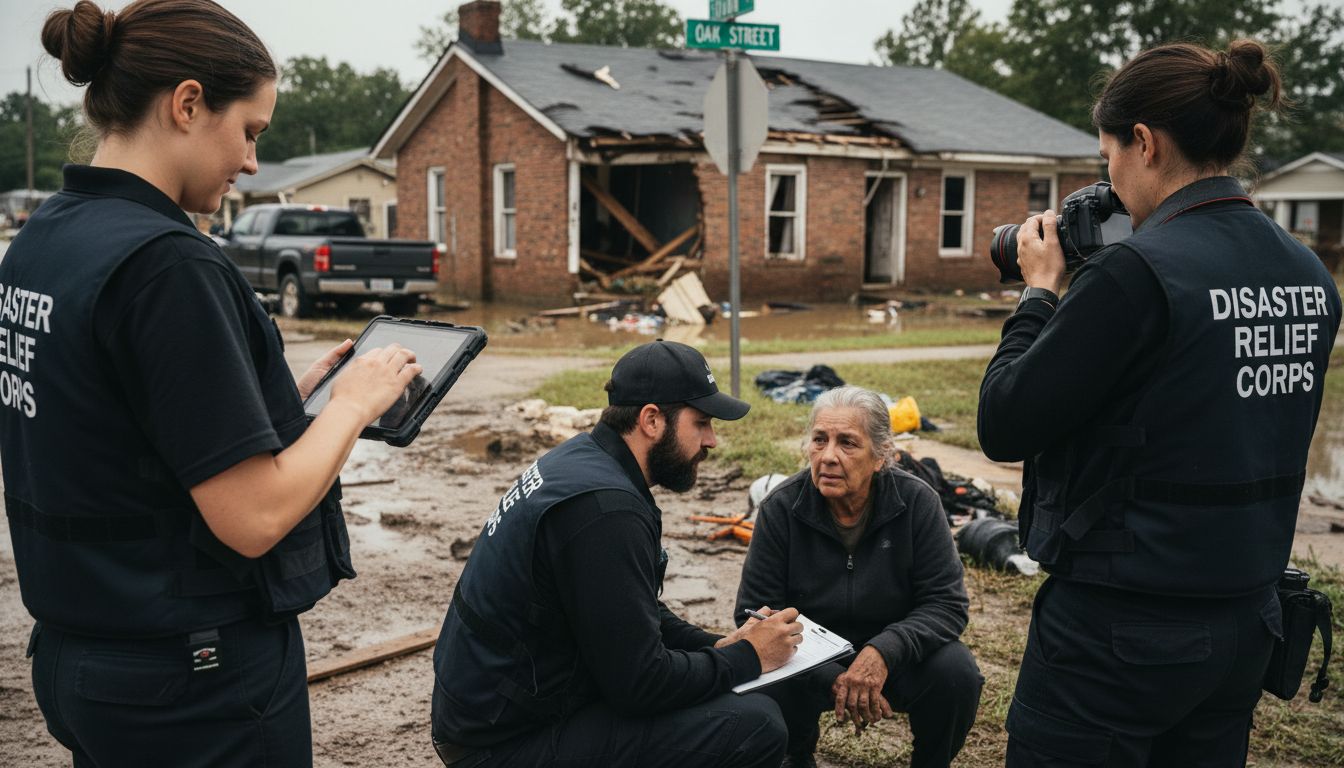 Natural Disaster Statistics 2025: Key Trends for Families & Responders offers deeper insights into how these statistical frameworks continue evolving to support more responsive emergency management approaches.
The ultimate goal of disaster statistics transcends mere numerical recording. These datasets represent powerful tools for understanding complex human vulnerability, predicting potential future risks, and developing more resilient community response mechanisms. By transforming raw data into actionable intelligence, disaster statistics become essential instruments in saving lives and minimizing long-term societal disruptions.
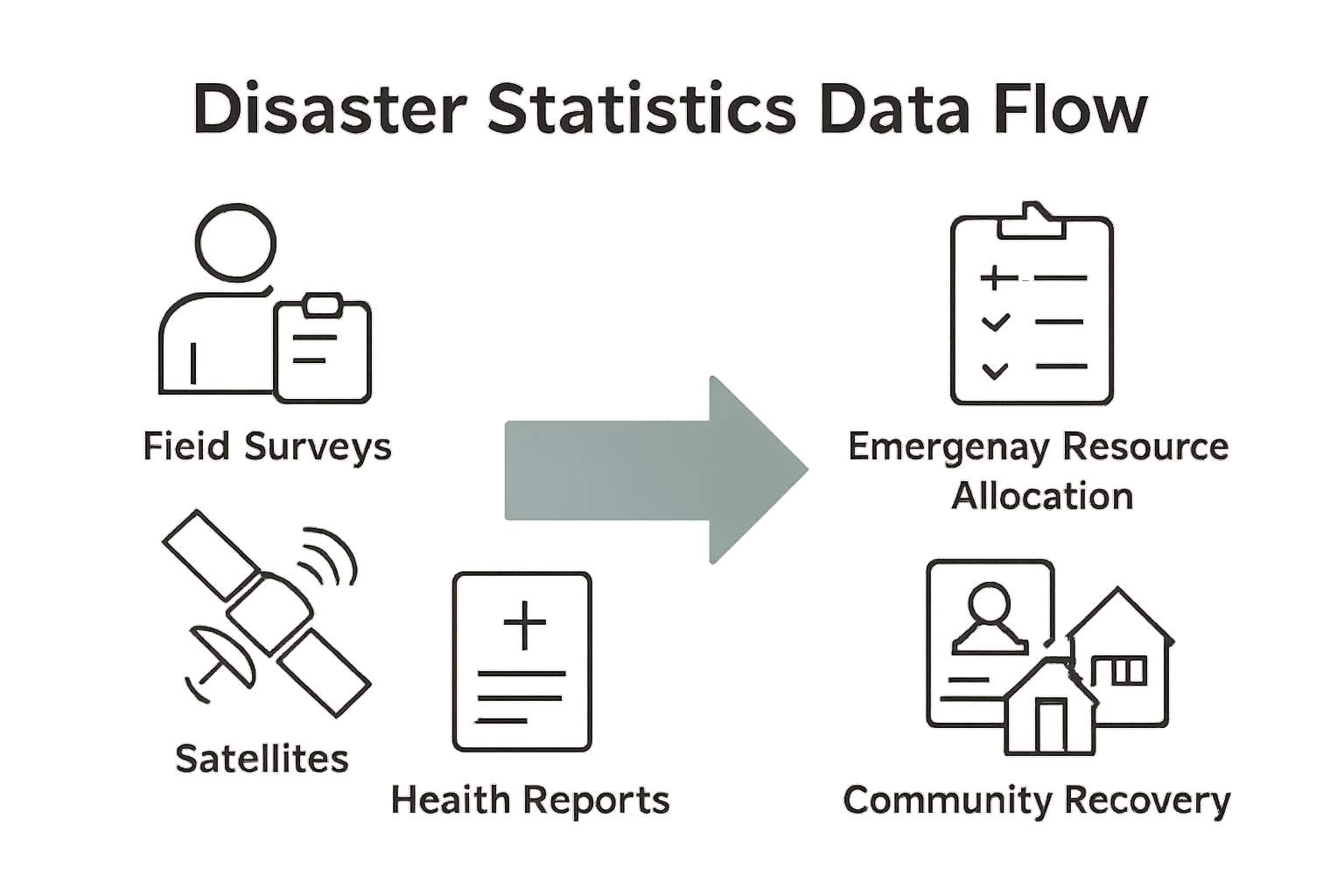
Types Of Disaster Data Collected
Disaster data collection is a complex and multifaceted process that encompasses various critical information types designed to provide comprehensive insights into emergency events. According to the CDC, disaster surveillance primarily focuses on two foundational data types: morbidity and mortality. Morbidity captures the incidence and prevalence of illnesses or injuries within affected populations, while mortality tracks the number of fatalities resulting from the disaster.
Beyond these fundamental health metrics, disaster data collection extends to a broader range of critical information categories. Census research emphasizes the importance of disaggregated and timely statistics, particularly as populations increasingly inhabit hazard-prone regions. These comprehensive data collections typically include:
- Demographic information of affected populations
- Geographic location and extent of disaster impact
- Infrastructure damage assessments
- Economic loss calculations
- Emergency response effectiveness metrics
- Long-term community recovery indicators
Professionals across various domains rely on these nuanced datasets to develop targeted response strategies. The Current Disaster Trends 2025 Guide provides additional context on how these data types are evolving to support more sophisticated disaster management approaches.
The ultimate value of comprehensive disaster data lies in its ability to transform raw information into actionable insights. By meticulously documenting and analyzing these diverse data points, emergency management professionals can create more effective prevention strategies, allocate resources more efficiently, and develop more resilient community response mechanisms. This data-driven approach ensures that each disaster becomes an opportunity to learn, adapt, and better protect vulnerable populations in future emergency scenarios.
How Statistics Inform Emergency Response
Emergency response strategies rely critically on real-time, accurate statistical data to guide immediate and long-term decision-making during disaster scenarios. According to NCBI research, reliable mortality and morbidity data serve as fundamental tools for assessing and responding to evolving needs during the immediate response period, enabling strategic resource allocation that can limit future potential casualties.
The statistical insights gathered during disaster events provide multi-layered intelligence that supports comprehensive emergency management. CDC experts highlight that collecting health and needs information creates critical situational awareness, which allows emergency responders to:
- Precisely determine immediate population needs
- Plan targeted response strategies
- Gather appropriate resources efficiently
- Identify vulnerable population segments
- Develop real-time intervention protocols
- Predict potential secondary health risks
Professionals across emergency management domains leverage these statistical frameworks to transform raw data into actionable strategies. The Understanding Emergency Response Workflow provides deeper insights into how these statistical approaches revolutionize disaster response mechanisms.
Ultimately, disaster statistics function as more than numerical records—they represent sophisticated navigation tools that guide emergency responders through complex, high-stakes environments. By translating raw data into strategic insights, these statistics empower professionals to make informed decisions, allocate resources with precision, and develop adaptive response strategies that can potentially save numerous lives during critical moments of community crisis.
Legal And Regulatory Uses Of Disaster Data
Disaster data plays a critical role in shaping legal and regulatory frameworks that govern emergency response and recovery processes. According to NCBI research, mortality and morbidity data are fundamental in determining eligibility for crucial assistance programs, such as FEMA’s funeral assistance, which requires precise documentation of deaths directly or indirectly caused by a disaster.
The legal applications of disaster statistics extend far beyond immediate assistance programs. Census research highlights how official statistics enable comprehensive measurement and understanding of populations at risk, supporting the development of critical legal and regulatory frameworks for disaster risk reduction. These data-driven approaches help government agencies and policymakers:
- Formulate risk-informed development plans
- Monitor potential disaster vulnerabilities
- Create evidence-based policy interventions
- Establish legal standards for emergency preparedness
- Define compensation and support mechanisms
- Assess long-term community resilience strategies
Professionals navigating the complex landscape of disaster response can gain deeper insights from the Disaster Recovery Statistics 2025 guide, which explores the evolving legal and regulatory approaches to disaster management.
Ultimately, disaster data serves as a critical legal instrument that transforms raw information into actionable policy frameworks. By providing objective, verifiable evidence, these statistics enable lawmakers, insurance providers, and government agencies to create more precise, fair, and effective regulations that protect vulnerable populations and streamline recovery processes during times of crisis.
Common Limitations And Misinterpretations
Disaster statistics, while invaluable, are not immune to significant challenges that can compromise their effectiveness and reliability. According to NCBI research, the usability of mortality and morbidity data critically depends on consistent collection, reporting, and interpretation methodologies. Inconsistent data collection approaches can lead to profound misinterpretations that ultimately hinder emergency response efforts and resource allocation during critical disaster scenarios.
CDC experts highlight several common misconceptions that can significantly distort disaster statistical understanding. Some prevalent misinterpretations include:
- Assuming all data points are equally representative
- Overgeneralizing statistical trends
- Misunderstanding correlation versus causation
- Failing to account for demographic variations
- Neglecting contextual nuances in data collection
- Interpreting raw numbers without comprehensive analysis
Professionals seeking to navigate these complex analytical challenges can find additional insights in the Storm Impact Statistics 2025 guide, which explores sophisticated approaches to mitigating statistical interpretation risks.
Ultimately, understanding the limitations of disaster statistics requires a nuanced, critical approach. Effective data interpretation demands more than mechanical number-crunching—it necessitates contextual understanding, methodological rigor, and a sophisticated recognition that statistics represent complex human experiences, not just abstract numerical representations. By maintaining intellectual humility and embracing methodological transparency, professionals can transform potential statistical limitations into opportunities for more precise, empathetic disaster response strategies.
Turning Disaster Data Into Real Support When It Matters Most
The guide on Why Collect Disaster Statistics highlights the crucial role that accurate data plays in emergency response and recovery. You understand how vital it is to have reliable information about mortality, morbidity, and community impacts to guide decisions, prevent further harm, and deliver timely assistance. However, bridging the gap between data analysis and real-world help presents a big challenge for victims displaced by disasters.
At DisasterVictimServices.com, we transform these complex statistics into compassionate, action-driven support. By collaborating with insurance carriers, government agencies, and first responders, we connect you directly to emergency housing solutions and recovery resources without the confusing delays often caused by complex data interpretation. Explore how our coordinated, multi-agency response aligns with the latest disaster data insights by visiting our Uncategorized category or learn more about our strategic approach in Project design.
If you or your loved ones are facing displacement after a disaster, act now to leverage both the power of data and expert guidance. Start your recovery journey with us today at DisasterVictimServices.com and move toward lasting safety and stability.
Frequently Asked Questions
What are disaster statistics and why are they important?
Disaster statistics are systematic collections and analyses of data regarding emergency events, which are crucial for understanding their impacts on communities and for guiding effective emergency response and recovery efforts.
What types of data are collected in disaster statistics?
Disaster statistics typically include morbidity and mortality data, demographic information of affected populations, geographical impact, infrastructure damage assessments, economic loss calculations, and recovery indicators.
How do disaster statistics inform emergency response strategies?
Disaster statistics provide real-time insights that help emergency responders identify needs, allocate resources effectively, plan interventions, and predict potential secondary health risks during disaster scenarios.
What are the limitations of disaster statistics?
Common limitations include inconsistent data collection methods, potential misinterpretations of data, overgeneralization of findings, and failure to consider demographic variations, which can affect the effectiveness of emergency responses.
Recommended
- Disaster Preparedness Checklist 2025: Essential Guide for All Responders – Disaster Victim Services | Helping You Recover After Disaster
- Disaster Recovery Statistics 2025: Key Trends for Agencies and Families – Disaster Victim Services | Helping You Recover After Disaster
- How to Access Support: Guide for Disaster Recovery 2025 – Disaster Victim Services | Helping You Recover After Disaster
- Essential Risk Assessment Checklist for Disaster Recovery – Disaster Victim Services | Helping You Recover After Disaster