
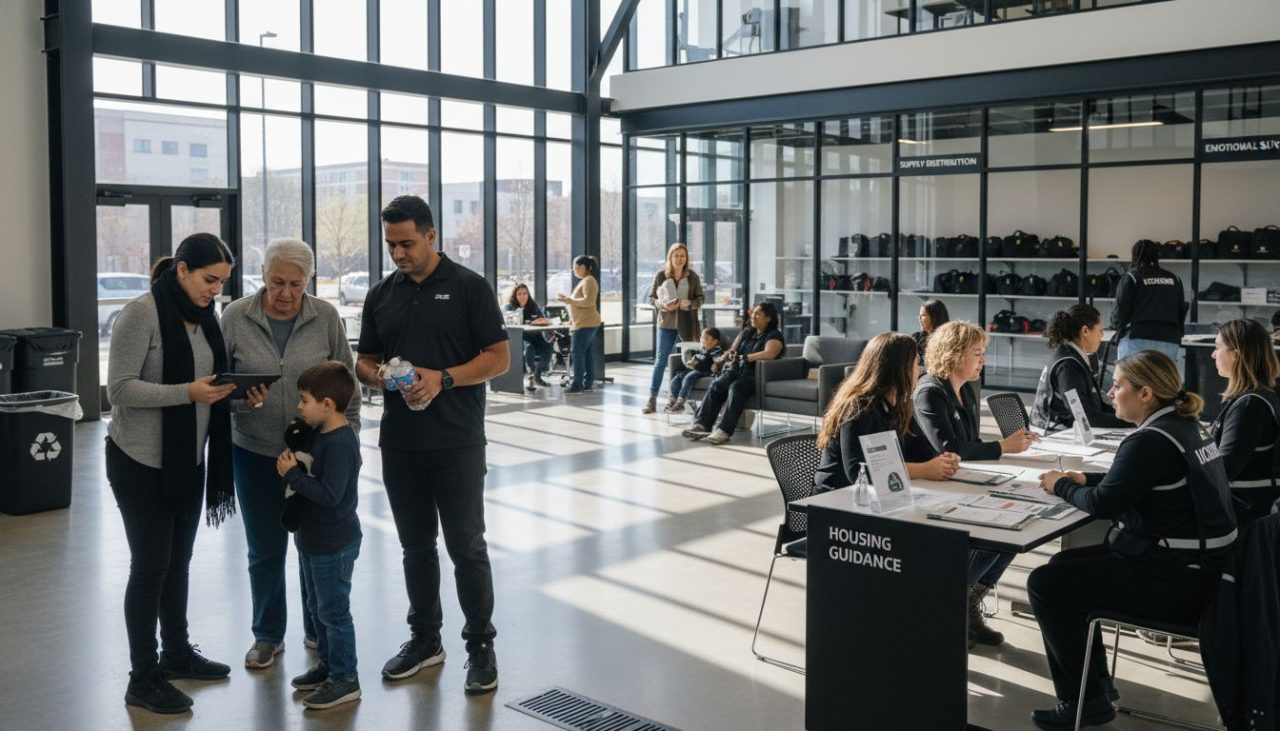
When disaster hits, families often find themselves searching for answers in the chaos. In 2024, HUD directed nearly $2.5 million in rapid housing relief to those facing sudden displacement. The reality is that without immediate support, safe shelter and basic needs can quickly slip out of reach. This guide breaks down the crucial programs, digital tools, and trusted services that can help you navigate recovery and stabilize your life after a crisis.
Table of Contents
- 1. National Emergency Housing Programs For Immediate Relief
- 2. Insurance Company Tools And Claim Support Platforms
- 3. Government Disaster Assistance Hotlines And Portals
- 4. Community Shelters And Relief Organization Directories
- 5. Contractor And Restoration Service Networks
- 6. Legal Aid And Advocacy For Disaster Victims
- 7. Mental Health And Emotional Support Services
Quick Summary
| Takeaway | Explanation |
|---|---|
| 1. Seek emergency housing immediately after a disaster. | Contact local emergency management or visit HUD’s website for quick access to housing relief programs. |
| 2. Utilize digital tools for managing insurance claims. | Use modern insurance platforms for real-time tracking and streamlined documentation to simplify the claims process. |
| 3. Access government disaster assistance hotlines. | FEMA and other agencies provide 24/7 hotlines and online portals for crucial help; have personal information ready to assist. |
| 4. Explore community shelters and support directories. | Find immediate shelter and services through community directories that offer various forms of relief and support. |
| 5. Prioritize mental health support throughout recovery. | Access trauma-informed counseling and crisis intervention services to address emotional impacts of a disaster. |
1. National Emergency Housing Programs for Immediate Relief
When disaster strikes, finding safe shelter becomes your most urgent priority. National emergency housing programs provide a critical lifeline for families suddenly displaced by hurricanes, floods, wildfires, or other catastrophic events.
The U.S. Department of Housing and Urban Development offers several crucial support mechanisms to help disaster victims secure immediate housing relief. In fiscal year 2024, HUD awarded nearly $2.5 million through the Rapid Unsheltered Survivor Housing (RUSH) funding specifically designed to assist Americans impacted by severe storms and hurricanes.
Key Support Options Include:
- Emergency shelter placements
- Short term housing assistance
- Temporary relocation support
- Financial aid for housing transitions
These programs recognize that stable housing is fundamental to recovery. By providing immediate assistance, HUD helps families stabilize their living situation during the most challenging moments after a disaster. The Capital Fund Emergency Natural Disaster Funding provides additional grants to Public Housing Agencies, ensuring communities have resources to address urgent housing needs.
To access these programs, start by contacting local emergency management offices or visiting HUD’s disaster assistance website. Documentation of displacement and local impact will typically be required, so gather any available evidence of your housing disruption quickly.
Remember that time is critical when seeking emergency housing support. Acting swiftly can make the difference between prolonged displacement and getting back on your feet.
2. Insurance Company Tools and Claim Support Platforms
After a disaster, navigating insurance claims can feel like solving a complex puzzle. Modern insurance companies now offer sophisticated digital platforms designed to simplify your recovery process and provide transparent support during challenging times.
Digital Claims Management Features:
- Real time claim tracking
- Mobile document submission
- Automated damage assessment
- Instant communication channels
Advanced technology is transforming how disaster victims interact with insurance providers. Claim documentation tools now leverage artificial intelligence to streamline the entire claims process. For instance, innovative startups like Counterforce Health are developing AI software specifically designed to assist policyholders in managing complex insurance claim procedures.
When using these platforms, focus on providing clear detailed documentation. Upload high quality photographs of damage, maintain organized records of all related expenses, and utilize the platforms communication features to stay updated on your claim status.
Most insurance company support platforms now offer 24/7 digital access, allowing you to track progress track your claim anytime from your smartphone or computer. This accessibility reduces stress and provides greater transparency during your recovery journey.
3. Government Disaster Assistance Hotlines and Portals
When disaster strikes, navigating government assistance can feel overwhelming. Fortunately, dedicated government hotlines and online portals provide crucial support for individuals and communities seeking immediate help.
FEMA has invested significantly in these support systems. According to recent reports, they announced nearly $1 billion in federal funding specifically designed to enhance disaster preparedness resources, including robust assistance platforms.
Key Government Assistance Resources:
- 24/7 emergency helplines
- Online claim submission portals
- Centralized information websites
- Mobile responsive assistance platforms
These digital resources aim to simplify your recovery journey. The Department of Homeland Security reported that nearly $3.5 billion was awarded to improve state and local emergency preparedness capabilities. This means more streamlined support systems and easier access to critical assistance.
To maximize these resources, have your personal identification, insurance information, and detailed documentation of disaster damage ready when accessing these platforms. Most government portals allow you to track your assistance request in real time, providing transparency and peace of mind during challenging recovery periods.
Remember that these hotlines and portals are designed to be user friendly. If you encounter difficulties, most offer multilingual support and step by step guidance to help you navigate the assistance process effectively.
4. Community Shelters and Relief Organization Directories
When disaster strikes, knowing where to find immediate shelter and support can be a lifeline for displaced families. Community shelters and comprehensive relief organization directories provide critical resources during your most challenging moments.
HUD has been actively supporting disaster affected communities by providing federal assistance and resources. In recent announcements, they highlighted support for residents in states like Texas and Kentucky impacted by severe storms and flooding, demonstrating the critical role of community support systems.
Essential Resources to Explore:
- Local community shelter locations
- Nonprofit relief organization contact details
- Emergency housing referral services
- Free support and counseling programs
To effectively use these directories, gather your identification documents and be prepared to provide basic information about your situation. Many relief organizations offer multilingual support and can help you navigate immediate housing needs, food assistance, and emotional support services.
The guide to navigating community resource directories can help you understand how to quickly access these critical support networks. Remember that these resources are designed to provide comprehensive assistance during your recovery journey.
Most community shelters and relief organizations operate with compassion and efficiency. They understand that each person’s situation is unique and will work to provide personalized support tailored to your specific needs.
5. Contractor and Restoration Service Networks
Rebuilding after a disaster requires more than hope. Specialized contractor and restoration service networks provide the professional expertise needed to transform damaged properties back into safe living spaces.
HUD has been actively supporting disaster recovery efforts across multiple states, providing resources to connect homeowners with qualified restoration professionals. Recent announcements for states like Oklahoma and Kentucky highlight the critical role these service networks play in community recovery.
Key Network Support Features:
- Verified professional contractors
- Damage assessment services
- Insurance claim coordination
- Comprehensive restoration planning
When selecting contractors, prioritize those with specific disaster recovery experience. Contractor networks can help streamline your rebuilding process by connecting you with professionals who understand the unique challenges of post disaster restoration.
Most reputable networks offer free initial assessments and can help you navigate insurance claims. They understand that your goal is not just repairing damage but recreating a sense of home and security. Professionals in these networks are trained to work efficiently while maintaining sensitivity to the emotional challenges you are experiencing.
Remember to request credentials, verify insurance, and get multiple estimates before committing to a restoration service. Your recovery journey is unique, and the right contractor will treat your project with the care and urgency it deserves.
6. Legal Aid and Advocacy for Disaster Victims
When disaster disrupts your life, navigating complex legal challenges can feel overwhelming. Legal aid and advocacy services provide critical support to help disaster victims understand their rights and pursue necessary resources.
HUD recognizes the importance of legal support during recovery, with recent funding initiatives specifically targeting assistance for individuals experiencing housing challenges after disasters. Their Rapid Unsheltered Survivor Housing (RUSH) program includes provisions for connecting victims with crucial legal resources.
Key Legal Support Services:
- Free initial legal consultations
- Insurance claim dispute assistance
- Housing rights protection
- Advocacy for disaster recovery benefits
The adjusters and attorneys network can help you understand the complex landscape of post disaster legal support. Most legal aid organizations offer sliding scale fees or pro bono services specifically designed for disaster victims who might be experiencing financial strain.
When seeking legal assistance, gather all relevant documentation including insurance policies, damage photographs, and communication records with insurance companies or government agencies. Many legal professionals specializing in disaster recovery offer free initial consultations to help you understand your options.
Remember that legal advocates are your partners in recovery. They understand the emotional and financial challenges you are facing and can provide compassionate guidance through complex legal processes.
7. Mental Health and Emotional Support Services
Recovering from a disaster is more than rebuilding physical spaces. The emotional journey can be just as challenging, making mental health support an essential component of true recovery.
FEMA recognizes the profound impact disasters have on mental wellbeing, extending support services that go beyond immediate physical needs. Recent assistance for Maui wildfire survivors demonstrates a growing understanding of the comprehensive support disaster victims require.
Critical Mental Health Support Resources:
- Trauma informed counseling
- Group support networks
- Crisis intervention services
- Virtual and in person therapy options
The crisis intervention fundamentals guide can help you understand the range of emotional support available. Many services now offer free or sliding scale counseling specifically designed for disaster survivors, recognizing that healing is a complex and personal process.
Mental health professionals working with disaster victims understand that recovery is not linear. They provide compassionate support that helps you process trauma, build resilience, and gradually rebuild your sense of safety and hope.
Do not hesitate to seek support. Reaching out is a sign of strength, not weakness. These services are designed to help you navigate the emotional challenges of recovery with dignity and care.
Below is a comprehensive table summarizing the key strategies and resources for disaster recovery as discussed in the article.
| Category | Key Features & Actions | Benefits/Outcomes |
|---|---|---|
| National Emergency Housing Programs | Emergency shelter placements, short-term housing assistance, temporary relocation support, financial aid | Immediate housing stability and relief for disaster victims |
| Insurance Tools and Claim Platforms | Real-time claim tracking, mobile document submission, AI-driven processes | Simplified claims process, transparency, reduced stress |
| Government Assistance Resources | 24/7 emergency helplines, online submission portals, centralized information | Streamlined access to assistance, real-time tracking, multilingual support |
| Community Shelters and Relief Directories | Local shelter locations, contact details for nonprofit organizations, referral services | Quick access to housing, food, and emotional support |
| Contractor and Restoration Networks | Verified contractors, damage assessment, insurance coordination | Efficient rebuilding, tailored restoration services |
| Legal Aid and Advocacy | Free consultations, claim dispute assistance, housing rights protection | Informed legal guidance, advocacy for resources |
| Mental Health Support Services | Counseling, support networks, crisis intervention | Emotional recovery, resilience building, trauma processing |
Find Fast Relief With Expert Disaster Recovery Support
Disasters leave families suddenly displaced and overwhelmed with urgent housing and recovery challenges. This guide highlights the critical need for immediate emergency housing, streamlined insurance claims, and compassionate legal and emotional support. At DisasterVictimServices.com, we understand how vital timely, coordinated assistance is to help you regain stability. Our team works directly with insurance carriers, government programs, contractors, and advocates to offer efficient solutions tailored to your unique situation.
Don’t face your recovery alone. Explore our latest resources in the New category designed to quickly connect you with emergency housing and essential services. Visit DisasterVictimServices.com now to access 24/7 support and start rebuilding with confidence. Immediate action can reduce disruption and bring you closer to a safe, secure home.
Frequently Asked Questions
What are the key national emergency housing programs available for immediate relief after a disaster?
These programs provide emergency shelter placements, short-term housing assistance, and financial aid for housing transitions. To access these services, contact local emergency management offices or visit the disaster assistance website for more information.
How can I effectively use insurance company tools to manage my claims after a disaster?
Utilize digital claims management features such as real-time claim tracking and mobile document submission to streamline your process. Focus on providing detailed documentation, including high-quality photos of damage, to enhance the efficiency of your claim within the first few weeks after the event.
What resources are available for navigating government disaster assistance hotlines and portals?
Government portals offer 24/7 emergency helplines and online claim submission options designed to simplify access to support. Have your identification, insurance details, and damage documentation ready to efficiently utilize these resources and track your assistance request in real time.
How do I find community shelters and relief organizations when a disaster happens?
Look for directories that list local community shelter locations and nonprofit relief organizations. Gather your identification documents and basic situational information to help you quickly connect with the appropriate services for housing and emotional support.
What should I consider when selecting contractors and restoration services for post-disaster rebuilding?
Prioritize contractors with experience in disaster recovery and who offer free initial assessments. Request multiple estimates and verify their credentials to ensure that you choose professionals equipped to handle the specific challenges of your rebuilding project.
How do I seek legal aid and advocacy if I am a disaster victim?
Look for legal aid organizations that provide free initial consultations and specialized assistance for disaster recovery disputes. Gather all relevant documentation and reach out to these organizations to understand your rights and obtain guidance on navigating the legal landscape effectively.
Recommended
- Complete Guide to Disaster Recovery Plans – Disaster Victim Services | Helping You Recover After Disaster
- Disaster Recovery Statistics 2025: Key Trends for Agencies and Families – Disaster Victim Services | Helping You Recover After Disaster
- 2025 Disaster Recovery Trends Explained: Key Shifts Ahead – Disaster Victim Services | Helping You Recover After Disaster
- 7 Essential Steps for Your Disaster Recovery Timeline 2025 – Disaster Victim Services | Helping You Recover After Disaster