
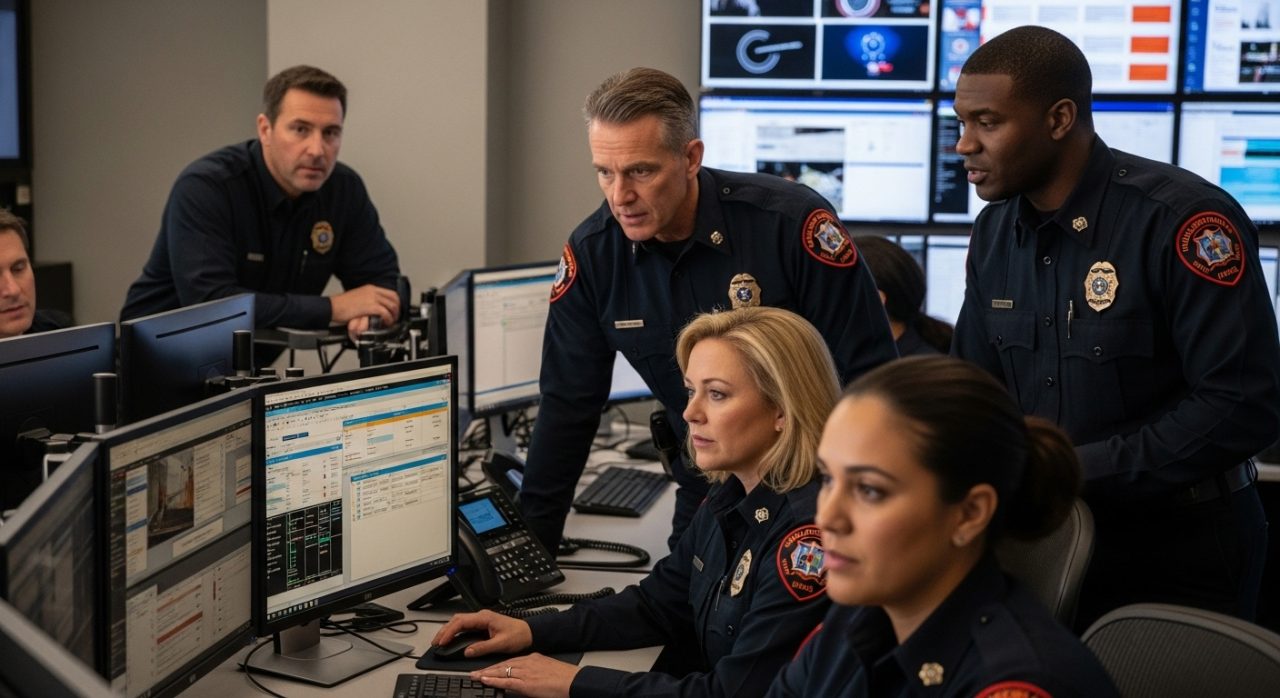
Emergency response workflows shape the way organizations handle sudden disasters and crises. Some systems can slash response times by up to 40 percent and directly improve survival rates during chaos. You might think every emergency turns into confusion no matter what plans are in place but actually, the real surprise is that these workflows create order out of disaster and often mean the difference between catastrophe and recovery.
Table of Contents
- What Is Emergency Response Workflow?
- Why Emergency Response Workflow Matters
- Key Components Of An Effective Workflow
- How Emergency Response Workflow Functions
- Real-World Applications And Case Studies
Quick Summary
| Takeaway | Explanation |
|---|---|
| Emergency workflows ensure organized responses | They provide a structured approach to manage crises effectively, protecting lives and property. |
| Standardization improves efficiency | Structured workflows streamline communication and decision-making, reducing response times during emergencies. |
| Continuous learning enhances preparedness | Documenting each response helps organizations identify weaknesses and refine strategies for future incidents. |
| Adaptive systems cater to unique situations | Flexibility allows workflows to evolve based on real-time information, facilitating effective interventions. |
| Collaboration is key for success | Multi-agency cooperation maximizes resources and expertise, improving overall emergency management outcomes. |
What is Emergency Response Workflow?
An emergency response workflow represents a systematic approach organizations and responders use to manage and coordinate critical actions during unexpected crises or disasters. This structured process ensures swift, organized, and effective interventions that protect human life, minimize damage, and restore normalcy as quickly as possible.
Core Components of Emergency Response Workflow
Emergency response workflow is fundamentally about creating a predictable yet adaptable framework for handling unpredictable situations. The workflow typically encompasses several interconnected stages designed to provide comprehensive emergency management. Read our comprehensive guide on disaster response workflow to gain deeper insights into these critical processes.
Key elements of an emergency response workflow include:
- Initial Assessment: Quickly evaluating the type, scale, and potential impact of the emergency
- Resource Mobilization: Rapidly deploying appropriate personnel, equipment, and support systems
- Communication Coordination: Establishing clear communication channels between different responding agencies
- Strategic Intervention: Implementing targeted actions to mitigate risks and protect vulnerable populations
Importance of Standardized Emergency Response
Standardized emergency response workflows are critical because they transform chaotic situations into managed scenarios. According to research from the National Incident Management System, structured workflows reduce response times, minimize confusion, and enable multiple agencies to work cohesively during high-stress emergencies.
The primary goal of an emergency response workflow is not just immediate crisis management but also creating a framework that allows for continuous learning and improvement. By documenting each response, organizations can refine their strategies, identify potential weaknesses, and develop more robust protocols for future emergencies.
Whether dealing with natural disasters, public health emergencies, or unexpected critical incidents, a well-designed emergency response workflow provides the strategic blueprint that transforms potential chaos into coordinated, life-saving action.
Why Emergency Response Workflow Matters
Emergency response workflows are critical infrastructure that transform potential disaster scenarios from chaotic, uncoordinated events into structured, strategic interventions. These systematic approaches represent more than procedural guidelines they are lifelines that directly impact survival, recovery, and community resilience during critical moments.
Preventing Catastrophic Failures
Without a well-designed emergency response workflow, organizations risk catastrophic failures that can exponentially increase human suffering and economic damage. Learn more about emergency response basics to understand the profound impact of structured emergency management.
Key reasons why emergency response workflows are indispensable include:
- Rapid Decision Making: Enabling faster, more precise responses during high-stress situations
- Resource Optimization: Ensuring efficient allocation of limited emergency resources
- Clear Communication: Establishing unambiguous channels for information exchange
- Accountability: Creating transparent processes for tracking actions and outcomes
Life Saving Potential
According to research from the Homeland Security Digital Library, well-structured emergency response workflows can reduce response times by up to 40% and significantly improve survival rates during critical incidents. These workflows are not just administrative tools but direct mechanisms for preserving human life.
Moreover, emergency response workflows serve broader societal functions beyond immediate crisis management. They represent collective preparedness frameworks that build community resilience, enable inter-agency collaboration, and create systemic learning opportunities. By documenting and analyzing each emergency response, organizations can continuously refine their strategies, identifying potential vulnerabilities and developing more robust protocols for future challenges.
Ultimately, emergency response workflows embody our collective commitment to protecting vulnerable populations, minimizing potential harm, and maintaining social stability during unpredictable and potentially devastating circumstances.
Key Components of an Effective Workflow
An effective emergency response workflow operates like a sophisticated organizational ecosystem, designed to transform potential chaos into coordinated, strategic action. The complexity of these workflows demands multiple interconnected components that work seamlessly to ensure rapid, precise, and compassionate emergency management.
Foundational Structural Elements
The architecture of an emergency response workflow rests on several critical structural foundations. Learn more about our emergency housing workflow guide to understand how these components integrate in real-world scenarios.
Key structural elements include:
- Clear Role Definitions: Establishing precise responsibilities for each team member
- Hierarchical Command Structure: Creating transparent decision making pathways
- Standardized Communication Protocols: Ensuring consistent and unambiguous information exchange
- Flexible Adaptation Mechanisms: Allowing dynamic responses to evolving emergency scenarios
Operational Performance Criteria
According to research from the American Society of Safety Professionals, effective emergency response workflows must meet rigorous operational performance standards. These standards transcend mere procedural compliance and focus on creating robust, responsive systems capable of managing complex, high-stress environments.
The most successful workflows integrate comprehensive assessment mechanisms that continuously evaluate performance, identify potential improvements, and develop more resilient response strategies. This approach transforms emergency management from a reactive process into a proactive, learning-oriented system.
The table below summarizes the foundational structural elements and operational performance criteria of effective emergency response workflows to provide a clear overview for readers.
| Component | Description |
|---|---|
| Clear Role Definitions | Assigns precise responsibilities to each team member |
| Hierarchical Command Structure | Establishes transparent decision making pathways |
| Standardized Communication Protocols | Ensures consistent and unambiguous information exchange |
| Flexible Adaptation Mechanisms | Allows dynamic responses to evolving emergency scenarios |
| Rapid Decision Making | Enables faster and more precise reactions during high-stress events |
| Resource Optimization | Ensures efficient allocation of limited emergency resources |
| Comprehensive Performance Assessment | Continuously evaluates strategies to identify and implement improvements |
| Accountability | Tracks actions and outcomes through transparent processes |
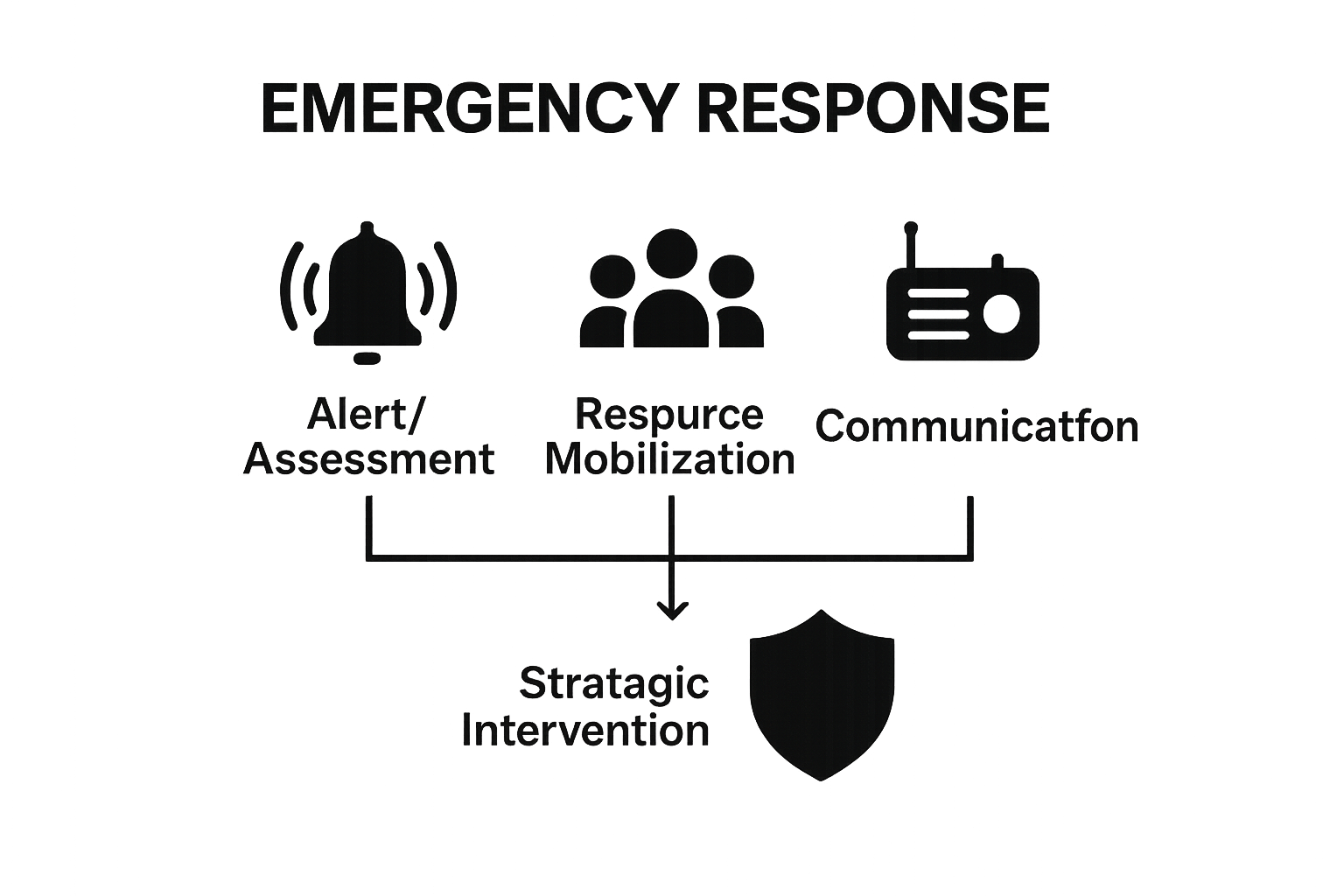
Ultimately, an effective emergency response workflow is not just about managing immediate challenges but about building organizational capacity to anticipate, respond to, and recover from increasingly complex and unpredictable emergency scenarios.
How Emergency Response Workflow Functions
Emergency response workflows operate as dynamic, interconnected systems that transform complex crisis scenarios into structured, actionable processes. These sophisticated mechanisms enable organizations to transition from chaos to coordinated action, ensuring rapid and effective emergency management across multiple interdependent stages.
Operational Activation Stages
The functional framework of an emergency response workflow unfolds through carefully sequenced stages designed to maximize efficiency and minimize potential risks. Explore our comprehensive guide on first responder roles to understand the intricate interactions within these critical systems.
Key operational activation stages typically include:
- Initial Alert and Assessment: Rapidly identifying and evaluating the emergency’s scope and potential impact
- Resource Mobilization: Quickly deploying appropriate personnel, equipment, and support systems
- Strategic Intervention: Implementing targeted actions to mitigate risks and protect vulnerable populations
- Continuous Monitoring: Tracking the emergency’s progression and adjusting response strategies dynamically
Interoperability and Coordination Mechanisms
According to research from the National Institutes of Health, emergency response workflows are fundamentally knowledge-centric systems that must remain flexible and adaptable. Unlike traditional structured processes, these workflows evolve continuously as incidents unfold, requiring sophisticated communication and coordination mechanisms across multiple organizational boundaries.
The most effective workflows integrate comprehensive information sharing platforms that enable real-time data exchange, allowing different agencies and responders to maintain situational awareness and make informed decisions quickly. This approach transforms emergency management from a rigid, linear process into a dynamic, responsive ecosystem capable of addressing complex and unpredictable challenges.
Ultimately, the success of an emergency response workflow depends on its ability to balance standardized protocols with the flexibility to adapt to unique and rapidly changing circumstances.
Real-World Applications and Case Studies
Real-world emergency response workflows demonstrate the critical importance of strategic planning, adaptive technologies, and coordinated human intervention during complex crisis scenarios. These practical applications reveal how theoretical frameworks translate into life-saving actions across diverse emergency situations.
Pandemic Response Strategies
The COVID-19 pandemic presented unprecedented challenges that tested emergency response workflows globally. Explore our comprehensive guide on emergency response strategies to understand how organizations adapted during unprecedented challenges.
Key pandemic response workflow adaptations included:
- Decentralized Communication Systems: Enabling remote coordination and information sharing
- Rapid Resource Reallocation: Quickly redirecting medical supplies and personnel
- Dynamic Triage Protocols: Developing flexible healthcare management strategies
- Digital Tracking Mechanisms: Implementing advanced contact tracing technologies
Natural Disaster Intervention Models
According to research from the Federal Emergency Management Agency, emergency response workflows have demonstrated remarkable effectiveness in managing complex natural disaster scenarios. These interventions showcase how structured yet adaptable approaches can significantly reduce human suffering and economic damage.
Successful case studies highlight the importance of multi-agency collaboration, where local emergency services, state organizations, and federal resources work seamlessly to address intricate challenges. The most effective workflows integrate advanced technological solutions with human expertise, creating robust response mechanisms that can quickly assess, adapt, and intervene across rapidly changing environments.
These real-world applications underscore a fundamental truth: emergency response workflows are living systems that continuously learn, evolve, and improve through each challenging scenario they encounter.
The following table highlights key adaptations in emergency response workflows for pandemic situations versus natural disaster scenarios as mentioned in the article.
| Feature or Strategy | Pandemic Response Workflow | Natural Disaster Workflow |
|---|---|---|
| Communication System | Decentralized and remote | Centralized, multi-agency coordination |
| Resource Management | Rapid reallocation of medical staff | Quick deployment of various resources |
| Decision Protocols | Dynamic triage, flexible healthcare | Structured intervention, swift action |
| Technology Use | Digital tracking, contact tracing | Advanced assessment, situational tech |
| Agency Collaboration | Cross-sector, remote coordination | Local, state, and federal alignment |
| Adaptation Focus | Real-time healthcare strategy | Rapid assessment and intervention |
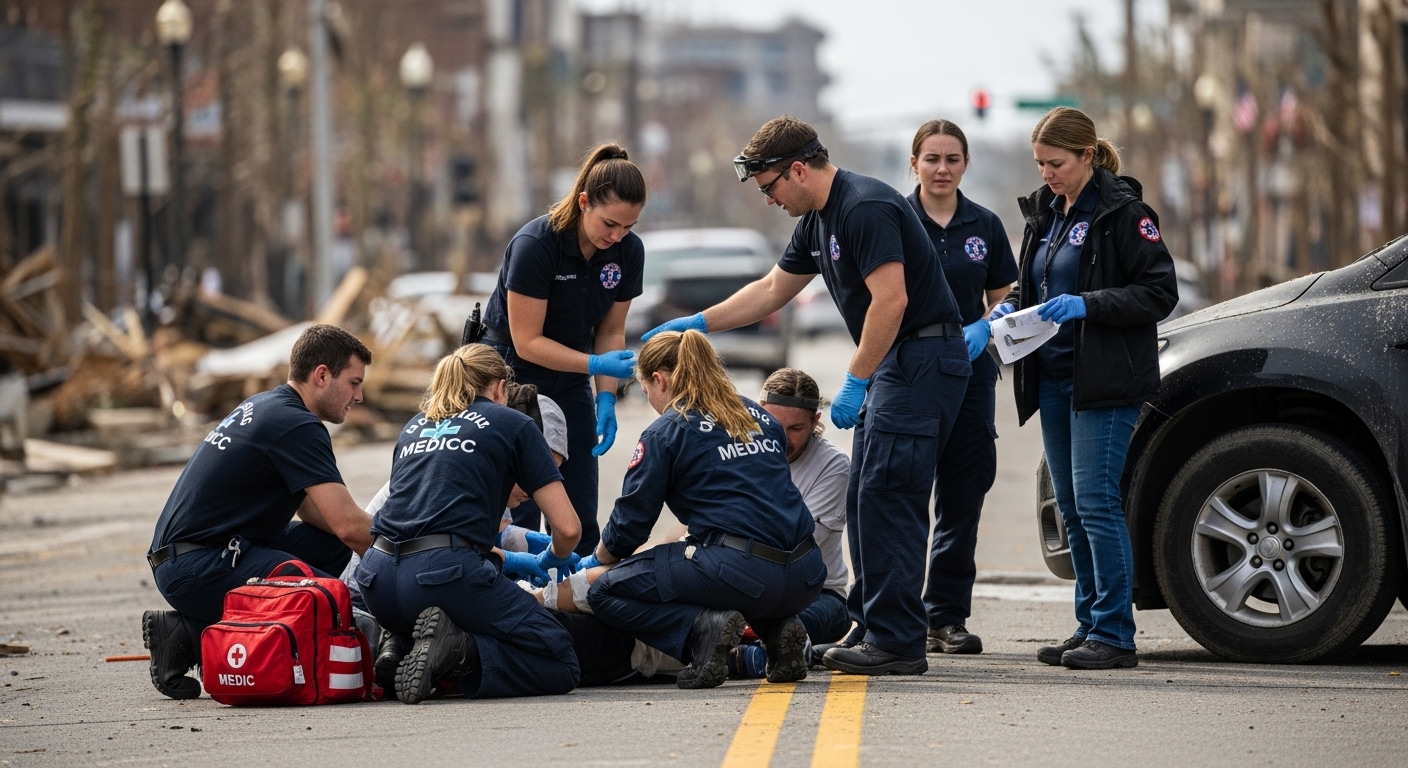
Ready to Put Emergency Response Workflows Into Action?
After learning how emergency response workflows safeguard lives and speed recovery after disasters, you may be wondering how to move beyond information toward actual solutions. When disaster turns life upside down, the biggest challenges are getting immediate support, finding safe emergency shelter, and reassuring your family that help is truly on the way. The article highlights the importance of clear communication, strategic intervention, and a predictable response process—exactly what most families and organizations desperately need during a crisis.
With Disaster Victim Services, you are never alone in facing these urgent needs. Our experienced team streamlines your recovery by connecting you instantly to emergency housing, professional guidance, and the logistical support needed to start rebuilding. Learn more about our comprehensive approach to disaster recovery and see stories of real support on our Uncategorized – Disaster Victim Services page. If you are ready for personalized, compassionate help right now, visit Disaster Victim Services to take your next step toward safety and a smoother recovery journey.
Frequently Asked Questions
What is an emergency response workflow?
An emergency response workflow is a systematic approach used by organizations and responders to manage actions during crises, ensuring swift and organized interventions.
Why is a standardized emergency response workflow important?
Standardized emergency response workflows are crucial as they reduce confusion and response times during emergencies, enabling better inter-agency collaboration and efficient resource allocation.
What are the core components of an effective emergency response workflow?
Key components include initial assessment, resource mobilization, communication coordination, and strategic intervention, all designed to work together for effective emergency management.
How do emergency response workflows adapt during crises?
Emergency response workflows are dynamic systems that evolve as situations change, incorporating real-time data and flexible protocols to address the unique challenges presented by each emergency.
Recommended
- Understanding Disaster Response Workflow: A Comprehensive Guide – Disaster Victim Services | Helping You Recover After Disaster
- Emergency Response Basics for 2025: A Practical Guide – Disaster Victim Services | Helping You Recover After Disaster
- Understanding Emergency Response Roles in 2025: Key Insights – Disaster Victim Services | Helping You Recover After Disaster
- Understanding First Responder Roles in Emergency Situations – Disaster Victim Services | Helping You Recover After Disaster