
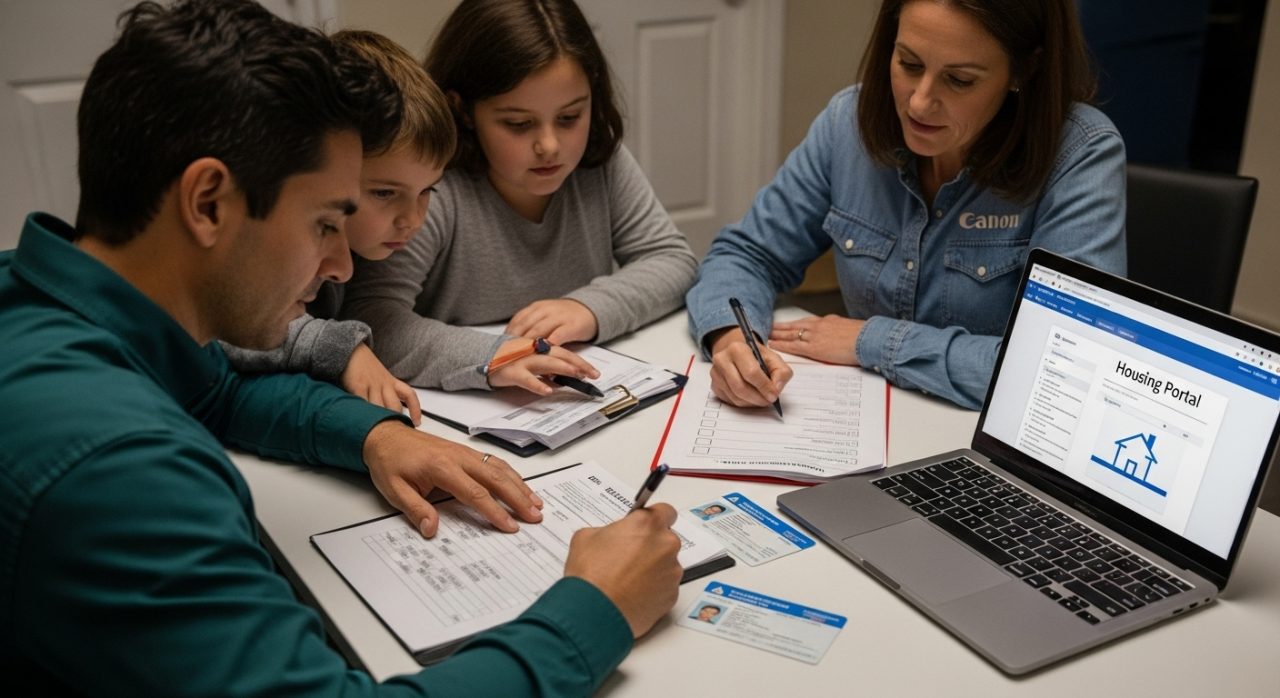
Housing placement after a disaster is overwhelming and urgent. Families often find themselves juggling countless details and missing paperwork. Yet only 43 percent of displaced families gather all critical documents before searching for housing. This single step alone can make or break the journey to stability.
Table of Contents
- Step 1: Evaluate Your Immediate Needs
- Step 2: Gather Documentation and Resources
- Step 3: Search for Temporary Housing Options
- Step 4: Apply for Housing Assistance Programs
- Step 5: Confirm Your Housing Placement
- Step 6: Settle In and Monitor Your Situation
Quick Summary
| Key Point | Explanation |
|---|---|
| 1. Evaluate your immediate needs thoroughly | Conduct a detailed assessment of your personal safety and basic requirements before seeking housing solutions. |
| 2. Gather essential documentation promptly | Collect personal IDs, insurance policies, and other vital documents to streamline your housing placement process. |
| 3. Strategically search for housing options | Use multiple resources to find safe, appropriate temporary housing that meets your family’s needs. |
| 4. Apply for housing assistance programs | Research and submit applications for various assistance options to secure necessary support during your displacement. |
| 5. Confirm and understand your housing placement | Verify all details of your temporary housing arrangement, including terms, support services, and move-in logistics. |
Step 1: Evaluate Your Immediate Needs
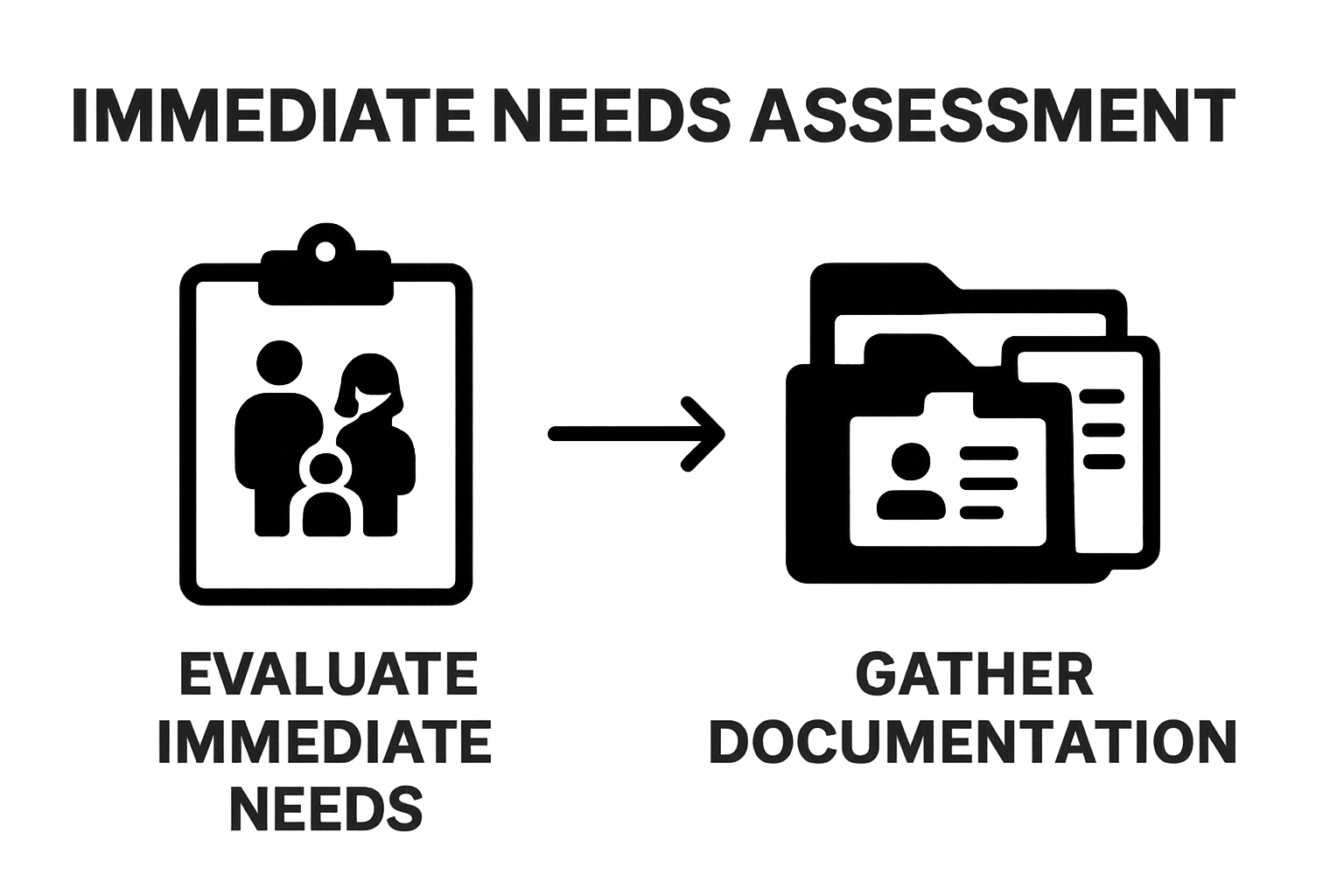
When disaster strikes, the first critical step in housing placement is conducting a comprehensive evaluation of your immediate needs. This initial assessment will serve as the foundation for your entire recovery journey, helping you understand the full scope of your current situation and determine the most appropriate next steps.
Your immediate needs assessment starts with a clear inventory of your current circumstances. This means taking a careful and honest look at your personal safety, basic living requirements, and short term housing options. Begin by documenting the extent of your displacement – whether you’ve lost your entire home, suffered partial damage, or been temporarily relocated. Consider factors like family size, medical requirements, accessibility needs, and any special circumstances that might impact your housing search.
Documenting your needs requires gathering critical information. Create a detailed record of your current living situation, including the number of family members, any medical conditions, age ranges, and specific accommodation requirements. Family members with disabilities, elderly individuals, or young children might need specialized housing solutions that go beyond standard temporary accommodations. Read our comprehensive guide on recovery essentials to understand how to systematically approach this evaluation.
Key verification criteria for completing this step include:
Below is a checklist summarizing the key verification criteria you should complete before moving to the next step in the housing placement process.
| Step | Verification Checklist Item | Description |
|---|---|---|
| 1 | Written documentation of current living situation | A clear record of your family’s circumstances |
| 1 | Identification of immediate housing requirements | List of specific needs for housing |
| 1 | Understanding of suitable accommodations | Awareness of options matching your needs |
| 1 | Contact information for temporary housing resources | Names and phone numbers for initial outreach |
| 2 | Copies of all personal identification documents | IDs, driver’s licenses, birth certificates, etc. |
| 2 | Complete insurance and property records | Home/renter’s insurance, ownership papers |
| 2 | Digital and physical backup of documentation | Secure storage in cloud or folder |
| 2 | Contact information for document replacement agencies | Offices or organizations that can issue replacements |
- A comprehensive written document detailing your family’s current living situation
- Clear identification of immediate housing requirements
- Understanding of potential accommodations that match your specific needs
- Initial contact information for potential temporary housing resources
Remember that this evaluation is not just about finding a place to stay, but finding a space that supports your family’s physical and emotional recovery. Take your time, be thorough, and approach this process with patience and attention to detail. Your careful assessment now will significantly streamline your housing placement process in the subsequent steps.
Step 2: Gather Documentation and Resources
After evaluating your immediate needs, the next crucial step is systematically gathering all necessary documentation and resources to support your housing placement journey. This step is fundamental in establishing your credibility, accessing support services, and expediting your recovery process.
Documentation serves as the critical backbone of your displacement recovery. Begin by collecting essential personal identification documents such as driver’s licenses, social security cards, birth certificates, and passports. If these were lost during the disaster, prioritize obtaining replacement copies from local government offices.
Create both physical and digital backups of every document, storing digital copies securely in cloud storage or encrypted external drives. Learn more about replacing critical documents after a disaster to ensure comprehensive record preservation.
Beyond personal identification, compile a comprehensive package of additional critical documents. This includes insurance policies, property ownership records, medical records, employment documentation, and any existing housing contracts or lease agreements. Contact your insurance provider, employer, and local government offices to request official copies if originals were destroyed. Organize these documents in a clearly labeled folder or digital portfolio, making them easily accessible for housing placement professionals, insurance adjusters, and potential temporary housing providers.
Key verification criteria for completing this documentation gathering step include:
- Collected copies of all personal identification documents
- Comprehensive insurance and property records
- Digital and physical backup of all critical paperwork
- Contact information for agencies that can help replace missing documents
Remember that thorough documentation is your strongest ally in navigating the housing placement process. Each document you collect brings you one step closer to finding a stable, supportive temporary housing solution for you and your family.
Step 3: Search for Temporary Housing Options
With your documentation prepared, the next critical phase involves strategically searching for temporary housing options that meet your family’s unique needs. This step requires a methodical approach, combining multiple resources and support channels to identify safe, suitable accommodations during your displacement.
Begin your search by leveraging multiple communication channels. Contact local emergency management offices, disaster relief organizations, and government agencies that specialize in housing assistance. Explore our comprehensive guide on accessing housing support to understand the full range of available resources. Reach out to your insurance provider, as many policies include temporary housing coverage or can recommend specific support networks. Additionally, connect with local community centers, religious organizations, and nonprofit groups that often maintain emergency housing resources for displaced families.
Your temporary housing search should prioritize safety, accessibility, and proximity to essential services. Consider options like short term rental assistance programs, emergency shelters, hotel/motel vouchers, and potential housing with extended family or friends. Each option has unique advantages and potential challenges, so carefully evaluate how well each matches your family’s specific requirements. Pay special attention to factors like distance from your original community, school districts for children, workplace proximity, and medical service accessibility.
This table provides a quick comparison of temporary housing options mentioned in the guide, helping you weigh advantages and considerations for each.
| Housing Option | Advantages | Considerations |
|---|---|---|
| Emergency shelters | Immediate safety, support services | Limited privacy, short term only |
| Hotel/motel vouchers | Private space, comfort | Often time-limited, may cost extra |
| Short-term rentals | Greater independence, amenities | May require deposits, application |
| Staying with family | Emotional support, cost savings | May strain relationships, limited by availability |
| Community organizations | Access to local resources | Waiting lists, varying quality |
Key verification criteria for completing this housing search include:
- Compiled list of potential temporary housing options
- Contact information for each housing resource
- Preliminary assessment of each option’s suitability
- Initial conversations or applications submitted to housing providers
Remember that finding temporary housing is a process that requires patience and persistence. Each inquiry brings you closer to securing a safe, comfortable living environment for your family during this challenging transition period.
Step 4: Apply for Housing Assistance Programs
After identifying potential housing options, the next critical phase involves strategically applying for housing assistance programs that can provide essential support during your displacement. This step requires careful navigation of various governmental and nonprofit resources designed to help families rebuild and stabilize their living situation.
Begin by thoroughly researching available housing assistance programs at federal, state, and local levels. Explore our comprehensive guide on direct housing processes to understand the full spectrum of potential support. Contact your local Public Housing Agency, visit government websites like FEMA and HUD, and reach out to disaster relief organizations. Prepare a comprehensive application package that includes all documentation gathered in previous steps – identification papers, proof of displacement, income verification, and any insurance or damage assessment records.
Each housing assistance program has unique eligibility requirements and application processes. Some programs offer rental assistance, while others provide direct housing solutions or mortgage relief. Pay close attention to application deadlines, required documentation, and specific qualifying criteria. Be prepared to provide detailed information about your family’s current living situation, income levels, and specific housing needs. Many programs prioritize families with vulnerable members such as children, elderly individuals, or those with medical conditions. If you encounter challenges during the application process, do not hesitate to seek help from local social services, disaster relief counselors, or community support organizations.
Key verification criteria for completing housing assistance applications include:
- Submitted applications to multiple housing assistance programs
- Copies of all submitted documentation
- Confirmation receipts from each application
- Follow up contact information for program administrators
Remember that persistence and thorough documentation are your most powerful tools in securing temporary housing assistance. Each application brings you closer to finding a stable, supportive living environment for your family during this challenging transition.
Step 5: Confirm Your Housing Placement
As you approach the final stage of your housing placement journey, confirming your temporary housing becomes paramount. This critical step transforms your previous efforts into a concrete living solution, ensuring your family has a stable and safe environment during recovery. Learn more about our comprehensive housing placement workflow to understand the nuanced details of this process.
Confirming your housing placement requires meticulous attention to detail and proactive communication. Contact the housing assistance program or provider directly to verify all aspects of your temporary accommodation. Thoroughly review the terms of your housing arrangement, including duration of stay, specific amenities, cost responsibilities, and any additional support services available. Request a written confirmation document that outlines these specific details, which will serve as your official record and protection against potential misunderstandings.
During this confirmation process, ask comprehensive questions about your living environment. Inquire about utility connections, internet access, proximity to essential services, and any specific accommodations for family members with unique needs. Confirm move in dates, key or access card distribution, and any required orientation or check in procedures. If the housing option involves staying with a host family or in a community shelter, ensure you understand all house rules, expected behaviors, and available support systems. Take time to discuss potential contingency plans should any issues arise during your temporary housing stay.
Key verification criteria for completing housing placement confirmation include:
- Written confirmation document from housing provider
- Comprehensive understanding of housing terms and conditions
- Scheduled move in date and logistics
- Contact information for housing support personnel
Remember that this step represents more than just securing a place to stay. It is about establishing a foundation for your family’s recovery and resilience during a challenging transition period. Approach this confirmation with patience, thoroughness, and a forward looking perspective.
Step 6: Settle In and Monitor Your Situation
After successfully securing temporary housing, the critical next phase involves carefully settling into your new environment and strategically monitoring your ongoing situation. This step is about creating stability, maintaining documentation, and proactively managing your family’s recovery trajectory. Learn more about long-term housing stabilization strategies to support your transition.
Initiate your settlement process by thoroughly documenting your new living arrangement. Create a comprehensive records system that tracks all communications, housing agreements, and support services interactions. Set up a dedicated folder or digital repository where you can store receipts, correspondence, and important documents related to your temporary housing. This systematic approach will prove invaluable if you need to demonstrate your housing status for insurance claims, disaster relief applications, or future housing transitions. Establish a routine for organizing incoming paperwork and maintaining clear, accessible records of your displacement and recovery journey.
Monitoring your situation requires consistent communication and proactive engagement with support networks. Maintain regular contact with your housing assistance provider, local emergency management services, and any case workers assigned to your family. Schedule periodic check ins to discuss your progress, address any emerging challenges, and explore potential long term housing solutions. Pay close attention to your family’s emotional and psychological well being during this transition. Recognize that displacement can be stressful, and seek out counseling or support groups if needed. Keep track of your family’s adaptation to the new environment, noting any specific needs or challenges that arise.
Key verification criteria for successfully settling in include:
- Established comprehensive documentation system
- Regular communication with housing support providers
- Emotional and practical assessment of family’s adaptation
- Ongoing exploration of long term housing strategies
Remember that settling in is more than finding a physical space. It is about creating a sense of security, maintaining hope, and positioning your family for successful recovery and eventual return to permanent housing.
Take the Next Step Toward Stability and Recovery
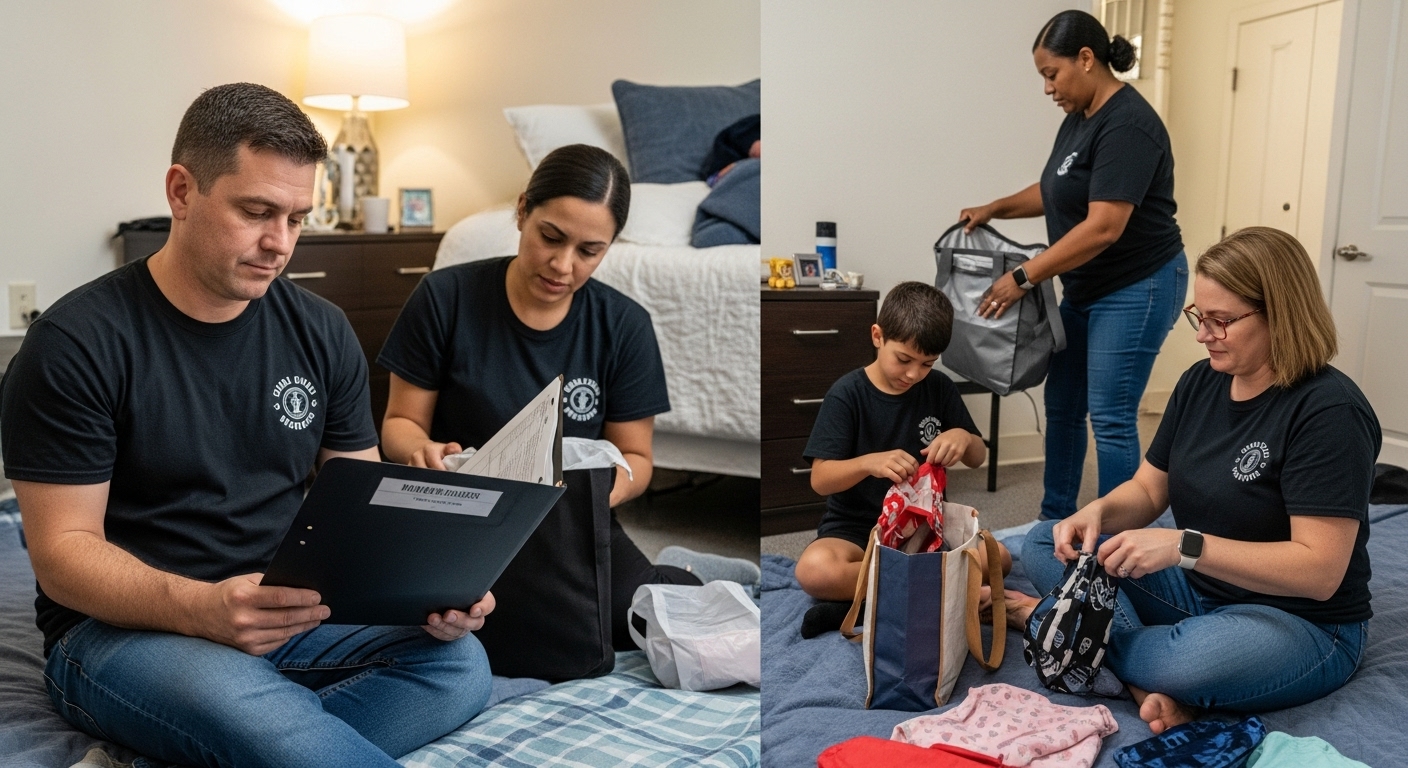
Your path through housing placement can feel overwhelming. The article highlights how sudden displacement challenges your sense of safety, forces you to gather vital documentation quickly, and makes finding secure, temporary homes more urgent than ever. When your needs are immediate and every decision affects your family’s wellbeing, having a trusted partner matters.
Disaster Victim Services bridges the gaps revealed in each step of the housing placement process. Our team specializes in emergency response and compassionate support for families navigating these very challenges. We deliver fast, reliable help with everything from emergency housing searches to working directly with insurance providers and local agencies. Explore additional solutions and real stories on our Developing category page. If you are ready to move forward, visit Disaster Victim Services now for 24-hour assistance. The sooner you reach out, the sooner we can start restoring your sense of security and hope.
Frequently Asked Questions
What is the first step in finding temporary housing after displacement?
To start the process, evaluate your immediate needs by assessing personal safety, basic living requirements, and short-term housing options. Document your current circumstances, including family size and special accommodation requirements.
What kind of documentation do I need to gather for housing assistance?
You should collect essential personal identification documents such as driver’s licenses, social security cards, and birth certificates, along with insurance policies, property ownership records, and medical records. It’s also important to create backups of these documents.
How can I search for temporary housing options effectively?
Leverage multiple communication channels, including local emergency management offices, disaster relief organizations, and your insurance provider. Consider options like emergency shelters, short-term rental assistance, and staying with family or friends.
What should I confirm before moving into temporary housing?
Confirm the terms of your housing arrangement, including duration of stay, amenities, costs, and available support services. It’s important to ask about utility connections and proximity to essential services, and to have a written confirmation of the housing agreement.
Recommended
- Safe Housing Placement Steps for Disaster Response 2025 – Disaster Victim Services | Helping You Recover After Disaster
- Housing Placement Workflow Guide 2025: Steps for Disaster Recovery – Disaster Victim Services | Helping You Recover After Disaster
- Rehousing Process Steps: A Complete Guide for 2025 – Disaster Victim Services | Helping You Recover After Disaster
- Direct Housing Process Guide 2025: Steps, Eligibility & Tips – Disaster Victim Services | Helping You Recover After Disaster