
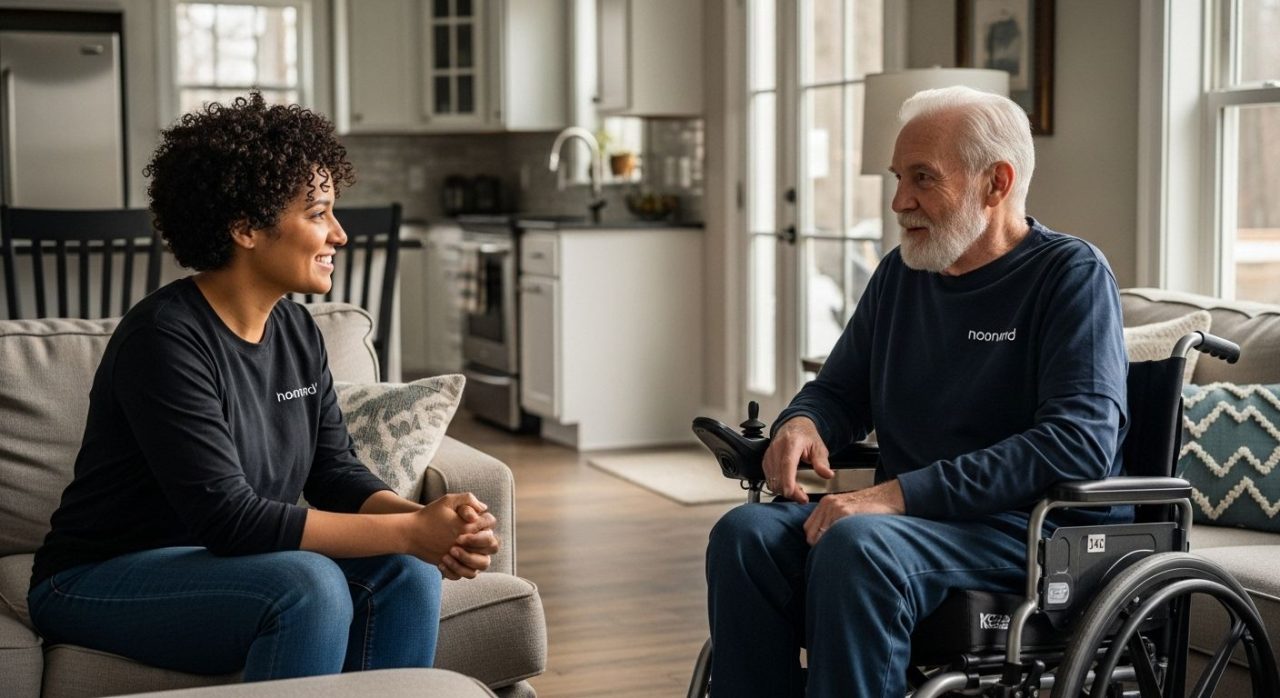
Housing accessibility is far more than just installing a ramp or widening a doorway. Across the US, over 25 percent of adults live with some type of disability, yet most homes still fail to support basic independence or safety. It might seem like a problem only a small group faces, but the surprising fact is that accessible design actually benefits everyone, making homes safer and more comfortable for people of all ages and abilities.
Table of Contents
- Defining Housing Accessibility For Disabled Individuals
- The Importance Of Housing Accessibility In Society
- Key Concepts And Features Of Accessible Housing
- Legal Framework And Standards For Housing Accessibility
- Challenges And Innovations In Housing Accessibility
Quick Summary
| Takeaway | Explanation |
|---|---|
| Housing accessibility promotes independent living. | Accessible design supports autonomy for individuals with disabilities, enhancing their independence and dignity in residential spaces. |
| Design features must be adaptable. | Unique individual needs necessitate flexible housing designs that can change with personal circumstances and preferences. |
| Technology enhances functionality in homes. | Smart home systems improve accessibility, allowing individuals with disabilities to control their environments effectively and independently. |
| Accessible housing is a social investment. | Creating accessible living spaces contributes to healthier communities by supporting diverse abilities and promoting economic participation. |
| Legal protections ensure residential equality. | Compliance with key legislation establishes fair housing standards and safeguards rights, fostering inclusivity in residential environments. |
Defining Housing Accessibility for Disabled Individuals
Housing accessibility represents a critical foundation for enabling independent living and dignity for individuals with disabilities. This concept goes far beyond simple architectural modifications, encompassing a comprehensive approach to creating living spaces that accommodate diverse human functional needs.
What Constitutes Housing Accessibility
Housing accessibility involves designing residential environments that support individuals with various physical, sensory, and cognitive limitations. According to the Administration for Community Living, this includes strategic design features that facilitate independent navigation and usage of living spaces:
- Wider doorways to accommodate wheelchairs
- Low countertops for easier reach
- Grab bars in bathrooms for stability
- Clear floor spaces for maneuverability
- Lever-style door handles instead of traditional knobs
Functional Design Principles
True housing accessibility requires understanding that disabilities are not uniform. Each individual has unique requirements, which means accessible housing must be adaptable and personalized. The goal is not just physical accommodation but creating environments that promote autonomy, safety, and dignity.
Key design considerations include ergonomic layouts, sensory-friendly elements, and technology integration that supports different mobility and interaction needs. Read more about our comprehensive housing accessibility standards, which outline how thoughtful design can transform living experiences for disabled individuals.
The World Health Organization emphasizes that accessible housing should be viewed as a dynamic concept that accommodates changing human functioning throughout one’s lifetime. This perspective shifts accessibility from a specialized need to a universal design principle that benefits everyone, regardless of age or ability.
The Importance of Housing Accessibility in Society
Housing accessibility transcends individual needs, representing a profound social commitment to inclusivity, equal opportunity, and human dignity. By creating environments that accommodate diverse abilities, society demonstrates its fundamental respect for every individual’s right to live independently and participate fully in community life.
Social and Economic Impact
Accessible housing is not merely an architectural consideration but a critical social investment. Research from the National Institutes of Health reveals that housing accessibility directly influences multiple social determinants of health, including:
- Personal independence and self-sufficiency
- Mental health and psychological well-being
- Economic participation and employment opportunities
- Community integration and social connections
- Reduction of healthcare and support service dependencies
Breaking Down Systemic Barriers
Traditional housing design has historically marginalized individuals with disabilities by creating physical and psychological barriers. Accessible housing challenges these systemic limitations by reframing disability as a natural variation of human experience rather than a condition requiring extraordinary accommodation.
Learn more about our comprehensive housing accessibility trends that demonstrate how universal design principles can transform societal perspectives. By prioritizing accessibility, communities create environments that support human diversity, recognizing that functional differences are a normal part of the human experience.
Moreover, accessible housing generates broader economic benefits. When individuals with disabilities can live independently, they contribute more effectively to workforce productivity, reduce long-term care expenses, and challenge outdated perceptions about disability and capability.
Key Concepts and Features of Accessible Housing
Accessible housing represents a sophisticated approach to residential design that integrates universal functionality, adaptive technologies, and human-centered architectural principles. This comprehensive strategy ensures living spaces can accommodate diverse human abilities and evolving personal needs.
Foundational Design Elements
Accessible housing goes beyond basic accommodation, focusing on creating environments that support independent living and personal dignity. Key design features include:
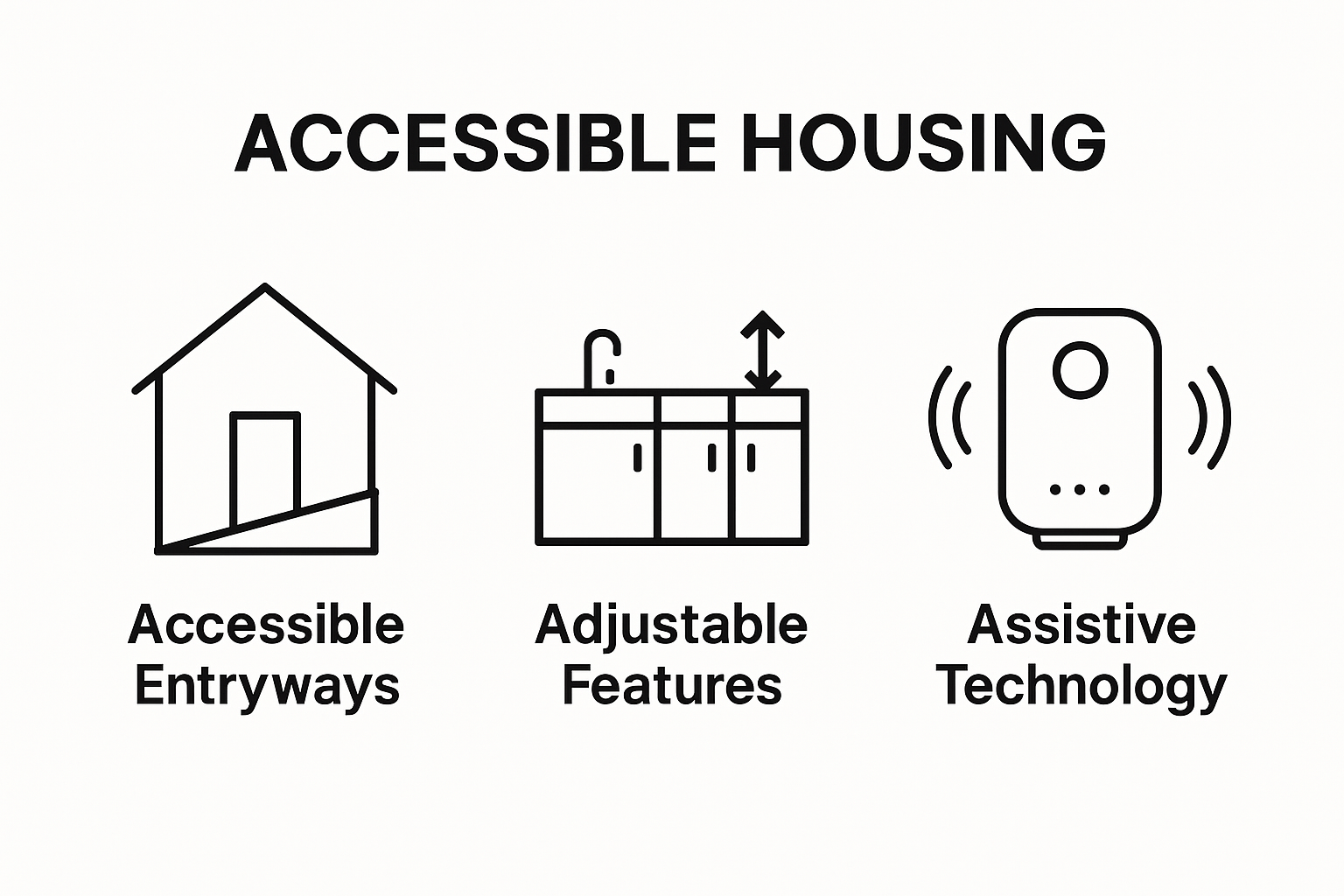
- Zero threshold entryways for seamless wheelchair navigation
- Adjustable height countertops and work surfaces
- Motion sensor lighting and automated door systems
- Reinforced wall structures for future assistive device installation
- Open floor plans with ample turning radiuses
Technological Integration
Modern accessible housing leverages advanced technologies to enhance functional independence. Smart home systems now enable individuals with physical limitations to control environmental elements through voice commands, mobile applications, and adaptive interfaces. Explore our comprehensive housing accessibility standards that highlight cutting-edge technological solutions transforming residential experiences.
Advanced features like automated climate control, security systems with visual and auditory alerts, and integrated communication platforms demonstrate how technology can bridge functional limitations. These innovations transform housing from mere shelter into an empowering personal ecosystem that adapts to individual user needs.
Legal Framework and Standards for Housing Accessibility
The legal landscape of housing accessibility represents a critical mechanism for protecting the rights of individuals with disabilities, ensuring equal opportunities for independent living through comprehensive legislative protections and standardized design requirements.
The following table summarizes the foundational legal protections for housing accessibility in the United States and briefly explains each regulation’s purpose.
| Legal Protection | Purpose |
|---|---|
| Americans with Disabilities Act (ADA) | Sets minimum accessibility standards and prohibits discrimination based on disability. |
| Fair Housing Act | Requires housing providers to make reasonable accommodations and prohibits discrimination. |
| Section 504 of the Rehabilitation Act | Prohibits disability-based discrimination in programs receiving federal funding. |
| State Accessibility Building Codes | Mandate local or state-level accessibility requirements above federal minimums. |
| Architectural Barriers Act | Requires federal buildings and facilities to be accessible to people with disabilities. |
Foundational Legal Protections
Key legislative frameworks establish fundamental rights and design standards for accessible housing. Critical legal mechanisms include:
- Americans with Disabilities Act (ADA) accessibility requirements
- Fair Housing Act modifications and design standards
- Section 504 of the Rehabilitation Act prohibiting discrimination
- State level accessibility building code regulations
- Architectural Barriers Act mandating federal facility accessibility
Compliance and Implementation Standards
Legal standards translate complex accessibility needs into actionable architectural guidelines. These frameworks do not merely suggest improvements but mandate specific design criteria that ensure residential environments support diverse functional capabilities.
Learn more about our comprehensive housing accessibility standards that outline precise implementation requirements for residential design.
The legal framework goes beyond physical accommodations, addressing broader concepts of universal design. This approach recognizes accessibility as a fundamental human right rather than a specialized accommodation, shifting societal perspectives from segregation to genuine inclusion.
Challenges and Innovations in Housing Accessibility
Housing accessibility confronts complex systemic barriers that require multifaceted solutions integrating technological innovation, policy reform, and societal perspective shifts.
This table outlines persistent challenges to accessible housing as well as examples of innovative technological solutions that are emerging to address these barriers.
| Challenge | Example of Innovative Solution |
|---|---|
| High retrofitting costs | Smart retrofit kits with modular automation |
| Limited affordable accessible inventory | Advanced prefabricated accessible housing modules |
| Complex zoning/building regulations | Policy advocacy tools for streamlined compliance |
| Inadequate funding | Grants for tech-enabled accessibility upgrades |
| Technology integration complexity | User-friendly universal smart home platforms |
Persistent Structural Barriers
Accessible housing faces significant challenges that extend beyond physical design constraints. Critical obstacles include:
- High retrofitting costs for existing structures
- Limited affordable accessible housing inventory
- Complex zoning and building regulation constraints
- Inadequate funding for comprehensive accessibility modifications
- Technological integration complexity
Technological Transformative Solutions
Research from the National Institutes of Health highlights emerging technological innovations that are revolutionizing housing accessibility. Smart home technologies now offer unprecedented levels of environmental control and independence for individuals with diverse functional requirements.
Explore our latest housing accessibility trends that demonstrate how cutting-edge technological solutions are bridging functional limitations. Advanced systems like voice-activated environmental controls, adaptive interface technologies, and predictive assistance platforms are transforming residential experiences from static spaces into responsive, personalized ecosystems.
Transforming Accessible Housing After Disaster: Your Pathway to Independence
When disaster disrupts your life, returning to a home that meets your accessibility needs can feel overwhelming. Like the article discusses, finding safe and functional housing goes beyond simple features. The real challenge is restoring dignity, autonomy, and comfort in spaces that support every aspect of daily life. Many disabled individuals face barriers such as inaccessible layouts, lack of adaptive technology, and complex recovery processes. These challenges are especially daunting during times of crisis, when urgent and specialized support is most needed.
Take control of your recovery journey with Disaster Victim Services. Our experts understand the unique requirements of accessible housing and work tirelessly to deliver solutions designed with your well-being in mind. If you need assistance restoring or improving your living space for accessibility, explore our Renovation services or see how our New home projects address the needs of people with disabilities. Reach out now and let us help you secure housing that restores your independence and peace of mind.
Frequently Asked Questions
What is housing accessibility?
Housing accessibility refers to the design of residential environments that accommodate individuals with various physical, sensory, and cognitive disabilities, enabling them to navigate and use living spaces independently.
What are key features of accessible housing?
Key features of accessible housing include wide doorways, low countertops, grab bars in bathrooms, clear floor spaces for maneuverability, zero-threshold entryways, and technology such as automated systems for environmental control.
How does housing accessibility impact social participation?
Housing accessibility enhances social participation by promoting independence, improving mental health, and enabling individuals with disabilities to engage fully in community life, thereby reducing barriers to social connections and economic opportunities.
What legal protections exist for housing accessibility?
Legal protections for housing accessibility include the Americans with Disabilities Act (ADA), Fair Housing Act, and Section 504 of the Rehabilitation Act, which establish requirements for equitable access and prohibit discrimination against individuals with disabilities.