
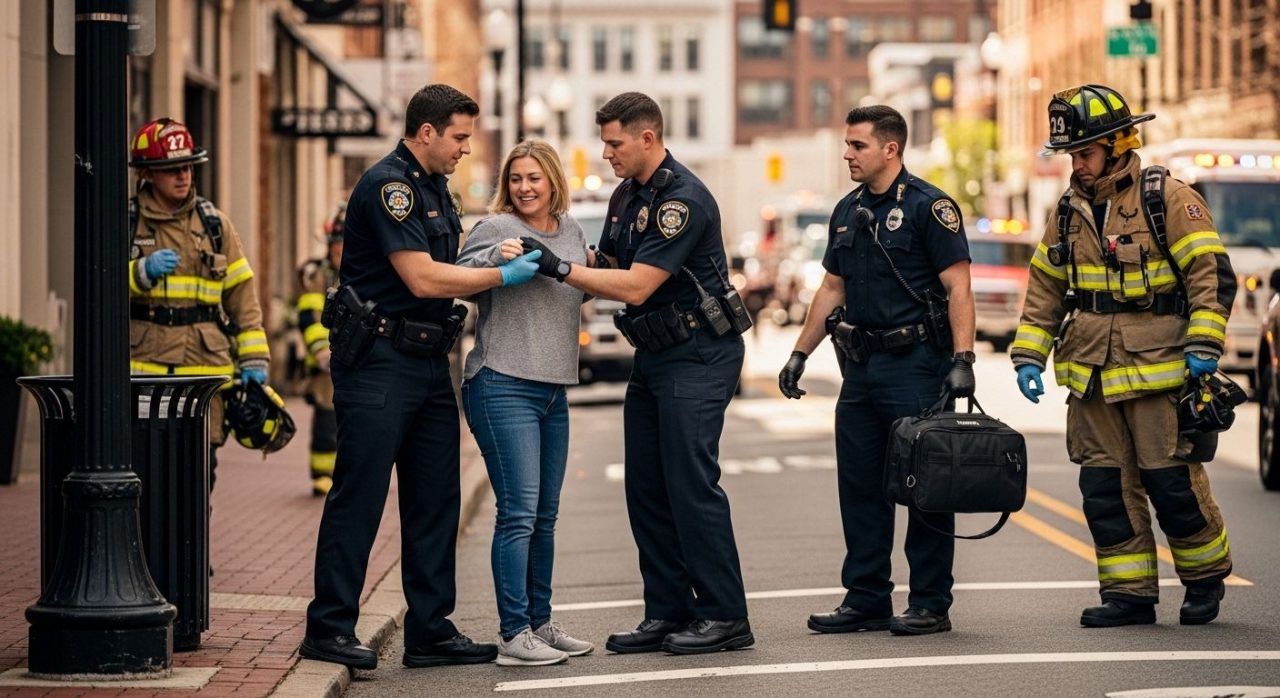
First responders are everywhere during emergencies and they are the face of calm when chaos strikes. Every year, more than 240 million calls are made to 911 in the United States alone. Most people think these professionals just rush to the scene, solve the problem, and leave. The real surprise is how deeply specialized and coordinated their roles are behind the scenes and how much more goes into saving lives than sirens and quick arrivals.
Table of Contents
- What Are First Responder Roles And Who Is Involved?
- The Importance Of First Responder Roles In Disaster Management
- How First Responder Roles Function In Emergencies
- Key Concepts Of First Responder Roles And Their Responsibilities
Quick Summary
| Takeaway | Explanation |
|---|---|
| First responders save lives | Their quick interventions can reduce loss of life in emergencies. |
| Multiple roles require coordination | Police, firefighters, and medical teams work together for effective response. |
| Training is critical for effectiveness | Extensive and ongoing training ensures first responders can handle emergencies. |
| Community resilience is a priority | First responders aid recovery and support mental health post-crisis. |
| Communication is essential during emergencies | Real-time information sharing improves multi-agency collaboration in crisis situations. |
What Are First Responder Roles and Who Is Involved?
First responder roles represent critical emergency intervention positions dedicated to saving lives, protecting communities, and mitigating disaster impacts. Understanding the comprehensive landscape of emergency response reveals a complex network of professionals working seamlessly to address urgent situations.
Core First Responder Categories
Emergency response encompasses several key professional categories, each with specialized responsibilities:
To help you quickly understand the types of first responders and their unique responsibilities, the table below summarizes their primary roles and functions.
| First Responder Category | Main Responsibilities |
|---|---|
| Police Officers | Public safety, crowd control, crisis management |
| Firefighters | Rescue operations, firefighting, medical assistance |
| Paramedics and EMTs | Emergency medical care, patient transport |
| Emergency Management Specialists | Large-scale response coordination, disaster management |
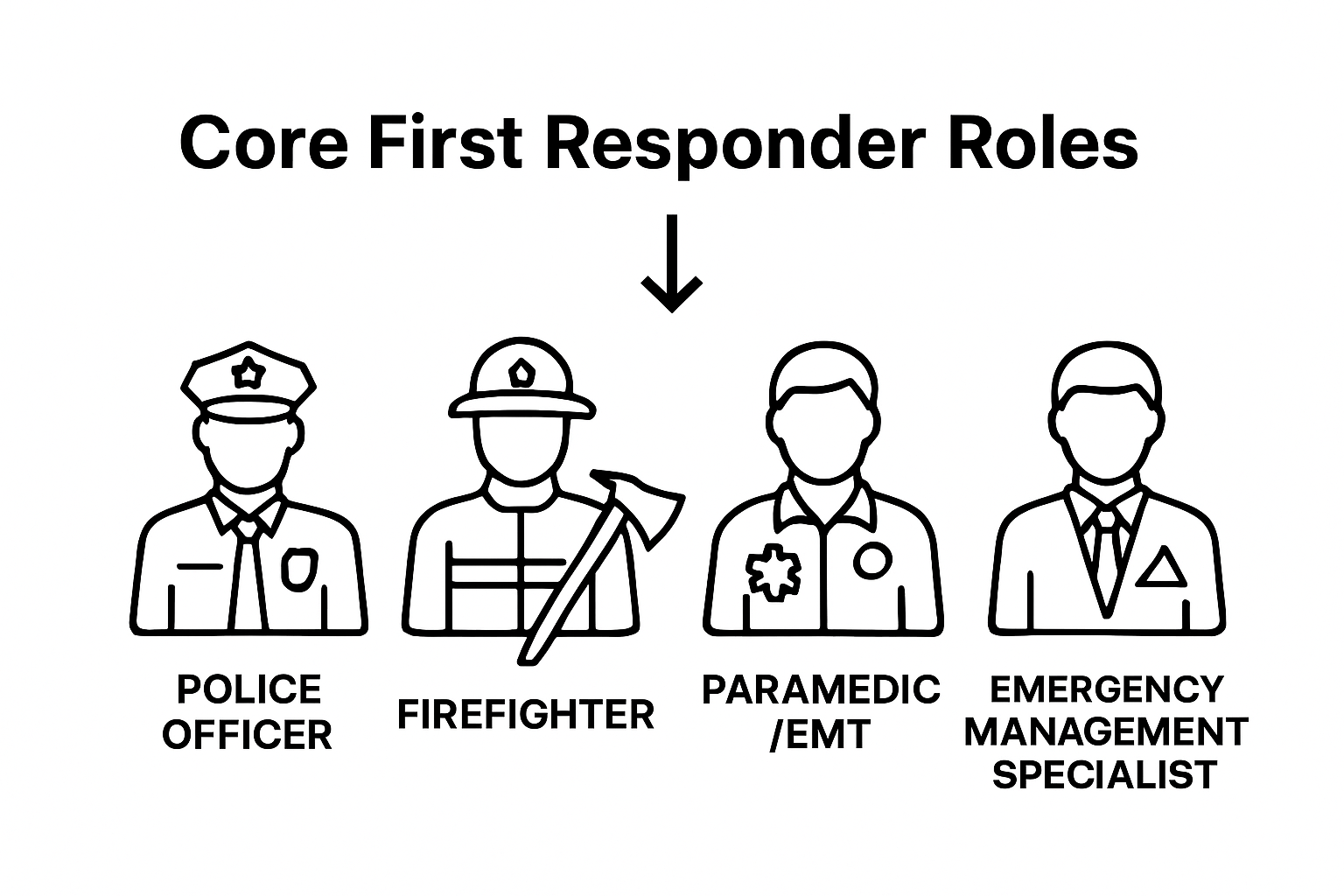
- Police Officers: Provide immediate public safety, crowd control, and crisis management
- Firefighters: Execute rescue operations, combat fires, and provide medical assistance
- Paramedics and EMTs: Deliver critical medical care and transport patients
- Emergency Management Specialists: Coordinate large-scale response strategies
Professional Responsibilities and Impact
First responders operate under intense pressure, making split-second decisions that can mean the difference between life and death. Their roles extend beyond immediate intervention, involving:
- Rapid situational assessment
- Implementing emergency protocols
- Providing urgent medical treatment
- Protecting vulnerable populations
- Coordinating multi-agency communication
Training and Preparedness
Professional first responders undergo extensive training to develop critical skills. This preparation includes physical conditioning, technical skill development, psychological resilience training, and continuous education in emerging emergency management techniques. Their comprehensive training ensures they can perform effectively under extreme conditions, making them the frontline defenders of community safety.
Learn more about emergency response protocols in our comprehensive guide on first responder roles.
The Importance of First Responder Roles in Disaster Management
First responders are essential in transforming potential catastrophic scenarios into manageable situations. Emergency response strategies demonstrate their critical role in protecting communities during complex and high-risk environments.
Immediate Crisis Mitigation
In disaster scenarios, first responders serve as the critical frontline defense. Their rapid intervention can dramatically reduce potential loss of life, minimize property damage, and stabilize chaotic situations. Key functions include:
- Rapid risk assessment and threat identification
- Immediate rescue and medical intervention
- Establishing safety perimeters
- Coordinating evacuation procedures
- Managing critical infrastructure protection
Public Safety and Community Resilience
Beyond immediate response, first responders play a significant role in community resilience. They not only manage emergency situations but also help communities rebuild and recover. Their work involves:
- Psychological support for trauma survivors
- Facilitating communication between affected populations and support services
- Documenting incident details for future prevention strategies
- Providing critical information during ongoing crisis management
Strategic Preparedness and Long-Term Impact
The effectiveness of first responders extends far beyond the immediate emergency. Their comprehensive training and strategic approach contribute to broader emergency management frameworks. Explore our detailed guide on emergency response protocols to understand how these professionals transform potential disasters into manageable challenges, ultimately protecting lives and supporting community recovery.
How First Responder Roles Function in Emergencies
First responder operations represent a sophisticated, synchronized system of emergency intervention designed to maximize public safety and minimize potential harm. Research from emergency management experts reveals the intricate coordination required to effectively manage complex crisis scenarios.
Initial Response and Assessment
When emergencies occur, first responders execute a precise sequence of actions that form the foundation of effective crisis management. Their initial approach involves:
This table highlights the main phases of how first responders operate during emergencies, providing an easy reference for their steps and core functions.
| Response Phase | Key Actions and Focus |
|---|---|
| Initial Response and Assessment | Rapid scene evaluation, threat identification, safety protocols |
| Coordination and Communication | Multi-agency collaboration, real-time updates, resource allocation |
| Adaptive Problem Solving | Flexible decision-making, managing unforeseen complications |
- Rapid scene evaluation and threat identification
- Implementing immediate safety protocols
- Establishing secure perimeters
- Communicating critical situational information
- Prioritizing life-saving interventions
Coordination and Communication Protocols
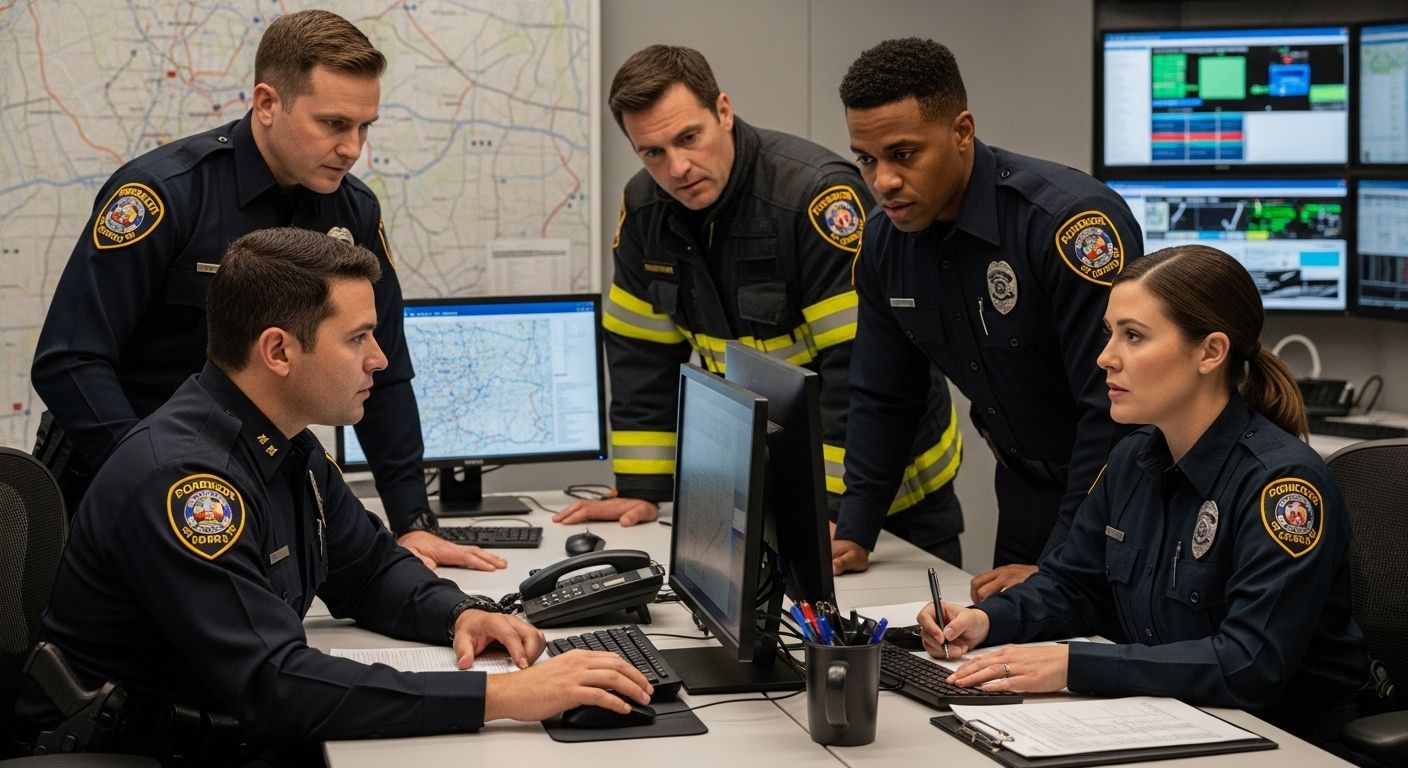
Successful emergency response demands seamless communication and interagency collaboration. First responders utilize advanced communication technologies and predefined protocols to ensure:
- Synchronized multi-agency response
- Real-time information sharing
- Efficient resource allocation
- Coordinated evacuation strategies
- Continuous situational updates
Adaptive Problem Solving
Emergency scenarios are inherently unpredictable, requiring first responders to demonstrate exceptional adaptability. Their training emphasizes flexible decision making, enabling them to:
- Quickly modify response strategies
- Assess changing environmental conditions
- Manage unexpected complications
- Protect vulnerable populations
- Maintain operational effectiveness under extreme pressure
Learn more about our comprehensive emergency response guide to understand the complex mechanisms behind effective crisis management.
Key Concepts of First Responder Roles and Their Responsibilities
First responder roles encompass a complex system of emergency management defined by precise professional standards and critical public safety protocols. According to emergency management guidelines, these professionals operate within a structured framework designed to protect communities during crisis situations.
Foundational Professional Standards
The core responsibilities of first responders extend far beyond immediate emergency intervention. Their professional mandate includes comprehensive risk management, systematic threat assessment, and strategic public protection. Key foundational standards involve:
- Maintaining high-level physical and mental readiness
- Continuous professional training and skill development
- Adherence to strict ethical and operational protocols
- Commitment to public safety above personal risk
- Maintaining advanced technical and medical competencies
Critical Response Domains
First responders function across multiple interconnected response domains, each requiring specialized knowledge and rapid decision making. These critical domains encompass:
- Emergency medical intervention
- Disaster risk mitigation
- Public safety management
- Incident scene control
- Complex communication coordination
Professional Accountability and Performance
Professional first responders are held to rigorous performance standards that demand exceptional situational awareness, technical proficiency, and psychological resilience. Their responsibilities require them to:
- Execute precise emergency protocols
- Make rapid, life-saving decisions
- Manage high-stress environments
- Protect vulnerable populations
- Document and report critical incident details
Discover more about emergency response protocols and professional standards to understand the depth of their critical community service.
Turn Understanding Into Action: Support When Every Second Counts
Learning about first responder roles in emergencies highlights a tough reality. When disaster strikes, the chaos and uncertainty can leave families struggling to find shelter, clear guidance, and steady support. The article explains how first responders work under pressure to protect lives and restore order, but even with their expertise, disaster victims often face overwhelming challenges such as urgent housing needs and complicated recovery logistics.
At Disaster Victim Services, we bridge that gap by working hand-in-hand with first responders, insurance partners, and government agencies. We know what it takes to navigate this critical time. If you or someone you know has been impacted, find out how our emergency housing assistance and 24/7 recovery support can help you transition from crisis to stability. Do not wait for the next emergency to find out what resources are available. Take the next step now by visiting our main site or explore our latest solutions to get help today.
Frequently Asked Questions
What are the main roles of first responders in emergency situations?
First responders primarily include police officers, firefighters, and paramedics or EMTs. They are responsible for providing immediate public safety, rescue operations, medical care, and emergency management coordination.
How do first responders prepare for emergency situations?
First responders undergo extensive training that includes physical conditioning, technical skill development, psychological resilience training, and ongoing education in emergency management techniques to ensure they can act effectively under pressure.
Why is effective communication important for first responders during emergencies?
Effective communication allows first responders to coordinate actions, share real-time information, allocate resources efficiently, and ensure that everyone involved is aware of the evolving situation, leading to quicker and more effective emergency management.
How do first responders support community resilience after emergencies?
Beyond their immediate response, first responders assist communities in rebuilding by providing psychological support, facilitating communication with support services, documenting incidents for future prevention strategies, and offering critical information during ongoing recovery efforts.