
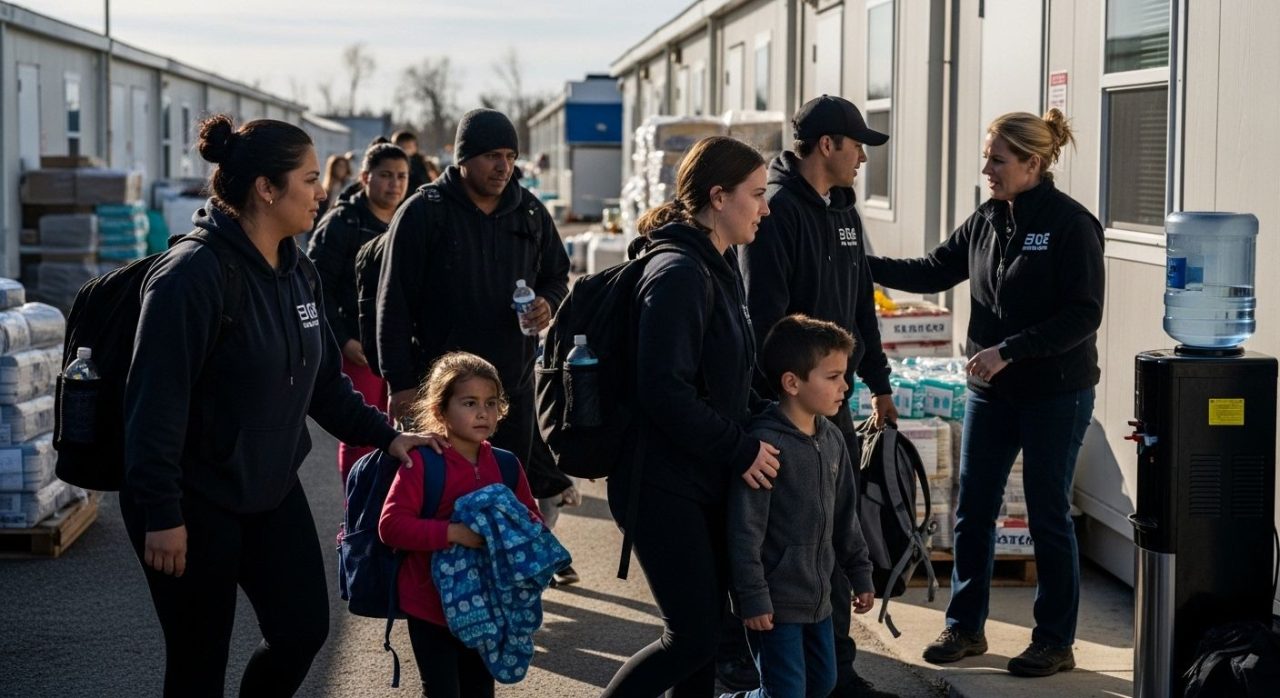
Temporary relocation is changing lives in the wake of disasters. Every year, more than 25 million people worldwide are forced from their homes due to natural emergencies. Most see this as just moving people out of harm’s way. What most miss is how this process is now built around human dignity, instant support, and high-tech solutions that work together to protect entire communities—not just their addresses.
Table of Contents
- What Is Temporary Relocation And Why Is It Important?
- The Role Of Various Stakeholders In Temporary Relocation
- Key Concepts Of Temporary Relocation: Rights, Resources, And Responsibilities
- How Temporary Relocation Processes Evolve After Disasters
- The Future Of Temporary Relocation: Trends And Challenges For 2025
Quick Summary
| Takeaway | Explanation |
|---|---|
| Temporary relocation prioritizes safety and stability. | It aims to move individuals from dangerous environments to secure, short-term housing quickly during emergencies. |
| Collaborative efforts are vital for effective relocation. | Multiple stakeholders, including government and nonprofits, work together to provide comprehensive support to displaced individuals. |
| Displaced individuals have fundamental rights during crises. | Rights include access to safe housing, family unity, and protection from discrimination, ensuring dignity in temporary relocation. |
| Technology enhances relocation processes significantly. | Innovations like real-time communication and data-driven resource allocation improve support for displaced populations during emergencies. |
| Future strategies must address climate change impacts. | Proactive approaches become necessary to anticipate and plan for displacement driven by environmental challenges, ensuring community resilience. |
What is Temporary Relocation and Why is it Important?
Temporary relocation is a critical emergency response strategy where individuals and families are moved from unsafe or uninhabitable environments to secure, short-term housing during periods of crisis. This process becomes essential when natural disasters, environmental hazards, or unexpected emergencies compromise living conditions and personal safety.
Understanding the Core Concept
Temporary relocation goes beyond simple displacement. It represents a structured approach to protecting human lives and maintaining community resilience during challenging circumstances. The primary goal is to provide immediate shelter and stability for those suddenly without a safe home environment. Learn more about our emergency housing solutions.
Key characteristics of temporary relocation include:
- Short-term housing solutions designed for rapid deployment
- Prioritization of safety and basic human needs
- Coordination between multiple agencies and support systems
- Psychological and logistical support for displaced individuals
Critical Importance in Emergency Management
According to FEMA’s Disaster Response Guidelines, temporary relocation serves multiple crucial functions in emergency management. It provides immediate protection, prevents further harm, and creates a structured pathway for recovery. By swiftly moving people from dangerous zones, emergency responders can mitigate potential health risks, ensure personal safety, and begin the process of comprehensive disaster recovery.
Moreover, temporary relocation is not just about physical movement. It represents a holistic approach to crisis management that addresses immediate survival needs while preparing for long-term restoration. The process involves complex coordination between government agencies, insurance providers, relief organizations, and local support networks to ensure seamless transitions and comprehensive care for displaced populations.
The Role of Various Stakeholders in Temporary Relocation
Temporary relocation demands a collaborative and multi-agency approach to effectively manage crisis response and support displaced populations. Each stakeholder brings unique capabilities, resources, and expertise to ensure comprehensive assistance during challenging times.
To clarify the unique contributions of each group, here is a comparison of the primary stakeholders involved in temporary relocation and their key responsibilities:
| Stakeholder | Key Responsibilities |
|---|---|
| Government & Emergency Agencies | Establish emergency protocols, coordinate large-scale response, allocate resources, assess damage |
| Nonprofit Organizations & Community Support | Offer humanitarian aid, distribute resources, provide emotional support, bridge communication |
| Insurance Providers & Financial Systems | Process emergency claims, provide temporary housing coverage, support long-term recovery |
Government and Emergency Management Agencies
Government entities play a pivotal role in coordinating large-scale emergency responses. Our comprehensive guide offers insights into disaster relief coordination. Federal and state agencies like FEMA are responsible for:
- Establishing emergency protocols and response frameworks
- Providing financial assistance and resource allocation
- Conducting damage assessments and risk evaluations
- Facilitating inter-agency communication and support
Nonprofit Organizations and Community Support Networks
Nonprofit organizations and local community groups are critical in providing direct, personalized support to displaced individuals. According to Social Change Research, these stakeholders contribute by:
- Offering immediate humanitarian aid
- Coordinating local support and resource distribution
- Providing psychological and emotional support services
- Bridging communication between affected populations and official agencies
Insurance Providers and Financial Support Systems
Insurance companies and financial institutions play a crucial role in the temporary relocation process by managing claims, providing financial assistance, and helping individuals recover from disaster-related losses. Their responsibilities include processing emergency claims, offering temporary housing coverage, and supporting long-term recovery strategies. These financial stakeholders work closely with government agencies and relief organizations to ensure comprehensive support for displaced populations, helping them navigate the complex financial challenges associated with unexpected relocation.
Key Concepts of Temporary Relocation: Rights, Resources, and Responsibilities
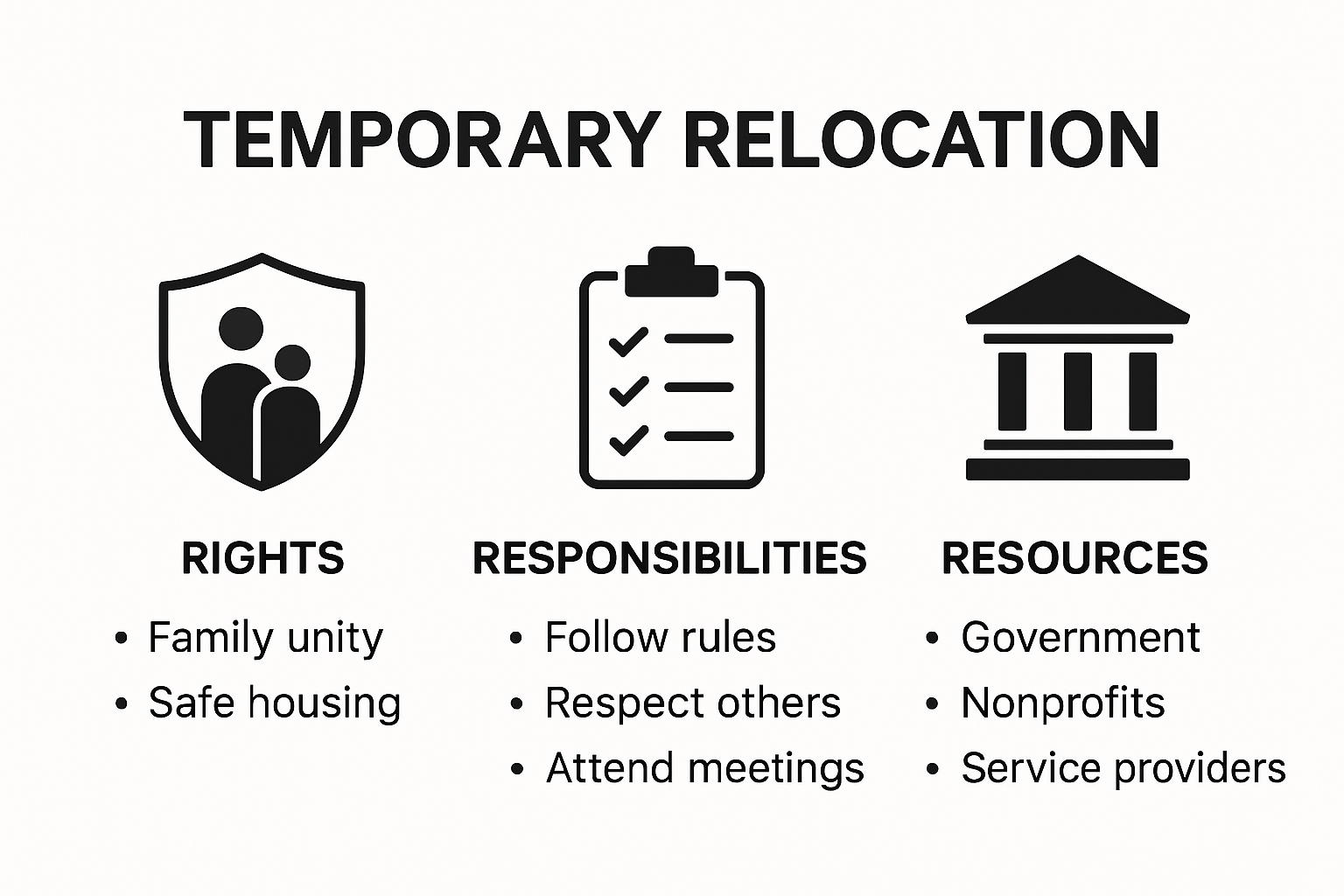
Temporary relocation involves complex legal, ethical, and practical considerations that define how displaced individuals are supported during emergency situations. Understanding these fundamental concepts is crucial for ensuring dignified and effective crisis response.
Individual Rights and Protections
Human rights form the cornerstone of temporary relocation protocols. Learn more about displacement support frameworks. Displaced individuals are entitled to fundamental protections that safeguard their basic needs, personal dignity, and long-term recovery. These rights encompass:
Below is a summary of critical individual rights during temporary relocation to help you understand what protections are afforded to displaced persons:
| Right or Protection | Explanation |
|---|---|
| Safe and sanitary temporary housing | Guaranteed access to safe, clean shelter |
| Preservation of family unity | Ensures families stay together during relocation |
| Protection from discrimination | Prohibits discrimination based on personal characteristics |
| Personal privacy and security | Privacy and security of personal information and belongings maintained |
| Continuation of essential services | Access to healthcare, education, and support services persists |
- Access to safe and sanitary temporary housing
- Preservation of family unity
- Protection from discrimination
- Maintenance of personal privacy and security
- Continuation of essential services and support
Resource Allocation and Support Mechanisms
According to Community Resilience Research, effective resource allocation requires a strategic and equitable approach. Critical resources must be distributed transparently, considering the unique vulnerabilities of different population groups. Key resource management principles include:
- Needs-based assessment and prioritization
- Culturally sensitive support delivery
- Transparent communication about available resources
- Flexible assistance frameworks
Stakeholder Responsibilities and Accountability
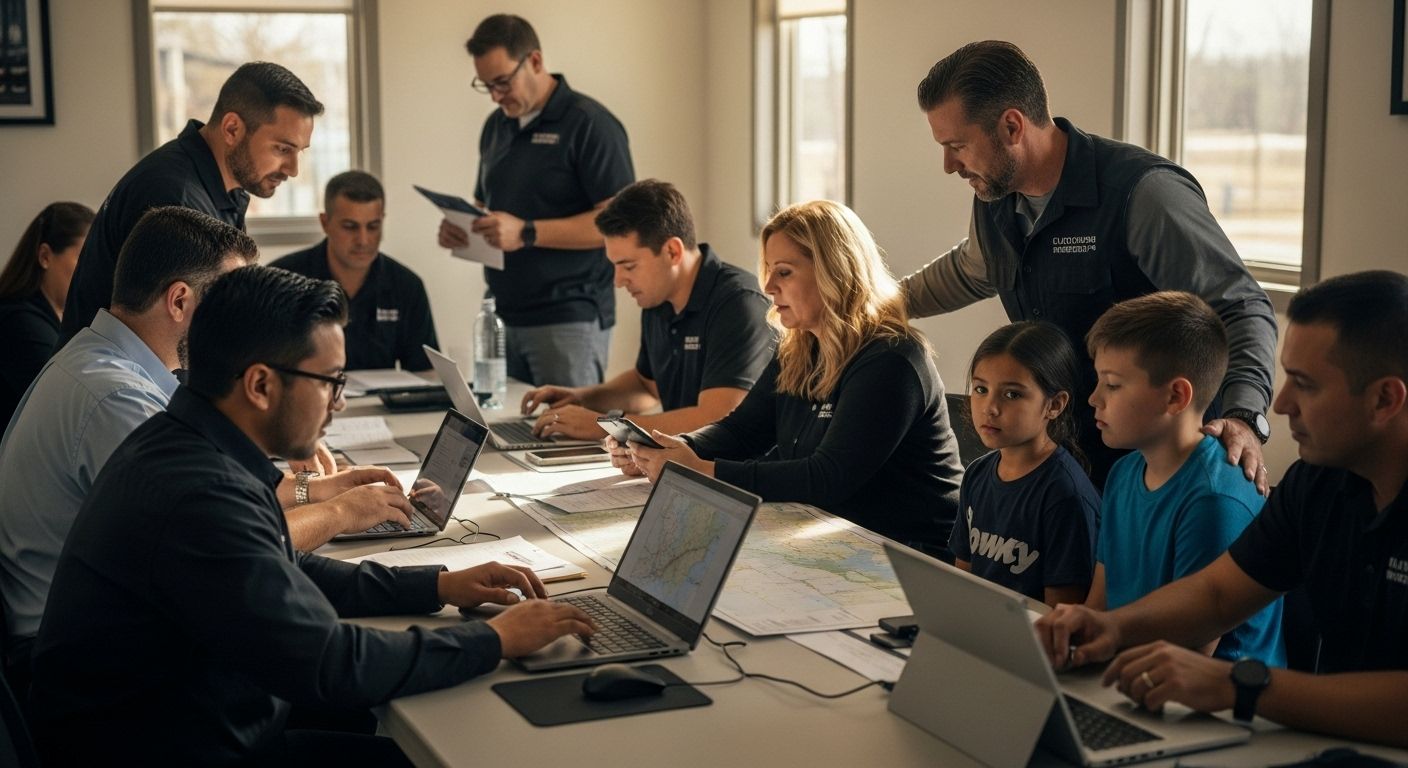
Temporary relocation demands clear accountability from all involved agencies and organizations. Each stakeholder bears specific responsibilities to ensure comprehensive and compassionate support. This includes government agencies establishing clear protocols, nonprofits providing direct assistance, and community networks facilitating local support. The ultimate goal is creating a responsive, integrated system that prioritizes human dignity and effective crisis management, ultimately helping displaced populations transition smoothly and rebuild their lives with resilience and hope.
How Temporary Relocation Processes Evolve After Disasters
Temporary relocation is a dynamic process that continuously adapts and improves based on lessons learned from previous disaster response experiences. These evolutionary changes reflect emerging technological capabilities, shifting environmental challenges, and enhanced understanding of human needs during crisis situations.
Technological and Logistical Advancements
Our comprehensive disaster response guide explores these critical transformations. Technological innovations are dramatically reshaping temporary relocation strategies, enabling more efficient and responsive support systems. Key technological developments include:
- Advanced geospatial mapping for rapid vulnerability assessment
- Real-time communication platforms for displaced populations
- Data-driven resource allocation algorithms
- Enhanced tracking systems for individual and family support
Adaptive Policy and Coordination Frameworks
According to Government Accountability Office Research, post-disaster temporary relocation efforts have significantly evolved to prioritize flexibility, interagency collaboration, and equitable resource distribution. Modern approaches emphasize:
- Integrated multi-agency response protocols
- Customized support strategies for diverse population needs
- Rapid deployment of scalable housing solutions
- Streamlined bureaucratic processes for faster assistance
Psychological and Community Resilience Strategies
Contemporary temporary relocation processes recognize that effective crisis response extends beyond physical displacement. The emerging paradigm focuses on holistic support that addresses psychological trauma, maintains community connections, and facilitates long-term recovery. This approach transforms temporary relocation from a purely logistical challenge into a comprehensive human-centered intervention, ensuring that displaced individuals receive not just shelter, but genuine pathways to rebuilding their lives with dignity and hope.
The Future of Temporary Relocation: Trends and Challenges for 2025
Temporary relocation is entering a transformative era, driven by complex environmental, technological, and social dynamics that are rapidly reshaping emergency response strategies. The landscape of displacement is becoming increasingly sophisticated, demanding innovative approaches to support vulnerable populations.
Climate Change and Proactive Relocation Strategies
Explore our insights on emerging displacement trends. Climate change is fundamentally altering the temporary relocation paradigm, requiring more anticipatory and strategic approaches. Critical emerging trends include:
- Predictive modeling for high-risk geographical zones
- Community-driven relocation planning
- Integrated environmental risk assessment
- Long-term resilience infrastructure development
Technological Innovation in Displacement Support
According to National Academies of Sciences Research, technological advancements are revolutionizing temporary relocation processes. Emerging technologies are creating more responsive, personalized support systems that prioritize human dignity and efficient resource allocation:
- Artificial intelligence for rapid needs assessment
- Blockchain technologies for transparent resource tracking
- Advanced communication platforms for displaced communities
- Machine learning algorithms for predictive support modeling
Ethical Considerations and Human-Centered Design
The future of temporary relocation transcends logistical challenges, focusing on comprehensive human experience and long-term community resilience. This approach recognizes displacement as more than a temporary inconvenience, but a profound human journey that requires compassionate, holistic support. The goal is developing flexible, dignified relocation strategies that preserve community bonds, individual agency, and psychological well-being while navigating increasingly complex environmental and social challenges.
Ready for Safe, Rapid Temporary Relocation?
When disaster leaves you facing the challenge of unsafe living conditions, every minute matters. The article highlights the urgent need for fast, compassionate temporary relocation and shows how critical it is to bridge the gap between crisis and recovery. If you are searching for immediate support, expert navigation of insurance claims, or a seamless connection to emergency housing, you are not alone. Victims often feel overwhelmed by logistical hurdles and the pressure of securing secure short-term housing.
Let our experience guide you through this stressful time. Navigate our extensive resources in the Uncategorized – Helping You Recover After Disaster category to see stories, tips, and solutions. Then reach out directly at Disaster Victim Services for 24/7 assistance. Take control of your recovery by connecting with a team that understands your needs and moves quickly to protect your loved ones. Don’t wait—start your path to safety and recovery today.
Frequently Asked Questions
What is temporary relocation?
Temporary relocation is an emergency response strategy where individuals and families are moved from unsafe environments to secure, short-term housing during crises such as natural disasters or emergencies.
Why is temporary relocation important in emergency management?
Temporary relocation is crucial as it provides immediate protection, mitigates health risks, and facilitates a structured pathway for recovery while ensuring the safety of displaced populations.
What role do government agencies play in temporary relocation?
Government agencies coordinate emergency responses, establish protocols, provide financial assistance, conduct damage assessments, and facilitate communication between various stakeholders during temporary relocations.
How do technological advancements impact temporary relocation strategies?
Technological advancements enhance temporary relocation processes by enabling rapid vulnerability assessments, real-time communication, data-driven resource allocation, and improved tracking of assistance for displaced individuals.
Recommended
- How to Handle Relocations in 2025: A Guide for Disaster Relief Teams – Disaster Victim Services | Helping You Recover After Disaster
- Displacement Trends 2025: What Families and Responders Need to Know – Disaster Victim Services | Helping You Recover After Disaster
- How to handle relocations – Disaster Victim Services | Helping You Recover After Disaster
- Rehousing Process Steps: A Complete Guide for 2025 – Disaster Victim Services | Helping You Recover After Disaster