
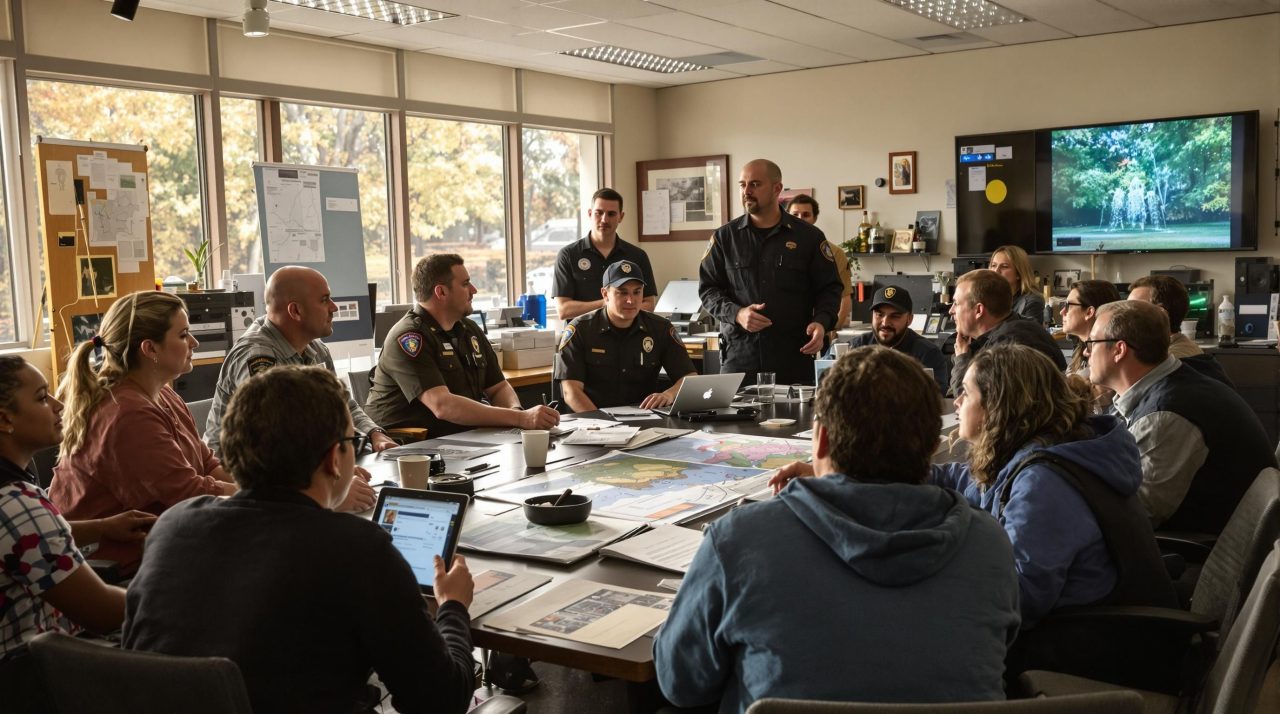
Disaster response teams are under more pressure than ever to prepare for the unexpected as climate events and infrastructure challenges grow. More than 80 percent of emergency managers say risk assessment is their top priority for 2025. Surprising, but high-tech tools and massive data sets are not the real secret to effective disaster planning. The true game changer is actually collaboration across entire communities and organizations. Get ready to rethink everything you know about disaster risk—resilience starts with people working together.
Table of Contents
- Understanding The Risk Assessment Process
- Five Key Risk Assessment Steps Explained
- Critical Tips For Different Stakeholders
- Common Challenges And How To Overcome Them
Quick Summary
| Takeaway | Explanation |
|---|---|
| Identify hazards and vulnerabilities early. | Conduct thorough assessments of geographical, infrastructural, and demographic factors to determine potential disaster risks. |
| Prioritize risks based on impact and likelihood. | Use risk matrices to categorize risks, allowing for the strategic allocation of resources and focused mitigation efforts. |
| Develop adaptive mitigation strategies. | Create flexible response plans through collaboration among government, businesses, and community organizations to ensure effective disaster management. |
| Engage diverse stakeholders effectively. | Tailor strategies for different groups, recognizing their unique roles in building collective resilience against disasters. |
| Address data and resource challenges. | Implement advanced data integration and encourage public-private partnerships to enhance risk assessment capabilities and resource allocation. |
Understanding the Risk Assessment Process
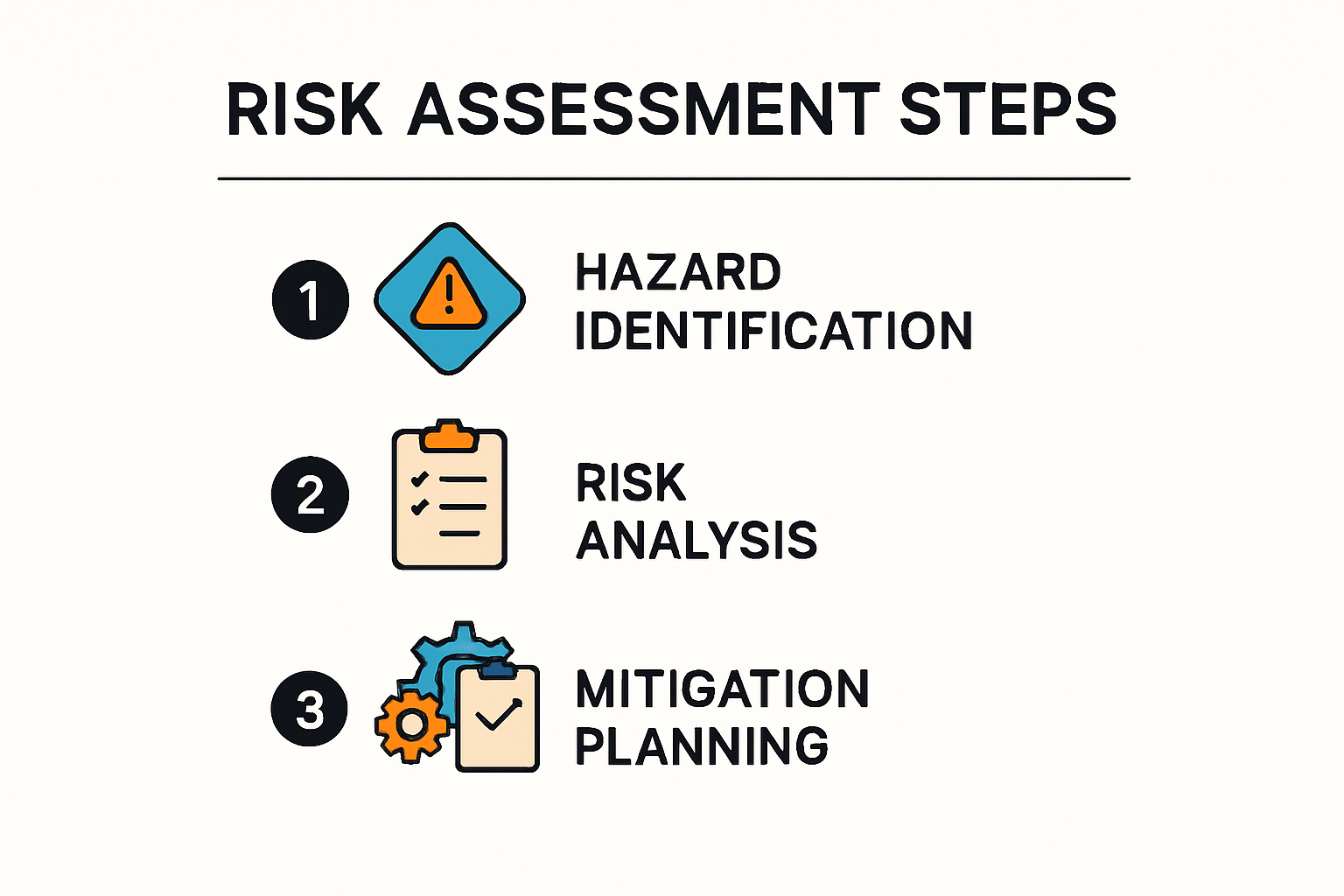
Disaster response requires a systematic approach to identify, evaluate, and mitigate potential risks before they escalate into critical emergencies. The risk assessment process serves as a foundational strategy for emergency management professionals and community leaders to develop proactive and resilient response plans.
Identifying Potential Hazards and Vulnerabilities
The first critical step in risk assessment involves comprehensive hazard identification. According to the Institute for Hazard Mitigation Planning and Research at the University of Washington, this process requires analyzing multiple community assets including people, economic infrastructure, built environments, and natural ecosystems. Emergency responders must systematically map potential risks by examining geographical, environmental, and societal factors that could trigger disasters.
Key considerations during this phase include:
- Geographic Location: Evaluating regional susceptibility to natural disasters such as floods, earthquakes, hurricanes, or wildfires.
- Infrastructure Vulnerabilities: Assessing critical infrastructure resilience including power grids, communication networks, transportation systems, and healthcare facilities.
- Population Demographics: Understanding community characteristics that might impact disaster response capabilities, such as population density, age distribution, and socioeconomic factors.
Risk Evaluation and Prioritization
After identifying potential hazards, emergency management teams must quantify and prioritize risks based on their potential impact and probability of occurrence. This involves developing risk matrices that help allocate resources strategically and develop targeted mitigation strategies.
Risk prioritization typically considers multiple dimensions:
- Potential Impact Severity: Estimating potential human, economic, and infrastructural damage.
- Likelihood of Occurrence: Analyzing historical data and predictive models to determine the probability of specific disaster scenarios.
- Mitigation Complexity: Evaluating the feasibility and cost of implementing preventative measures.
Developing Comprehensive Mitigation Strategies
The final stage of risk assessment transforms identified vulnerabilities into actionable prevention and response plans. This requires collaborative efforts between government agencies, emergency services, community organizations, and local stakeholders. Effective mitigation strategies should be adaptive, scalable, and continuously refined based on emerging data and evolving environmental conditions.
Strategic mitigation approaches include:
- Implementing early warning systems
- Conducting regular emergency preparedness training
- Investing in resilient infrastructure
- Establishing clear communication protocols
- Creating flexible resource allocation mechanisms
By systematically understanding potential risks, communities can transform vulnerability into resilience, ensuring more effective and coordinated disaster response efforts. The risk assessment process is not a one time event but a continuous cycle of evaluation, adaptation, and improvement.
Below is a table summarizing the key steps of the risk assessment process as described above. This table provides a concise overview of each step and its main objectives.
| Step | Description | Main Objective |
|---|---|---|
| Hazard Identification | Analyze hazards, vulnerabilities in people, assets, infrastructure, and environment | Map risks and understand exposure |
| Risk Evaluation & Prioritization | Assess impact severity, likelihood, mitigation complexity | Prioritize risks for strategic response and resource use |
| Mitigation Strategy Development | Collaborate to design adaptive, scalable plans and response protocols | Implement actions to reduce risk and ensure resilience |
Five Key Risk Assessment Steps Explained
Effective disaster response hinges on a structured and methodical approach to risk assessment. The U.S. Army Corps of Engineers provides a comprehensive framework that emergency management professionals can leverage to systematically identify, evaluate, and mitigate potential risks.
Hazard Identification and Initial Assessment
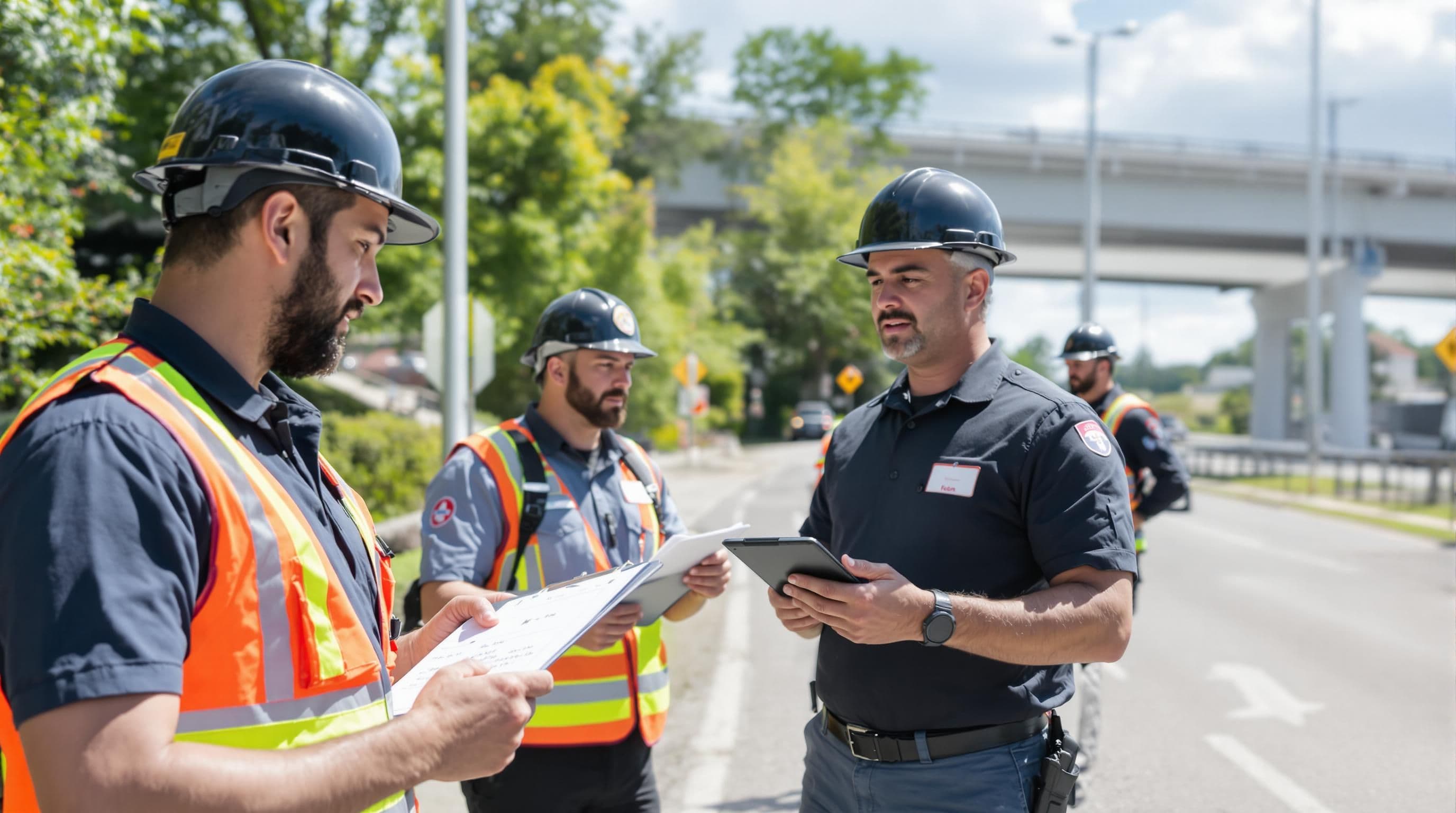
The first critical step involves a comprehensive scan of potential threats. Emergency response teams must conduct thorough investigations that go beyond surface level observations. This means examining historical data, current environmental conditions, and emerging patterns that might signal potential disaster scenarios.
Key elements of this initial assessment include:
- Environmental Scanning: Analyzing geographic, climatic, and geological factors that could trigger disasters.
- Historical Data Review: Examining past incident records to understand recurring risk patterns.
- Technological and Infrastructural Vulnerabilities: Identifying potential weaknesses in critical systems that could amplify disaster impacts.
Consequence and Likelihood Evaluation
Once potential hazards are identified, risk assessment professionals must quantify two critical dimensions: potential consequences and probability of occurrence. This step transforms abstract risks into measurable scenarios that can be strategically addressed.
Consequence evaluation involves:
- Impact Magnitude: Calculating potential human, economic, and environmental damage.
- Cascading Effect Analysis: Understanding how one disaster scenario might trigger multiple secondary risks.
- Resource Vulnerability: Assessing how existing infrastructure and support systems might be compromised.
Comprehensive Risk Characterization and Communication
The final stages of risk assessment focus on synthesizing gathered information into actionable intelligence. This involves creating detailed risk profiles that not only identify potential threats but also provide clear guidance for mitigation and response strategies.
Risk characterization encompasses:
- Developing precise risk probability models
- Creating visual risk mapping tools
- Establishing clear communication protocols for stakeholders
- Designing adaptive response strategies
By following these systematic risk assessment steps, emergency management teams can transform potential vulnerabilities into structured preparedness. The goal is not just to predict disasters but to build resilient systems that can effectively respond and recover when challenges emerge.
Risk assessment is a dynamic process. It requires continuous monitoring, updating, and refinement as new information becomes available. Successful disaster response depends on this ongoing commitment to understanding and mitigating potential threats.
The table below summarizes the five key risk assessment steps referenced throughout this section, giving a clear breakdown of each phase and its focus.
| Step | Focus Areas |
|---|---|
| Hazard Identification & Initial Assessment | Scan threats via data, environment, and system vulnerabilities |
| Consequence and Likelihood Evaluation | Evaluate potential impact, cascading effects, and resource risks |
| Risk Characterization & Communication | Profile risks, create tools, establish protocols, design responses |
Critical Tips for Different Stakeholders
Effective disaster risk assessment requires tailored strategies for different organizational stakeholders. Each group plays a unique role in creating comprehensive and resilient emergency response systems. The United Nations Office for Disaster Risk Reduction emphasizes the importance of inclusive, evidence-based approaches that engage multiple perspectives.
Government and Emergency Management Agencies
Government entities serve as primary coordinators in disaster risk assessment. Their responsibilities extend beyond data collection to developing integrated response frameworks that protect communities and critical infrastructure.
Key strategic recommendations include:
- Comprehensive Data Integration: Develop centralized risk databases that combine historical records, environmental monitoring, and predictive modeling.
- Cross-Agency Collaboration: Establish clear communication protocols between local, state, and federal emergency response organizations.
- Regular Training and Simulation: Conduct frequent scenario-based exercises to test and refine emergency response capabilities.
Private Sector and Infrastructure Providers
Businesses and infrastructure organizations must view risk assessment as a critical investment in operational continuity. Their risk management strategies should focus on identifying vulnerabilities that could disrupt service delivery and economic stability.
Critical considerations for private sector stakeholders:
- Infrastructure Resilience Assessment: Conduct thorough evaluations of critical systems including power grids, communication networks, and transportation infrastructure.
- Business Continuity Planning: Develop flexible response strategies that minimize operational disruptions during potential disaster scenarios.
Community and Nonprofit Organizations
Community-level stakeholders play a crucial role in translating risk assessment strategies into practical, localized response mechanisms. Their intimate knowledge of local dynamics provides essential context for broader emergency management approaches.
Effective community engagement strategies include:
- Local Knowledge Integration: Incorporate community perspectives and traditional knowledge into risk assessment frameworks.
- Vulnerable Population Support: Develop targeted support strategies for demographic groups with unique disaster response needs.
- Education and Awareness: Create accessible resources that help community members understand and prepare for potential risks.
Successful risk assessment is not about creating fear but building collective resilience. By recognizing the unique contributions of different stakeholders, communities can develop more adaptive and responsive emergency management systems.
The most effective disaster response strategies emerge from collaborative approaches that value diverse perspectives and prioritize proactive preparation. Each stakeholder brings unique insights that, when integrated thoughtfully, create a more robust and comprehensive approach to managing potential risks.
Common Challenges and How To Overcome Them
Disaster risk assessment is a complex process fraught with significant challenges that can compromise emergency response effectiveness. Research from the National Institutes of Health highlights the critical need for proactive strategies to address systemic obstacles in disaster management planning.
Information and Data Limitations
One of the most prevalent challenges in risk assessment involves managing and interpreting complex data streams. Emergency management teams frequently encounter obstacles related to incomplete, inconsistent, or outdated information. According to the U.S. Government Accountability Office, fragmented planning and limited technological integration can severely impair risk prediction capabilities.
Strategies to overcome data challenges include:
- Advanced Data Integration: Implementing interoperable technological systems that can aggregate information from multiple sources.
- Real Time Monitoring: Developing advanced sensor networks and digital platforms for continuous risk tracking.
- Predictive Analytics: Utilizing machine learning algorithms to identify potential risk patterns and emerging threats.
Stakeholder Coordination and Communication
Effective disaster risk assessment requires seamless collaboration across multiple organizations and sectors. Miscommunication and siloed approaches can create significant vulnerabilities in emergency response frameworks.
Key strategies for improving stakeholder coordination include:
- Standardized Communication Protocols: Establishing clear, uniform communication guidelines across different agencies.
- Regular Interdisciplinary Training: Conducting joint simulation exercises that promote understanding between different response teams.
- Transparent Information Sharing: Creating platforms that enable real time data exchange and collaborative decision making.
Resource Constraints and Technological Limitations
Many organizations struggle with limited budgets and outdated technological infrastructure. These constraints can significantly impede comprehensive risk assessment efforts.
Potential solutions to resource challenges involve:
- Strategic Resource Allocation: Prioritizing investments in critical technological and human resource capabilities.
- Public Private Partnerships: Developing collaborative funding models that leverage expertise from multiple sectors.
- Scalable Technology Adoption: Implementing flexible technological solutions that can adapt to changing risk landscapes.
Overcoming these challenges requires a holistic, adaptive approach that recognizes the dynamic nature of disaster risks. Successful risk assessment is not about achieving perfect prediction but developing robust, flexible systems that can rapidly respond to emerging threats.
Emergency management professionals must continuously evolve their strategies, embracing technological innovations and collaborative approaches that transform potential vulnerabilities into opportunities for resilience and proactive response.
Frequently Asked Questions
What are the steps in the risk assessment process for disaster response?
The risk assessment process typically includes identifying potential hazards, evaluating risks based on impact and likelihood, and developing comprehensive mitigation strategies to address identified vulnerabilities.
Why is collaboration important in disaster risk assessment?
Collaboration among community members, organizations, and agencies is crucial for comprehensive risk assessment as it enhances data sharing, improves resource allocation, and leads to more effective disaster response strategies.
How can stakeholders improve disaster preparedness?
Stakeholders can improve disaster preparedness by engaging in regular training simulations, developing clear communication protocols, and integrating local knowledge to create tailored response plans that meet community needs.
What challenges do emergency management teams face in risk assessment?
Emergency management teams often encounter challenges such as data limitations, poor stakeholder coordination, and resource constraints which can hinder effective risk assessment and response planning.
Take Action on Real Risk Assessment Challenges—Find Support That Transforms Recovery
Building a resilient disaster response plan is not just about data and processes. The article highlights how complex coordination, timely resource allocation, and true collaboration are the real keys to effective risk assessment. Yet, even with the best strategies, individuals and families often face overwhelming uncertainty after a crisis. Missing clear support in moments of transition can jeopardize recovery efforts and leave vulnerable groups without the help they urgently need.
At DisasterVictimServices.com, we step in when disaster strikes. Our team provides rapid emergency housing solutions and logistical support, working directly with insurers, local agencies, and first responders. We bring communities together, offering guidance and compassionate assistance that transforms risk assessment into real-world relief. If your organization, clients, or community members need trusted help to bridge the gap from risk analysis to recovery, start now. Visit DisasterVictimServices.com to see how our specialized support can help you prepare, respond, and rebuild effectively—do not wait until the next emergency to take action.