
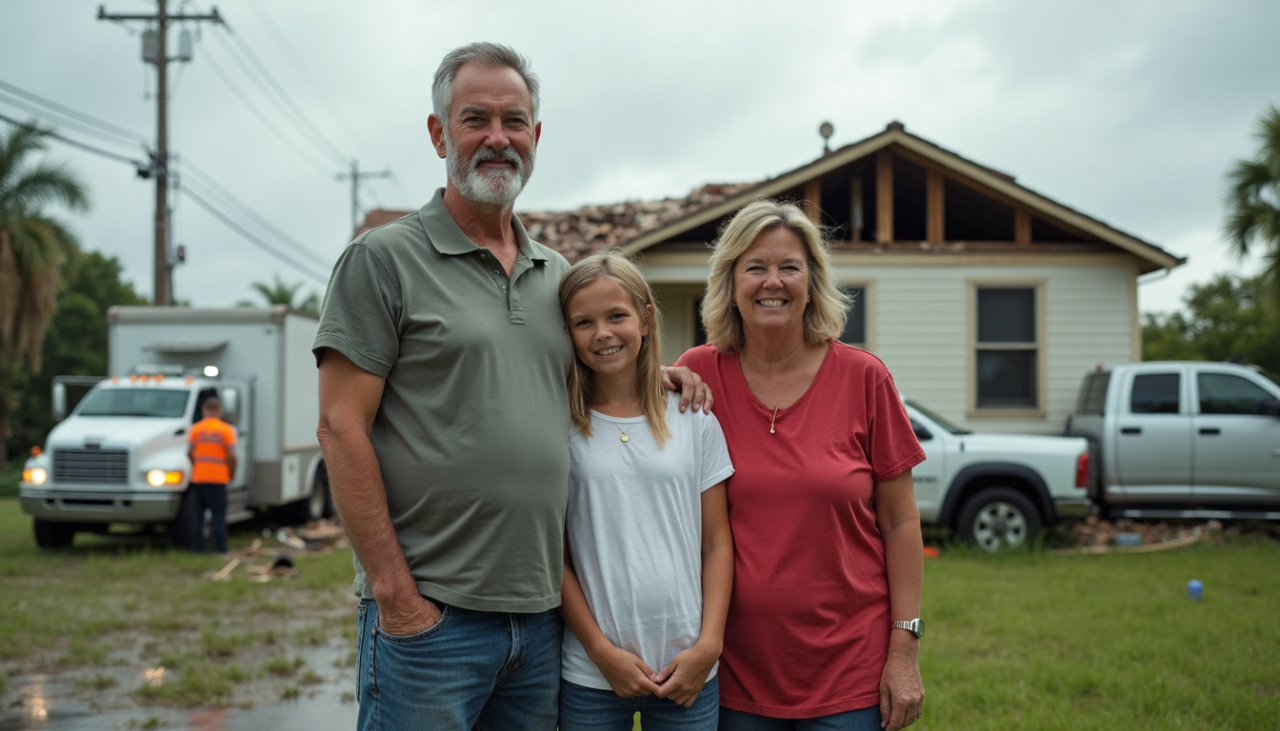
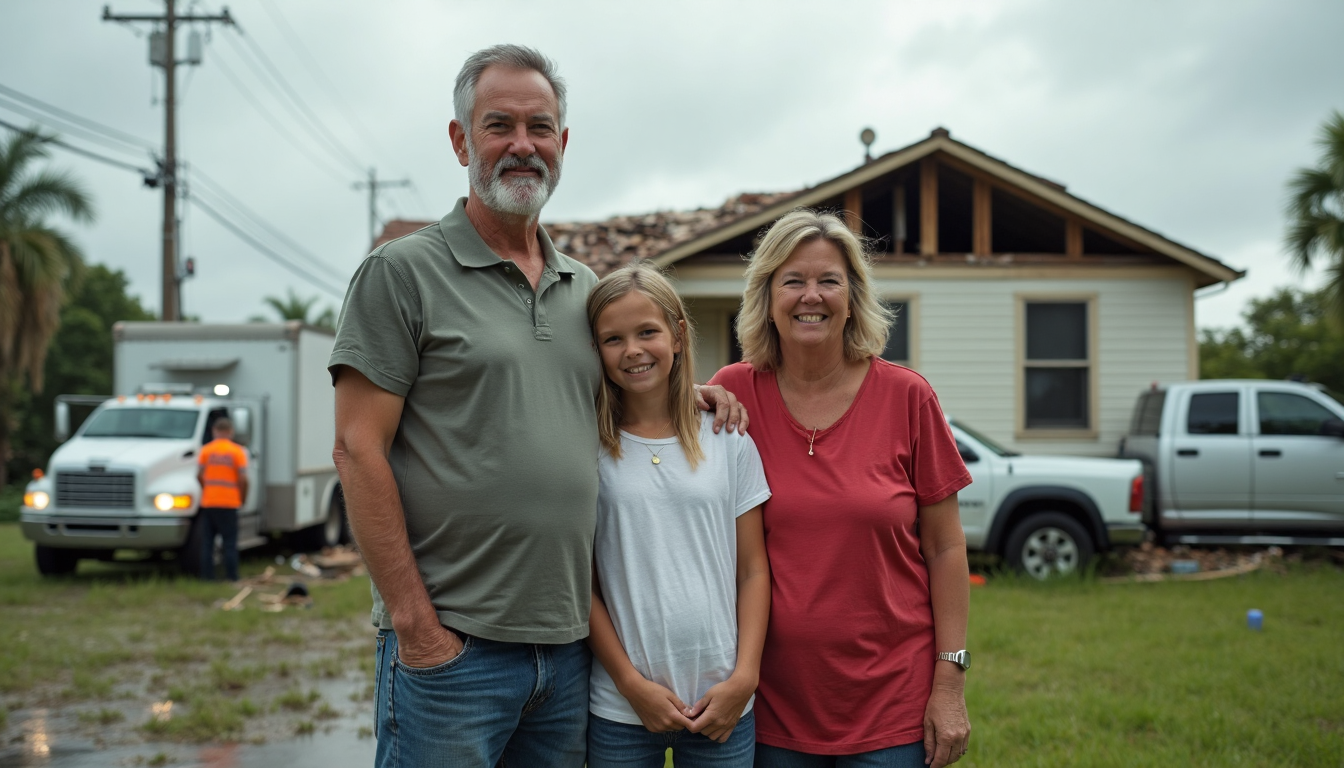
Experiencing damage to your home can disrupt every aspect of life in seconds. You might expect insurance claims and paperwork to be your biggest headache. Think again. Reports show that mold can start growing in as little as 24 hours after water exposure. The real race begins the moment disaster strikes, and missing just one critical step can slow your recovery for months.
Table of Contents
- Ensure Safety And Assess Immediate Risks
- Documenting Home Damage For Claims
- Contacting Insurance And Emergency Services
- Tips For Clean-Up And Recovery Assistance
Quick Summary
| Takeaway | Explanation |
|---|---|
| Prioritize Safety | Ensure personal safety before entering any damaged premises and check for hazards such as structural integrity and electrical risks. |
| Comprehensive Documentation | Use high-resolution photos, videos, and written records to thoroughly document damage for insurance claims and recovery assistance. |
| Immediate Insurance Notification | Notify your insurance provider within 24 hours of damage, and keep detailed records of all communications and interactions. |
| Engage Professional Services | Seek assessments from licensed contractors and restoration experts for reliable evaluations and guidance on recovery needs. |
| Systematic Clean-Up Process | Approach recovery methodically: mitigate further damage, document restoration efforts, and coordinate with professionals for support and expertise. |
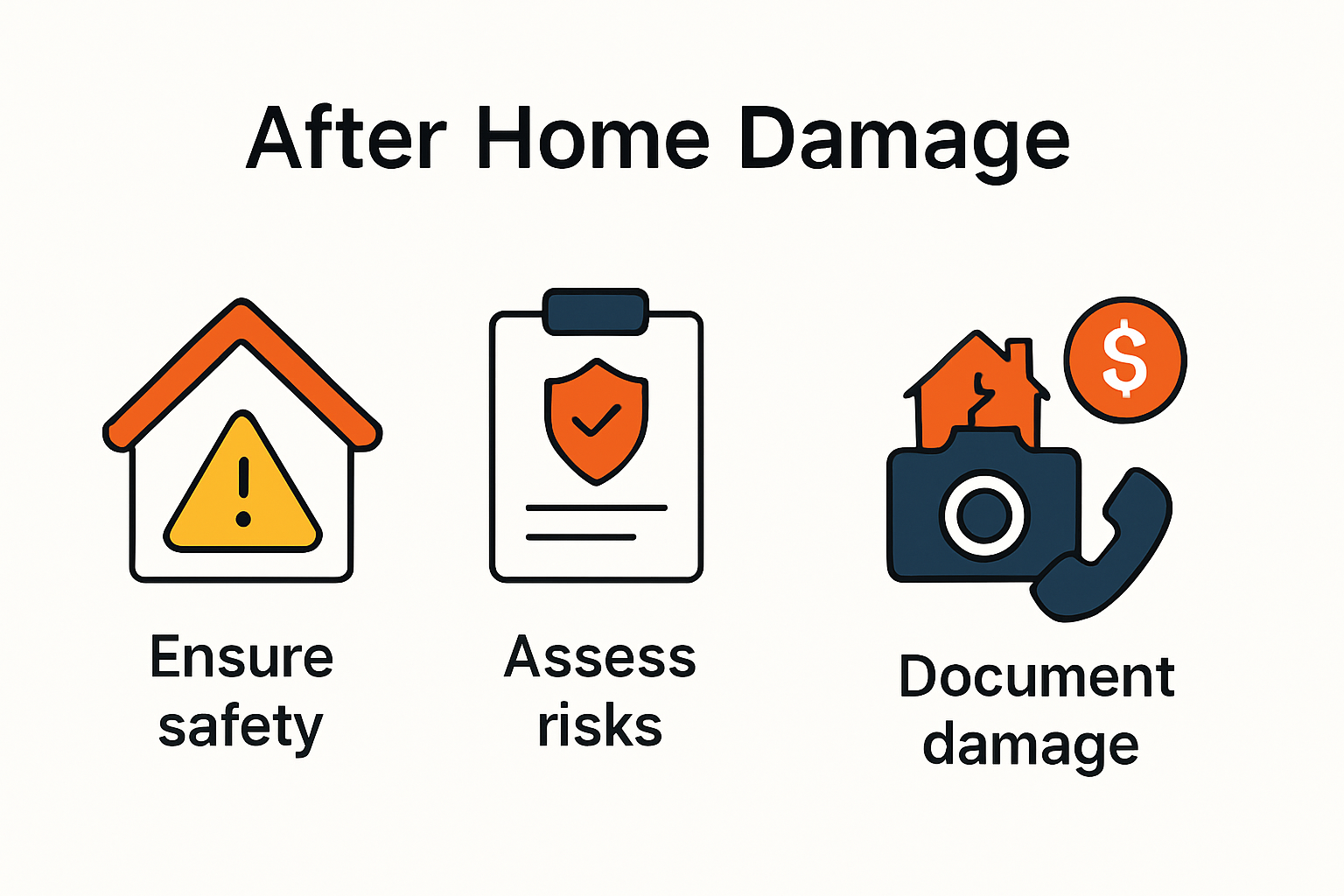
Ensure Safety and Assess Immediate Risks
Home damage transforms an ordinary moment into a critical situation demanding immediate strategic action. Your first priority centers on personal safety and understanding potential risks within the compromised environment.
Personal Safety First
When disaster strikes, panic becomes your worst enemy. Your immediate response must prioritize human life over property. Before re entering any damaged structure, conduct a systematic safety assessment. Check for structural integrity signs such as visible cracks in walls, sagging ceilings, or compromised foundations. These visual indicators suggest potential collapse risks.
Professional emergency responders recommend specific safety protocols. Electrical hazards require special attention. If you notice exposed wires, fallen power lines, or suspect electrical system damage, do not enter the premises. Contact local utility companies immediately and wait for professional verification of electrical safety.
Water damage introduces additional complex risks. Moisture creates perfect breeding grounds for mold and bacterial growth within 24 48 hours. Contaminated water from flooding can carry dangerous pathogens and chemical contaminants. Professional disaster recovery experts recommend wearing protective equipment like waterproof boots, gloves, and respiratory masks when first assessing water damaged areas.
Critical Risk Assessment
Risk assessment goes beyond visual inspection. Multiple potential dangers might not be immediately apparent. Gas leaks represent one of the most critical hidden risks. If you smell natural gas or suspect a leak, evacuate the area immediately and contact emergency services. Do not use electrical devices or create any potential spark sources.
Structural compromise represents another significant risk factor. Homes damaged by natural disasters like hurricanes, earthquakes, or severe storms might have fundamental structural weaknesses. National Institute of Building Sciences recommends professional structural engineers conduct comprehensive assessments before residents attempt reentry.
Emergency Communication and Documentation
Establishing communication channels becomes crucial during post damage scenarios. Notify insurance providers, local authorities, and relevant emergency management agencies about your situation. Document everything systematically. Take comprehensive photographs and videos capturing damage details. These visual records become critical for insurance claims and potential federal disaster assistance applications.
Remember that personal safety transcends material possessions. Your life and health matter more than any property. Professional emergency management guidelines consistently emphasize this principle. Wait for expert confirmation before attempting independent recovery efforts.
Key safety steps after home damage include:
- Immediate Evacuation: Remove yourself and family members from potentially dangerous environments
- Professional Consultation: Contact emergency services and professional damage assessment teams
- Comprehensive Documentation: Record all damage through photographs and written descriptions
- Insurance Notification: Inform your insurance provider about the incident
By following these strategic steps, you transform a potentially chaotic situation into a controlled recovery process. Professional guidance, systematic documentation, and prioritizing personal safety become your most valuable tools in navigating home damage challenges.
Documenting Home Damage for Claims
Accurate and comprehensive documentation serves as the cornerstone of successful insurance claims and potential disaster relief assistance. Your systematic approach to recording damage can significantly impact your recovery process and financial compensation.
Photographic and Video Evidence
Visual documentation represents your most powerful tool in substantiating damage claims. Professional insurance adjusters recommend capturing high resolution images and videos that comprehensively showcase the extent of destruction. Focus on creating a clear visual narrative that demonstrates the progression and scope of damage.

Utilize your smartphone or digital camera to record systematic documentation. Capture wide angle shots showing entire rooms or spaces, then zoom in for detailed images highlighting specific damage points. Ensure proper lighting and include reference points like furniture or measuring tools to provide context and scale. National Insurance Crime Bureau suggests photographing damage from multiple angles and in different lighting conditions to prevent potential disputes.
Video recordings offer additional depth. Walk through each damaged area narrating what you observe. This creates a dynamic record that supplements still photographs. Include timestamp features to establish precise documentation timing. Be methodical. Start with overall room views, then progressively focus on specific damage areas.
Comprehensive Written Documentation
Written records complement visual evidence. Create a detailed damage inventory listing every affected item. Include specific details such as item descriptions, estimated purchase dates, original costs, and current replacement values. Spreadsheet applications can help organize this information systematically.
Professional disaster recovery experts recommend maintaining a chronological log documenting all damage related interactions. Record dates of initial damage discovery, communication with insurance providers, emergency service contacts, and repair estimates. This comprehensive documentation creates a clear accountability trail.
Professional Assessment and Expert Verification
While personal documentation is crucial, professional assessments provide critical validation. Contact licensed contractors and professional damage assessment specialists who can generate official reports. These expert evaluations carry significant weight in insurance claim processes.
Seek assessments from multiple professionals to ensure comprehensive coverage. Structural engineers, water damage specialists, and electrical system experts can provide detailed reports highlighting potential long term implications of observed damage. American Society of Home Inspectors recommends obtaining written reports that include:
- Detailed damage descriptions
- Potential structural compromises
- Recommended repair strategies
- Estimated restoration costs
Additionally, check if you qualify for emergency housing support during the assessment and repair process. Understanding your options can provide critical relief during challenging times.
By approaching documentation systematically and comprehensively, you transform a potentially overwhelming experience into a structured recovery pathway. Your meticulous records become the foundation for successful insurance claims and potential disaster relief assistance. Remember that thorough, objective documentation is your most powerful advocacy tool in navigating post damage recovery.
Contacting Insurance and Emergency Services
Navigating the complex landscape of insurance claims and emergency services requires strategic communication and timely action. Your approach during these critical moments can significantly impact your recovery trajectory and financial support.
Immediate Insurance Notification
Contacting your insurance provider becomes a priority immediately after assessing home damage. Most insurance policies mandate prompt reporting of incidents. Do not delay. Call your insurance company’s claims department within 24 hours of discovering damage. Prepare key information before making the call: policy number, date of incident, preliminary damage assessment, and any immediate mitigation steps you’ve taken.
National Association of Insurance Commissioners recommends documenting every interaction. Record the date, time, name of the representative you spoke with, and key discussion points. Request a claim number and follow up method. Insurance companies often have specific protocols for different types of damage like water, fire, or storm related incidents.
Understand your policy’s specific coverage details. Some policies include additional living expenses if your home becomes uninhabitable. This might cover temporary housing, meal expenses, and other essential living costs during repair periods. Disaster Victim Services can help you navigate these complex housing transition requirements.
Emergency Services Coordination
Emergency services play a crucial role in initial damage assessment and immediate risk mitigation. Contact local emergency management agencies, fire departments, and relevant municipal services. These professionals can provide critical support, safety assessments, and potentially connect you with additional recovery resources.
Professional emergency response teams recommend providing comprehensive information. Describe damage specifics, potential hazards, and any immediate safety concerns. They can dispatch appropriate personnel for electrical, structural, or environmental risk evaluations.
Systematic Follow Up and Documentation
Establishing a systematic follow up process ensures your recovery remains on track. Create a dedicated communication folder documenting all interactions with insurance providers, emergency services, and recovery professionals. This comprehensive record becomes your recovery roadmap.
Track all communication channels:
- Phone call logs
- Email correspondence
- Official reports and assessments
- Claim number references
- Repair estimates
Consider hiring a public insurance adjuster if your claim involves complex damage or significant financial implications. These professionals advocate on your behalf, helping maximize potential claim settlements.
Remember that effective communication transforms a potentially overwhelming situation into a structured recovery process. Your proactive approach, combined with thorough documentation and strategic engagement with insurance and emergency services, creates a solid foundation for comprehensive home restoration.
By understanding your rights, preparing detailed information, and maintaining persistent communication, you position yourself for a more efficient and supportive recovery journey.
Tips for Clean-Up and Recovery Assistance
Home damage recovery requires strategic planning, professional guidance, and systematic clean-up approaches. Understanding the complexities of restoration can transform a potentially overwhelming experience into a manageable recovery process.
Safety First During Clean-Up
Before initiating any clean-up efforts, prioritize personal safety and health protection. Professional disaster recovery experts recommend wearing appropriate personal protective equipment. This includes waterproof gloves, respiratory masks, protective eyewear, and sturdy boots to prevent exposure to potential hazards.
Different damage types require specific clean-up protocols. Water damage demands immediate action to prevent mold growth. Chemical contamination or sewage exposure necessitates professional intervention. Environmental Protection Agency guidelines emphasize the importance of controlling moisture and removing contaminated materials within 24 48 hours to minimize health risks.
Professional Assistance and Resource Coordination
Navigating recovery requires strategic resource coordination. Contact professional restoration companies specializing in specific damage types. Structural damage, water restoration, fire damage recovery each demand unique expertise. Professional assessments help determine the extent of restoration required and prevent potential long term structural complications.
Government and nonprofit organizations offer critical support during recovery. Disaster Victim Services provides comprehensive guidance on accessing emergency aid and support resources. Many communities offer temporary housing, financial assistance, and mental health support for disaster victims.
Documentation and Systematic Restoration
Maintain meticulous records throughout the clean-up process. Document all restoration activities, professional assessments, and expenses. These records become crucial for insurance claims and potential disaster relief applications. Take photographs documenting clean-up progress and any discovered damage during the restoration process.
Key clean-up and recovery steps include:
- Immediate Risk Mitigation: Prevent further damage through temporary protective measures
- Professional Assessment: Obtain expert evaluations of structural and environmental risks
- Systematic Removal: Carefully remove damaged materials following safety guidelines
- Comprehensive Documentation: Record all restoration activities and associated expenses
Recover strategically by understanding that clean-up is more than physical restoration. It involves emotional resilience, professional support, and systematic approach. Each step you take moves you closer to complete home recovery.
Remember that professional guidance can significantly reduce stress and potential long term complications. Approach clean-up as a structured process, leveraging expert resources and maintaining a comprehensive documentation strategy. Your methodical approach transforms a challenging situation into a controlled recovery journey.
Frequently Asked Questions
What are the first steps to take after home damage?
Assess personal safety, check for hazards, and quickly document the damage with photographs and videos. Contact your insurance provider within 24 hours to report the incident.
How can I effectively document damage for insurance claims?
Use high-resolution photos and videos to capture the extent of the damage. Maintain a detailed inventory of affected items, including descriptions and estimated values, and keep a chronological log of all communications related to the damage.
Should I hire professionals after home damage?
Yes, it’s advisable to contact licensed contractors and restoration experts for professional damage assessments. They can provide critical evaluations and guidance necessary for recovery.
How can I prevent mold growth after water damage?
Act within 24 to 48 hours by controlling moisture levels and removing contaminated materials. Wear protective gear during clean-up and seek professional help if you’re dealing with extensive water damage.
Turn Immediate Home Damage Into Your Pathway to Recovery
Struggling with where to begin after your home suffers sudden damage? As highlighted in this guide, missing a single step during those first crucial hours can mean months of setbacks. From critical safety checks to precise documentation and insurance challenges, it is overwhelming and often feels impossible to manage alone. The risk of mold, structural uncertainties, and the relentless paperwork can quickly leave you feeling lost and vulnerable.
Let our experts at DisasterVictimServices.com guide you back to stability. Whether you need knowledgeable support to secure emergency housing, or you are mapping out how to renovate and restore your home, our team moves swiftly to simplify every step—always keeping your safety and comfort top of mind. Do not let uncertainty or delays slow you down. Reach out today for immediate help and get personalized solutions that get your life and home back on track.
Recommended Articles
- Home Safety Tips 2025: Essential Guide for Disaster Recovery – Disaster Victim Services | Helping You Recover After Disaster
- How to Access Aid in 2025: A Guide for Disaster Victims and Responders – Disaster Victim Services | Helping You Recover After Disaster
- Emergency Housing Request: Disaster Victim Services Guide