

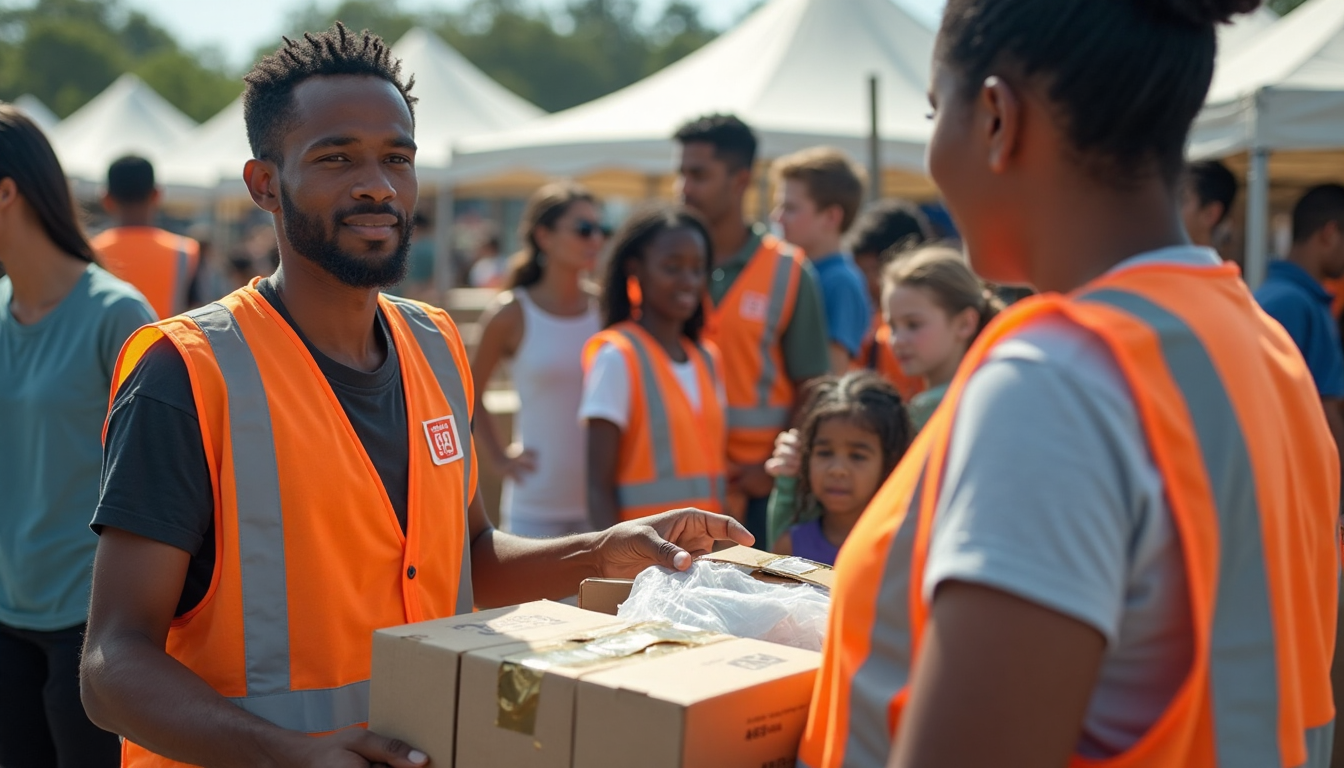
Disaster can strike fast, leaving thousands without homes, power or basic resources in a single day. One detail nobody expects is just how complicated getting help can be. Federal disaster aid is only available to U.S. citizens, non-citizen nationals or qualified aliens after a presidential disaster declaration. Many assume that help shows up automatically, but strict eligibility rules and missing documents shut out people who need it most. Learning the exact steps and requirements before disaster hits could be the real difference between swift support and drawn-out recovery.
Table of Contents
- Understanding Eligibility For Different Types Of Aid
- Step-By-Step Process To Apply For Disaster Assistance
- Coordinating With Agencies And Relief Organizations
- Tips For Maximizing Aid And Avoiding Delays
Quick Summary
| Takeaway | Explanation |
|---|---|
| Understand Eligibility Criteria | Eligibility for federal disaster assistance is crucial; only U.S. citizens, non-citizen nationals, or qualified aliens can receive aid after a presidential disaster declaration. |
| Prepare Comprehensive Documentation | Having thorough and organized documentation, including proof of residence, income, and damage assessments, is vital for streamlining the aid application process. |
| Utilize Multiple Application Channels | Applicants can choose from online, phone, or in-person application methods to submit their disaster assistance requests, each with its own advantages. |
| Maintain Proactive Communication | Regular follow-ups and maintaining records of interactions with aid agencies are essential for ensuring timely assistance and navigating the recovery process efficiently. |
| Be Aware of Specific Requirements for Aid Programs | Each type of disaster assistance program has unique criteria; it’s important to research these to maximize the likelihood of receiving support. |
Understanding Eligibility for Different Types of Aid
Navigating aid eligibility during a disaster requires understanding complex requirements that vary across different assistance programs. Not all aid is created equal, and knowing your specific eligibility can mean the difference between receiving critical support or facing unexpected barriers.
Federal Disaster Assistance Eligibility Criteria
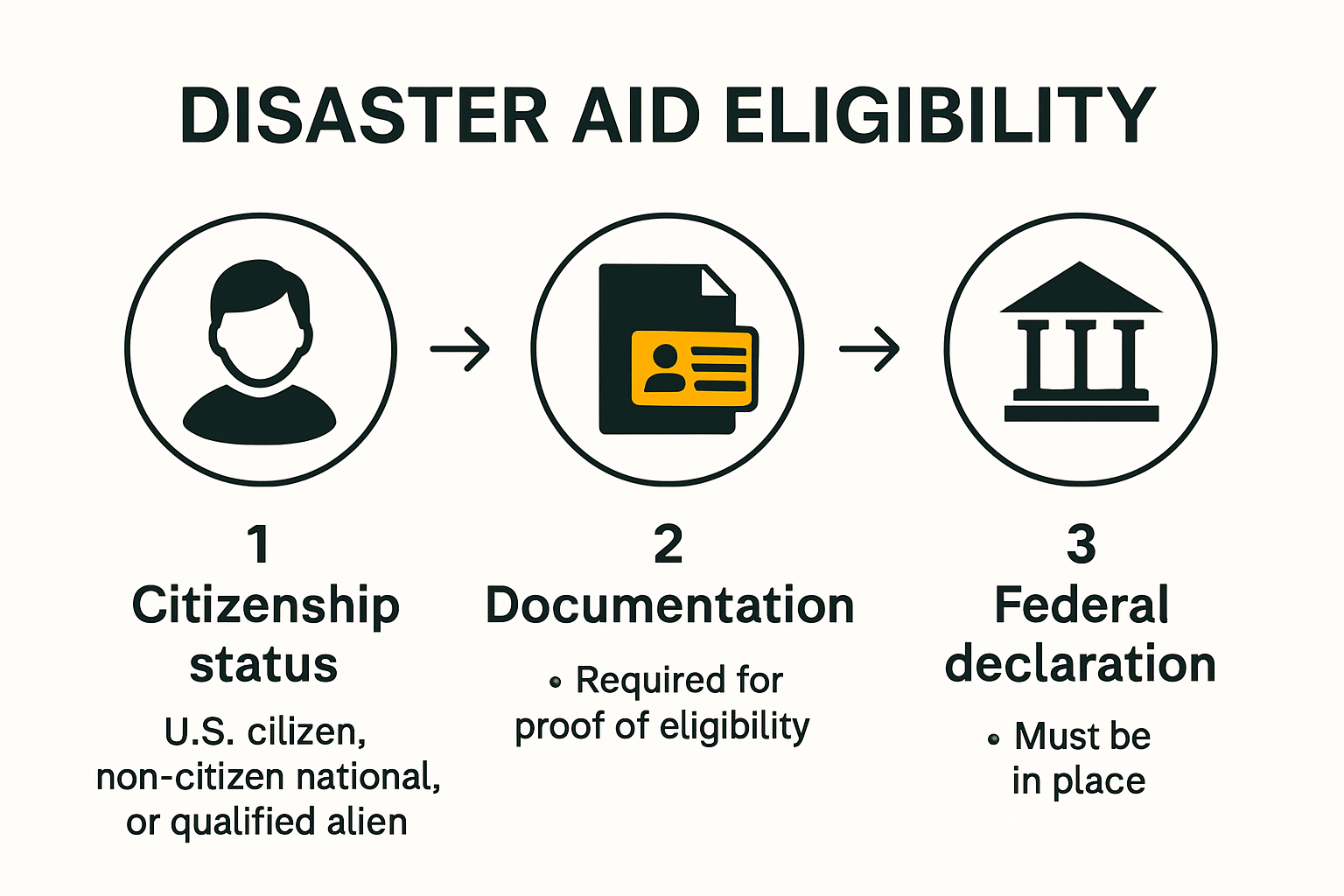
Understanding who qualifies for federal disaster assistance is crucial for victims seeking support. According to FEMA, only United States citizens, non-citizen nationals, or qualified aliens are eligible to receive assistance through the Individual Assistance Program. This means that your immigration status directly impacts your ability to access emergency resources.
To qualify for federal aid, several key factors come into play. First, the disaster must be officially declared by the President. The IRS confirms that tax relief and disaster assistance can only be authorized after a presidential major disaster or emergency declaration. This bureaucratic step is critical because it unlocks various support mechanisms for affected individuals and businesses.
Medical and Healthcare Aid Considerations
Healthcare assistance during disasters involves unique eligibility pathways. Medicaid resources reveal that emergency declarations can trigger special provisions like Section 1135 waivers. These temporary flexibilities allow states to modify standard program requirements, expanding access to medical support for disaster victims.
Key eligibility considerations for medical aid include:
- Residency Status: Documented proof of residence in the declared disaster area
- Income Thresholds: Meeting specific financial criteria for emergency healthcare support
- Existing Health Conditions: Potential priority for individuals with critical medical needs
Documentation and Proof Requirements
Successful aid access hinges on thorough documentation. Victims must be prepared to provide comprehensive evidence demonstrating their need and eligibility. This typically includes:
- Government issued identification
- Proof of residence in the affected area
- Income verification documents
- Insurance information
- Detailed damage assessment reports
Preparing these documents in advance can significantly streamline the aid application process. Victims should create digital and physical copies, storing them in secure, easily accessible locations. This proactive approach can reduce stress and accelerate support during challenging times.
Remember that each aid program has unique requirements. What qualifies you for one type of assistance may not automatically qualify you for another. Careful research, prompt action, and thorough documentation are your best tools in accessing the support you need during a disaster.

Step-by-Step Process to Apply for Disaster Assistance
When disaster strikes, knowing the precise steps to apply for assistance can mean the difference between swift recovery and prolonged hardship. The application process requires careful attention to detail and timely action.
Initial Application Preparation
Before beginning your disaster assistance application, gather critical documentation. FEMA recommends preparing specific documents in advance to expedite the process. Essential items include:
- Social Security number
- Insurance information
- Contact details
- Description of damage
- Proof of property ownership or occupancy
Victims should create both digital and physical copies of these documents. Store them in a secure, easily accessible location. If physical documents are damaged, digital backups become invaluable.
Multiple Application Channels
FEMA provides several application methods to accommodate different needs and preferences. Applicants can apply:
- Online through DisasterAssistance.gov
- By phone at 1-800-621-3362
- In person at Disaster Recovery Centers (when available)
Each method offers unique advantages. Online applications provide immediate confirmation, phone applications offer direct support, and in-person centers allow face-to-face assistance. Choose the method most convenient for your situation.
Post-Application Follow-Up
Submitting your initial application is just the first step. After applying, critical follow-up actions are necessary. Applicants must:
- Review their application details carefully
- Verify personal identity and property ownership
- Submit additional required documentation through DisasterAssistance.gov
- Maintain open communication with FEMA representatives
For those needing additional support during the recovery process, learn more about emergency housing options to complement your disaster assistance application.
Timing is crucial. Most federal disaster assistance programs have specific filing windows. Missing these deadlines could mean losing access to critical support. Stay proactive, organized, and persistent throughout the application process.
Coordinating With Agencies and Relief Organizations
Successful disaster recovery relies on effective coordination between multiple agencies and relief organizations. Navigating this complex network requires strategic communication and understanding of each organization’s specific role and capabilities.
Federal Agency Coordination Strategies
The Economic Development Administration plays a critical role in disaster recovery by serving as the lead federal agency for the Economic Recovery Support Function (ERSF). This coordination mechanism helps communities rebuild businesses, restore employment, and develop economic opportunities after large-scale disasters.
Key federal agencies involved in disaster response include:
- FEMA (Federal Emergency Management Agency)
- SBA (Small Business Administration)
- HUD (Department of Housing and Urban Development)
- USDA (United States Department of Agriculture)
Each agency brings specialized resources and support mechanisms. Victims should understand that these organizations work collaboratively, but each has distinct responsibilities and assistance programs.
Nonprofit and Local Relief Organization Engagement
Nonprofit organizations often provide critical support that bridges gaps in government assistance. Organizations like the Red Cross, Salvation Army, and local community foundations offer immediate relief and long-term recovery support. These groups typically provide:
- Emergency shelter
- Food and water distribution
- Medical assistance
- Emotional support services
- Temporary financial aid
Learn more about coordinating with multi-agency support networks to maximize your recovery resources.
Communication and Documentation Protocols
Effective coordination requires meticulous documentation and clear communication. Disaster victims should:
- Maintain detailed records of all interactions with agencies
- Keep copies of all submitted documents
- Follow up consistently with assigned case managers
- Understand each organization’s specific reporting requirements
- Be prepared to provide comprehensive information about damage and needs
Remember that communication is a two-way process. While agencies are working to support you, your proactive engagement can significantly accelerate your recovery journey. Stay organized, persistent, and patient throughout the coordination process.
Tips for Maximizing Aid and Avoiding Delays
Navigating disaster assistance requires strategic preparation and proactive management. Understanding how to effectively approach aid applications can significantly reduce processing time and increase your chances of receiving comprehensive support.
Comprehensive Documentation Strategies
FEMA recommends that disaster victims create exhaustive documentation to streamline their aid application process. This means meticulously recording all damages through comprehensive methods:
- Photograph every area of damage with clear, well-lit images
- Create detailed written inventories of lost or damaged property
- Collect repair estimates from professional contractors
- Maintain chronological records of all disaster-related expenses
These documentation strategies serve multiple purposes. They provide concrete evidence for insurance claims, federal assistance applications, and potential tax deductions. Digital backups of these documents are crucial in case physical copies are lost or destroyed.
Information Accuracy and Application Preparation
According to official FEMA guidelines, having accurate and complete information dramatically reduces application processing time. Critical information to prepare includes:
- Social Security number
- Current and disaster-time addresses
- Detailed insurance policy information
- Bank account details for direct deposit
- Contact information for all affected household members
Applicants should double-check all submitted information to prevent unnecessary delays. Errors or incomplete submissions can significantly extend the review process.
Multiple Application Channels and Follow-Up
Disaster assistance applications can be submitted through various official channels, including:
- Online application portals
- FEMA mobile application
- Telephone registration
- In-person at Disaster Recovery Centers
Explore our comprehensive guide to navigating multi-agency support to understand how different application methods can impact your aid process.
After submitting your application, maintain proactive communication. Follow up regularly, keep detailed records of all interactions, and be prepared to provide additional documentation if requested. Persistence and organization are key to maximizing your potential aid support.
Remember that each disaster assistance program has unique requirements. What works for one application might not apply to another. Stay informed, be patient, and approach the process with careful attention to detail.
Frequently Asked Questions
What types of aid are available for disaster victims?
Federal disaster assistance programs are available for U.S. citizens, non-citizen nationals, or qualified aliens after a presidential disaster declaration. Various aid types include individual assistance, healthcare support, and property restoration programs.
How do I know if I am eligible for federal disaster assistance?
Eligibility for federal disaster assistance requires that you are a U.S. citizen, non-citizen national, or qualified alien, along with proper residency documentation and proof of damage. A presidential disaster declaration is also necessary.
What documents do I need to apply for disaster assistance?
Prepare copies of your government-issued ID, proof of residence, income verification, insurance information, and damage assessment reports to support your disaster assistance application.
How can I apply for disaster assistance?
You can apply through multiple channels: online at DisasterAssistance.gov, by calling 1-800-621-3362, or in-person at Disaster Recovery Centers. Each method has its advantages based on your needs.
Take the First Step Toward Fast and Reliable Disaster Aid
Finding help after a disaster is rarely simple. Navigating strict eligibility requirements and scrambling to gather documentation can make an overwhelming situation even harder. You learned in this guide that immediate action and thorough preparation matter, especially when it comes to securing safe emergency housing or connecting with responsive support teams.
Ready for a smoother recovery? Discover our specialized emergency solutions designed for disaster victims needing fast access to temporary housing and coordinated assistance. Visit DisasterVictimServices.com now to reach our compassionate experts and begin your path to recovery. Do not wait until challenges become barriers—get personalized guidance from our team today.