

Did you know that more than 60 percent of people feel unprepared when disaster strikes? Emergencies unfold quickly and can threaten homes, safety, and communities with little warning. Knowing the right steps to take in those crucial first hours can make all the difference, from staying safe in dangerous conditions to getting fast help and securing the support you need to recover.
Quick Summary
| Key Point | Explanation |
|---|---|
| 1. Ensure immediate safety first | Quickly assess your surroundings for hazards and protect yourself before taking further actions. |
| 2. Notify emergency services without delay | Use the best communication method available to inform authorities about the situation and any injuries. |
| 3. Organize emergency housing quickly | Contact local relief organizations to find available shelters and temporary housing options efficiently. |
| 4. Document all communications consistently | Keep a thorough log of conversations and documents related to insurance and assistance claims for follow-up. |
| 5. Verify assistance and plan recovery | Systematically track the status of your assistance requests and develop a structured recovery plan for long-term needs. |
Table of Contents
- Step 1: Assess Immediate Safety And Gather Critical Information
- Step 2: Notify Authorities And Mobilize Emergency Services
- Step 3: Coordinate Emergency Housing And Essential Resources
- Step 4: Communicate With Insurance, Agencies, And Support Networks
- Step 5: Verify Assistance Delivery And Plan Ongoing Recovery
Step 1: Assess Immediate Safety and Gather Critical Information
When disaster strikes, your first priority is ensuring your immediate safety and understanding the situation around you. This critical first step involves quickly evaluating potential hazards and collecting key information that will guide your next actions.
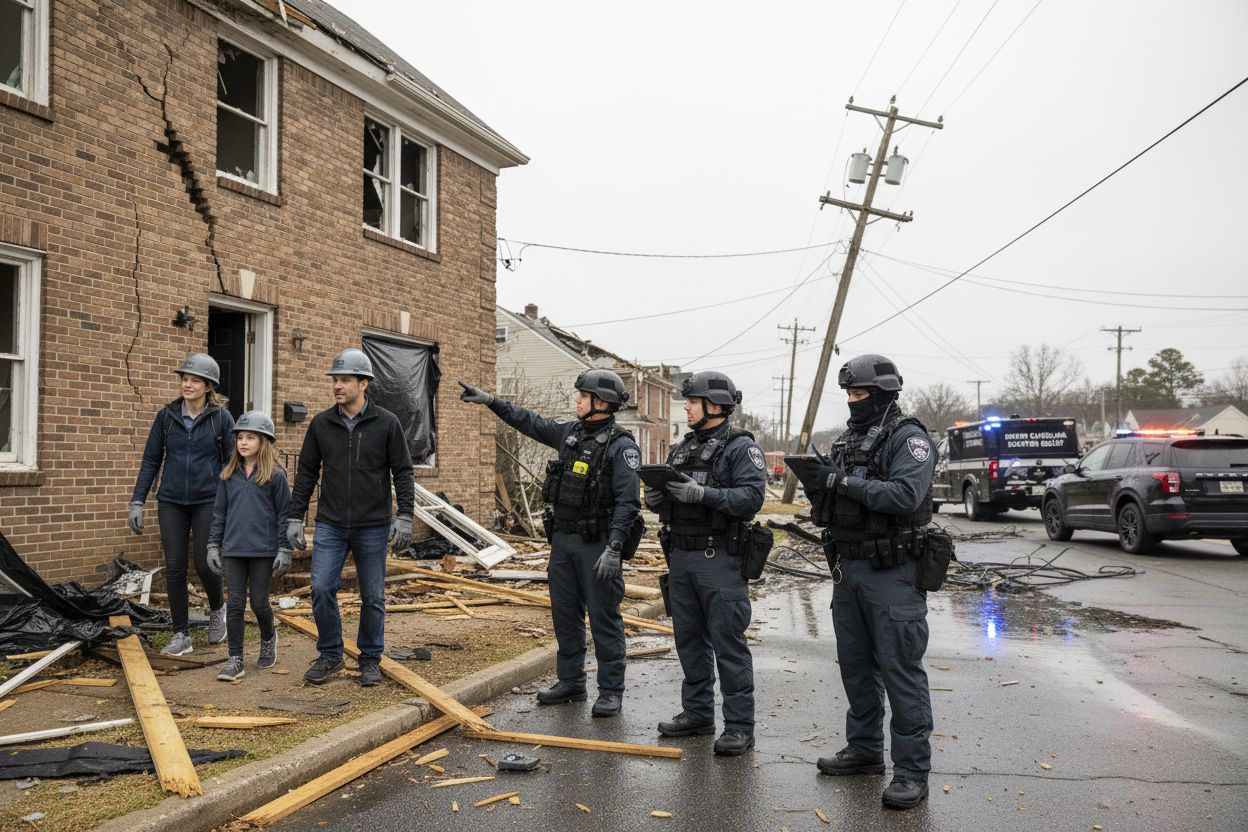
Begin by performing a rapid personal safety scan. Look around carefully for any immediate threats such as exposed electrical wires, structural damage, gas leaks, or unstable surfaces. According to FEMA emergency guidelines, personal protection comes before any rescue attempts. Wear protective gear if available protective footwear, gloves, and a dust mask can help prevent additional injury.
Next, assess the immediate environment. Check for structural integrity of buildings or shelters. Signs of severe damage like large cracks, shifted foundations, or hanging electrical lines indicate extreme risk. If you are inside a building and notice significant structural compromise, evacuate immediately using the safest possible route.
Warning: Never enter a building that appears structurally unsound or unstable.
Gather critical information systematically. Use your mobile phone or a battery powered radio to access emergency broadcasts. Document the situation through photos or written notes if possible. Key details to record include:
- Location and extent of damage
- Number of people potentially affected
- Visible hazards or dangerous conditions
- Current weather and environmental conditions
Contact local emergency services as soon as you can safely communicate. Provide them with precise location details and a clear description of the situation. If cell networks are down, use alternative communication methods like emergency radio channels.
Your next step will involve securing immediate medical assistance and finding safe temporary shelter. Stay calm, move carefully, and prioritize your personal safety throughout this process.
Step 2: Notify Authorities and Mobilize Emergency Services
After assessing your immediate safety, the next critical step is quickly and effectively notifying emergency services and local authorities about the disaster situation. Your prompt communication can make a significant difference in response time and potential life saving interventions.
Start by calling emergency services using the most reliable communication method available. If mobile networks are functional, dial 911 or your local emergency number. Provide clear and concise information about your location, the type of disaster, and any immediate risks or injuries. Speak slowly and clearly to ensure the dispatcher understands all critical details.
In situations where phone networks are compromised, use alternative communication methods. Battery powered radios, satellite phones, or community emergency channels can help you relay critical information. According to the emergency response protocols guide, having multiple communication strategies is essential during widespread disasters.
Important: Always prioritize providing accurate location information and specific details about the emergency.
When communicating with authorities, include specific information such as:
- Exact geographic location
- Number of people affected
- Visible injuries or medical emergencies
- Type of disaster water, fire, structural collapse, chemical spill
- Potential ongoing hazards
If you are in a group or community setting, designate one person to be the primary communication point. This helps prevent confusion and ensures a coordinated approach to notifying emergency services. Stay near a communication device and be prepared to provide additional information if requested.
Remain calm and patient. Emergency services may be managing multiple response scenarios simultaneously. Your clear and composed communication will help responders prioritize and direct resources effectively.
Your next step will involve preparing for potential evacuation and gathering essential emergency supplies.
Stay alert and follow instructions from emergency responders carefully.
Step 3: Coordinate Emergency Housing and Essential Resources
Now that you have notified authorities, your next critical task is securing emergency housing and gathering essential resources to ensure your immediate survival and comfort. This step involves strategic planning and quick decision making to protect yourself and your family during a challenging time.
According to the emergency housing workflow guide, your first priority is identifying safe temporary shelter options. Research shows that multiple agencies collaborate to provide emergency housing during disasters. The National Academies report highlights how federal agencies like FEMA and HUD work together to create comprehensive shelter solutions.
Begin by contacting local emergency management offices or designated disaster relief centers. They can provide immediate information about available emergency shelters, temporary housing locations, and support services. Ask about specific resources such as:
- Nearby public shelters
- Hotel or motel vouchers
- Temporary housing sites
- Community center locations
- Evacuation zone arrangements
Important: Always verify the safety and legitimacy of any emergency housing option before committing.
Prioritize gathering essential resources that will support your immediate needs. Pack or request:
- Bottled water
- Non perishable food
- First aid supplies
- Blankets and warm clothing
- Prescription medications
- Important personal documents
- Charging devices for communication
As recommended by disaster coordination experts, remain flexible and prepared to move quickly. Emergency housing situations can change rapidly, so maintain open communication with local authorities and be ready to adapt your plan.
Your next step involves establishing communication with family members and securing your critical personal belongings. Stay patient and focused on your immediate safety and well being.
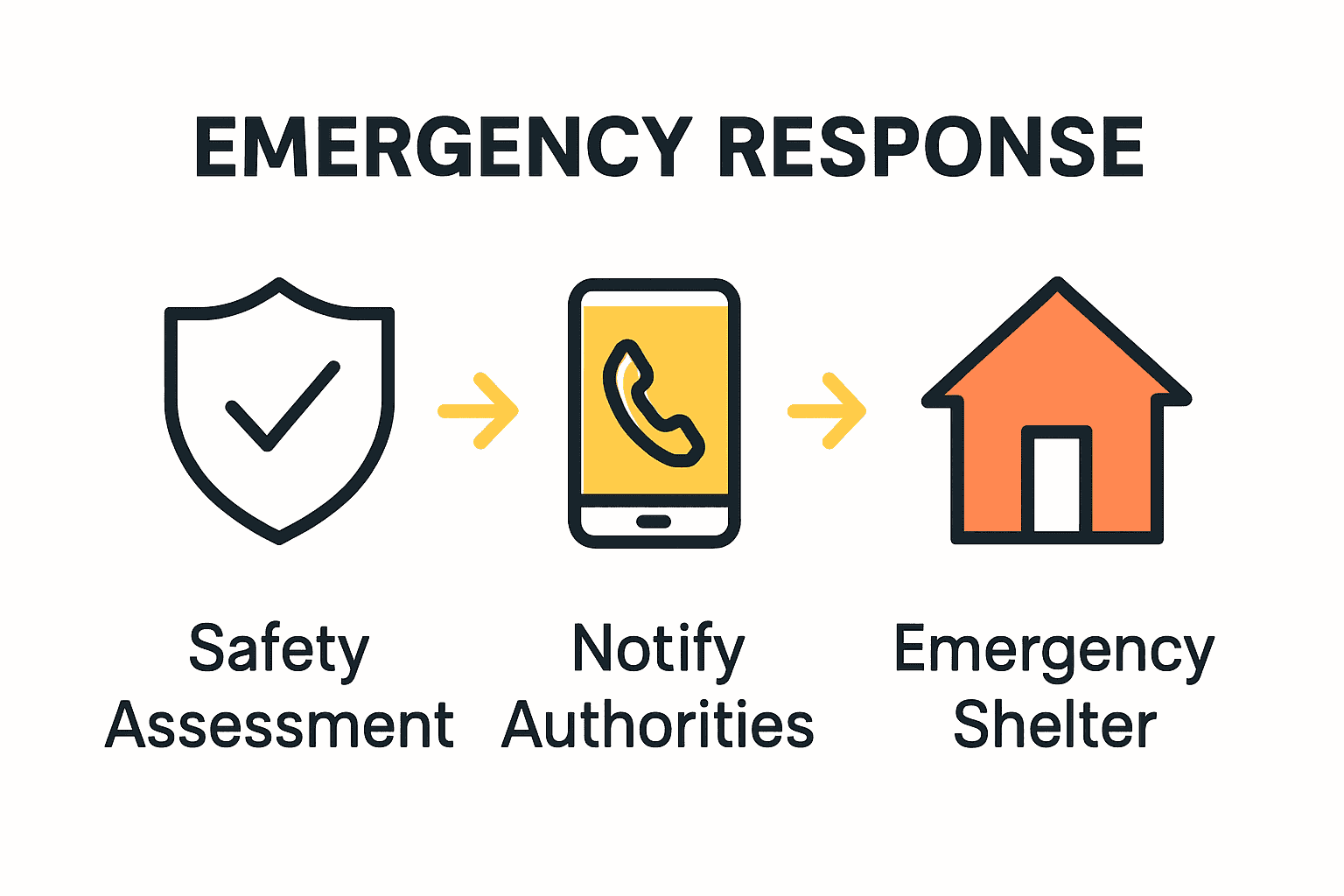
Here’s a comparison of key actions and priorities for each initial disaster response step:
| Step | Primary Focus | Key Actions |
|---|---|---|
| Step 1: Assess Immediate Safety | Personal safety Situation awareness |
Scan for hazards Check structural integrity Gather critical info |
| Step 2: Notify Authorities | Rapid communication Accurate reporting |
Call 911 or local emergency Use radios if needed Provide location, risks |
| Step 3: Coordinate Housing & Resources | Shelter arrangement Essential needs |
Contact relief centers Find safe shelter Gather supplies |
Step 4: Communicate with Insurance, Agencies, and Support Networks
Effective communication is your lifeline during disaster recovery. Your goal now is to systematically reach out to insurance providers, government agencies, and support networks to ensure you receive comprehensive assistance and begin the recovery process.
According to the support network access guide, your initial communication strategy should be clear, documented, and persistent. The RHIhub toolkit emphasizes establishing accessible messaging channels that help you coordinate with multiple support organizations.
Start by gathering all necessary documentation. Collect and organize:
- Insurance policy numbers
- Property damage photographs
- Emergency service reports
- Personal identification documents
- Medical records if applicable
Contact your insurance provider immediately. Be prepared with specific details about your disaster related losses. Request:
- Claim filing instructions
- Emergency claim processing
- Potential advance payments
- Temporary living expense coverage
Important: Document every communication including date, time, representative name, and key discussion points.
Reach out to local and federal support agencies. These might include FEMA, state emergency management offices, and community disaster relief organizations. Ask about:
- Disaster relief programs
- Financial assistance options
- Temporary housing support
- Counseling and mental health resources
- Rebuilding and recovery grants
Maintain a communication log and follow up regularly. Insurance claims and government assistance can be complex, so persistence and detailed record keeping are crucial.
Your next step involves preparing comprehensive documentation for claims and assistance applications. Stay organized, patient, and proactive in your recovery journey.
Step 5: Verify Assistance Delivery and Plan Ongoing Recovery
With initial emergency steps completed, your focus now shifts to systematically verifying the assistance you have requested and developing a comprehensive long-term recovery strategy. This critical phase ensures you maximize available resources and create a structured path forward.
According to the disaster recovery process guide, tracking assistance delivery requires meticulous documentation and proactive follow-up. The National Academies highlights how Emergency Support Functions coordinate complex recovery efforts across multiple agencies.
Begin by creating a comprehensive tracking system for all assistance requests. This involves:
- Confirming receipt of each application
- Noting submission dates
- Recording reference numbers
- Tracking expected response timelines
- Scheduling follow-up calls
Contact each agency and insurance provider to verify:
- Status of claims
- Expected assistance amounts
- Projected delivery dates
- Additional documentation requirements
- Potential next steps
Important: Persistent communication is key to successful recovery.
Develop a structured recovery plan that addresses:
- Immediate housing needs
- Property repair or reconstruction
- Financial stabilization
- Emotional and mental health support
- Long-term risk mitigation strategies
Document all conversations, track every commitment, and maintain organized records. Recovery is a complex process that requires patience, persistence, and systematic approach.
Your next step involves implementing your recovery plan and remaining adaptable as new information and resources become available. Stay focused, resilient, and committed to rebuilding your life.
Your Trusted Partner When Every Step Counts
Every moment matters in the aftermath of a disaster. This step-by-step guide highlights just how critical it is to act quickly, secure emergency housing, and navigate insurance and agency communications without delay. But in these stressful circumstances, confusion and uncertainty can set in fast. If you are feeling overwhelmed by the need for immediate shelter, struggling to communicate with multiple authorities, or unsure who can help you move from crisis to stability, you are not alone.
At DisasterVictimServices.com, we specialize in removing these obstacles and bringing clarity to your recovery process. We work round-the-clock to connect individuals and families with rapid-response emergency housing, tailored guidance on insurance claims, and coordination with the agencies and professionals you need most. Begin your path to safety and support by discovering our resources in our Uncategorized – Disaster Victim Services | Helping You Recover After Disaster section. Do not let uncertainty delay your recovery. Visit our main site at DisasterVictimServices.com for immediate help and compassionate expertise you can trust today.
Frequently Asked Questions
What should I do first during a disaster to ensure safety?
Start by assessing your immediate surroundings for hazards like exposed wires or structural damage. Perform a personal safety scan, prioritize wearing protective gear if available, and evacuate if necessary.
How can I effectively notify emergency services after a disaster?
Quickly communicate with emergency services by calling your local number or using alternative methods like radios if phone lines are down. Provide clear details such as your exact location and the type of emergency to help responders prioritize assistance.
What types of information should I gather after evaluating safety?
Document critical details such as the extent of damage, number of affected individuals, and the presence of any visible hazards. Use photos or written notes to keep a clear record to share with authorities or for insurance claims later.
How do I find temporary emergency housing after a disaster?
Contact local emergency management offices to inquire about available shelters or temporary housing options. Be prepared to ask about public shelters, hotel vouchers, and specific community resources that may support your housing needs.
What documentation do I need to communicate with insurance and support agencies?
Gather essential documents, including insurance policy numbers, photographs of property damage, and personal identification. Organize this information for quick reference when you start filing claims and seeking assistance.
How can I track the delivery of assistance requested during the recovery process?
Create a tracking system to monitor the status of each assistance request, including submission dates and reference numbers. Stay proactive by scheduling follow-up calls to verify the status and expected timelines for aid delivery.
Recommended
- First Aid Disaster Basics: Essential Steps for 2025 Recovery – Disaster Victim Services | Helping You Recover After Disaster
- Emergency Response Basics for 2025: A Practical Guide – Disaster Victim Services | Helping You Recover After Disaster
- Essential Steps After Sudden Displacement: 2025 Guide – Disaster Victim Services | Helping You Recover After Disaster
- First Aid Disaster Basics: Essential Steps for 2025 Recovery – Disaster Victim Services | Helping You Recover After Disaster