
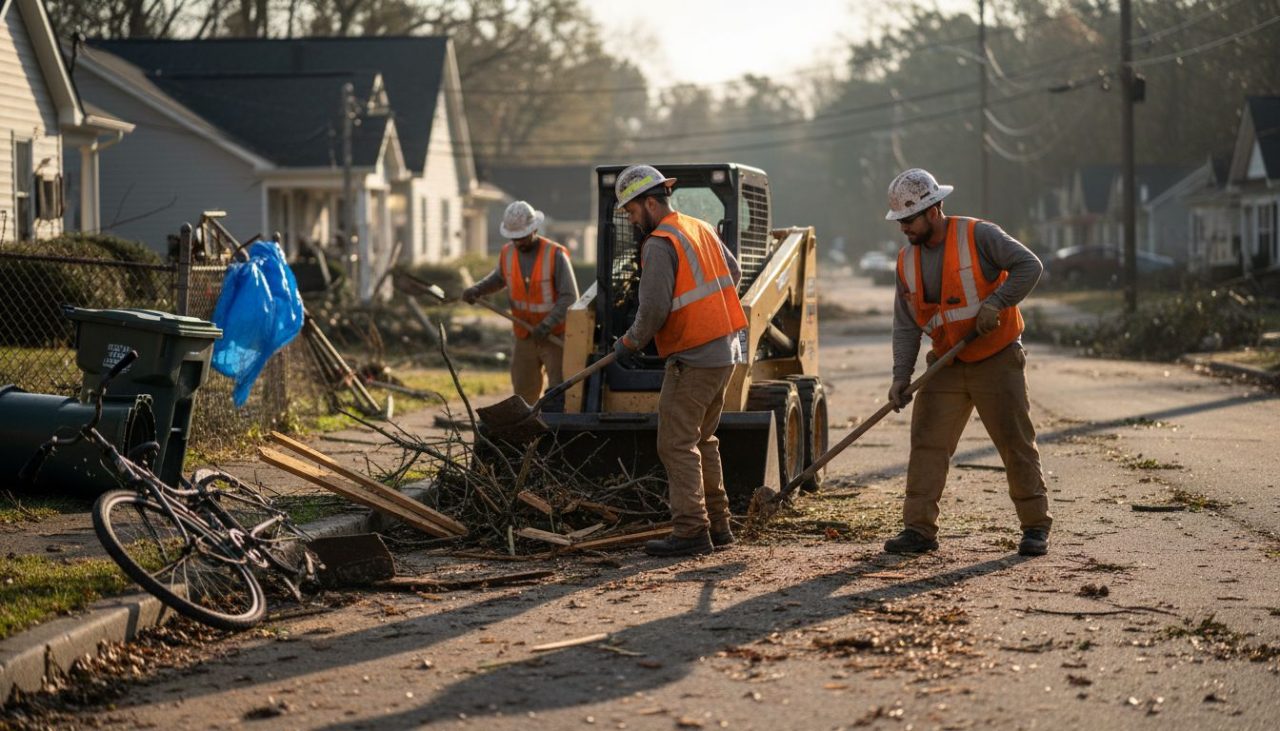
Over 100 million tons of disaster debris are generated in the United States each year, challenging every American community struck by storms, wildfires, or other crises. When catastrophe hits, the aftermath is not just physical—it impacts public health, safety, and the speed of recovery. Understanding what really happens with disaster debris removal helps cut through common myths and sets the stage for smarter, faster paths to rebuilding after chaos.
Table of Contents
- Defining Disaster Debris Removal And Misconceptions
- Types Of Disaster Debris And Removal Methods
- Coordinating Removal: Agencies And Contractor Roles
- Legal, Environmental, And Safety Standards
- Financial, Insurance, And Liability Considerations
Key Takeaways
| Point | Details |
|---|---|
| Disaster Debris Removal is Essential | It is a critical process for restoring safety and functionality after disasters, requiring comprehensive planning and coordination. |
| Misconceptions Hinder Efficiency | Common myths about debris being entirely waste or the removal process being simple can obstruct effective recovery strategies. |
| Interagency Coordination is Vital | Successful operations depend on precise collaboration among federal, state, local agencies, and private contractors to manage debris effectively. |
| Legal and Environmental Standards Guide Operations | Adherence to strict regulations ensures safety, environmental protection, and efficient waste management during debris removal. |
Defining Disaster Debris Removal and Misconceptions
Disaster debris removal represents a critical emergency management process designed to restore safety and functionality after catastrophic events. Federal Emergency Management Agency (FEMA) defines this process as a comprehensive set of activities involving clearance, removal, recycling, and disposal of materials resulting from natural or human-caused disasters. These operations are fundamentally about protecting public health and ensuring swift community recovery.
The scope of disaster debris extends far beyond simple waste management. According to the Environmental Protection Agency (EPA), disaster debris encompasses a wide range of materials generated by destructive events such as hurricanes, earthquakes, wildfires, and industrial accidents. These materials can include building fragments, vegetation, personal property, vehicles, and infrastructure components. Importantly, not all debris is waste—many materials can be strategically reused, recycled, or repurposed, contributing to sustainable recovery efforts.
Common misconceptions about disaster debris removal can significantly impede effective response strategies. Many individuals assume that all debris is automatically considered waste or that removal processes are uniform across different disaster scenarios. In reality, debris management requires nuanced, context-specific approaches. For instance, FEMA explicitly notes that snow-related materials are not classified as debris, challenging popular assumptions about what constitutes removable materials. Successful debris removal demands specialized knowledge, precise coordination between multiple agencies, and a strategic understanding of environmental and safety considerations.
Key misconceptions about disaster debris removal include:
- Believing all debris is non-recyclable waste
- Assuming debris removal is a simple, standardized process
- Thinking that local governments can manage large-scale debris independently
- Underestimating the complexity of sorting and processing different material types
Navigating disaster debris removal requires professional expertise, comprehensive planning, and a deep understanding of environmental and safety protocols. Stakeholders must approach these operations with precision, adaptability, and a commitment to community resilience.
Types of Disaster Debris and Removal Methods
Comprehensive disaster debris management involves understanding the complex landscape of materials generated during catastrophic events. Disaster debris encompasses a diverse range of waste streams, each requiring specialized handling and removal techniques. The primary categories include vegetative debris, construction and demolition materials, hazardous waste, electronic components, personal property, and infrastructure remnants.
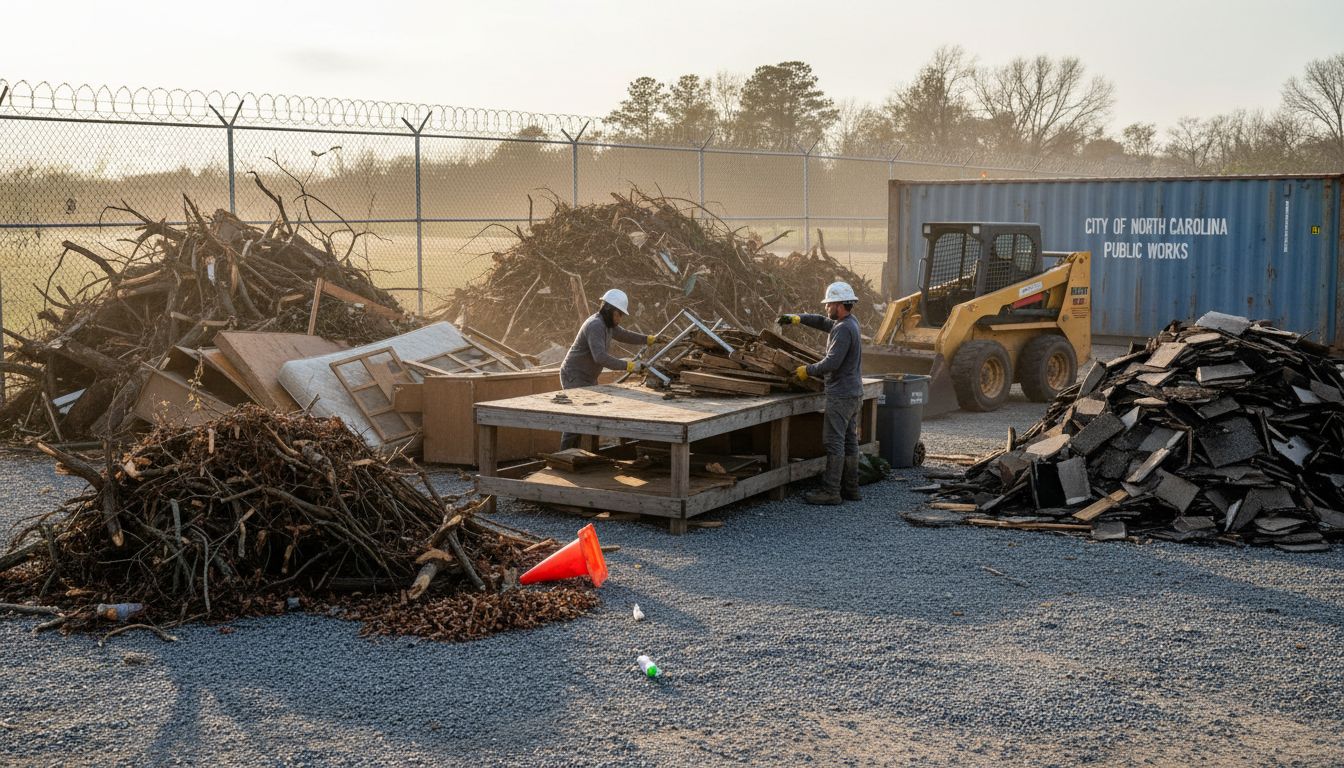
The removal methods for these varied debris types are equally sophisticated and nuanced. EPA guidelines outline multiple management options that prioritize environmental sustainability and public safety. Recycling stands as a primary strategy, transforming damaged materials into new products and reducing overall waste volume. For organic materials like fallen trees and plant debris, composting offers an environmentally responsible alternative to traditional disposal methods.
Hazardous debris presents unique challenges that demand rigorous protocols. Electronic waste, contaminated building materials, and potentially toxic remnants require specialized containment and processing. Professional debris removal teams must employ advanced sorting techniques, protective equipment, and precise disposal mechanisms to mitigate environmental and health risks. This process involves careful segregation, potential decontamination, and adherence to strict regulatory guidelines.
Key types of disaster debris include:
- Vegetative Debris: Trees, branches, leaves
- Construction Materials: Concrete, wood, metal fragments
- Electronic Waste: Damaged computers, appliances
- Hazardous Materials: Chemical containers, contaminated equipment
- Personal Property: Furniture, clothing, household items
Successful disaster debris removal demands interdisciplinary expertise, advanced technological resources, and a commitment to environmental stewardship. Recovery teams must balance immediate community needs with long-term ecological considerations, transforming potential waste into opportunities for sustainable reconstruction.
Coordinating Removal: Agencies and Contractor Roles
Comprehensive debris removal operations require intricate coordination between multiple governmental and private sector entities. These collaborative efforts involve federal agencies like FEMA, state emergency management departments, local government units, private contractors, and specialized waste management teams. Each organization plays a critical role in executing a strategic, systematic approach to disaster debris management that prioritizes public safety, environmental protection, and efficient recovery.
The complexity of debris removal demands precise role definition and communication protocols. Federal agencies typically provide overarching guidance and funding, while state and local governments coordinate ground-level logistics. Private contractors bring specialized equipment and technical expertise necessary for handling diverse debris types, from hazardous materials to massive infrastructure remnants. These teams must navigate challenging environments, operate heavy machinery, and implement strict safety protocols to mitigate potential risks during removal operations.
Safety represents a paramount concern in debris removal coordination. Contractors and agency personnel must undergo extensive training to manage potential hazards, including structural instability, contaminated materials, and complex equipment operations. Protective gear, risk assessment protocols, and continuous communication channels are essential to preventing accidents and ensuring worker safety. Successful coordination requires not just technical skills, but also adaptability, quick decision-making, and a comprehensive understanding of emergency response strategies.
Key stakeholders in debris removal coordination include:
- Federal Agencies: FEMA, EPA, Department of Homeland Security
- State Emergency Management Departments
- Local Government Units
- Private Waste Management Contractors
- Environmental Remediation Specialists
- Heavy Equipment Operators
Effective debris removal is more than a logistical challenge—it’s a critical component of community resilience. By establishing clear communication channels, defining precise roles, and maintaining rigorous safety standards, these collaborative teams transform chaos into structured recovery, helping communities rebuild and heal after devastating disasters.
Legal, Environmental, and Safety Standards
Environmental regulations play a critical role in guiding disaster debris removal processes, establishing comprehensive frameworks that protect both human health and ecological systems. These standards create a structured approach to managing waste streams, ensuring that debris removal operations adhere to stringent legal and safety protocols. The complex regulatory landscape involves multiple agencies, each contributing specific guidelines to minimize environmental impact and protect community well-being.
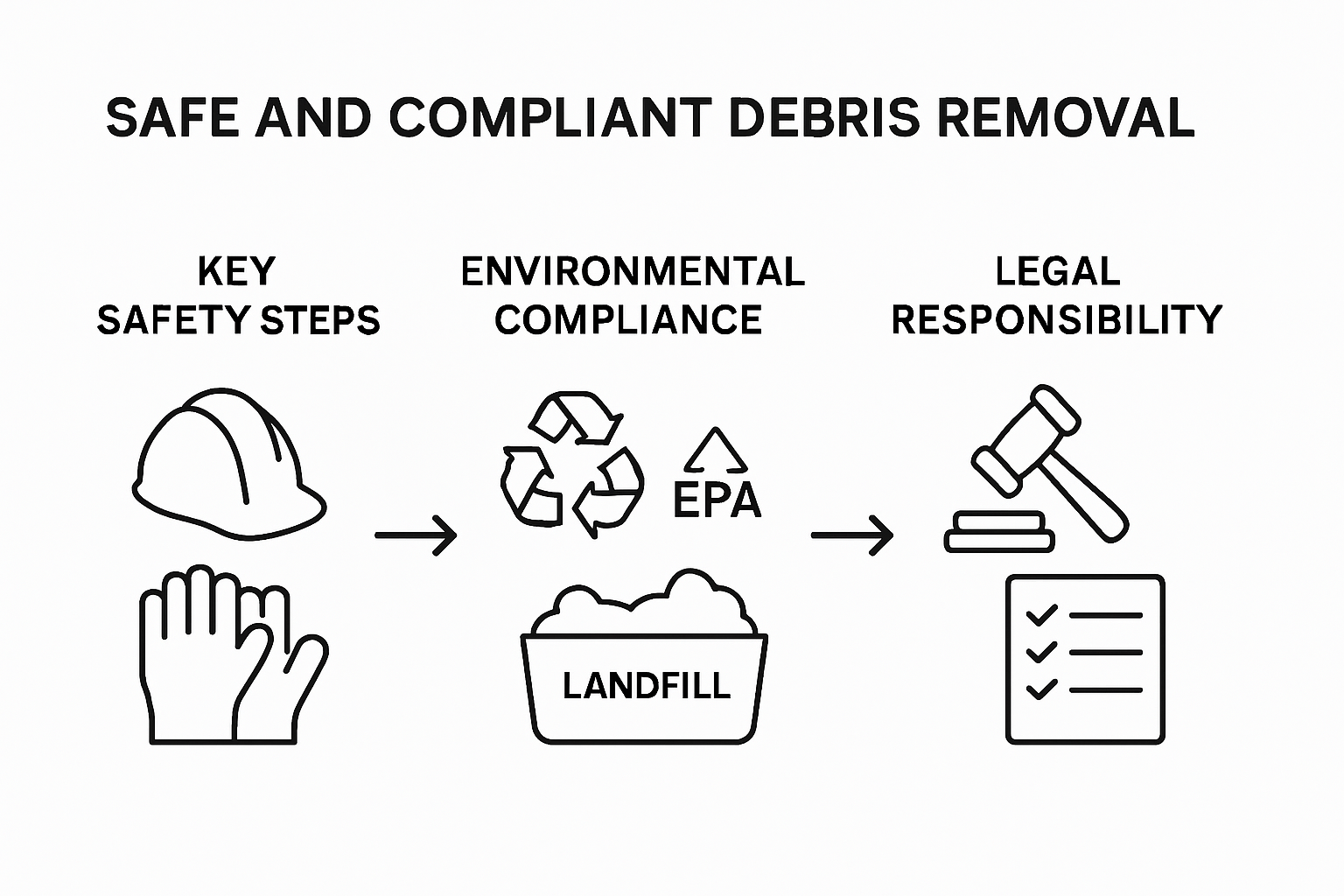
Worker safety represents another fundamental dimension of debris removal standards. OSHA guidelines provide extensive protocols for personal protective equipment, hazardous material handling, and risk mitigation strategies. Contractors and emergency response teams must undergo rigorous training to understand and implement these safety measures, which include comprehensive risk assessments, proper equipment usage, and continuous monitoring of potential workplace hazards.
Environmental compliance demands a multifaceted approach that goes beyond immediate debris removal. Regulations require careful sorting, potential recycling, and responsible disposal of different material types. Hazardous waste must be isolated and processed according to specific federal and state guidelines, with detailed documentation tracking each stage of removal and disposal. This systematic approach helps prevent long-term environmental contamination and ensures that disaster recovery efforts do not create secondary ecological challenges.
Key legal and safety standards include:
- Environmental Protection Agency (EPA) Waste Management Guidelines
- Occupational Safety and Health Administration (OSHA) Worker Protection Protocols
- Hazardous Materials Transportation Regulations
- State-Level Environmental Compliance Requirements
- Waste Disposal and Recycling Certification Standards
Successful disaster debris removal transcends mere cleanup—it represents a complex intersection of legal responsibility, environmental stewardship, and human safety. By maintaining rigorous standards and a commitment to comprehensive best practices, recovery teams transform potentially dangerous situations into opportunities for responsible, sustainable community rebuilding.
Financial, Insurance, and Liability Considerations
FEMA’s Public Assistance Program provides critical financial support for disaster recovery efforts, offering essential grants to state, local, tribal, and territorial governments. These financial mechanisms are designed to offset the substantial costs associated with comprehensive debris removal, helping communities rebuild more effectively. Understanding the nuanced eligibility criteria and meticulous documentation requirements becomes paramount for securing these crucial funding resources.
Insurance considerations represent another complex dimension of disaster debris management. Homeowners and property owners must navigate intricate policy details, carefully assessing coverage limits, exclusions, and specific provisions related to debris removal and property restoration. Contractors and insurance adjusters recommend thorough verification of credentials and coverage to prevent potential financial vulnerabilities and protect against potential scams that frequently emerge in post-disaster environments.
Liability represents a critical concern for all stakeholders involved in debris removal operations. Contractors, government agencies, property owners, and insurance providers must establish clear responsibility frameworks that define legal obligations, risk allocation, and potential financial exposures. This requires comprehensive risk assessment, precise contractual language, and proactive communication strategies that anticipate potential challenges and establish transparent accountability mechanisms.
Key financial and liability considerations include:
- Insurance Policy Coverage Limits
- Government Grant Eligibility Requirements
- Contractor Liability and Professional Insurance
- Property Owner Risk Mitigation Strategies
- Documentation and Claims Processing Protocols
Successful disaster debris recovery demands a holistic approach that balances financial pragmatism, legal protection, and compassionate community support. By understanding these complex intersections, stakeholders can transform potentially devastating financial challenges into structured, sustainable recovery pathways.
Ensure Safe and Swift Recovery with Expert Disaster Support
Disaster debris removal is essential for restoring safety and enabling communities to rebuild after catastrophic events. The challenges outlined in the article, such as coordinating complex debris types and navigating safety and environmental regulations, highlight the critical need for professional assistance during recovery. If you are facing overwhelming debris management or need guidance on navigating insurance and emergency housing after disaster, expert help can make all the difference.
At Disaster Victim Services, we specialize in connecting displaced individuals and families with immediate emergency housing and trusted recovery partners. Our team works closely with insurance carriers, government agencies, and contractors to streamline debris removal impacts on your recovery journey. Learn more about how we help survivors move from crisis to rebuilding by visiting our Uncategorized resource center and explore support options for remodeling and restoration at our Remodeling page. Don’t wait until debris and recovery concerns overwhelm you. Visit Disaster Victim Services today and take the first step toward a safe and confident recovery.
Frequently Asked Questions
What is disaster debris removal?
Disaster debris removal is a critical emergency management process involving the clearance, removal, recycling, and disposal of materials resulting from natural or human-caused disasters. It aims to enhance public safety and facilitate community recovery.
What types of materials are generally classified as disaster debris?
Disaster debris can include a variety of materials such as building fragments, vegetation, personal property, vehicles, and infrastructure components. It is essential to recognize that not all debris is considered waste; many materials can be reused or recycled.
Why is it important to coordinate debris removal among various agencies?
Effective coordination among federal, state, local governments, and private contractors is crucial for successful debris removal operations. Each entity brings specific expertise and resources, ensuring a comprehensive approach to safety, efficiency, and environmental protection.
What legal and safety standards govern disaster debris removal?
Disaster debris removal is governed by multiple legal and environmental standards, including EPA waste management guidelines and OSHA worker protection protocols. Compliance with these regulations ensures safety for workers and minimizes environmental impacts during the removal process.
Recommended
- How to Rebuild Safely: Essential Steps for Disaster Recovery 2025 – Disaster Victim Services | Helping You Recover After Disaster
- What Is Post-Disaster Restoration? Complete Overview – Disaster Victim Services | Helping You Recover After Disaster
- How to Handle Disaster: A Step-by-Step Recovery Guide – Disaster Victim Services | Helping You Recover After Disaster
- Disaster Recovery Phases Explained for 2025: Guide for Victims, Pros & Agencies – Disaster Victim Services | Helping You Recover After Disaster