
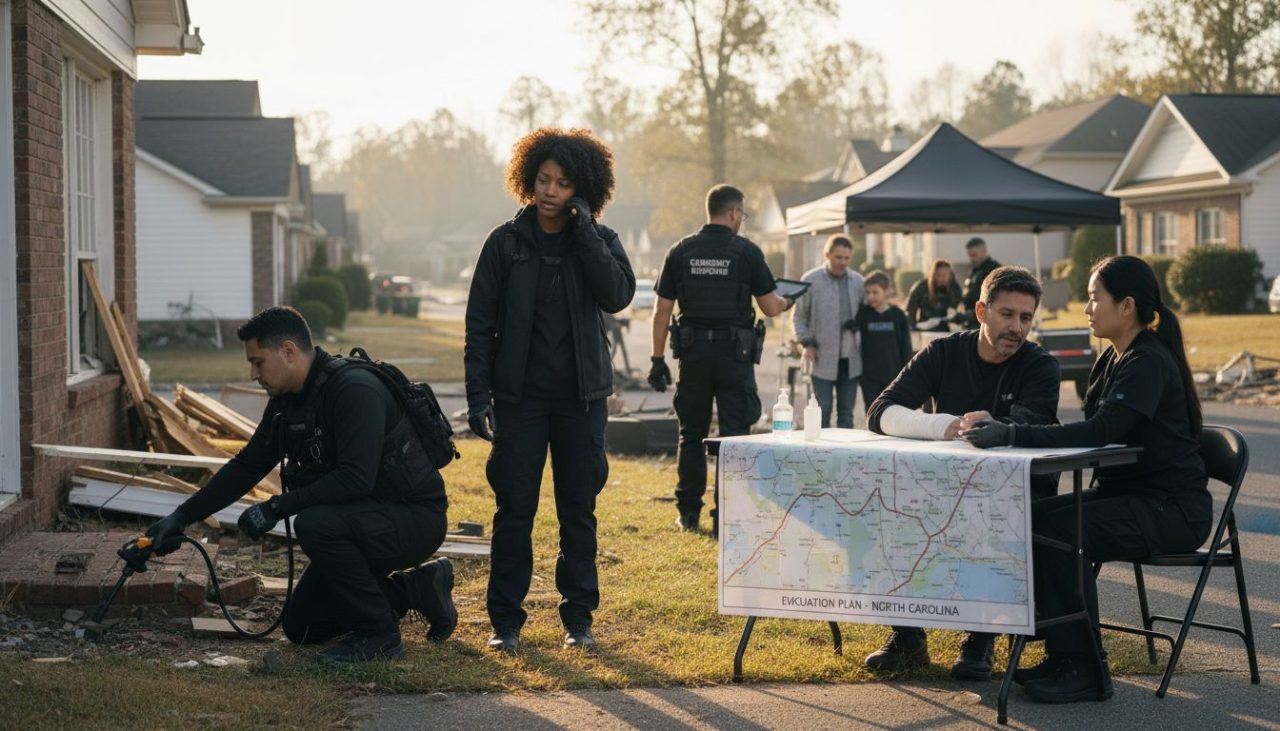
Every year, more than 60 million americans face emergencies ranging from hurricanes to house fires. The first steps you take in a crisis can shape your safety and recovery for months to come. Knowing how to stay calm, assess immediate dangers, and coordinate quick actions can make all the difference when disaster strikes. This guide offers straightforward strategies to help every american protect themselves and others when facing the unexpected.
Table of Contents
- Assess Immediate Safety Hazards Quickly
- Alert Authorities and Emergency Services First
- Evacuate or Shelter in Place Safely
- Provide First Aid and Medical Support
- Coordinate Clear Communication Among Responders
- Connect Victims With Emergency Housing Solutions
- Document Events for Insurance and Recovery
Quick Summary
| Key Insight | Explanation |
|---|---|
| 1. Assess the environment for immediate hazards | Quickly identify risks like gas leaks, unstable surfaces, or fire hazards to ensure safety before taking further action. |
| 2. Contact emergency services immediately | Rapidly alert authorities with your location and specifics of the emergency to facilitate swift response efforts. |
| 3. Have a flexible evacuation or shelter plan | Create an adaptable emergency plan outlining when to evacuate or shelter in place based on the situation’s demands. |
| 4. Provide first aid when needed | Be ready to administer basic medical care to stabilize injuries until professional help arrives; know fundamental techniques. |
| 5. Document damage for recovery processes | Accurately record the disaster’s impact, including photos and inventory, to support insurance claims and future preparedness efforts. |
1. Assess Immediate Safety Hazards Quickly
In disaster scenarios, your first priority is swiftly identifying potential threats that could endanger human life. According to OSHA, rapid hazard assessment is critical for protecting people during emergency situations.
Safety hazard assessment involves systematically scanning your environment for immediate risks that could cause injury or further damage. These risks might include structural damage, exposed electrical wires, gas leaks, unstable surfaces, chemical spills, or potential fire sources. The goal is to create a quick mental map of potential dangers before taking any further actions.
To assess safety hazards effectively, start by performing a methodical visual sweep of your surroundings. Look for obvious threats like:
- Collapsed walls or ceilings
- Fallen electrical lines
- Broken glass or sharp debris
- Visible gas or liquid leaks
- Smoke or fire indicators
- Structural instability in buildings
Prioritize human safety above all else. If you encounter a hazardous area, do not enter. Communicate the risks to others and wait for professional emergency responders who have specialized training and protective equipment.
As Ready.gov emphasizes, quick and accurate risk evaluation can mean the difference between life and death during emergencies. Trust your instincts, move carefully, and never assume an area is safe without a thorough assessment.
Remember that personal safety comes first. If you are unsure about the safety of an environment, retreat to a secure location and contact local emergency services immediately.
2. Alert Authorities and Emergency Services First
In any disaster scenario, contacting emergency services immediately can mean the difference between life and death. FEMA emphasizes the critical importance of rapid communication during crisis situations.
Alerting authorities quickly helps trigger a coordinated emergency response that can save lives and minimize potential damage. When an emergency occurs, your first action should be to contact local emergency services using the most appropriate communication method available.
Be prepared to provide clear and concise information when reporting an emergency:
- Your exact location
- Nature of the emergency
- Number of people potentially affected
- Specific hazards or risks present
- Your contact information
OSHA recommends having multiple communication methods ready. If phone lines are down, consider alternative ways to contact emergency services such as:
- Emergency radio channels
- Mobile text messaging
- Satellite phone
- Nearby emergency communication centers
Remain calm and speak clearly when reporting an emergency. The information you provide helps first responders prepare and respond effectively. If possible, stay near a safe communication point until help arrives and follow any instructions provided by emergency personnel.
Remember that quick communication can significantly reduce potential harm and accelerate rescue and recovery efforts. Your prompt action could save lives.
3. Evacuate or Shelter in Place Safely
Deciding whether to evacuate or shelter in place can be a critical life saving choice during emergencies. OSHA provides comprehensive guidelines to help individuals make informed decisions based on specific disaster scenarios.
Understanding when to evacuate and when to stay put requires quick risk assessment and clear situational awareness. Different emergencies demand different responses. For instance, hurricanes might require evacuation while severe winter storms could necessitate sheltering in place.
When evaluating your response strategy, consider these key factors:
- Current location and immediate surroundings
- Type and severity of emergency
- Available transportation and escape routes
- Personal health and mobility conditions
- Official emergency recommendations
Ready.gov recommends developing a predetermined emergency plan that includes both evacuation and shelter-in-place protocols. Your survival strategy should be flexible and adaptable to changing circumstances.
If evacuating, prepare a quick emergency kit with essential supplies:
- Water and non perishable food
- First aid supplies
- Flashlight and extra batteries
- Important documents
- Prescription medications
- Portable phone charger
When sheltering in place, select an interior room with minimal windows and potential exposure to external threats. Seal potential entry points and remain informed through emergency broadcast channels.
Remember that every second counts during an emergency. Having a clear plan and staying calm can significantly improve your chances of survival.
4. Provide First Aid and Medical Support
In disaster situations, immediate medical assistance can mean the difference between life and death. OSHA emphasizes the critical importance of being prepared to provide first aid and medical support during emergencies.
Understanding basic first aid principles is crucial when professional medical help might be delayed or unavailable. Your ability to respond quickly and effectively can stabilize injured individuals and prevent further complications.
Before administering first aid, remember these fundamental safety guidelines:
- Ensure the scene is safe for you and the injured person
- Use personal protective equipment if available
- Check the person’s responsiveness and breathing
- Call emergency services immediately
- Do not move seriously injured individuals unless they are in immediate danger
Ready.gov recommends having a comprehensive first aid kit prepared with essential medical supplies. Your kit should include items that can address a wide range of potential injuries.
Essential first aid kit contents include:
- Sterile bandages and gauze
- Antiseptic wipes
- Adhesive tape
- Scissors
- Disposable gloves
- Instant cold packs
- Pain relief medication
- Tweezers
- Emergency blanket
Prioritize treating life threatening conditions such as severe bleeding, respiratory distress, and shock. Learn and practice basic techniques like wound cleaning, compression bandaging, and CPR before an emergency occurs.
Remember that your calm and informed response can significantly improve survival outcomes during critical moments.
5. Coordinate Clear Communication Among Responders
Effective emergency response hinges on seamless communication between all involved parties. FEMA emphasizes the critical role of coordinated communication systems during disaster scenarios.
Clear communication can prevent confusion, save lives, and ensure that resources are deployed efficiently. When multiple agencies and responders are involved, establishing a unified communication strategy becomes paramount.
Key communication protocols to implement include:
- Designate a central communication coordinator
- Use standardized communication channels
- Establish clear reporting hierarchies
- Create backup communication methods
- Practice regular communication drills
OSHA recommends developing a comprehensive communication plan that addresses potential technological failures. Your communication strategy should be adaptable and resilient.
Recommended communication tools and backup systems:
- Two way radio networks
- Satellite phones
- Emergency mobile communication vehicles
- Encrypted digital communication platforms
- Pre established communication frequencies
Ensure all responders understand common terminology and use clear concise language. Avoid technical jargon that might create misunderstandings during high stress situations.
Remember that effective communication is more than just exchanging information. It is about creating a coordinated response that maximizes safety and minimizes potential risks during emergency scenarios.
6. Connect Victims With Emergency Housing Solutions
Quick and efficient housing placement can be a lifeline for disaster victims suddenly left without shelter. FEMA recognizes the critical importance of rapidly connecting displaced individuals with safe temporary housing options.
Emergency housing solutions are more than just a roof overhead they represent stability and hope during chaotic times. The goal is to provide immediate shelter that meets basic human needs while offering a sense of security and continuity.
Key considerations when connecting victims with housing include:
- Accessibility of the shelter location
- Medical and safety requirements
- Family size and composition
- Special needs accommodations
- Proximity to essential services
Ready.gov recommends developing a comprehensive housing referral system that can quickly match victims with appropriate shelter resources. Your housing placement strategy should be flexible and responsive to individual circumstances.
Essential steps for effective housing placement:
- Conduct immediate needs assessment
- Maintain updated shelter availability database
- Create streamlined referral processes
- Verify shelter safety and capacity
- Establish transportation support
- Provide ongoing case management
Prioritize vulnerable populations such as elderly individuals families with young children and people with disabilities. Ensure that housing solutions offer not just physical shelter but also a pathway to recovery and stability.
Remember that compassionate and efficient housing support can significantly reduce the emotional and psychological trauma experienced during disasters.
7. Document Events for Insurance and Recovery
Accurate documentation can be the difference between a smooth recovery and prolonged financial hardship after a disaster. Ready.gov emphasizes the critical role of thorough record keeping during emergency situations.
Comprehensive documentation serves multiple crucial purposes including insurance claims legal protection and future disaster preparedness. Think of your documentation as a financial and historical lifeline that captures the full impact of the disaster.
Key elements to document immediately include:
- Date and time of the disaster
- Specific location and extent of damage
- Photographic and video evidence
- Initial damage assessment
- Personal property inventory
- Witness statements
- Communication with authorities
OSHA recommends creating a systematic approach to documentation that ensures no critical details are overlooked. Your documentation should be organized chronological and as detailed as possible.
Essential documentation tools and strategies:
- Waterproof notebook
- Smartphone with good camera
- Digital cloud storage
- Backup external hard drive
- Dated receipts and expense records
- Insurance policy information
- Professional damage assessment reports
Take multiple photographs from different angles showing the full extent of damage. Capture images before any cleanup or repairs begin. Store digital and physical copies in secure locations with multiple backups.
Remember that precise documentation not only supports your insurance claim but also helps create a clear historical record of the disaster recovery process.
Below is a comprehensive table summarizing the main steps and strategies discussed throughout the article regarding emergency preparedness and response during disaster situations.
| Main Step | Key Points & Actions | Benefits/Outcomes |
|---|---|---|
| Assess Immediate Safety Hazards Quickly | Perform a visual sweep to identify hazards like structural damage, gas leaks, and fire sources. | Ensures safety by preventing potential injury or further damage. |
| Alert Authorities and Emergency Services First | Contact local emergency services with clear details about the situation using available communication methods. | Triggers a coordinated response and saves lives. |
| Evacuate or Shelter in Place Safely | Assess situation to decide the best action; plan based on location, emergency type, and recommendations. | Improves survival chances and personal safety. |
| Provide First Aid and Medical Support | Have a first aid kit ready; use PPE; administer basic first aid; call emergency services. | Stabilizes injured individuals and prevents complications. |
| Coordinate Clear Communication | Designate communication roles; use standardized channels; create backups. | Maximizes safety, ensures efficient resource deployment. |
| Connect Victims With Emergency Housing Solutions | Assess needs and match with housing; maintain shelter availability database. | Provides stability and hope for displaced individuals. |
| Document Events for Insurance and Recovery | Record detailed evidence of damage; use systematic documentation methods. | Supports insurance claims and aids future preparedness. |
Take Action Now to Secure Safety and Support After Disaster
Emergencies demand quick decisions to safeguard lives and connect with vital resources. This article highlights the critical steps needed—from assessing hazards to coordinating communication and finding emergency housing solutions. If you or your family face displacement from a disaster, the challenge can feel overwhelming. You need swift access to safe shelter, clear guidance on insurance and recovery, and trusted partners who understand the urgency.
At DisasterVictimServices.com, we specialize in providing compassionate, around-the-clock support to connect victims with immediate emergency housing and coordination with insurance and first responders. Our expertise bridges the gap between crisis and recovery to help you move forward confidently. Learn more about how our services integrate with essential emergency response efforts on our Uncategorized resource page and explore our approach to efficient recovery through thoughtful project design.
Do not wait until the situation worsens. Contact us today at DisasterVictimServices.com to ensure you have the support and safe shelter you need right now.
Frequently Asked Questions
What are the first steps to take in a disaster situation?
The first steps include quickly assessing immediate safety hazards and alerting authorities. Conduct a visual sweep for any risks like structural damage or gas leaks, then communicate with emergency services for assistance.
How can I effectively assess safety hazards in my environment?
To assess safety hazards, perform a systematic visual scan looking for obvious threats, such as collapsed buildings or exposed wires. Prioritize human safety; if dangers are present, do not enter the area and wait for responders who are trained to handle such situations.
When should I evacuate versus shelter in place during a disaster?
Decide to evacuate if the type and severity of the emergency pose a clear immediate threat to your safety. If conditions stabilize, consider sheltering in place while monitoring emergency broadcasts for updates and guidance.
How can I provide first aid in an emergency?
Begin by ensuring the scene is safe and checking the injured person’s responsiveness. Administer basic first aid techniques like wound care or CPR while waiting for professional medical help, prioritizing life-threatening conditions.
What should I document during and after a disaster?
Document essential details like the date and time of the disaster, location, and extent of damage, alongside photographic and video evidence. Organize this information systematically to support insurance claims and recovery efforts.
How can I connect disaster victims with emergency housing solutions?
Start by conducting immediate needs assessments to understand the specific requirements of displaced individuals. Maintain an updated database of shelter options and create a streamlined referral process to facilitate quick housing placements.
Recommended
- Emergency Response Basics for 2025: A Practical Guide – Disaster Victim Services | Helping You Recover After Disaster
- Emergency Response Step by Step for Effective Assistance – Disaster Victim Services | Helping You Recover After Disaster
- First Aid Disaster Basics: Essential Steps for 2025 Recovery – Disaster Victim Services | Helping You Recover After Disaster
- Emergency Response Procedures 2025: Step-by-Step Guide – Disaster Victim Services | Helping You Recover After Disaster