
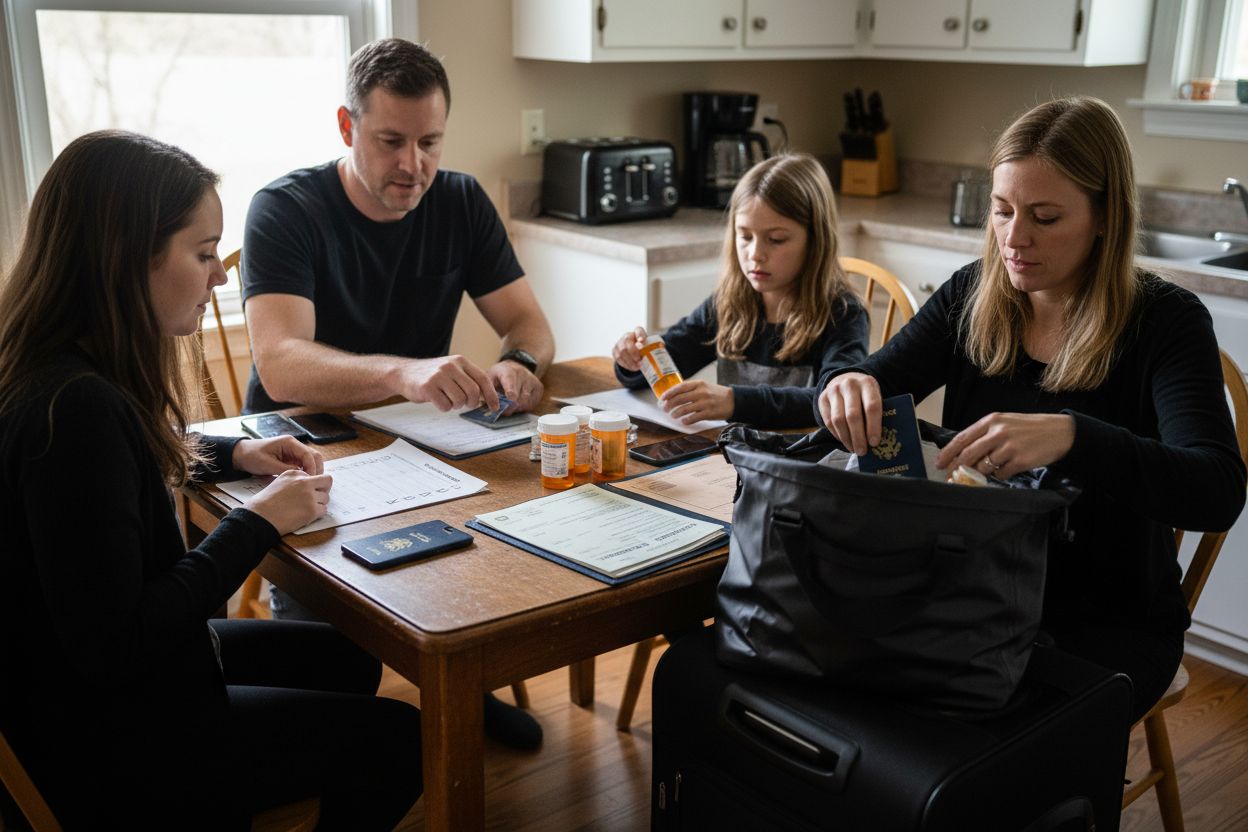
Losing your home or being uprooted by disaster can feel paralyzing and overwhelming. Yet over one million Americans are displaced by natural disasters each year and most never expect it to happen to them. What hardly anyone realizes is that the first hours after displacement are actually the best time to take control, map out your needs, and set your family up for real recovery—if you know what to check off first.
Table of Contents
- Step 1: Assess Your Current Situation And Needs
- Step 2: Gather Necessary Documents For Assistance
- Step 3: Reach Out To Relief Organizations For Help
- Step 4: Apply For Financial And Housing Assistance
- Step 5: Create A Recovery Plan With Resources
Quick Summary
| Key Point | Explanation |
|---|---|
| 1. Conduct a thorough situation assessment | Immediately evaluate your family’s needs, resources, and health concerns to create a structured recovery plan. |
| 2. Gather essential documents for assistance | Secure and organize key identification, insurance, and financial documents to facilitate access to emergency support. |
| 3. Reach out to multiple relief organizations | Contact various relief agencies to maximize assistance and address unique needs effectively during displacement. |
| 4. Apply for financial and housing assistance | Submit applications to federal, state, and local programs to secure essential resources for rebuilding post-displacement. |
| 5. Develop a flexible recovery plan | Create a comprehensive recovery strategy that integrates emotional support, practical resources, and long-term goals to guide your family forward. |
Step 1: Assess Your Current Situation and Needs
When disaster strikes, your first critical action is a comprehensive personal and family situation assessment. This foundational step determines your immediate survival needs, helps you understand your current resources, and sets the stage for strategic recovery planning. Immediately after experiencing displacement, pause and conduct a methodical evaluation of your circumstances.
Begin by gathering your family members and creating a calm environment where everyone can contribute their perspective. Take a physical inventory of what you currently have with you – identification documents, medications, critical personal items, and emergency contact information. Learn more about conducting essential safety assessments to ensure you don’t overlook crucial details.
Your assessment should systematically cover several key areas: physical health, emotional well being, financial resources, and immediate shelter requirements. Document any medical needs, prescription medications, mobility challenges, or specialized equipment family members depend on. For individuals with chronic conditions or disabilities, understanding and communicating these requirements becomes paramount in securing appropriate emergency support.
Financial readiness is equally critical during displacement. Quickly determine your available liquid assets, insurance coverage, and potential emergency fund access. Collect bank statements, insurance policies, and contact information for financial institutions. This documentation will prove invaluable when seeking emergency assistance or filing displacement related claims.
Emotional preparedness is often overlooked but equally important. Acknowledge the stress and potential trauma your family is experiencing. Identify immediate mental health support needs, especially for children or vulnerable family members. Discuss coping strategies and establish a communication plan that helps everyone feel secure and supported during this challenging transition.
Verification checklist for completing your situation assessment:
- All family members are accounted for
- Critical personal documents are secured
- Medical needs and medications are documented
- Financial resources and insurance information are compiled
- Immediate emotional support mechanisms are identified
By methodically working through this assessment, you transform an overwhelming crisis into a structured recovery pathway. Your next step will involve connecting with emergency support services equipped to address the specific needs you’ve just carefully documented.
Step 2: Gather Necessary Documents for Assistance
Documents become your lifeline during displacement, serving as critical proof of identity, residency, and financial standing. This step transforms scattered paperwork into a powerful toolkit for accessing emergency support and initiating recovery processes. Your goal is to compile a comprehensive document portfolio that substantiates your displacement experience and supports assistance applications.
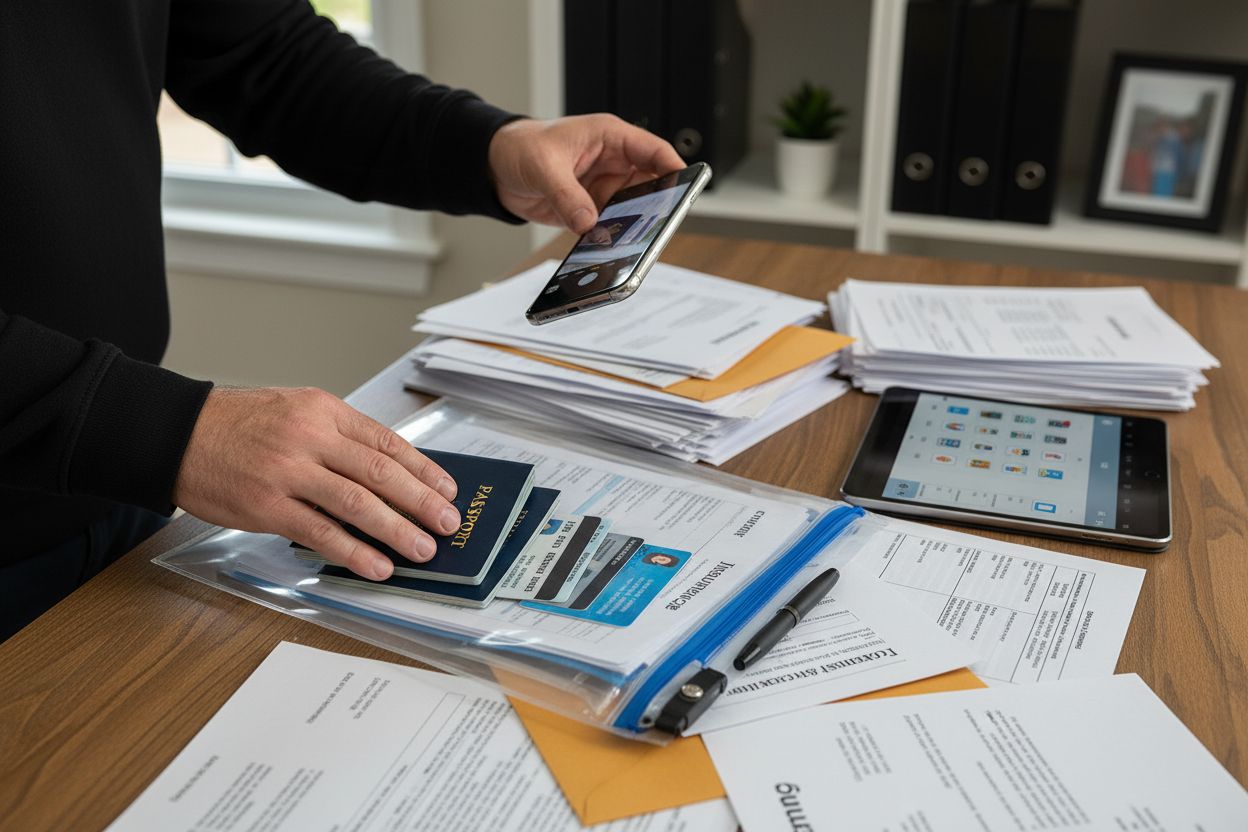
Discover expert strategies for replacing important documents when original copies are lost or damaged. Start by recovering or recreating essential personal identification documents. Prioritize government issued identification like driver’s licenses, social security cards, birth certificates, and passports. Contact local government offices, motor vehicle departments, and vital records centers to request certified replacement copies. Digital photographs of these documents stored securely online can provide interim verification while waiting for official replacements.
Insurance documentation represents another critical component of your document collection. Gather all existing insurance policies including homeowners, renters, automobile, and health coverage. Collect policy numbers, contact information for insurance providers, and any previous claim documentation. Take clear photographs or create digital scans of these documents, storing them in secure cloud storage or encrypted digital repositories. These records will prove instrumental when filing displacement related claims and seeking financial recovery assistance.
Financial documentation provides the next layer of critical evidence. Compile recent bank statements, tax returns from the previous two years, proof of income, and any existing financial records that demonstrate your economic situation before displacement. These documents help relief organizations and government agencies assess your immediate financial needs and determine appropriate assistance levels. Include documentation of any existing debts, mortgage information, and employment verification to create a comprehensive financial profile.
Verification checklist for document gathering:
- Personal identification documents are secured or replacement process initiated
- Insurance policies and claim information are collected
- Financial records are compiled and digitally backed up
- Emergency contact list is created with relevant agency contact information
- Digital and physical copies of all documents are stored securely
Remember that organization is key. Create both digital and physical backup copies, storing them in separate secure locations.
Below is a checklist table to help you verify that all critical documents are gathered and organized during displacement recovery.
| Document Type | What to Check | Storage Recommendation |
|---|---|---|
| Personal Identification | Secured or initiated replacements | Physical and digital copies |
| Insurance Policies | Policies and claim info collected | Photos/scans in cloud |
| Financial Records | Compiled and digitally backed up | Secure cloud and hard copies |
| Emergency Contact List | List created with agency info | Print and digital copy |
| Medical Needs Documentation | Details on needs and medications | Bring originals and copies |
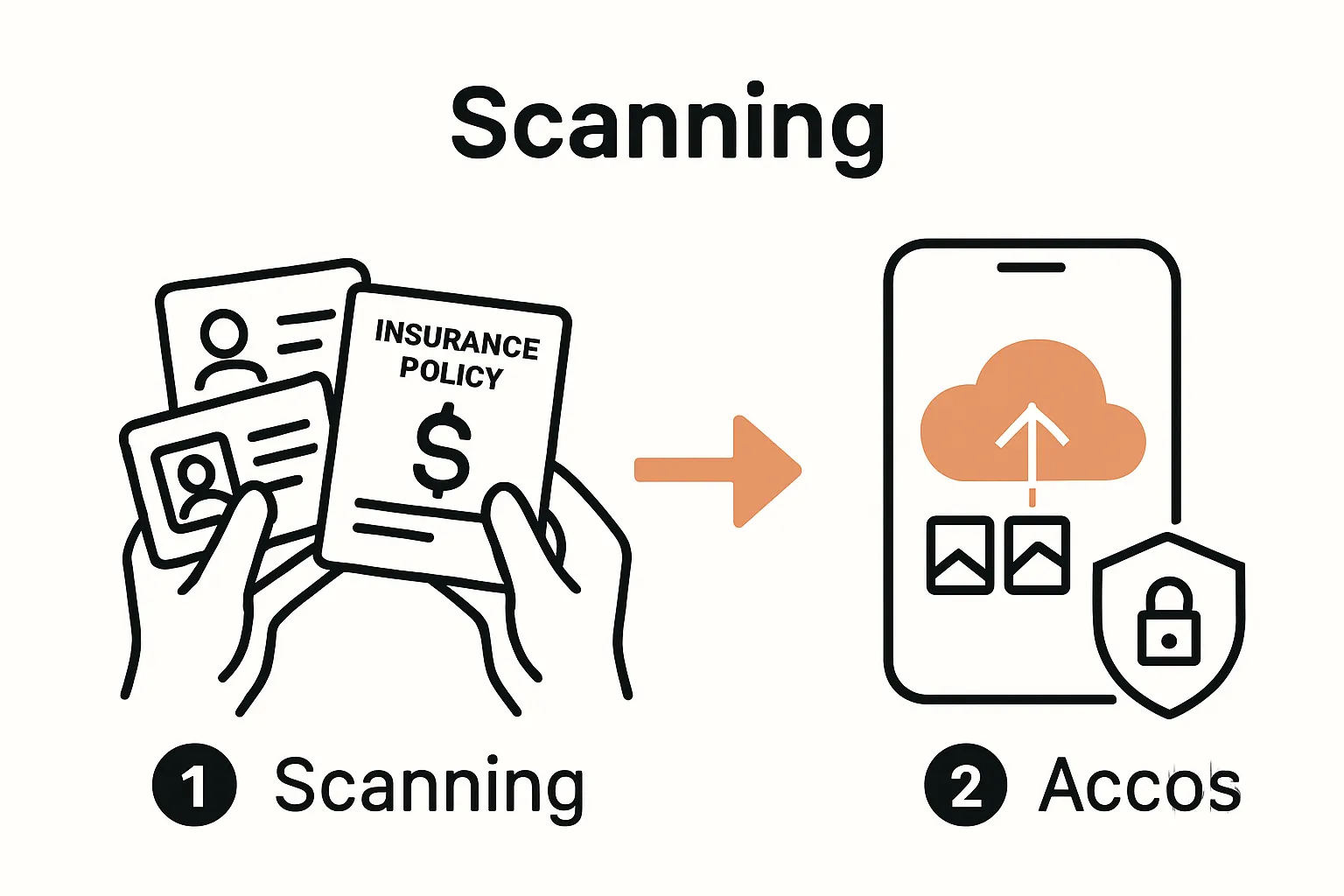 By methodically gathering these documents, you establish a solid foundation for navigating the complex landscape of displacement support and recovery assistance.
Step 3: Reach Out to Relief Organizations for Help
Reaching out to relief organizations marks a pivotal moment in your displacement journey, transforming potential isolation into active support and recovery. Your proactive communication becomes the bridge between crisis and comprehensive assistance. Understanding which organizations to contact and how to effectively communicate your needs will significantly accelerate your recovery process.
Explore our comprehensive guide to accessing emergency aid as you begin this critical outreach. Start by identifying national and local relief organizations specializing in disaster support. The American Red Cross provides comprehensive disaster relief services that can offer immediate shelter, health services, and emotional support. Government agencies like FEMA also provide structured assistance programs designed specifically for displaced families.
Prepare a concise yet detailed narrative of your situation before making initial contact. Organize the information you gathered in previous steps – your documented needs, family composition, medical requirements, and current living situation. When communicating with relief organizations, be clear, direct, and provide specific details about your displacement circumstances. Many organizations have dedicated hotlines, online registration platforms, and local field offices to streamline assistance requests.
Diverse relief organizations offer different types of support, so cast a wide net in your outreach. Local faith based groups, community nonprofits, and regional emergency management offices often provide supplemental assistance that national organizations might overlook. Some specialize in specific needs like temporary housing, financial grants, medical support, or psychological counseling. Do not hesitate to contact multiple organizations simultaneously, as each might offer unique resources that collectively address your comprehensive recovery needs.
Here is a summary table outlining key types of relief organizations to contact, what support they provide, and best ways to reach them during displacement.
| Organization Type | Support Provided | How to Contact |
|---|---|---|
| National Relief (Red Cross, FEMA) | Emergency shelter, health services, financial aid | Hotlines, online registration |
| Local Nonprofits | Temporary housing, food, clothing | Local offices, phone, email |
| Faith-Based Groups | Emotional support, basic supplies | Community centers, leaders |
| Emergency Management | Regional disaster resources and updates | Local government website |
| Community Foundations | Flexible grants, supplemental financial aid | Direct application online |
Verification checklist for relief organization outreach:
- Contacted at least 3-4 different relief organizations
- Documented each organization’s response and promised assistance
- Obtained contact information for follow up communication
- Submitted all required documentation and personal information
- Confirmed receipt of initial application or support request
Remember that persistence and thorough documentation are key. Keep detailed records of every interaction, including names of representatives, dates of communication, and promised next steps. Your organized approach will help navigate the complex landscape of disaster relief and ensure you receive the support your family desperately needs during this challenging transition.
Step 4: Apply for Financial and Housing Assistance
Applying for financial and housing assistance transforms your displacement from a crisis into a structured recovery pathway. This critical step bridges the gap between immediate survival and long term stability, providing essential resources to rebuild your life after unexpected displacement. Navigating these application processes requires strategic preparation and thorough documentation.
Learn more about understanding housing eligibility requirements before beginning your applications. Start by comprehensively reviewing federal, state, and local assistance programs. The federal disaster assistance portal offers a centralized platform for submitting multiple aid applications simultaneously, streamlining the complex process of securing financial support and temporary housing.
Prepare your documentation meticulously before initiating applications. Gather all financial records, proof of displacement, insurance information, and personal identification documents collected in previous steps. Many assistance programs require detailed documentation demonstrating your economic situation before and after the displacement event. Be prepared to provide comprehensive information about your household composition, income levels, and specific needs related to housing, medical support, and financial recovery.
Understand that different assistance programs have unique eligibility criteria and application processes. Government agencies like FEMA typically offer grants for temporary housing, home repairs, and essential living expenses. Local and state emergency management offices may provide supplemental support programs tailored to specific regional disaster impacts. Nonprofit organizations and community foundations often offer additional financial assistance with fewer bureaucratic hurdles, providing flexible support for immediate needs.
Verification checklist for financial and housing assistance applications:
- Completed applications for federal, state, and local assistance programs
- Submitted all required supporting documentation
- Obtained confirmation numbers or reference codes for each application
- Documented contact information for follow up communications
- Created a tracking system to monitor application statuses
Remember that persistence and attention to detail are crucial. Follow up consistently on your applications, maintain open communication with assistance providers, and be prepared to submit additional information if requested. Your proactive approach will significantly improve your chances of receiving comprehensive support during this challenging transition.
Step 5: Create a Recovery Plan with Resources
Creating a comprehensive recovery plan transforms your displacement experience from a reactive crisis into a proactive rebuilding strategy. Your recovery plan serves as a dynamic roadmap, guiding your family through the complex journey of restoration and resilience. This critical step integrates all previous efforts into a cohesive, actionable framework that addresses immediate needs and long term stability.
Explore our comprehensive disaster recovery timeline guide as you develop your personalized strategy. Begin by conducting a holistic assessment of your family’s current situation, identifying both immediate survival requirements and long term recovery goals. Your plan should encompass multiple dimensions: financial rebuilding, housing solutions, emotional well being, healthcare continuity, and professional or educational re-engagement.
The Disaster Recovery Resources from Ready.gov emphasize the importance of creating a flexible, adaptive recovery strategy. Develop a detailed timeline with specific milestones and measurable objectives. Include short term goals like securing temporary housing and accessing emergency funds, alongside intermediate objectives such as repairing or replacing essential documents, reconnecting with employers, and addressing potential gaps in health insurance or medical care.
Prioritize mental health and emotional recovery alongside practical logistics. Displacement can create significant psychological stress, so integrate professional counseling, support group connections, and stress management resources into your plan. Consider the unique emotional needs of each family member, especially children or elderly relatives who might require specialized psychological support. Local community centers, religious organizations, and disaster relief nonprofits often provide free or low cost mental health services specifically designed for displaced families.
Verification checklist for recovery plan development:
- Documented comprehensive family recovery goals
- Identified specific short term and long term objectives
- Created timeline with measurable milestones
- Integrated mental health and emotional support resources
- Established backup plans for potential challenges
- Confirmed contact information for key support services
Remember that a recovery plan is a living document. Regularly review and adjust your strategy as circumstances change, new opportunities emerge, and your family’s needs evolve. Flexibility, patience, and consistent communication will be your greatest assets in navigating this challenging transition from displacement to restoration.
The table below organizes a recovery plan checklist to track critical elements and help ensure a well-rounded approach to post-displacement rebuilding.
| Recovery Focus | Key Objective | Completion Verified |
|---|---|---|
| Family Goals | Document comprehensive goals | Yes / No |
| Short & Long-term Steps | List specific measurable objectives | Yes / No |
| Timeline Milestones | Create dated milestones in plan | Yes / No |
| Mental Health | Add support/counseling resources | Yes / No |
| Backup Strategies | Establish backup plans for challenges | Yes / No |
| Support Contacts | Confirm contacts for critical services | Yes / No |
Personalized Support When Your Family Needs It Most
When you face the chaos of sudden displacement, every decision feels overwhelming. This article highlights the urgent need for organized assessments, document gathering, and swift access to emergency aid. We understand the fear and confusion families experience when forced out of their homes, searching for shelter and direction. Your challenges are real: making sense of paperwork, finding a safe place to stay, and coordinating with relief agencies all add new layers of stress.
DisasterVictimServices.com was created to help families like yours move from uncertainty to action. Our team offers 24/7 emergency housing support, connects you directly with key organizations, and handles the logistical obstacles that make recovery so difficult. Ready to take the next step? Explore more resources on our Uncategorized – Disaster Victim Services | Helping You Recover After Disaster page. If your family needs immediate personalized assistance, visit DisasterVictimServices.com now to connect with experts who can guide you through every phase of crisis recovery. Your path from displacement to restoration begins today.
Frequently Asked Questions
What is the first step to take after experiencing displacement?
Begin by assessing your current situation and needs. Gather family members, evaluate your circumstances, and document critical personal items, health requirements, and financial resources.
How can I gather necessary documents for assistance after a disaster?
Start by recovering or recreating essential identification documents such as driver’s licenses and social security cards. Collect insurance documentation and financial records as well, ensuring they are organized and stored securely.
What types of relief organizations should I contact for help?
Reach out to both national and local relief organizations, such as the American Red Cross and FEMA. Additionally, look into local nonprofits, faith-based groups, and community emergency management offices for broad support options.
How do I apply for financial and housing assistance after displacement?
Review the various federal, state, and local assistance programs available. Gather required documentation thoroughly to demonstrate your needs and submit applications through the appropriate channels. Follow up consistently to track the status of your applications.
Recommended
- How to Handle Displacement: Key Steps for Recovery in 2025 – Disaster Victim Services | Helping You Recover After Disaster
- Essential Steps for Family Reunification in 2025 – Disaster Victim Services | Helping You Recover After Disaster
- How to Handle Relocations in 2025: A Guide for Disaster Relief Teams – Disaster Victim Services | Helping You Recover After Disaster
- How to Handle Displacement: Key Steps for Recovery in 2025 – Disaster Victim Services | Helping You Recover After Disaster