
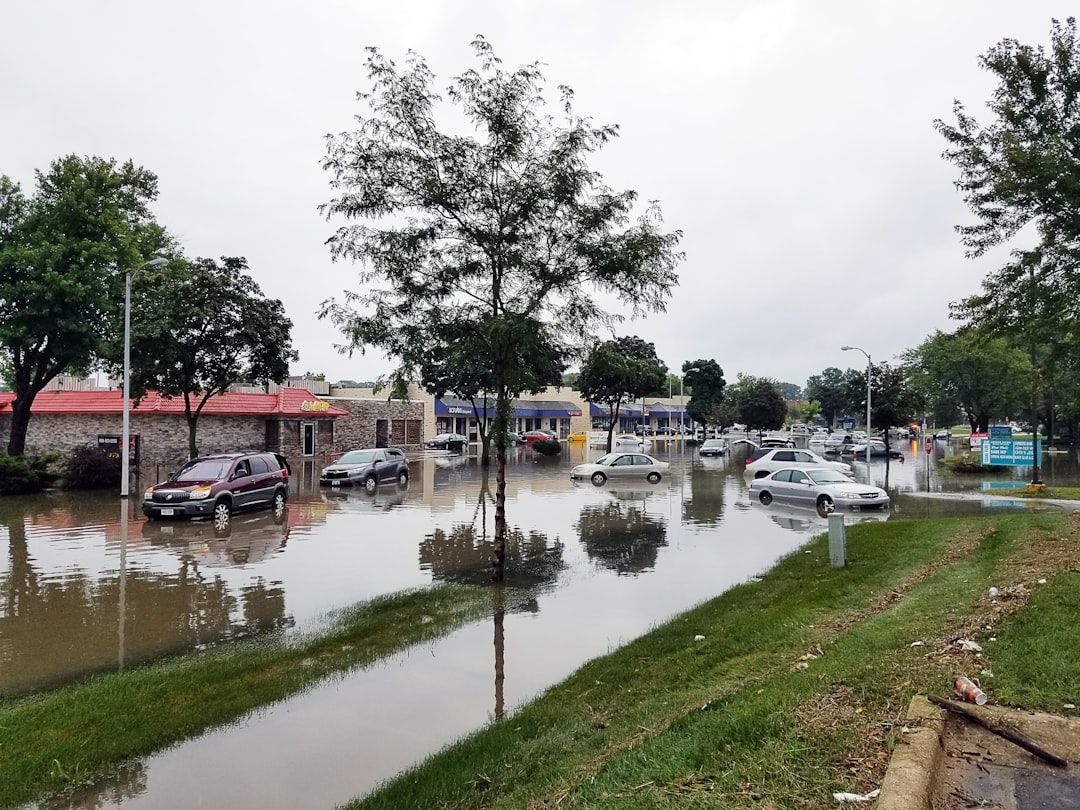

Disaster relief teams saw over 20 million people displaced by natural disasters worldwide in 2023 alone, and those numbers are rising every year. Most people think relocations are just about getting families to safer ground. Think again. The real challenge is what comes next: rebuilding lives, reconnecting communities, and restoring hope in the face of chaos. Here’s where the process truly starts to matter.
Table of Contents
- Key Steps For Managing Disaster Relocations
- Supporting Displaced Families Through The Process
- Coordinating Between Agencies, Contractors, And Relief Teams
- Best Practices For A Smooth Relocation Experience
Quick Summary
| Takeaway | Explanation |
|---|---|
| Comprehensive Initial Assessment | Conduct a rapid, thorough evaluation of the disaster impact to prioritize vulnerable populations and determine immediate resource needs. |
| Holistic Support for Displaced Families | Provide emotional, psychological, and financial assistance alongside practical relocation services to help families rebuild their lives. |
| Effective Multi-Agency Coordination | Establish clear communication protocols and a unified command structure to ensure seamless collaboration among all stakeholders during disaster response. |
| Continuous Preparedness and Technological Integration | Implement ongoing strategic planning and utilize advanced technologies for resource management and communication to enhance relocation efficiency. |
| Human-Centered Approach | Prioritize the emotional well-being and individual needs of displaced persons, recognizing the importance of empathy in the relocation process. |
Key Steps for Managing Disaster Relocations
Disaster relocations demand a strategic, comprehensive approach to ensure the safety and well-being of displaced individuals and communities. The process goes far beyond simply moving people from one location to another. Effective relocation management requires careful planning, coordination, and compassionate support.
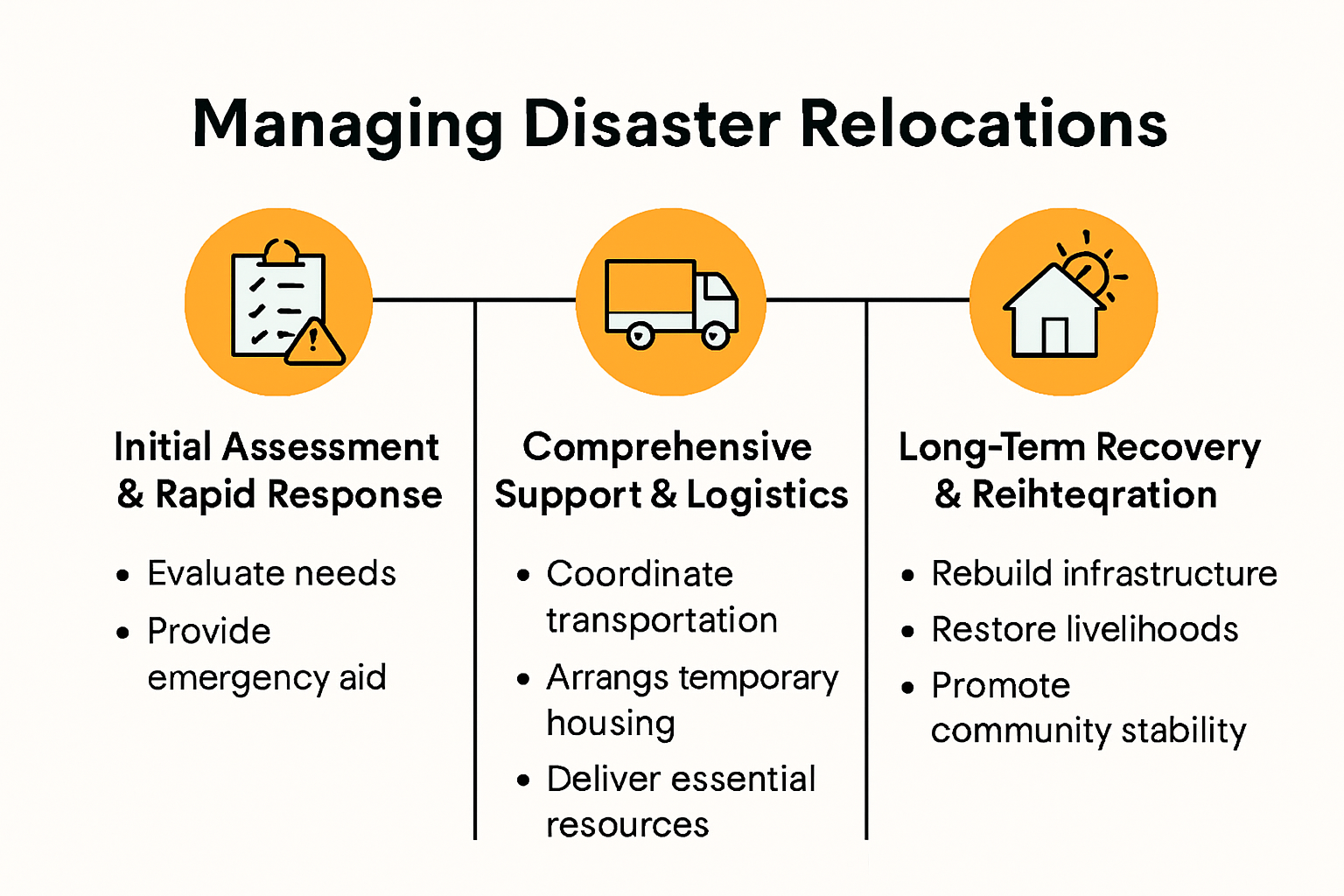
Initial Assessment and Rapid Response
The first critical step in handling relocations involves conducting a comprehensive initial assessment of the disaster impact. Emergency responders must quickly evaluate the extent of displacement, identifying the number of affected individuals, their immediate needs, and potential risks. This rapid assessment allows relief teams to:
- Prioritize vulnerable populations such as elderly, children, and individuals with medical conditions
- Map out safe alternative housing locations
- Determine immediate resource requirements
According to the National Academies of Sciences, Engineering, and Medicine, proactive planning is crucial. Communities must establish restitution strategies before disasters strike, creating a framework for managed retreat in high-risk areas.
Comprehensive Support and Logistics
Successful relocation goes beyond physical movement. Relief teams must provide holistic support that addresses multiple dimensions of displacement. This includes:
- Immediate shelter and basic necessities
- Medical and psychological support
- Communication and family reunification services
- Documentation assistance for insurance and government aid
Teams need to develop robust communication channels that keep displaced individuals informed about their status, available resources, and next steps. Transparency and consistent updates help reduce anxiety and build trust during an incredibly stressful time.
Long-Term Recovery and Reintegration
Relocation is not a temporary solution but a complex process of community rebuilding. Relief organizations must focus on long-term strategies that support:
- Sustainable housing solutions
- Job placement and economic recovery
- Community reconnection and mental health support
- Skills training and adaptation programs
By treating relocation as a comprehensive journey rather than a single event, disaster relief teams can help communities not just survive, but potentially thrive after significant disruptions. The goal is to transform a crisis into an opportunity for resilience and renewal.
Effective disaster relocations require a multi-agency approach, combining the expertise of emergency responders, government agencies, insurance professionals, and community support networks. Each stakeholder plays a crucial role in creating a seamless, compassionate relocation process that prioritizes human dignity and long-term recovery.
Remember, behind every statistic is a human story. Each relocation represents more than a logistical challenge—it represents hope, resilience, and the potential for rebuilding lives.
Supporting Displaced Families Through the Process
Displacement is an emotionally and logistically complex experience that challenges families at their most vulnerable moment. Comprehensive support goes beyond physical relocation and requires a holistic approach addressing immediate needs, emotional well-being, and long-term recovery.
Immediate Needs and Financial Assistance
In the critical aftermath of a disaster, families need immediate financial and practical support. FEMA’s Individual Assistance program provides crucial housing support and resources to help families secure safe living arrangements during recovery. This program offers critical benefits including:
- Housing grants for temporary repairs or alternative housing
- Financial assistance for essential living expenses
- Support for medical, dental, and funeral expenses
- Help replacing essential household items
FEMA’s Moving and Storage Assistance further helps displaced families by covering specific relocation costs such as moving labor, truck rentals, and storage unit fees. These resources help families preserve their belongings and maintain a sense of stability during an unpredictable time.
Emotional and Psychological Support
Disaster displacement creates significant psychological strain. Families often experience complex emotions including grief, anxiety, and uncertainty. Relief organizations must provide comprehensive mental health resources that include:
- Trauma-informed counseling services
- Family support groups
- Child-specific psychological care
- Stress management workshops
- Cultural sensitivity in support approaches
By addressing emotional needs alongside practical challenges, relief teams help families develop resilience and coping mechanisms. This approach recognizes that recovery is not just about physical reconstruction but healing the psychological impact of displacement.
Long-Term Relocation and Community Reintegration
Programs like the Harris County Post Disaster Relocation and Buyout Program demonstrate how specialized relocation specialists can guide families through complex transitions. These professionals help families:
- Navigate replacement housing options
- Understand eligibility for different assistance programs
- Connect with community resources
- Plan for long-term community reintegration
Effective support recognizes that each family’s journey is unique. Personalized assistance that respects individual circumstances, cultural backgrounds, and specific family dynamics becomes crucial in helping displaced families rebuild their lives.
By combining financial assistance, emotional support, and strategic long-term planning, relief organizations can transform a potentially traumatic experience into an opportunity for family resilience and renewal. The goal is not just to relocate families but to help them rebuild their sense of home, security, and hope.
Coordinating Between Agencies, Contractors, And Relief Teams

Effective disaster relocation requires seamless collaboration among multiple stakeholders. The complex nature of emergency response demands a synchronized approach where government agencies, contractors, relief teams, and local organizations work together with precision and shared purpose.
Communication and Information Sharing Protocols
Successful inter-agency coordination begins with establishing robust communication frameworks. Real-time information sharing becomes critical during disaster response. Advanced digital platforms and incident management systems enable different organizations to:
- Track resource allocation in real-time
- Share critical situational updates
- Coordinate evacuation and relocation efforts
- Prevent duplicative service provisions
The National Emergency Management Association recommends implementing standardized communication protocols that allow instant data exchange between federal, state, and local agencies. These protocols ensure that every team understands their specific roles and responsibilities during relocation operations.
Unified Command and Operational Integration
A unified command structure represents the backbone of effective multi-agency disaster response. This approach requires:
- Clear chain of command
- Predetermined decision-making processes
- Shared operational objectives
- Integrated training and preparedness programs
Contractors and relief teams must understand their specific functions within this comprehensive framework. Each organization brings unique capabilities: government agencies provide regulatory support and funding, contractors offer specialized technical skills, and relief teams deliver direct humanitarian assistance.
Resource Coordination and Mutual Support
Resource management becomes paramount during large-scale relocations. Organizations must develop flexible mechanisms for:
- Equipment sharing across different agencies
- Cross-training personnel
- Establishing mutual aid agreements
- Creating backup support systems
The Federal Emergency Management Agency emphasizes a whole-community approach. This strategy ensures that no single organization bears the entire burden of disaster response. Instead, each stakeholder contributes their expertise toward a collective goal of supporting displaced populations.
Effective coordination transcends bureaucratic boundaries. It requires empathy, flexibility, and a genuine commitment to serving communities during their most vulnerable moments. Relief teams must view inter-agency collaboration not as a technical challenge but as a human-centered mission.
By breaking down organizational silos and fostering a culture of transparent, collaborative problem-solving, agencies can transform disaster response from a fragmented effort into a powerful, unified intervention. The ultimate measure of success is not how well individual organizations perform but how comprehensively they support those most affected by disaster.
Best Practices for a Smooth Relocation Experience
Managing disaster relocations requires strategic planning, adaptive approaches, and a deep understanding of the complex human dynamics involved. Best practices go beyond logistical management and focus on creating a supportive, efficient, and compassionate relocation experience for displaced individuals and families.
Comprehensive Preparedness and Planning
FEMA recommends that disaster relief teams develop thorough resource identification and planning strategies. Effective preparedness involves:
- Establishing clear relocation protocols
- Maintaining updated contact lists
- Creating detailed communication channels
- Developing flexible response mechanisms
- Conducting regular emergency scenario training
Preparedness is not a one-time event but an ongoing process of assessment, adaptation, and improvement. Organizations must continually update their plans to reflect emerging challenges, technological advancements, and lessons learned from previous relocation experiences.
Technological Integration and Communication
Modern disaster relocation requires sophisticated technological solutions that enable real-time tracking, communication, and resource management. Key technological best practices include:
- Implementing cloud-based coordination platforms
- Using geospatial mapping for resource allocation
- Developing mobile communication applications
- Creating secure data sharing systems
- Utilizing predictive analytics for proactive planning
AlertMedia’s disaster recovery research emphasizes the importance of integrating cross-functional teams and conducting regular risk assessments. Technology serves as a critical enabler, transforming complex relocation processes into manageable, transparent operations.
Holistic Support and Human-Centered Approach
AltovIta’s emergency relocation guidelines highlight the significance of maintaining accurate records and making swift, compassionate decisions. A human-centered approach means:
- Prioritizing individual and family emotional well-being
- Providing personalized support services
- Maintaining cultural sensitivity
- Offering continuous psychological support
- Ensuring transparent and frequent communication
Successful relocations recognize that behind every logistical challenge is a human story of resilience, vulnerability, and hope. Relief teams must balance operational efficiency with genuine empathy and understanding.
The most effective relocation strategies view displacement not as a temporary disruption but as an opportunity for community rebuilding and personal transformation. By combining meticulous planning, advanced technology, and compassionate support, disaster relief teams can turn a potentially traumatic experience into a pathway toward recovery and renewal.
Ultimately, a smooth relocation experience is measured not just by successful physical movement but by how effectively we support human dignity, preserve community connections, and empower individuals to rebuild their lives with strength and hope.
Frequently Asked Questions
What are the initial steps for disaster relocations?
Effective disaster relocations begin with a comprehensive initial assessment of the disaster impact, prioritizing vulnerable populations and determining immediate needs.
How can disaster relief teams support displaced families?
Disaster relief teams should provide holistic support that includes immediate financial assistance, emotional and psychological support, and long-term recovery planning.
What role does multi-agency coordination play in disaster response?
Multi-agency coordination ensures seamless collaboration among various stakeholders, improving resource management and establishing clear communication protocols during disaster response.
What best practices should disaster relief teams follow for successful relocations?
Best practices include comprehensive preparedness planning, technological integration for resource management, and a human-centered approach focused on individual emotional well-being.
Transitioning from Crisis to Recovery: Your Support Is a Click Away
When disaster strikes, the journey from chaos to recovery can feel overwhelming. As highlighted in our comprehensive guide on handling relocations, the core challenge lies not just in moving families to safety, but in rebuilding lives and renewing hope. This is where DisasterVictimServices.com truly shines.
Our dedicated team specializes in delivering compassionate support and efficient emergency housing solutions for displaced individuals and families. By collaborating with insurance carriers, government agencies, and first responders, we make the relocation process seamless. Here’s how we can help:
- 24/7 emergency assistance to tackle immediate needs
- Coordinated temporary housing solutions that prioritize comfort and security
- Expert guidance on insurance claims and recovery logistics to relieve stress
Don’t let displacement define your path to recovery. Act now! Visit DisasterVictimServices.com to connect with us and get started on your journey back to normalcy. Your new beginning is just a click away!