
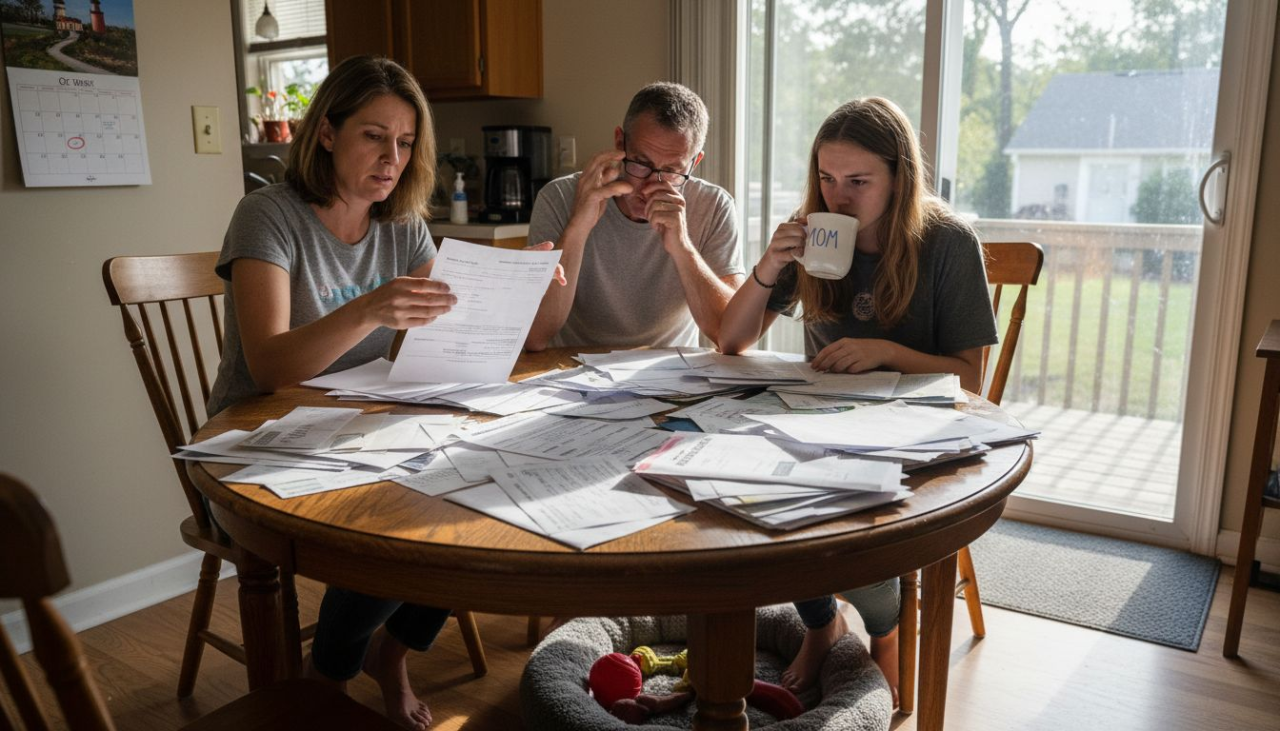
Nearly 70% of flood losses in the United States go uninsured, leaving millions of American families at serious financial risk when disaster strikes. For most homeowners, insurance is supposed to offer peace of mind, but hidden gaps in coverage often mean costly surprises at the worst moments. This article sheds light on the most common disaster insurance pitfalls and reveals practical steps every American can take to protect their home, savings, and future.
Table of Contents
- Defining Coverage Gaps In Disaster Insurance
- Major Types Of Disaster Insurance Exclusions
- Real-World Examples And Common Gaps
- Legal Landscape And Policyholder Rights
- Solutions To Bridge Insurance Gaps
Key Takeaways
| Point | Details |
|---|---|
| Insurance Coverage Gaps | Approximately 70% of total flood losses in the United States are uninsured, highlighting significant financial vulnerabilities for homeowners. |
| Common Exclusions in Policies | Standard disaster insurance often excludes key categories, such as flood damage and political risks, impacting policyholder recovery. |
| Importance of Policy Review | Annual review of insurance policies is crucial to identify gaps and ensure adequate coverage against emerging risks. |
| Innovative Solutions | Exploring parametric insurance and hybrid coverage models can enhance financial protection for homeowners in high-risk areas. |
Defining Coverage Gaps in Disaster Insurance
Disaster insurance coverage is not a simple safety net, but a complex landscape of protections and potential vulnerabilities. Research from recent climate studies reveals a startling reality: approximately 70% of total flood losses in the United States remain uninsured, representing billions of dollars in potential financial risk for American families.
A coverage gap represents the critical difference between what an insurance policy technically covers and what homeowners reasonably expect will be protected during a disaster. These gaps emerge from intricate policy language, specific exclusions, and increasingly complex environmental risks. According to Jay M. Feinman’s analysis, protection gaps have significantly expanded due to high-profile disasters and ongoing climate change challenges, leaving many households exposed to substantial financial uncertainty.
The primary categories of coverage gaps typically include:
- Flood Damage: Many standard homeowners policies exclude flooding
- Infrastructure Damage: Limited coverage for broader infrastructure failures
- Secondary Disaster Impacts: Potential loss of income or temporary relocation expenses
- Climate Change Related Risks: Emerging environmental threats not originally contemplated in older insurance models
Pro Tip: Emergency Preparation Strategy: Review your current disaster insurance policy annually, specifically focusing on identifying potential coverage gaps and discussing supplemental protection options with your insurance provider to ensure comprehensive financial protection.
Disaster Claims Explained: Why They Matter Most provides additional insights into navigating complex insurance landscapes during challenging times.
Major Types of Disaster Insurance Exclusions
Disaster insurance policies are complex legal documents filled with intricate exclusions that can dramatically impact a policyholder’s financial recovery. Standard insurance policies systematically exclude certain catastrophic events that could potentially bankrupt insurance companies, including widespread societal disruptions like war, civil unrest, rebellion, and large-scale insurrections.
Beyond political and social events, insurance exclusions extend to specific property categories and environmental conditions. Commercial property insurance policies frequently exclude coverage for underground infrastructure, outdoor property, and environmental assets such as foundations, landscaping, roads, bridges, detached signs, and growing crops. These exclusions create significant potential financial vulnerabilities for property owners who might assume broader protection.
The most common types of disaster insurance exclusions include:
- Natural Disaster Limitations: Specific restrictions on flood, earthquake, and hurricane damages
- Infrastructure Exclusions: Underground utilities and external property structures
- Political Risk Events: Wars, civil unrest, and government-related disruptions
- Environmental Hazards: Specific environmental contamination scenarios
- Maintenance-Related Damages: Losses stemming from poor property upkeep
Pro Tip: Policy Review Strategy: Carefully review your insurance policy’s exclusion section annually, asking your insurance agent to explain each specific exclusion and discuss potential supplemental coverage options to address identified gaps.
How Insurance Covers Disasters provides additional context for understanding complex insurance protection mechanisms.
Here’s a comparison of disaster insurance exclusions and their potential financial consequences:
| Exclusion Type | Typical Example | Potential Financial Impact |
|---|---|---|
| Natural Disaster Limitation | Excludes earthquakes | Significant rebuilding expenses |
| Infrastructure Exclusion | Omits underground pipes | Unexpected repair costs |
| Political Risk Event | War/civil unrest excluded | Complete loss, no reimbursement |
| Environmental Hazard | Pollution not covered | High environmental cleanup bills |
| Maintenance Damage | Neglected roof denied | Full repair cost on homeowner |
Real-World Examples and Common Gaps
Comprehensive insurance research reveals significant vulnerabilities in current homeowner protection strategies. Many policies are fundamentally flawed, using market value instead of actual replacement costs, which can leave families financially devastated after a disaster. These gaps often emerge through high deductibles, depreciation calculations, and limited coverage for specific environmental events like storm surges or earthquakes.
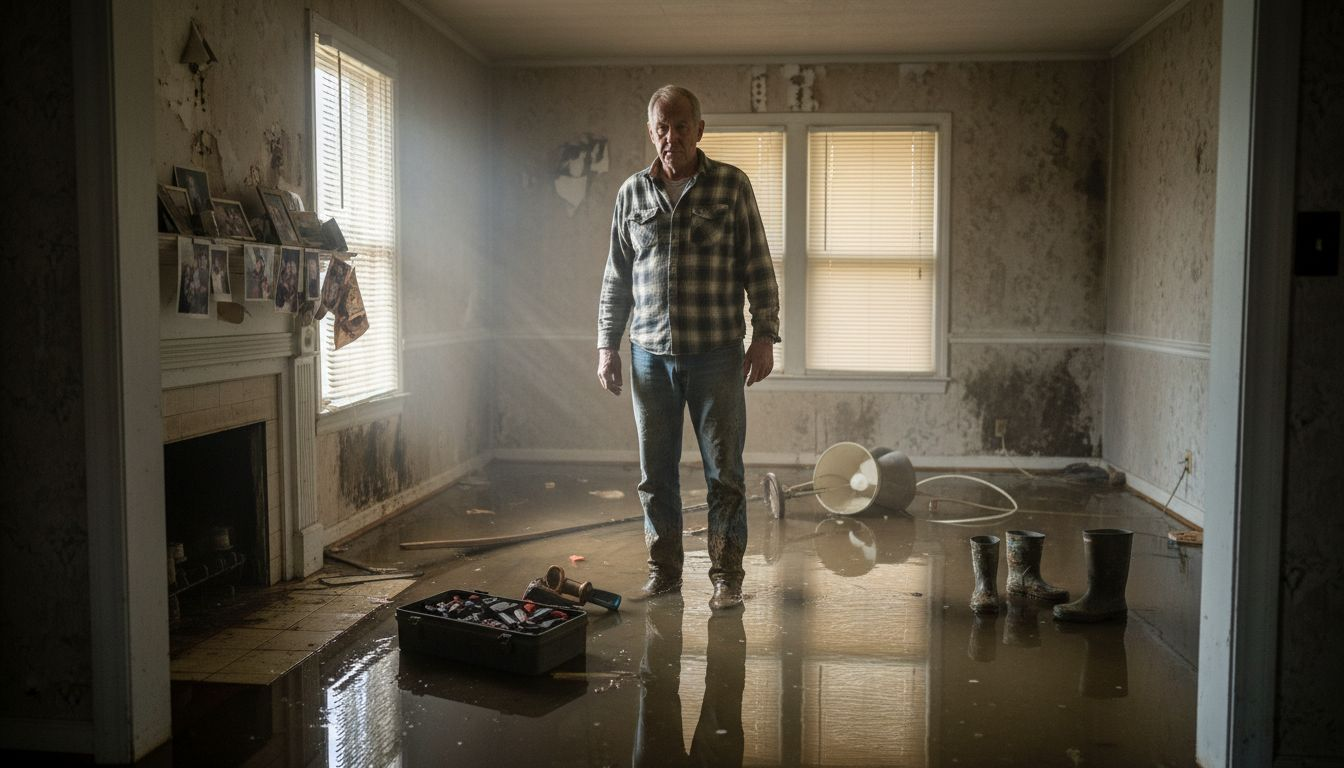
The rental market faces even more precarious insurance landscapes. Approximately 41% of occupied rental properties are situated in high-risk disaster zones, with an estimated 55% of renters lacking any insurance protection. This statistical reality means millions of American renters are one natural disaster away from complete financial collapse, with no safety net to recover personal property or secure alternative housing.
Common real-world insurance coverage gaps include:
- Replacement Cost Shortfalls: Policies that pay current market value instead of full replacement costs
- Partial Property Coverage: Limited protection for specific types of damage
- High Deductible Risks: Significant out-of-pocket expenses before insurance kicks in
- Environmental Exclusions: Specific natural disaster limitations
- Personal Property Restrictions: Caps on personal belonging reimbursement
Pro Tip: Risk Assessment Strategy: Conduct an annual comprehensive home inventory, documenting valuable possessions with photographs and receipts, and use this documentation to negotiate more comprehensive insurance coverage that truly reflects your property’s replacement value.
Role of Insurance Carriers in Disaster Recovery offers additional insights into navigating complex insurance landscapes.
Legal Landscape and Policyholder Rights
Incomplete insurance coverage creates complex legal challenges that frequently pit policyholders against insurance carriers. The ambiguity in policy language often leads to significant disputes about the extent and limits of protection, leaving many families uncertain about their actual coverage during critical moments of crisis.
Insurance companies operate under strict legal obligations that define their responsibilities to policyholders. Bad faith practices can emerge through multiple mechanisms, including unwarranted claim delays, inadequate investigations, refusal to defend legitimate lawsuits, or intentionally restrictive interpretations of policy terms. These actions can fundamentally undermine the trust and protection that insurance is designed to provide.
Key legal protections for policyholders typically include:
- Clear Disclosure Requirements: Insurers must transparently communicate policy terms
- Timely Claims Processing: Legal mandates for reasonable investigation and response times
- Good Faith Obligation: Insurers must act reasonably and fairly in claim evaluations
- Right to Appeal: Policyholders can challenge claim denials through formal processes
- State Regulatory Oversight: Government agencies monitor insurance company practices
Pro Tip: Legal Protection Strategy: Document all communications with your insurance carrier, keep detailed records of interactions, and consider consulting an insurance attorney if you encounter persistent claim resolution challenges.
Adjuster Field Inspection Tips provides additional context for understanding insurance claim processes.
Solutions to Bridge Insurance Gaps
Advanced optimization strategies are emerging to address critical insurance protection challenges, particularly in responding to increasingly complex environmental risks. By leveraging sophisticated machine learning models and adaptive frameworks, insurers can develop more precise risk assessment methodologies that account for historical data and predictive climate change scenarios.
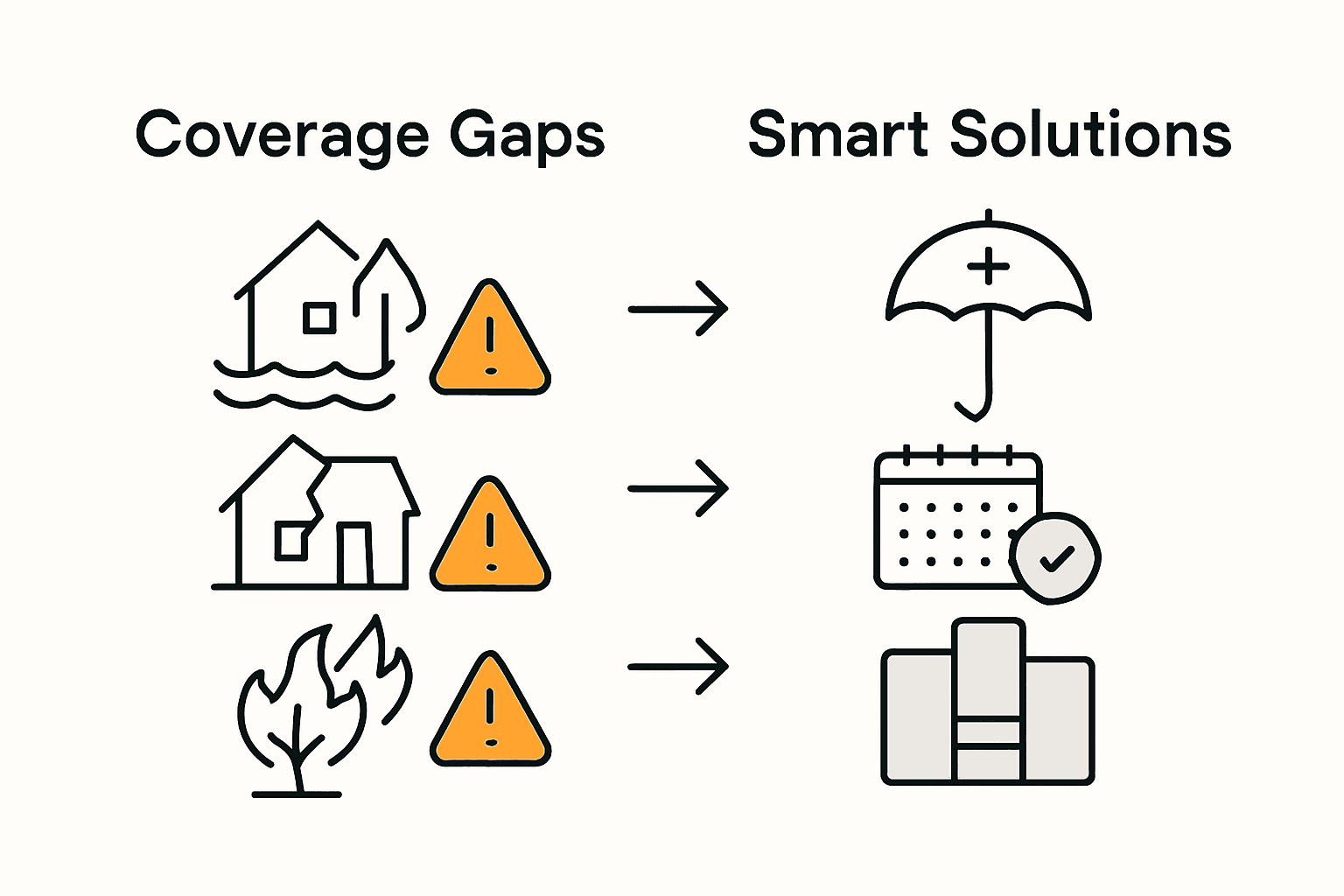
Protection gaps in insurance represent significant economic vulnerabilities, especially for households and businesses in high-risk regions. These gaps can leave entire communities financially exposed, creating systemic risks that extend beyond individual policyholder challenges.
Potential solutions to bridge insurance coverage gaps include:
- Parametric Insurance Products: Automatic payouts based on predefined environmental triggers
- Hybrid Coverage Models: Combining traditional and innovative risk transfer mechanisms
- Machine Learning Risk Assessment: More accurate predictive modeling for premium calculations
- Public-Private Partnership Programs: Collaborative risk mitigation strategies
- Microinsurance Options: Affordable coverage for underserved populations
Pro Tip: Risk Mitigation Strategy: Proactively explore supplemental insurance options, consider bundled coverage plans, and annually review your policy to ensure comprehensive protection against emerging environmental and economic risks.
7 Key Types of Disaster Aid Every Family Should Know provides additional insights into comprehensive disaster protection strategies.
Below is a summary of innovative solutions for bridging insurance coverage gaps:
| Solution Type | How It Works | Primary Benefit |
|---|---|---|
| Parametric Insurance | Pays out on event triggers | Faster, objective compensation |
| Hybrid Coverage Models | Combines traditional & modern plans | Wider protection scope |
| Machine Learning Assessment | Predicts risks with data models | More accurate premium pricing |
| Microinsurance | Low-cost, simple coverage | Access for vulnerable groups |
| Public-Private Partnerships | Shared risk protection programs | Stronger community resilience |
Protect Your Family from Hidden Disaster Insurance Gaps
The article reveals a critical challenge faced by many American families today: significant coverage gaps in disaster insurance that leave homes and belongings vulnerable. From flood exclusions to high deductibles and confusing policy language, the financial risks after a disaster can feel overwhelming and unfair. You deserve clear answers and reliable support that bridges these gaps and guides you through recovery with confidence.
At Disaster Victim Services, we specialize in helping families navigate these very risks by providing immediate emergency housing solutions and expert coordination with insurance carriers and first responders. Explore insights and practical guidance in our Uncategorized category to understand your options. Don’t wait until disaster strikes to act. Visit us today to learn how we can help you identify coverage gaps, expedite claims, and secure the support you need now.
Frequently Asked Questions
What are coverage gaps in disaster insurance?
Coverage gaps in disaster insurance refer to the differences between what insurance policies cover and what policyholders expect to be protected. These gaps can arise from complex policy language, specific exclusions, and emerging environmental risks.
Why is flood damage often excluded from homeowners insurance?
Flood damage is often excluded from standard homeowners insurance policies to limit risk for insurers, as flooding can lead to substantial losses that could financially destabilize insurance companies.
How can I identify potential gaps in my disaster insurance coverage?
To identify potential gaps, review your policy annually, focusing on exclusions and limits. Discuss your coverage with your insurance provider and consider supplementary options to ensure comprehensive protection.
What solutions exist to address insurance coverage gaps?
Solutions to bridge insurance coverage gaps include parametric insurance products, hybrid coverage models, machine learning for risk assessment, and microinsurance options, which can provide additional layers of protection against emerging risks.
Recommended
- How Insurance Covers Disasters – Essential Recovery Facts – Disaster Victim Services | Helping You Recover After Disaster
- Role of Insurance Carriers in Disaster Recovery – Disaster Victim Services | Helping You Recover After Disaster
- Natural Disaster Statistics 2025: Key Trends for Families & Responders – Disaster Victim Services | Helping You Recover After Disaster
- 7 Key Types of Disaster Aid Every Family Should Know – Disaster Victim Services | Helping You Recover After Disaster