

After a disaster, every hour matters. Studies show that communities with a clear recovery plan in place see up to 40 percent faster response times compared to those that improvise. Understanding how to coordinate efforts, mobilize resources, and communicate effectively can mean the difference between swift recovery and prolonged hardship. This guide breaks down practical steps that help you rebuild stronger and protect your community when the unexpected strikes.
Table of Contents
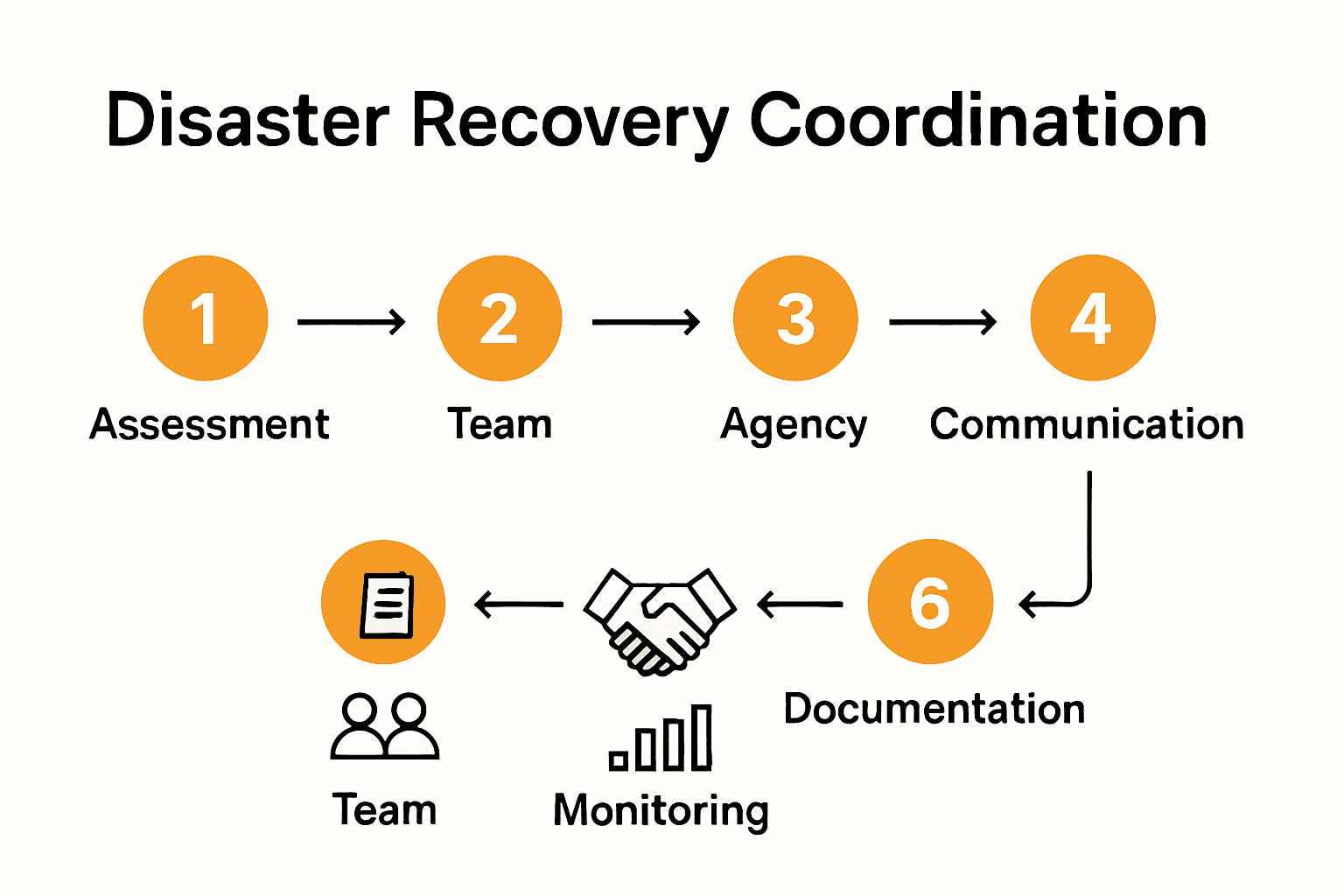
- Step 1: Assess Disaster Impact And Needs
- Step 2: Mobilize Response Teams And Resources
- Step 3: Coordinate With Insurance And Agencies
- Step 4: Facilitate Communication Among Stakeholders
- Step 5: Monitor Progress And Make Adjustments
- Step 6: Verify Recovery Milestones And Documentation
Quick Summary
| Key Point | Explanation |
|---|---|
| 1. Assess disaster impact thoroughly | Gather data on damage and community needs from diverse sources for a comprehensive needs assessment. |
| 2. Mobilize diverse response teams quickly | Organize teams with specific expertise to address various community needs promptly. |
| 3. Enhance coordination among stakeholders | Establish clear communication channels to facilitate efficient collaboration between all involved parties. |
| 4. Monitor recovery progress regularly | Implement a structured system for tracking recovery milestones and adjusting strategies as necessary. |
| 5. Document recovery efforts meticulously | Verify and maintain detailed records of all recovery activities to ensure transparency and accountability. |
Step 1: Assess disaster impact and needs
When a disaster strikes, your first critical action is understanding the full scope of damage and immediate community needs. According to SAMHSA, a needs assessment serves as the foundational process for an effective disaster response program, enabling responders to determine precise requirements and allocate resources strategically.
To conduct a comprehensive impact assessment, start by gathering immediate data from multiple sources. This includes official damage reports, community feedback, first responder observations, and direct communication with affected residents. As FEMA highlights, local leaders play a crucial role in bridging communication between community members and governmental agencies to ensure a holistic understanding of disaster impacts.
Your assessment should systematically document critical details such as:
- Number of displaced individuals
- Extent of infrastructure damage
- Immediate medical and housing needs
- Disrupted critical services like electricity and water
- Potential health and safety risks
Remember that a needs assessment is not a one time event but a continuous process. Remain flexible and ready to adjust your understanding as new information emerges. By developing a thorough and dynamic assessment, you set the stage for an efficient and compassionate disaster recovery effort.
Once you have gathered and analyzed your initial data, you will be prepared to move forward with developing a targeted response strategy.
Step 2: Mobilize response teams and resources
Quickly organizing and deploying response teams is crucial for effective disaster recovery. According to SAMHSA, developing a comprehensive staffing plan is essential to address the needs of both directly and indirectly affected individuals.
Begin by categorizing your response teams based on specific expertise and community requirements. FEMA emphasizes the importance of understanding how disasters disproportionately impact vulnerable populations such as individuals with disabilities, limited English proficiency, lower income, or those living in rural or urban areas. Your team composition should reflect this diversity and include professionals who can address various community needs.
Key steps for mobilizing response teams include:
- Identify critical roles needed for immediate response
- Recruit specialists with relevant skills
- Establish clear communication protocols
- Provide rapid deployment training
- Create backup and rotation plans
Prioritize team members who can communicate effectively with diverse populations and quickly adapt to changing disaster scenarios. By building a flexible and comprehensive response team, you create a robust support system capable of addressing complex community challenges.
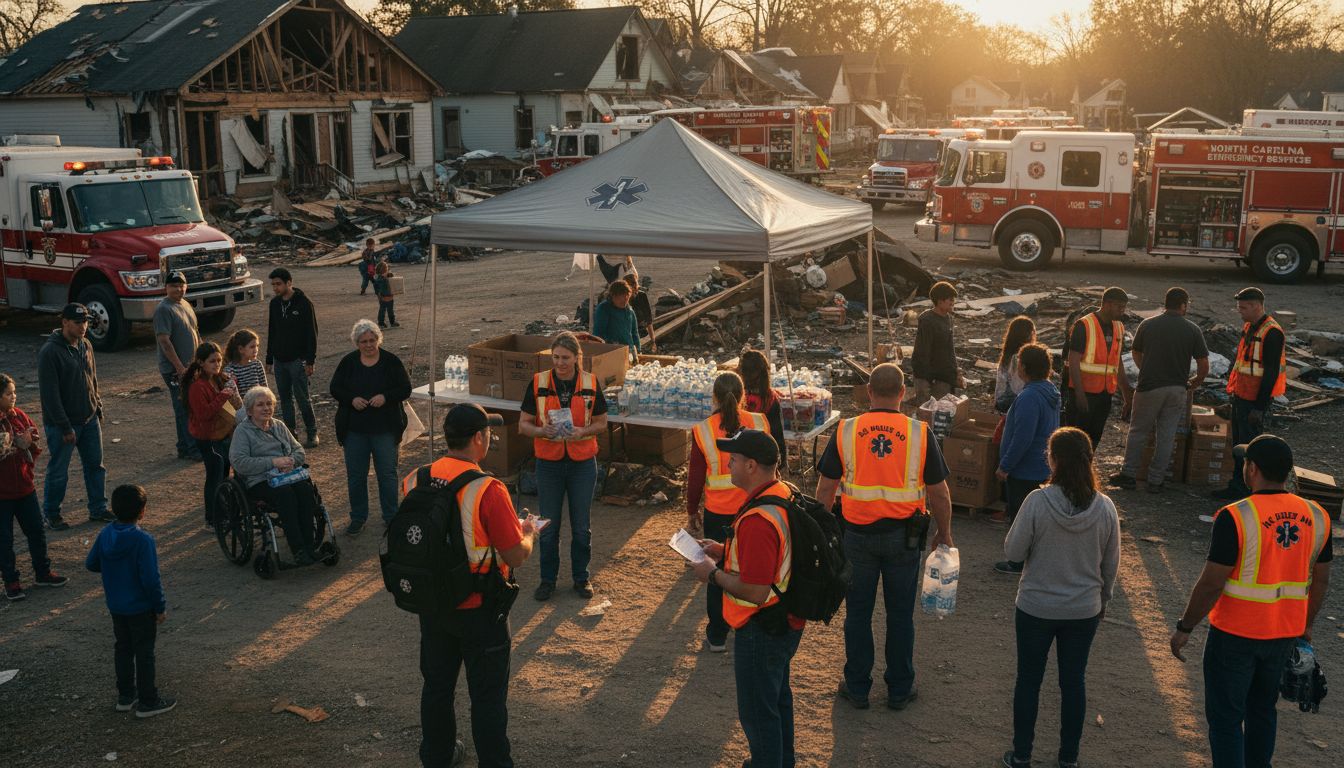
With your response teams assembled and prepared, you are now ready to move forward with implementing your initial recovery strategies.
Step 3: Coordinate with insurance and agencies
Successful disaster recovery hinges on seamless communication and collaboration between multiple stakeholders. FEMA emphasizes that local leaders play a critical role in bridging communication gaps between community members and various governmental and non-governmental agencies.
Begin by establishing clear communication channels with key organizations. This includes insurance providers, state and federal emergency management offices, local government representatives, and nonprofit disaster relief organizations. Create a centralized communication hub where all stakeholders can share real time information, coordinate resources, and track recovery progress. Develop a comprehensive contact list with primary and backup points of contact for each agency to ensure continuous communication flow.
Key coordination strategies include:
- Schedule regular joint briefing sessions
- Create shared digital platforms for information exchange
- Develop unified documentation and reporting protocols
- Establish clear escalation procedures for urgent issues
- Maintain transparency about resource allocation and recovery challenges
Remember that effective coordination is about building trust and maintaining open lines of communication. Be proactive in sharing updates, asking for support, and offering assistance where possible. By creating a collaborative ecosystem, you can streamline the recovery process and ensure that disaster victims receive comprehensive support.
With interagency communication established, you will be ready to move forward with implementing targeted recovery strategies.
Step 4: Facilitate communication among stakeholders
Effective disaster recovery requires creating robust communication networks that connect all key participants. FEMA emphasizes that local leaders have a tremendous opportunity to bridge communication gaps between community members and various official organizations.
Establish multiple communication channels to ensure information flows smoothly and quickly. As Wikipedia notes, successful organizations often utilize conference calls and webinars to rapidly coordinate efforts among stakeholders. Create a centralized communication platform that allows real time updates, shared document access, and instant messaging capabilities. This digital hub will serve as the primary nerve center for all recovery related communications.
Key strategies for facilitating stakeholder communication include:
- Set up regular virtual and in person meeting schedules
- Develop clear communication protocols
- Create a standardized reporting template
- Implement secure information sharing systems
- Designate primary and backup communication representatives
Prioritize transparency and inclusivity in your communication approach. Ensure that every stakeholder has a voice and understands their role in the recovery process. By fostering an environment of open dialogue and mutual respect, you can create a more effective and collaborative disaster response system.
With communication channels established, you will be prepared to move forward with coordinated recovery efforts.
Step 5: Monitor progress and make adjustments
Continuous evaluation is fundamental to successful disaster recovery efforts. SAMHSA underscores that needs assessment is a continuous process essential for maintaining program relevance throughout the entire recovery period.
Implement a structured monitoring system that tracks key performance indicators and recovery milestones. FEMA highlights the importance of collaborative approaches that help convey community needs and optimize resource deployment. Develop a comprehensive dashboard that provides real time insights into recovery progress, allowing stakeholders to quickly identify areas requiring immediate attention or strategic adjustments.
Key monitoring strategies include:
- Establish clear measurable recovery objectives
- Conduct weekly progress reviews
- Track resource allocation and utilization
- Collect feedback from affected communities
- Create adaptable response mechanisms
Remember that flexibility is crucial during disaster recovery. Be prepared to pivot quickly when initial strategies prove ineffective. Regularly communicate updates and changes to all stakeholders to maintain transparency and trust. By maintaining a dynamic and responsive approach, you can ensure that recovery efforts remain targeted and efficient.
With ongoing monitoring in place, you will be prepared to navigate the complex landscape of disaster recovery with confidence and precision.
Step 6: Verify recovery milestones and documentation
The final stage of disaster recovery requires meticulous verification of progress and comprehensive documentation. FEMA emphasizes the critical role of local leaders in bridging communication between community stakeholders and official agencies to ensure accurate reporting and resource allocation.
Establish a systematic documentation verification process that captures every aspect of the recovery journey. Create a comprehensive checklist that tracks individual milestones, resource utilization, and community impact. This verification system should include detailed records of financial expenditures, service delivery, individual and community support efforts, and overall recovery progress.
Key documentation verification strategies include:
- Cross reference multiple reporting sources
- Conduct thorough financial audits
- Validate individual recovery outcomes
- Collect and analyze stakeholder feedback
- Maintain secure and organized digital records
Prioritize transparency and accuracy in your documentation. Implement robust verification protocols that leave no room for ambiguity or potential discrepancies. By maintaining meticulous records, you create a clear historical narrative of the recovery process and provide accountability for all stakeholders involved.
With comprehensive documentation verified, you have successfully completed the critical steps of disaster recovery coordination and laid the groundwork for future resilience.
Navigate Disaster Recovery with Trusted Support and Clear Guidance
Disaster recovery coordination demands swift, organized action to address complex challenges such as assessing impacts, mobilizing response teams, and maintaining open communication among stakeholders. If you are facing the overwhelming task of managing these critical steps to ensure effective relief, you are not alone. Key pain points like quickly connecting displaced individuals to emergency housing and coordinating with insurance carriers and agencies can be difficult without expert guidance.
At DisasterVictimServices.com, we specialize in partnering with communities and responders to ease these burdens through seamless collaboration and compassionate support. Our focus on emergency housing solutions and multi-agency coordination mirrors the essential strategies highlighted in this guide, helping you transform disaster chaos into a clear recovery path. Explore our insights and projects in Project design – Disaster Victim Services | Helping You Recover After Disaster and stay informed with valuable resources in our Uncategorized – Disaster Victim Services | Helping You Recover After Disaster.
Do not wait to secure the guidance and resources needed for a confident recovery journey. Visit DisasterVictimServices.com now to connect with experts ready to assist you immediately. Effective disaster relief starts with trusted partners who understand each step of the process and stand with you every moment. Take action today and reclaim control of your recovery.
Frequently Asked Questions
What are the initial steps for assessing disaster impact and community needs?
To assess disaster impact, start by gathering data from official reports, community feedback, and first responder observations. Document key details such as the number of displaced individuals and extent of infrastructure damage to inform your response plan.
How can I effectively mobilize response teams for disaster recovery?
Begin by categorizing response teams based on expertise and community needs, then recruit specialists accordingly. Establish communication protocols and provide rapid training to ensure your teams can adapt quickly to the situation.
What strategies should I use to coordinate communication with agencies and stakeholders during recovery?
Establish clear communication channels with key organizations and create a centralized hub for sharing real-time information. Schedule regular briefings and maintain a comprehensive contact list to facilitate continuous dialogue among all stakeholders.
How can I monitor progress and make necessary adjustments during the recovery process?
Implement a structured monitoring system that tracks recovery milestones and key performance indicators. Conduct weekly reviews and collect community feedback to identify areas that require immediate attention or strategy adjustments.
What steps should I take to ensure proper documentation and verification of recovery milestones?
Create a systematic documentation process that captures all aspects of the recovery journey, including financial audits and service delivery records. Cross-reference multiple sources to validate progress and maintain organized digital records for accountability.
Recommended
- How to Handle Relocations in 2025: A Guide for Disaster Relief Teams – Disaster Victim Services | Helping You Recover After Disaster
- How to Deploy Aid: Effective Strategies for Disaster Response 2025 – Disaster Victim Services | Helping You Recover After Disaster
- Disaster Recovery Process Steps: A Complete Guide 2025 – Disaster Victim Services | Helping You Recover After Disaster
- Critical Logistical Support Steps for Disaster Relief 2025 – Disaster Victim Services | Helping You Recover After Disaster